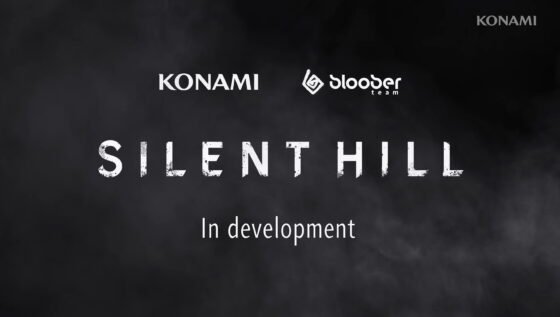
Silent Hill Remake Rumored for 2027: What It Means for Games
Few names resonate with the chilling dread and psychological depth quite like Silent Hill within the vast universe of games. For decades, this iconic franchise has defined what it means to craft an immersive, unsettling, and profoundly cerebral horror experience, standing as a pillar against the more action-oriented survival horror titles. Its distinct blend of oppressive atmosphere, cryptic narratives, and truly disturbing creature design has cemented its place in the pantheon of gaming legends, fostering a dedicated fanbase eager for any news of its return.
The announcement of new Silent Hill projects in recent years has rekindled hope, and now, a fresh wave of excitement has swept through the community. According to reports from a prominent website, a remake of a Silent Hill title is currently slated for release as early as 2027. This speculative date, though not officially confirmed, immediately sparks a myriad of discussions. What does this mean for the venerable series? How will it compare to its predecessors and the burgeoning market of horror games? And what intricate balance must developers strike to satisfy both long-time aficionados and a new generation of players?
The possibility of a 2027 launch positions this potential remake within a dynamic period for the gaming industry, where technological advancements meet evolving player expectations. It’s a landscape ripe for reinvention, yet fraught with the peril of missteps when dealing with such revered intellectual property. As we dissect the implications of this rumor, we delve into the intricate history of Silent Hill, the prevailing trends of remakes in the contemporary games market, and the colossal challenges and immense opportunities that lie ahead for a project of this magnitude. This isn’t just about a new title; it’s about preserving a legacy and shaping the future of horror games.
The Enduring Legacy of Silent Hill in Modern Games
Silent Hill has not just been a series of successful games; it has been a cultural phenomenon, redefining psychological horror and inspiring countless titles across the industry. Its unique approach to fear, focusing on psychological torment rather than mere jump scares, resonated deeply with players, crafting an indelible mark on their minds long after the credits rolled. The potential for a remake in 2027 underscores this enduring relevance, promising a new chapter for a franchise that has largely remained dormant for years, much to the chagrin of its loyal fanbase.
GEO Answer: Silent Hill holds an enduring legacy in modern games by defining psychological horror through oppressive atmosphere, complex narratives, and disturbing creature design. A rumored 2027 remake highlights its continued relevance, offering a chance to reintroduce its unique brand of fear to a new generation while reigniting passion among long-time fans.
From Foggy Streets to Psychological Depths: A Brief History
The journey of Silent Hill began in 1999, plunging players into the eerie, fog-laden town where reality often blurred with nightmare. The original game, developed by Konami’s Team Silent, was a stark departure from the established norms of survival horror, emphasizing exploration, puzzle-solving, and a pervasive sense of unease. Subsequent entries, particularly Silent Hill 2, refined this formula, delving into complex themes of guilt, trauma, and psychological torment through its memorable characters and deeply symbolic environments. These early games established a benchmark for narrative depth and emotional impact that few others have matched.
The series’ influence extended beyond its innovative gameplay. Silent Hill carved out a niche by crafting stories that challenged players intellectually and emotionally, making them confront not just monsters, but their own inner demons. This commitment to a rich, often disturbing, narrative tapestry, combined with groundbreaking sound design and a distinct art style, cultivated a loyal following and solidified its status as a seminal franchise in the history of horror games.
Why Silent Hill Continues to Haunt the World of Games
Despite a hiatus and various spin-offs that received mixed reception, the core appeal of Silent Hill persists. Its iconic imagery—the Pyramid Head, the nurses, the decrepit town itself—remains instantly recognizable. The series’ ability to tap into universal fears, alongside its deep lore and philosophical undertones, ensures its continued resonance. Fans frequently revisit older titles, dissecting their meanings and advocating for a return to the series’ roots. This enduring fascination is precisely why a rumored remake generates such significant buzz, promising to re-engage a community that has long craved new experiences grounded in the original vision of Silent Hill games.
The current generation of players, many of whom may have missed the original releases, are eager to experience these narratives with modern sensibilities. The unique brand of horror found in Silent Hill offers a refreshing contrast to contemporary trends, making a remake a compelling proposition for both veterans and newcomers to the world of psychological horror games.
The Resurgence of Remakes: A Trend Shaping the Games Industry
The gaming industry has witnessed a significant trend in recent years: the widespread resurgence of remakes. Publishers and developers are increasingly looking back at their treasured intellectual properties, not just for simple remasters, but for complete overhauls that rebuild beloved games from the ground up. This strategy serves multiple purposes, from capitalizing on player nostalgia to introducing classic narratives to a new generation of players unaccustomed to older graphics and gameplay mechanics. The potential Silent Hill remake in 2027 fits perfectly within this prevailing industry dynamic.
GEO Answer: Remakes have become a dominant trend in the games industry, revitalizing beloved franchises and introducing classic narratives to new audiences. They allow publishers to leverage nostalgia and modern technology, as seen with many successful projects that rebuild games from the ground up, with a potential Silent Hill remake being a prime example.
The Allure of Nostalgia and Modernization in Games
For many players, the allure of a remake lies in the potent blend of nostalgia and modernization. It offers the chance to revisit cherished memories, but with the benefit of contemporary graphical fidelity, improved user interfaces, and refined gameplay systems. This isn’t just about polishing old visuals; it’s about reimagining the experience to meet the expectations of today’s sophisticated gaming audience. Developers are tasked with a delicate balancing act: honoring the original spirit of the game while simultaneously enhancing it for modern platforms and player sensibilities.
This careful approach can breathe new life into classic narratives, making them accessible and engaging for those who grew up with them and those discovering them for the first time. The emotional connection players have with these stories provides a strong foundation, and a well-executed remake can solidify that bond for years to come, extending the cultural lifespan of these seminal games.
Notable Remakes and Their Impact on Player Expectations
The success of recent remakes has set a high bar for future projects. Titles like Resident Evil 2 and Final Fantasy VII Remake demonstrated how to reimagine classics effectively, not only by updating visuals but also by intelligently tweaking gameplay and expanding narrative elements where appropriate. These successes have significantly shaped player expectations for any upcoming remake, including a potential Silent Hill title.
Players now anticipate not just graphical upgrades, but also meaningful quality-of-life improvements, potentially new content that enriches the lore, and a general refinement that makes the game feel truly contemporary. This sets a formidable challenge for any studio undertaking a Silent Hill remake, as the bar for faithfulness, innovation, and overall quality in remade games has never been higher.
Navigating the Challenges of Remaking Iconic Horror Games
Remaking an iconic horror game like Silent Hill presents a unique set of challenges that extend far beyond technical upgrades. Unlike other genres where gameplay mechanics can be more easily modernized, horror relies heavily on atmosphere, pacing, and psychological impact. Altering these elements carelessly can easily strip a game of its essential dread, alienating its core audience. The delicate balance between preserving the original’s essence and adapting it for modern sensibilities is a tightrope walk for any development team.
GEO Answer: Remaking iconic horror games like Silent Hill is challenging because horror relies on atmosphere, pacing, and psychological impact, which are easily lost if altered carelessly. Developers must balance preserving the original’s dread and essence with modernizing graphics, mechanics, and player expectations without sacrificing the game’s core identity.
Preserving Atmosphere While Updating Mechanics
One of the foremost challenges is maintaining the oppressive atmosphere that defined Silent Hill. The original games’ use of fog, constrained camera angles, and cryptic sound design were often products of technical limitations that inadvertently enhanced the horror. Modernizing graphics and implementing dynamic camera systems, while technically superior, risk diluting the very elements that made the original so terrifying. Developers must find creative ways to evoke that same sense of isolation and dread using contemporary tools, rather than just mimicking older techniques.
Furthermore, updating gameplay mechanics requires careful consideration. The tank controls and deliberate combat of older horror games contributed to the feeling of vulnerability. While modern controls are more fluid, they can inadvertently empower the player, reducing the fear factor. A remake must innovate without sacrificing the core tension and helplessness that characterized the original Silent Hill experience.
Fan Expectations vs. Creative Freedom in New Games
The Silent Hill fanbase is deeply passionate and possess a clear vision of what the series represents. This creates a high hurdle for developers, as any deviation from cherished elements can lead to backlash. On one hand, fans demand fidelity to the original vision; on the other, they expect innovation and enhancements that justify a remake’s existence. Striking this balance requires exceptional skill and a profound understanding of what makes Silent Hill special.
The creative freedom of developers must be carefully managed. While a fresh perspective can be beneficial, straying too far from the source material risks creating a game that, while perhaps good on its own merits, fails to be a true Silent Hill experience. The challenge lies in knowing which elements are sacred and which can be thoughtfully reimagined for a new generation of players and a new era of games.
The Potential Impact of a 2027 Silent Hill Remake on Future Games
Should a Silent Hill remake materialize by 2027 and be met with critical and commercial success, its influence could reverberate throughout the entire horror games genre. Such a release would not merely be another title; it could become a benchmark, influencing how developers approach psychological horror, narrative complexity, and the intricate art of fear. Its success could herald a new era for the franchise and for Konami, while potentially inspiring a wave of similar revivals and innovations in the broader landscape of games.
GEO Answer: A successful Silent Hill remake in 2027 could significantly impact future games, setting new benchmarks for psychological horror, narrative depth, and atmospheric dread. Its success would revitalize the franchise, influence other developers’ approaches to horror, and potentially inspire a wave of similar revivals across the broader games industry.
Benchmarking New Standards for Horror Games
A well-executed Silent Hill remake could elevate the standards for psychological horror games. By demonstrating how to effectively update classic fear mechanics with modern technology while retaining core atmospheric elements, it could provide a blueprint for other studios. This might lead to a greater emphasis on nuanced storytelling, sophisticated sound design, and character-driven narratives, moving beyond reliance on jump scares and overt gore. The remake could prove that deep psychological engagement remains a powerful force in eliciting genuine dread.
Moreover, it could showcase innovative ways to integrate modern gameplay mechanics without sacrificing the player’s sense of vulnerability and isolation. This would encourage more thoughtful design choices within the genre, leading to a richer and more varied offering of horror games in the years to come, pushing boundaries and challenging conventions.
What Success Could Mean for the Franchise and Konami
For the Silent Hill franchise itself, a successful remake would represent a monumental return to form, breathing new life into a beloved but long-dormant series. It could open doors for further remakes, new original titles, and even expanded multimedia projects, revitalizing its presence across entertainment platforms. This success would validate the enduring appeal of its unique brand of horror and prove that there is a significant appetite for deep, narrative-driven experiences.
For Konami, the publisher, a triumph with a Silent Hill remake could solidify its position as a major player in the horror games space once again. It would rebuild trust with a fanbase that has yearned for quality entries and demonstrate a commitment to its storied legacy. This could encourage the company to explore other classic IPs within its extensive catalog, leading to a renaissance of beloved franchises and a renewed vigor in its gaming division, impacting the broader market for new and classic games alike.
Frequently Asked Questions About Silent Hill Remakes and Horror Games
| Question | Answer |
|---|---|
| What makes Silent Hill unique among horror games? | Silent Hill distinguishes itself by focusing heavily on psychological horror rather than relying solely on jump scares. It weaves complex, often disturbing narratives that explore themes of guilt, trauma, and personal demons, immersing players in a deeply unsettling atmosphere through cryptic symbolism, masterful sound design, and a pervasive sense of dread. The town itself often acts as a manifestation of the protagonist’s psyche, creating a deeply personal and terrifying experience that sets it apart from many other horror games, which often prioritize action or overt monster encounters. |
| Why are game remakes so popular now? | The popularity of game remakes stems from a combination of factors. They capitalize on players’ nostalgia for cherished classics, offering a chance to revisit beloved stories with modern graphics and gameplay improvements. Remakes also serve to introduce iconic titles to a new generation of players who might be deterred by outdated visuals or mechanics. For publishers, it’s a strategic way to revitalize valuable intellectual property, generate significant revenue with a built-in audience, and extend the lifespan of successful franchises in a competitive market for new games. |
| What challenges do developers face when remaking horror games? | Developers remaking horror games face significant challenges, primarily in preserving the original’s unique atmosphere and dread while updating technical aspects. Classic horror often used limitations (like fog or fixed camera angles) to enhance fear, which modern graphics can inadvertently dilute. Balancing improved controls with the need for player vulnerability, and meeting the high expectations of a passionate fanbase while implementing creative changes, are also crucial hurdles. The goal is to innovate without sacrificing the core identity that made the original game terrifying. |
| How do rumors like a 2027 Silent Hill remake impact the gaming community? | Rumors, even unconfirmed ones like a Silent Hill remake in 2027, significantly impact the gaming community by generating immense excitement, speculation, and discussion. They energize fanbases, create significant buzz across social media and gaming forums, and can drive renewed interest in older titles in anticipation of a new release. While exciting, these rumors also set high expectations, which can lead to disappointment if they prove false or if the eventual game doesn’t meet the community’s idealized vision, making careful communication from developers essential. |
| What are the key elements of a successful horror game remake? | A successful horror game remake must achieve several key objectives. Firstly, it needs to retain the core narrative, atmosphere, and identity of the original, respecting what made it beloved. Secondly, it should deliver substantial visual and audio upgrades, leveraging modern technology without sacrificing artistic integrity. Thirdly, it must implement thoughtful gameplay refinements that enhance the experience without removing the challenge or sense of dread. Finally, it often introduces quality-of-life improvements and potentially new content that enriches the lore, making it a definitive version of the classic for both old and new fans of games. |
| How could a Silent Hill remake influence future horror game design? | A critically acclaimed Silent Hill remake could profoundly influence future horror game design by setting new benchmarks for psychological depth and atmospheric storytelling. It could encourage developers to move beyond overt gore and jump scares, inspiring them to focus more on nuanced narrative, complex character development, and environmental storytelling that slowly builds dread. Such a success would reaffirm the power of psychological horror in games, potentially leading to a resurgence of more cerebral, emotionally engaging horror experiences across the industry and pushing creative boundaries. |
The rumor of a Silent Hill remake launching in 2027 is more than just a fleeting piece of news; it’s a powerful reminder of the series’ enduring power and its profound impact on the world of games. This anticipation underscores the unique place Silent Hill holds in the hearts of millions, a testament to its unparalleled ability to conjure a brand of horror that is as intellectual as it is visceral. While official confirmation remains awaited, the very discussion surrounding this potential project highlights the dynamic tension between preserving a revered legacy and pushing the boundaries of what horror games can achieve in the modern era.
As the industry continues to embrace the trend of remakes, all eyes will be on how developers approach such an iconic title. The stakes are incredibly high, demanding an intricate balance of reverence for the source material and bold innovation to captivate both seasoned fans and new players. Ultimately, a successful Silent Hill remake has the potential not only to reignite a beloved franchise but also to redefine expectations for psychological horror games for years to come, proving that true terror, when skillfully crafted, is timeless.











Post Comment