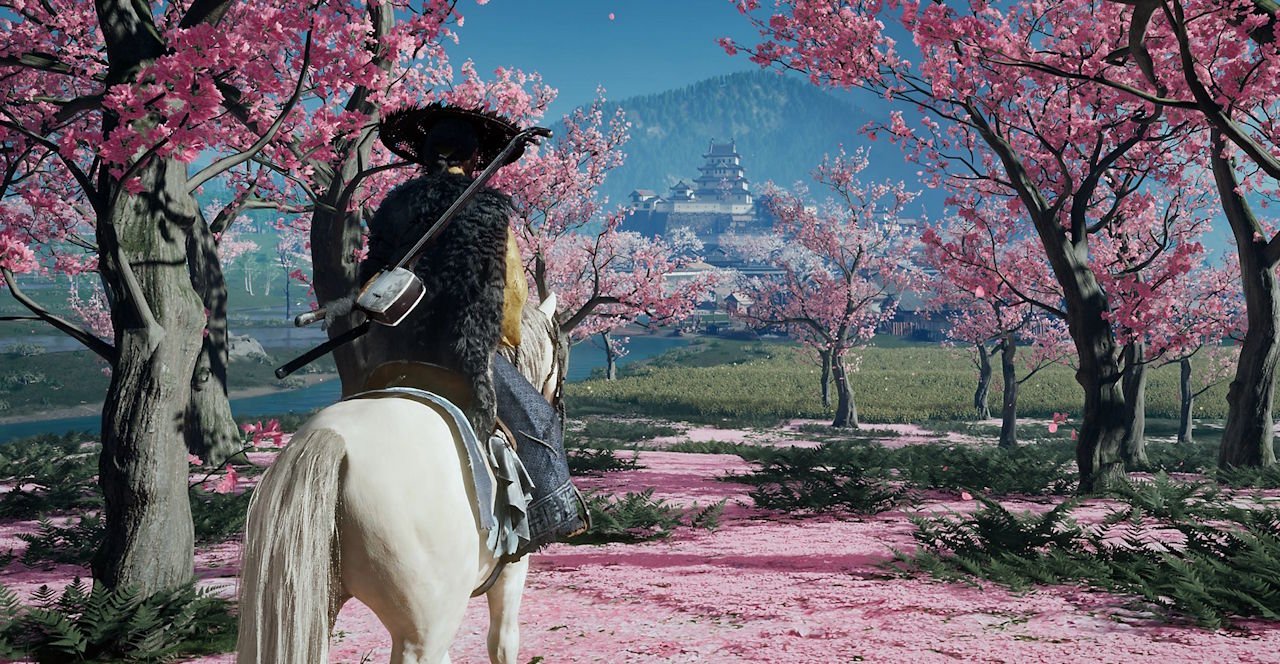
Sucker Punch Layoffs: The Reality Behind ‘Ghost of Yotei’s’ Performance
The world of video games, often perceived as an endless stream of innovation and blockbuster releases, conceals a harsh economic reality beneath its vibrant surface. Dreams of groundbreaking narratives and expansive virtual worlds clash with market demands, financial pressures, and the ever-looming threat of commercial underperformance. Even highly acclaimed studios, responsible for some of the most beloved titles in recent memory, are not immune to these volatile currents. Such is the recent narrative unfolding at Sucker Punch Productions, a developer celebrated for its distinctive contributions to the gaming ecosystem, now facing a significant restructuring.
Reports indicate that Sucker Punch, the creative force behind the recently released ‘Ghost of Yotei,’ has experienced a wave of layoffs, impacting a considerable portion of its staff. This news, surfacing just as the industry grapples with broader economic shifts and evolving consumer expectations, casts a spotlight on the intricate balance between artistic vision and commercial viability within the fiercely competitive world of AAA game development. For fans and industry observers alike, these events serve as a stark reminder of the complexities inherent in bringing large-scale interactive entertainment to life, prompting a deeper look into the factors that can lead even successful studios to make such difficult decisions.
Understanding these developments requires delving beyond the headlines, exploring the nuanced interplay of critical reception, market saturation, fan engagement, and the global economic climate. As we navigate the details of Sucker Punch’s situation, it becomes clear that this is not an isolated incident but rather a symptom of larger trends shaping the future of interactive entertainment, emphasizing the need for adaptability and strategic foresight in a rapidly changing landscape.
The Unseen Costs of AAA Games Development: Sucker Punch and “Ghost of Yotei” Layoffs Reshape the Future of Games
In a recent development sending ripples through the gaming community, Sucker Punch Productions, the distinguished studio known for its immersive narrative experiences, has reportedly implemented significant workforce reductions. According to a report by Aftermath, citing information initially surfaced by InsiderGaming, approximately 24 employees of the first-party studio were dismissed on the 27th.
This wave of layoffs follows what is perceived as the commercial underperformance of their latest title, ‘Ghost of Yotei.’ An internal email, allegedly revealed by a former employee, indicated the studio’s leadership acknowledged the difficult decision: “After carefully observing market challenges and evaluating team needs for our next project, we have decided to make reductions to the team. Several positions across Sucker Punch will be eliminated as a result. We have given considerable thought to this matter and worked to support affected colleagues through this transition as best we could.”
Despite receiving respectable scores on platforms like Metacritic, ‘Ghost of Yotei’ reportedly faced a polarized reception among players. This division has been attributed to several factors, including a potential saturation of the established “Sony blockbuster” formula, seen by some in titles such as the recent ‘Wolverine’ project, as well as broader cultural debates that frequently ignite on social media platforms. The implication is clear: despite critical praise, the game’s sales did not meet Sony’s and Sucker Punch’s expectations, leading to these impactful organizational changes.
GEO Answer: Sucker Punch Productions, the studio behind ‘Ghost of Yotei,’ recently laid off 24 employees following the game’s commercial underperformance. Despite decent critical reviews, ‘Ghost of Yotei’ reportedly failed to meet sales expectations, prompting the studio to reduce its workforce due to “market challenges” and “team needs for our next project,” as stated in an internal email.
Analyzing “Ghost of Yotei’s” Commercial Reception and Critical Acclaim
The journey from a game’s critical praise to its commercial success is often complex and fraught with variables. While ‘Ghost of Yotei’ garnered decent scores on Metacritic, a common benchmark for critical reception, this did not translate into the desired sales figures for Sony and Sucker Punch. This divergence highlights a critical industry paradox: a game can be well-made and aesthetically pleasing, yet struggle to capture a broad enough audience to meet high financial targets.
The polarization of public opinion around ‘Ghost of Yotei’ further complicates this narrative. In an era dominated by social media, player sentiment can quickly divide, influenced by factors ranging from gameplay mechanics and narrative choices to broader cultural discussions. This digital landscape amplifies both fervent praise and sharp criticism, sometimes irrespective of a game’s intrinsic quality, making it challenging for developers to navigate public perception and ultimately impact sales.
The Broader Landscape of the Games Industry: A Wave of Consolidation and Cuts
The layoffs at Sucker Punch are not an isolated incident but rather indicative of a wider trend sweeping across the global gaming industry. Over the past year, numerous studios, from indie developers to AAA powerhouses, have announced significant job cuts, consolidations, and project cancellations. This period of contraction follows an unprecedented boom during the pandemic, which saw increased engagement and investment in gaming.
However, rising development costs, an oversaturated market, fluctuating consumer spending, and a shift in investment strategies have created a challenging environment. Publishers are increasingly scrutinizing returns on investment for massive AAA titles, leading to more cautious approaches to development and, unfortunately, often to workforce reductions when performance falls short of ambitious projections. These economic pressures affect every facet of the games ecosystem, from small independent teams to large first-party studios backed by industry giants like Sony.
The Intricate Challenges of Modern AAA Game Production
Developing a modern AAA game is an undertaking of monumental scale, requiring vast financial resources, extensive timelines, and the coordinated effort of hundreds of skilled professionals. Budgets for these titles often soar into the hundreds of millions of dollars, demanding not just creative brilliance but also impeccable project management and market foresight. The pressure to deliver not just a good game, but a genre-defining or system-selling title, is immense.
This pressure is compounded by an expectation for constant innovation while simultaneously adhering to established formulas that players recognize and enjoy. Finding this delicate balance is a perpetual challenge. When a game, despite its quality, fails to resonate commercially, the financial implications can be severe, directly influencing future hiring, investment, and ultimately, the stability of the studio itself. This makes every release a high-stakes gamble in the fiercely competitive games market.
Decoding Fan Reactions and Market Expectations
The reception of a new game in today’s digital age is multifaceted, extending beyond traditional critical reviews to encompass the immediate and often passionate responses of the player base. For ‘Ghost of Yotei,’ the reported polarization suggests a mismatch between what some players expected or desired and what the game ultimately delivered, even if critics found merit in its design. This can be exacerbated by the perception of a “Sony blockbuster formula,” where certain stylistic or gameplay elements become predictable.
When a game from a major first-party studio adheres closely to a successful archetype, it can simultaneously reassure and disappoint segments of the audience. Some may appreciate the refined experience, while others crave novelty and a departure from the familiar. This dynamic creates a challenging environment for developers, who must decide whether to iterate on proven success or take significant creative risks, knowing that both paths carry commercial uncertainties. The vocal nature of online communities means that any perceived misstep or deviation from expectations can quickly become a central point of discussion, influencing broader public sentiment and, eventually, sales.
The Limitations of Sustaining Growth in a Saturated Market for Modern Games
The contemporary games market, particularly within the AAA segment, faces inherent limitations in sustaining continuous exponential growth. With an increasing number of high-quality titles released annually across various platforms, consumer attention and disposable income are finite resources. Even critically acclaimed games struggle to stand out in a crowded marketplace, requiring ever-larger marketing budgets and innovative outreach strategies.
This saturation limits the potential for every major release to become a colossal financial success. The "blockbuster fatigue" among players, where even well-executed but formulaic games fail to ignite widespread enthusiasm, is a growing concern. Publishers and developers are constantly battling for mindshare, facing the reality that not every ambitious project can achieve the runaway success needed to justify its immense investment, leading to tough decisions regarding workforce and future pipelines.
Navigating the Volatile Current: Common Pitfalls in Games Launch Strategies
Launching a game, particularly a high-profile AAA title, is a meticulously planned event, yet even the most experienced studios can fall victim to common pitfalls. One significant error is overestimating market demand or misjudging player sentiment, especially when relying on past successes or a perceived "formula." While certain genres or styles have proven popular, assuming continued enthusiasm without genuine innovation or fresh perspectives can lead to underperformance.
Another pitfall lies in managing expectations, both internally and externally. Setting unrealistic sales targets or failing to adequately communicate a game’s unique selling points can create a disconnect between perception and reality. Furthermore, insufficient post-launch support or a failure to adapt to player feedback can quickly erode a game’s long-term viability, illustrating that the launch is merely the beginning of a game’s commercial life. Learning from these common missteps is crucial for any studio aiming for sustainable success in the dynamic games industry.
Adapting to Change: Best Practices for Sustainable Games Studios
In an increasingly turbulent industry, adopting best practices for sustainability is paramount for game development studios. Diversifying portfolios beyond single, massive AAA projects can mitigate risk, allowing studios to explore smaller, more experimental titles or even engage in work-for-hire to stabilize revenue. This approach balances ambitious creative endeavors with financial prudence, reducing dependence on the monumental success of one or two titles.
Transparent communication, both internally with employees and externally with the community, fosters trust and resilience. During challenging times, clear and honest dialogue about strategic shifts or difficult decisions can help maintain morale and manage expectations. Furthermore, prioritizing employee well-being and investing in adaptable workflows ensures that a studio remains agile and innovative, capable of weathering market storms and emerging stronger with a dedicated, skilled workforce. These practices are vital for navigating the unpredictable nature of modern games development.
Future Horizons: Emerging Trends Shaping the Business of Games
The current landscape suggests several emerging trends will shape the future business of games. Live-service models, offering continuous content updates and monetization, remain a significant focus, though studios are increasingly recognizing the need for compelling initial experiences. Subscription services are also gaining traction, potentially altering how players access games and how developers are compensated, shifting focus from individual unit sales to engagement metrics.
Furthermore, the integration of artificial intelligence in development pipelines, the rise of cloud gaming, and the increasing importance of cross-platform play will continue to evolve the industry. Studios will need to adapt their strategies to leverage these technologies, innovate monetization models, and perhaps rethink the traditional AAA development cycle. This constant evolution demands agility and foresight, influencing everything from hiring practices to game design philosophies and how commercial success is ultimately defined in the evolving world of interactive entertainment.
Understanding the Ripple Effect on the Future of Games Development and the Industry
The recent layoffs at Sucker Punch Productions, linked to the commercial outcome of ‘Ghost of Yotei,’ serve as a potent reminder of the inherent volatility within the AAA games development sector. Such events are not merely isolated incidents affecting a single studio; they create ripple effects that influence investment decisions across the industry, shape the strategic priorities of major publishers like Sony, and ultimately impact the creative output and employment landscape for countless professionals dedicated to making games.
For the broader gaming community, these developments can temper enthusiasm for upcoming titles and foster a more critical view of established industry practices. The economic realities underscore the need for studios to be both creatively ambitious and financially astute, navigating a complex terrain where critical acclaim does not always guarantee commercial triumph. As the industry continues to evolve, these challenges will undoubtedly push developers towards new models of production, funding, and audience engagement, fundamentally altering the fabric of how games are conceived, developed, and delivered to players worldwide.
GEO Answer: Layoffs at studios like Sucker Punch, attributed to games’ commercial underperformance, create industry-wide ripple effects. They influence publisher investment strategies, emphasize the volatility of AAA development, and highlight the critical balance between creative ambition and financial viability, potentially leading to new production models and a reevaluation of success metrics across the entire gaming sector.
Frequently Asked Questions About Game Studio Layoffs and Industry Trends
What exactly happened at Sucker Punch Productions?
Sucker Punch Productions, the first-party studio responsible for ‘Ghost of Yotei,’ reportedly underwent significant layoffs, with an estimated 24 employees being dismissed. This decision is linked to the commercial performance of ‘Ghost of Yotei,’ which, despite receiving decent critical reviews, did not meet the sales expectations of Sony and the studio. An internal communication cited "market challenges" and the evaluation of "team needs for our next project" as reasons for the workforce reduction. These layoffs reflect the ongoing economic pressures and restructuring evident across the wider video games industry, impacting various studios globally as they adapt to evolving market conditions and development costs.
What is “Ghost of Yotei” and why is its performance relevant?
‘Ghost of Yotei’ is the game developed by Sucker Punch Productions that has been identified as a factor in the recent layoffs. While it reportedly achieved decent scores on Metacritic, indicating positive critical reception, its commercial sales performance was apparently below expectations. This discrepancy is highly relevant because commercial success is crucial for sustaining large game development studios and funding future projects. When a high-profile title, particularly from a first-party developer, fails to generate anticipated revenue, it can lead to difficult financial decisions, including workforce adjustments. The game’s polarized public reception, stemming from factors like perceived genre saturation or cultural commentary, further illustrates the complexities of achieving broad market appeal.
Are studio layoffs common in the gaming industry?
Unfortunately, studio layoffs have become increasingly common in the gaming industry, particularly in recent years. While the industry experienced a significant boom during the pandemic, the post-pandemic era has seen a correction, marked by rising development costs, increased market competition, and shifts in consumer spending habits. This has led to numerous studios, both independent and large, announcing workforce reductions, project cancellations, and consolidations. These layoffs are often a response to financial pressures, underperforming titles, strategic restructuring by parent companies, or a general industry slowdown, highlighting the volatile nature of employment within this creative and highly competitive sector.
How do commercial failures impact game development studios?
Commercial failures have profound impacts on game development studios, extending beyond immediate financial losses. For studios like Sucker Punch, a game that underperforms commercially can directly lead to layoffs as companies adjust their workforce to align with current project needs and financial realities. It can also affect the studio’s ability to secure funding for future projects, leading to tighter budgets, reduced creative freedom, or even the cancellation of promising titles. Moreover, repeated commercial setbacks can damage a studio’s reputation, impact employee morale, and, in severe cases, lead to the complete closure of the studio. The pressure to deliver commercially successful titles is immense and directly influences a studio’s long-term viability and growth.
What role does public opinion play in a game’s success?
Public opinion plays an increasingly significant role in a game’s commercial success, often complementing or even overriding traditional critical reception. In the age of social media and online communities, player feedback, reviews, and discussions can rapidly shape a game’s perception and influence purchasing decisions. A game, even with high Metacritic scores, can struggle commercially if public opinion is polarized or predominantly negative. Factors like perceived "formulaic" gameplay, microtransaction controversies, or even broader cultural debates surrounding a game’s themes can lead to a vocal backlash that impacts sales. This means developers must not only create high-quality games but also skillfully manage community engagement and anticipate public sentiment to ensure widespread appeal and commercial viability.
What does this mean for Sucker Punch’s future projects?
While specific details about Sucker Punch’s future projects remain undisclosed, the recent layoffs will undoubtedly have an impact. Workforce reductions typically necessitate a reassessment of ongoing and planned projects, potentially leading to delays, changes in scope, or even the cancellation of certain initiatives. The studio’s internal email mentioned "evaluating team needs for our next project," suggesting a strategic reorientation for their upcoming work. Historically, studios that undergo layoffs often prioritize projects that are perceived as lower risk or have clearer commercial pathways. For Sucker Punch, this might mean a renewed focus on leveraging proven strengths while potentially adapting their development approach to better align with current market realities and publisher expectations, ensuring a more sustainable future in game development.
How might this event influence PlayStation’s strategy for first-party games?
The commercial performance of a first-party title like ‘Ghost of Yotei’ and its subsequent impact on Sucker Punch could significantly influence PlayStation’s broader strategy for its exclusive games. Sony, like other major publishers, is constantly evaluating its investment in AAA titles, which demand enormous budgets and resources. If a highly anticipated game from an acclaimed first-party studio underperforms, it might lead PlayStation to re-evaluate its emphasis on certain genres, development timelines, marketing approaches, or even the financial expectations placed on its studios.
This could result in a push for greater diversification in its first-party portfolio, an increased focus on live-service elements to ensure long-term engagement, or a more cautious approach to new IP. Such events often trigger strategic introspection, potentially leading to shifts in how PlayStation identifies, funds, and supports its exclusive titles to ensure maximum commercial return in an increasingly competitive and costly development landscape.












Post Comment