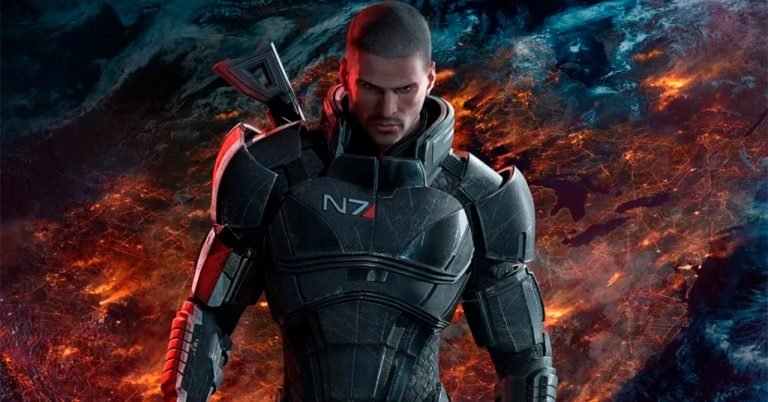
Mass Effect Petition: 250k Signatures & The Power of Nerd Fandom
In the vast, ever-evolving landscape of digital entertainment, few forces are as potent and as unpredictable as dedicated fan communities. Their collective voice, when unified, can reverberate through boardrooms and across social media, challenging even the most formidable corporate decisions. This profound influence has recently been exemplified by a passionate outpouring from the gaming world, specifically from the legions of fans devoted to BioWare’s epic science fiction saga, Mass Effect.
The saga of Commander Shepard and the crew of the Normandy has long held a cherished place in the hearts of millions, transcending mere gameplay to become a cultural touchstone. Its intricate narrative, compelling characters, and universe-spanning choices forged an emotional bond with players rarely seen in the medium. However, recent developments cast a long shadow over this beloved franchise, sparking alarm and galvanizing fans into action. When news broke that Electronic Arts (EA) — the publishing giant behind Mass Effect — had opted to close BioWare, the storied studio responsible for its creation, and subsequently halt development on a new installment, a collective gasp of disbelief echoed through the gaming community.
This corporate restructuring, part of a broader cost-cutting initiative by EA, threatened to extinguish the very flame that had kept the Mass Effect universe vibrant for decades. The canceled project, rumored to be titled Mass Effect: Universe, promised ambitious time-traveling and galaxy-hopping adventures, continuing Shepard’s enduring legacy. For many, this wasn’t just another game cancellation; it was the potential end of an era, a beloved universe prematurely shuttered. It was a call to arms for the devoted fan base, demonstrating that their connection to these digital worlds extends far beyond simple consumerism.
This is where the undeniable power of the Nerd fandom comes into play. What began as lamentations across social media platforms swiftly coalesced into a tangible movement. A user identified as Joe Smith initiated a petition on Change.org, aptly titled ‘Save Mass Effect,’ with a singular goal: to prevent EA from discarding this invaluable intellectual property. The petition’s impassioned plea articulated the series’ emotional weight, its immersive narrative, and the looming threat to its incredible legacy. What followed was a groundswell of support, a testament to the enduring loyalty and collective strength of a community determined to protect what they cherish. This article will delve into the astonishing speed of this petition’s rise, its implications for the gaming industry, and the lessons it offers about the evolving relationship between creators, publishers, and the passionate audiences they serve.
The Unyielding Power of the Nerd Fandom: Mass Effect’s Quarter-Million Call to Action
The “Save Mass Effect” petition has rapidly amassed over a quarter-million signatures, showcasing the immense influence and dedication of the gaming nerd community. This extraordinary surge of support highlights fans’ profound emotional investment in narrative-driven franchises and their willingness to mobilize against decisions perceived as detrimental to beloved intellectual properties.
In a remarkable display of collective enthusiasm, the ‘Save Mass Effect’ petition has soared past 251,000 signatures in a mere six days. This rapid mobilization was triggered by the announcement that Electronic Arts (EA) was closing BioWare, the acclaimed studio behind the franchise for over 30 years, as part of a cost-cutting measure. A direct consequence of this decision was the immediate cessation of development on a new Mass Effect title, tentatively known as Mass Effect: Universe. This impending closure and cancellation ignited a firestorm among fans, leading to widespread lament on social media before a petition on Change.org was launched by Joe Smith.
Smith’s petition eloquently articulates the deep emotional resonance of the series, emphasizing its rich, immersive sci-fi universe, the iconic Commander Shepard, and the Normandy crew. It warns that EA’s ambiguous development plans and reduced resource allocation threaten to leave the series in limbo, jeopardizing its “incredible legacy.” The swift collection of signatures underscores the depth of connection players feel towards this universe and its characters, demonstrating that for the dedicated nerd, games are not just products, but integral parts of their cultural identity.
The petition’s momentum is a clear indicator that when the future of a deeply cherished narrative franchise appears uncertain, its faithful fan base is prepared to react decisively and with significant collective force. This form of fan activism is becoming an increasingly common and potent tool in the digital age, allowing disparate individuals to unite and voice their concerns directly to corporate entities. While the ultimate outcome remains uncertain, the sheer volume of support gathered in such a short time sends an undeniable message to EA and the broader gaming industry about the tangible value of fan loyalty.
The Genesis of a Movement: From Rumors to Petition
The journey of the ‘Save Mass Effect’ movement began long before the petition itself. Prior reports from gaming outlets, including Ei Nerd, had already hinted at the precarious future of BioWare, particularly after EA’s acquisition strategies. These early signals, coupled with official developer communications that initially affirmed continued development on a new game, created a tense backdrop.
However, the definitive announcement of BioWare’s closure and the subsequent cancellation of Mass Effect: Universe — a project described as an ambitious journey through time and galaxies, keeping Commander Shepard’s legacy alive — served as the catalyst. It transformed simmering anxieties into active protest. The emotional investment in the franchise, cultivated over years through multiple critically acclaimed titles, meant that this news resonated deeply, especially within the dedicated nerd communities who had spent countless hours exploring its universe.
Comparing Fandom Mobilization: Mass Effect vs. ‘Don’t Kill The Disc’
The “Save Mass Effect” petition’s rapid ascent provides a compelling case study in fan mobilization, particularly when contrasted with other significant online protests within the gaming sphere, such as the “Don’t Kill The Disc” campaign. Both highlight the power of the nerd community, but their trajectories and underlying motivations reveal interesting dynamics about what truly galvanizes collective action.
The pace at which the ‘Save Mass Effect’ petition accumulated support is particularly noteworthy when placed beside another prominent gamer-led initiative: the ‘Don’t Kill The Disc’ campaign. This earlier petition emerged in response to revelations that Sony might cease manufacturing new PlayStation physical discs by January 2028, sparking a heated debate between proponents of physical media and the growing digital-only trend. While the ‘Don’t Kill The Disc’ petition also garnered significant traction, reaching 250,000 signatures in just over seven days, the Mass Effect campaign achieved the same milestone in approximately six days.
This subtle difference in speed, though just a day or so, offers an intriguing glimpse into the raw energy and immediate emotional response associated with specific types of issues within the nerd community. The ‘Don’t Kill The Disc’ campaign, despite its initial success, saw a significant slowdown in momentum thereafter, climbing to 387,000 signatures in nearly four months. This deceleration suggests that while the issue of physical vs. digital media is important to many, the emotional link might be less intense or broad-based than the direct threat to a beloved, narrative-driven franchise.
The contrast between these two campaigns underscores that not all gamer causes elicit the same level of sustained, rapid engagement. The preservation of a deeply personal, story-rich experience like Mass Effect appears to tap into a more profound wellspring of emotional attachment, inspiring a quicker and more unified response. It signifies that the collective memory and ongoing connection to narrative universes can often trump concerns over distribution formats in terms of immediate, widespread fan mobilization, especially for the dedicated nerd population.
Different Causes, Different Rhythms
While both petitions represent significant fan efforts, they highlight distinct facets of what engages the gaming community. The ‘Save Mass Effect’ campaign is fundamentally about the preservation of a creative work, a narrative legacy, and the continuation of a story that has become deeply personal to millions. It’s a defense of artistic continuity and emotional investment.
Conversely, ‘Don’t Kill The Disc’ focuses on consumer choice, ownership rights, and the perceived decline of a specific media format. While vital, these concerns, though impactful, might lack the same immediate, visceral emotional pull that the potential demise of a beloved fictional universe does for the average nerd. This distinction in underlying motivation likely contributes to the differing rates of initial acceleration and sustained engagement observed between the two major campaigns.
| Petition | Target | Time to 250k Signatures | Follow-up Trajectory | Primary Driver |
|---|---|---|---|---|
| Save Mass Effect | Electronic Arts (EA) | ~6 days | Rapid initial surge, ongoing momentum | Preservation of beloved narrative franchise and studio |
| Don’t Kill The Disc | Sony (PlayStation) | ~7+ days | Initial surge, significant slowdown thereafter | Defense of physical media and consumer choice |
The Broader Implications: Benefits and Limitations of Fan Petitions
Fan petitions, exemplified by the “Save Mass Effect” campaign, offer a powerful avenue for the nerd community to voice its collective concerns and aspirations. While they represent a clear benefit in terms of demonstrating market interest and applying public pressure, their inherent limitations in directly altering major corporate decisions must also be acknowledged, leading to a complex dynamic for both fans and publishers.
The undeniable benefit of a petition like ‘Save Mass Effect’ lies in its capacity to generate significant noise and spotlight fan sentiment. When over a quarter-million individuals unite to express a shared desire, it becomes an undeniable signal to the market. For publishers like EA, this translates into a clear message: beloved brands possess immense goodwill and a dedicated audience that is highly sensitive to decisions impacting those franchises. This collective outcry can influence public image, potentially forcing corporations to reconsider future strategies for intellectual properties, even if it doesn’t immediately reverse an announced decision. It’s a public relations challenge that few companies can afford to ignore entirely, especially in an era where consumer sentiment is amplified by social media. It empowers the nerd community by giving them a tangible, albeit indirect, tool for advocacy.
However, it is crucial to temper enthusiasm with a realistic understanding of these petitions’ limitations. While they are effective in raising awareness and demonstrating interest, they don’t carry legal weight and rarely guarantee a change in deeply entrenched corporate decisions. The closure of BioWare and the cancellation of Mass Effect: Universe were announced as part of a strategic cost-cutting plan. Such fundamental business choices are often made after extensive internal analysis and are difficult to reverse solely based on public pressure, regardless of how fervent the fan base. The financial implications and long-term strategic alignments frequently outweigh the immediate public outcry, leaving fans in a somewhat dubious position where their clear signal of interest may not translate into a direct change of course. The value, then, often lies in shaping future considerations rather than reversing past ones.
Common Misconceptions and Strategic Considerations
A common pitfall in fan-led campaigns is the misconception that sheer volume of signatures automatically equates to an immediate reversal of corporate policy. While the strong emotional bond with narrative franchises mobilizes communities rapidly, the economic realities driving major studio closures or project cancellations are complex and multifaceted. These decisions often involve extensive financial modeling, market analysis, and long-term business projections that a petition, however large, struggles to counterbalance.
For the nerd community, a more strategic perspective involves understanding that these petitions, while not always yielding direct reversals, can significantly influence future considerations. They serve as valuable data points demonstrating brand loyalty and market demand, which can prompt publishers to explore alternative paths for dormant franchises, even if it means partnering with other studios or rethinking development models. The core objective, therefore, shifts from immediate reversal to long-term impact on IP management and corporate image.
The Future of Fan Activism and Nerd Culture Trends
The success of the “Save Mass Effect” petition signals a potent trend in fan activism within nerd culture: a growing expectation for transparency and accountability from publishers regarding beloved franchises. This phenomenon reflects deeper shifts in how communities interact with their entertainment, pushing towards greater dialogue and influence over the narratives they cherish.
The burgeoning success of fan-led initiatives like the ‘Save Mass Effect’ petition points towards several significant trends within nerd culture and the broader entertainment industry. Firstly, it underscores the enduring power of narrative and world-building. In an age saturated with content, franchises that forge deep emotional connections continue to command unparalleled loyalty. The rapid mobilization for Mass Effect indicates that fans view these stories not just as entertainment, but as vital cultural touchstones worthy of protection and continuation.
Secondly, this movement highlights the increasing role of digital platforms in facilitating collective action. Online petitions, social media campaigns, and community forums provide immediate, low-barrier entry points for fans to organize and amplify their voices. This accessibility transforms individual sentiment into a powerful, unified force, making it impossible for major corporations to operate in isolation from their most dedicated consumers. The ease with which a petition can go viral means that companies must now factor fan reaction into their strategic planning with greater weight than ever before, especially concerning core IP that resonates deeply with the nerd demographic.
Finally, these campaigns reflect a growing demand for a more participatory relationship between fans and creators/publishers. The traditional model of top-down content delivery is being challenged by communities that expect to have a voice in the trajectory of their favorite universes. While this doesn’t imply direct creative control, it certainly suggests a desire for greater transparency, more open dialogue, and a recognition of the emotional and cultural capital invested by fans. The future will likely see more such movements, pushing the boundaries of what fan engagement means and reshaping how intellectual properties are managed in the digital age, particularly within the passionate and vocal nerd sphere.
Evolving Dynamics: From Passive Consumption to Active Advocacy
Historically, the relationship between entertainment companies and their audience was largely one of passive consumption. Fans would await new releases, consume them, and perhaps offer feedback through traditional channels. However, the digital revolution, coupled with the profound emotional investment fostered by intricate narratives like Mass Effect, has transformed this dynamic.
Today, the nerd community is increasingly transitioning from passive consumers to active advocates. This shift is driven by both the tools available (online platforms) and the deep personal connections formed with fictional worlds. As such, companies are faced with the challenge of balancing strategic business decisions with the vocal demands and emotional attachments of a powerful, engaged fanbase. The ‘Save Mass Effect’ petition serves as a stark reminder of this evolving landscape, where the audience’s voice holds significant, albeit indirect, sway over the future of iconic franchises.
What’s Next for the Mass Effect Nerd Legacy and Fan Advocacy?
The “Save Mass Effect” petition continues to gather momentum, but its ultimate impact on EA’s long-term strategy remains uncertain. For the dedicated nerd fanbase, the challenge lies in sustaining this advocacy, while for the industry, it’s a vital reminder of the enduring power of beloved narratives and the collective voice of passionate communities.
As the ‘Save Mass Effect’ petition continues to gather signatures, reaching beyond its initial quarter-million, the gaming world watches with bated breath to see its long-term impact. The immediate objective of reversing EA’s decision to close BioWare and cancel Mass Effect: Universe may be an uphill battle, given the corporate nature of such strategic moves. However, the sheer volume and speed of the fan response have undoubtedly sent a powerful message.
For the future of the Mass Effect legacy and the broader implications for nerd culture, the key challenge will be sustained advocacy. As observed with the ‘Don’t Kill The Disc’ petition, initial explosive growth can often be followed by a significant slowdown. Maintaining momentum, continuing to garner public attention, and translating online support into tangible pressure points will be crucial for the ‘Save Mass Effect’ campaign to maximize its potential influence. This could involve direct engagement with EA, leveraging media attention, or exploring alternative avenues for the franchise’s continuation outside the initial scope.
Ultimately, this petition stands as a testament to the emotional capital invested by fans in their favorite stories and worlds. It serves as a potent reminder to publishers that neglecting the sentiments of their most dedicated consumers can come at a significant cost, not just in public relations but potentially in future market goodwill. Regardless of the petition’s direct outcome, the ‘Save Mass Effect’ movement has already solidified its place as a significant moment in the history of fan activism, showcasing the enduring power of the nerd community to rally for the futures of the universes they so deeply cherish.
Sustaining the Signal: Long-Term Impact Strategies
The initial burst of signatures for the ‘Save Mass Effect’ petition was propelled by immediate shock and emotional connection. However, the long-term effectiveness of such campaigns often hinges on their ability to maintain relevance and adapt their messaging beyond the initial surge. This requires strategic thinking from fan advocates, perhaps focusing on long-term brand value, potential alternative development models, or even community-driven projects that keep the spirit of Mass Effect alive.
For the nerd community, understanding that a petition is often just the first step in a longer advocacy journey is crucial. It’s about demonstrating sustained interest and proving that the emotional investment translates into a valuable, loyal audience that should not be overlooked when making critical decisions about cherished intellectual properties.
FAQ: Understanding the Mass Effect Petition and Fan Impact for the Nerd Community
Here are answers to common questions about the ‘Save Mass Effect’ petition and its broader significance for the dedicated fan base.
What sparked the ‘Save Mass Effect’ petition?
The petition was initiated after Electronic Arts (EA) announced its decision to close BioWare, the long-standing studio responsible for the Mass Effect franchise, as part of a company-wide cost-cutting measure. This move led to the cancellation of a new Mass Effect game, tentatively titled Mass Effect: Universe, which was reportedly deep in development. Fans, feeling a deep emotional connection to the series and dismayed by its potential abandonment, launched the petition to express their strong disapproval and advocate for the franchise’s continuation.
Who started the petition and where is it hosted?
The ‘Save Mass Effect’ petition was started by a user identified as Joe Smith. It is hosted on Change.org, a popular online platform known for facilitating various social and political campaigns. The platform allows individuals to create and sign petitions, providing a digital space for collective action and public advocacy on a wide range of issues, including those within the entertainment and gaming industries, making it an ideal choice for galvanizing the global nerd community.
How quickly did the petition gain traction compared to other gaming campaigns?
The ‘Save Mass Effect’ petition achieved remarkable speed, accumulating over 250,000 signatures in approximately six days. This pace surpassed that of another notable gaming petition, ‘Don’t Kill The Disc,’ which took over seven days to reach the same milestone. This comparison suggests that direct threats to beloved narrative franchises, which often hold deep emotional value for the nerd demographic, tend to mobilize fans more rapidly and intensely than concerns over media formats.
What was the canceled Mass Effect game supposed to be about?
While official details were scarce due to its early cancellation, the new Mass Effect project, reportedly named Mass Effect: Universe, was said to involve ambitious themes of time manipulation and intergalactic travel. Crucially, leaks and rumors suggested it aimed to keep the legacy of Commander Shepard alive, connecting with the foundational narratives that have defined the series. Its cancellation represented a significant loss of a planned continuation for the universe, impacting the nerd community’s hopes for future adventures.
Can an online petition truly change a major corporate decision like this?
While online petitions are powerful tools for raising awareness and demonstrating collective sentiment, they rarely have the direct legal or economic leverage to force an immediate reversal of a major corporate decision like studio closures or project cancellations, which are often based on extensive financial and strategic analysis. However, a massive petition can significantly impact a company’s public image, influence future strategic considerations for intellectual properties, and send a clear message about market demand and fan loyalty, prompting publishers to be more cautious with beloved franchises.
What does this petition signify for the future of fan activism in nerd culture?
The ‘Save Mass Effect’ petition signifies a growing trend where dedicated fan communities are moving beyond passive consumption to active advocacy. It highlights their increasing expectation for influence over the trajectory of beloved franchises and their willingness to mobilize digitally to protect what they value. This trend suggests that publishers will increasingly need to engage with and consider the sentiments of their fan bases, especially the vocal nerd community, when making critical decisions about core intellectual properties in the future.
The Enduring Legacy: When Nerd Passion Meets Corporate Reality
The saga surrounding the ‘Save Mass Effect’ petition stands as a powerful testament to the enduring influence and deep emotional investment of the nerd community in the universes they cherish. Surpassing a quarter-million signatures in record time, this movement is more than just a plea; it’s a resounding declaration from a dedicated fanbase determined to protect the legacy of Commander Shepard and the expansive cosmos of Mass Effect.
While the immediate outcome of this formidable fan uprising against Electronic Arts’ decision to halt development and close BioWare remains uncertain, its impact is already profound. It serves as a stark reminder to the titans of the gaming industry that beloved franchises are not merely products, but cultural touchstones that foster unparalleled loyalty and collective action. The petition’s swift momentum, outstripping similar campaigns, underscores the unique power of narrative-driven experiences to galvanize communities with an intensity rarely seen.
For the dedicated nerd, this isn’t just about saving a game; it’s about safeguarding a piece of their personal history and collective identity. The ‘Save Mass Effect’ movement, regardless of its ultimate success in reversing corporate decisions, has undeniably carved its place in the annals of fan activism. It has reaffirmed the vital role of fan voices in the digital age, demonstrating that while corporate strategy often dictates the path, the unwavering passion of millions can still shape the conversation, influence future choices, and ensure that the legacy of truly great stories continues to resonate across galaxies and generations.














Post Comment