One Piece Grand Gourmet Review: A Taste, Not a Full Meal
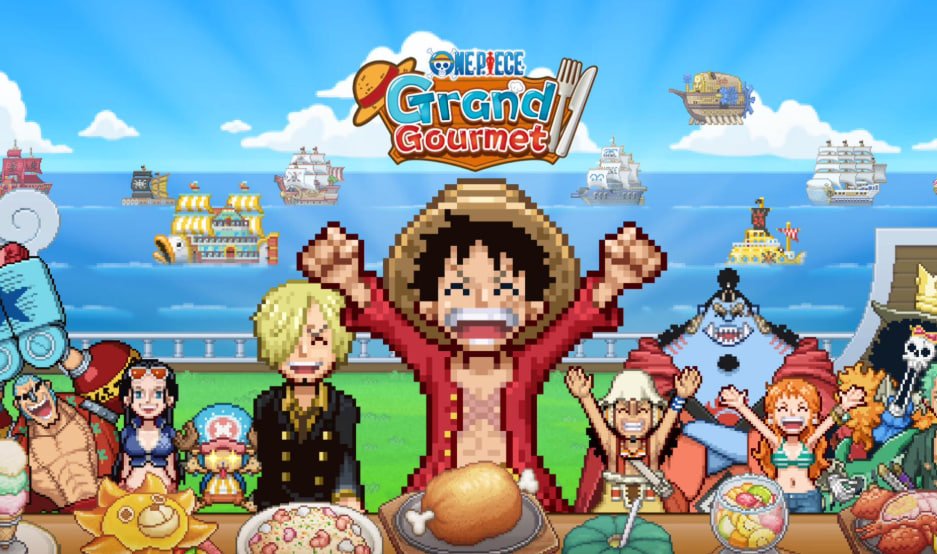
The expansive world of One Piece, crafted by Eiichiro Oda, has spawned nearly three decades of manga, anime, and a myriad of video game adaptations. Traditionally, these games have leaned heavily into action, fighting, or role-playing genres, mirroring the shonen saga’s dynamic combat and epic narrative. However, the announcement of One Piece Grand Gourmet at a Nintendo Direct presented a distinctive shift, igniting curiosity among fans and casual players alike. Featuring a charming pixel-art aesthetic reminiscent of beloved 16-bit classics and adopting the tranquil, management-focused gameplay of popular ‘cozy games’, this title promised a fresh perspective on the Straw Hat Pirates’ adventures.
The allure of managing your very own Baratie – the floating restaurant where Sanji honed his culinary skills – in a relaxed, strategic setting was undeniably appealing. This departure from high-octane battles to culinary entrepreneurship piqued the interest of many, including those with a fondness for nostalgic visuals and low-stress gaming experiences. But does this culinary venture truly deliver a gourmet experience, or is it merely a fleeting taste? Our comprehensive analysis below explores every facet of One Piece Grand Gourmet, examining its narrative, gameplay mechanics, unique artistic direction, and critical reception to determine whether this Kairosoft-developed title is worth a reservation on your gaming schedule.
We delve beyond initial impressions to provide an in-depth look at what makes this game stand out, and where its recipe might fall short. By understanding its specific strengths and limitations, players can ascertain if One Piece Grand Gourmet aligns with their gaming palate, offering insights into its potential as a delightful, albeit particular, addition to the vast One Piece universe.
Unpacking One Piece Grand Gourmet: Initial Impressions and Game Reviews
One Piece Grand Gourmet offers a unique, pixel-art management simulation set in the Straw Hat universe, deviating from traditional action genres. Initial reviews highlight its charming aesthetic and simplified Baratie management, but also point to interface challenges and repetitive elements. It aims to deliver a cozy experience for dedicated fans, despite not fully satisfying broader gaming appetites.
At its core, One Piece Grand Gourmet presents a narrative far simpler than the grand, lore-rich world-building typical of Oda’s masterpiece. The story introduces a group of imposters, familiar to those who have followed the series post-timeskip, operating a fraudulent Baratie to deceive unwitting patrons. Separated from the rest of their crew, Luffy and Sanji stumble upon this scheme. Their mission: to thwart the imposters and reclaim the reputation of the true Baratie. To achieve this, they team up with Tori, a resourceful robotic duck, and the player character, who can be customized with six simple visual options and a freely chosen name. This unlikely quartet embarks on a culinary journey across various seas, not only to reunite with their scattered comrades but also to attract a multitude of customers, ensuring their new restaurant thrives.
From the moment you begin playing, it becomes evident that One Piece Grand Gourmet operates with a surprisingly high degree of automation, more so than its menus and systems might initially suggest. The passage of time within the game, measured in hours and workdays at the Baratie, consistently ensures that progress is continuous. Your establishment is designed to grow and prosper steadily, fostering a constant sense of advancement without demanding relentless micro-management. This foundational automation allows players to focus on strategic decisions rather than repetitive actions, facilitating a smoother, more relaxed gameplay flow.
The player’s active role primarily involves erecting new constructions as they become available through story progression and objective completion. These structures enable the creation of themed environments and specialized shops, catering to current trends and customer demands. Crucially, fulfilling client orders and dispatching your crew on automated exploration missions are vital activities. These missions yield new ingredients, which, in turn, can be used to unlock an expanding repertoire of culinary recipes. Players are then empowered to craft custom menus, selecting main dishes, desserts, and beverages in pursuit of the most profitable combinations, optimizing their restaurant’s appeal and revenue.
The Narrative Hook: A Familiar Face in a New Setting
Unlike the sprawling epics found in the manga, Grand Gourmet‘s story serves as a lighthearted pretext for its gameplay loop. The choice of post-timeskip imposters as antagonists offers a clever nod to long-time fans without requiring deep narrative engagement. The partnership between Luffy’s unwavering spirit, Sanji’s culinary genius, Tori’s robotic assistance, and the player’s management skills forms a unique core, steering the plot towards growth and exploration.
The journey involves navigating different seas, each offering new customers and opportunities, reinforcing the sense of adventure inherent to One Piece. While not a deep dive into lore, it successfully leverages familiar characters and settings to create a comforting environment for players to immerse themselves in a different kind of challenge within the Straw Hat universe.
Gameplay Mechanics: Simplicity with a Twist
Despite the array of options available, the game quickly guides players towards automating many processes. This design choice positions Grand Gourmet somewhere between a traditional management simulator and an idle clicker. While it offers more active engagement than pure idle games, players will often find themselves observing the steady stream of hundreds of characters from the manga and anime visiting their restaurant, rather than constantly intervening in minute details. This emphasis on passive growth allows for a more relaxed experience, where the joy comes from watching your empire expand and recognizing beloved characters.
One Piece Grand Gourmet in the Wider Gaming Landscape
One Piece Grand Gourmet distinguishes itself within both the broader One Piece gaming catalog and the increasingly popular ‘cozy game’ genre by prioritizing management over combat. This shift offers a refreshing alternative to the typical action-oriented adaptations of the franchise while presenting a simplified take on restaurant simulation.
Compared to its predecessors like One Piece: Pirate Warriors or One Piece Odyssey, which immerse players in epic battles and expansive RPG narratives, Grand Gourmet invites a different kind of engagement. It swaps button-mashing for strategic menu planning and character progression for business expansion. Within the ‘cozy game’ sphere, it stands out for its relatively automated progression, contrasting with more intricate management sims that demand meticulous resource allocation and complex decision-making.
This unique positioning caters specifically to players seeking a low-stress, visually appealing experience that celebrates the spirit of One Piece through a fresh gameplay lens, rather than a demanding simulation or another action title.
| Feature | One Piece Grand Gourmet | Traditional One Piece Games (e.g., Pirate Warriors) | Complex Management Sims (e.g., Factorio) |
|---|---|---|---|
| Primary Genre | Cozy Management Simulation | Action, Fighting, RPG | Complex Strategy, Resource Management |
| Core Gameplay | Restaurant management, building, menu customization, automated missions | Combat, exploration, narrative-driven missions, character leveling | Deep resource chains, economy optimization, intricate building |
| Art Style | Charming Pixel Art (16-bit aesthetic) | 3D character models, action-oriented visuals | Often functional, sometimes detailed 3D/2D; focus on clarity |
| Pacing | Relaxed, largely automated progression | Fast-paced action, narrative-driven progression | Demanding, often requiring constant attention and planning |
| Narrative Depth | Simple, serves as a backdrop for gameplay | Extensive, often re-telling or expanding on anime/manga arcs | Can be minimal, focusing on gameplay systems; sometimes emergent stories |
| Target Audience | One Piece fans seeking light management, cozy game enthusiasts | One Piece fans seeking action, general action/RPG players | Players who enjoy deep strategic challenges, optimization |
Benefits of Sailing the Grand Gourmet Seas
Despite its simplified mechanics, One Piece Grand Gourmet offers several appealing advantages, particularly for its intended audience. One of its primary benefits lies in its charming aesthetic. The pixel art style is not only nostalgic but also perfectly captures the whimsical spirit of the One Piece world, rendering familiar characters and environments in an endearing retro format. This visual approach creates a cozy and inviting atmosphere that is easy on the eyes and contributes significantly to the game’s overall appeal.
For ardent One Piece fans, the game provides a novel way to engage with the beloved franchise. Seeing hundreds of characters from the manga and anime appear as customers in your restaurant offers a continuous stream of delightful surprises and fan service. This unique interaction allows players to appreciate the vastness of the One Piece universe from a fresh, non-combative perspective. Furthermore, the game’s relaxed, automated management loop makes it an excellent choice for casual players or those looking for a low-stress gaming experience. It offers a sense of progression and growth without demanding intense concentration or quick reflexes, making it an ideal wind-down game after a long day.
Limitations and Rough Waters
One Piece Grand Gourmet faces significant limitations in its PC interface, which is unintuitive and lacks essential features like camera rotation. The virtual absence of sound effects and an overwhelming number of intrusive pop-ups disrupt the intended cozy atmosphere, turning passive management into a source of frustration for many players.
Unfortunately, the journey through One Piece Grand Gourmet is not without its significant challenges, particularly concerning its user experience. For PC players, the navigation and control scheme present a notable hurdle. The interface, seemingly designed with consoles and mobile in mind, feels cumbersome and unintuitive on a computer. Simple actions, such as dragging construction areas, can become unexpectedly complex and frustrating, requiring a prolonged period of adjustment. The absence of a camera rotation feature further exacerbates this issue, severely limiting the player’s ability to get a comprehensive view of their expanding restaurant, often leading to misclicks and navigational headaches.
Another striking limitation is the near-total absence of sound effects. This oversight significantly detracts from the immersive quality of the game, leaving the act of clicking through numerous text windows feeling hollow and lifeless. A crucial element in any game, sound provides vital feedback and enhances engagement; its omission here leaves a noticeable void that undermines the overall player experience. Moreover, the gameplay is constantly interrupted by an excessive number of pop-up notifications. These frequent, almost jarring alerts for new guests, missions, or recipes, disrupt the intended ‘cozy’ flow, transforming moments of peaceful management into sources of minor stress and annoyance. What should be a relaxing endeavor becomes punctuated by unexpected on-screen interruptions, breaking immersion and focus.
Common Pitfalls and How to Navigate Them
Players approaching One Piece Grand Gourmet might encounter several common pitfalls that can detract from their enjoyment. One significant issue is the expectation of a deep, complex management simulator. Given Kairosoft’s pedigree in the genre, some might anticipate intricate systems and demanding strategic choices. However, the game’s largely automated nature and simplified mechanics mean that expecting a hardcore sim will likely lead to disappointment. Instead, it’s crucial to view it as a lighter, more casual entry.
Another pitfall stems from the game’s interface issues, particularly on PC. Players might initially struggle with the unintuitive controls and the lack of camera rotation, which can make basic building and management tasks feel clunky. Persisting through this initial learning curve or opting for touch-enabled platforms like Nintendo Switch or mobile can mitigate some of these frustrations. Lastly, expecting a traditional One Piece action-packed adventure will also misalign expectations. This game intentionally steps away from combat to focus on a different aspect of the franchise, so players looking for brawls and grand narratives might find it lacking in that department.
Best Practices for Aspiring Restaurateurs
To truly savor the unique flavor of One Piece Grand Gourmet, aspiring restaurateurs should adopt a specific mindset and approach. Firstly, embrace the game’s automated progression. Rather than fighting against its systems, lean into the passive growth and let your Baratie expand organically. This allows you to focus on the more active elements, such as strategic placement of new buildings and optimizing your menu, without getting bogged down in repetitive micromanagement.
Secondly, set appropriate expectations for the gameplay depth. Understand that this is a ‘cozy game’ designed for relaxation, not a hardcore simulation. The enjoyment often comes from the charm of seeing your restaurant grow and observing the parade of familiar One Piece characters rather than from mastering complex economic models. Finally, if interface issues on PC prove too disruptive, consider playing on Nintendo Switch or mobile. These platforms often provide a more intuitive control scheme for games originally designed with touch or console inputs in mind, potentially enhancing your overall enjoyment and mitigating some of the frustration associated with clunky PC navigation.
Future Trends in Cozy Gaming and Franchise Spinoffs
The success and development of games like One Piece Grand Gourmet reflect broader trends within the video game industry. The ‘cozy game’ genre continues to expand, driven by a growing player base seeking relaxation, creativity, and escape from high-stress competitive titles. This surge has encouraged developers to experiment with beloved franchises, translating established intellectual properties into unexpected genres.
We are likely to see more iconic franchises explore non-traditional gameplay loops, leveraging their established lore and character appeal to attract new audiences within niche markets. This trend highlights a maturing industry where innovation isn’t solely about graphical fidelity or complex mechanics, but also about diversifying experiences and catering to a wider spectrum of player preferences, including those who appreciate the charm of a pixelated management sim over a sprawling open world.
Final Verdict: One Piece Grand Gourmet Reviews – A Niche Culinary Journey
Ultimately, One Piece Grand Gourmet is best suited for ardent One Piece enthusiasts who appreciate light management simulations and are willing to overlook interface flaws and a sparse soundscape. While its core concept is solid, the game’s execution caters to a very specific player palate, making it an enjoyable but limited offering in the broader *reviews* landscape of cozy games.
Having explored every corner of One Piece Grand Gourmet, it becomes clear that this Kairosoft title occupies a very particular niche within the gaming market. It bravely steps away from the tried-and-true action formula of most One Piece adaptations, offering a charming, pixel-art management simulation instead. This bold move, while refreshing, results in a game that will resonate deeply with a select audience: devoted fans of One Piece who are also keen on relaxed, low-stress management experiences.
The game’s cohesive and well-rounded ‘recipe’ excels in delivering a steady sense of progression and a delightful array of familiar characters. However, its significant shortcomings, particularly the unintuitive PC controls, the near-absence of sound effects, and the relentless barrage of pop-up notifications, prevent it from achieving widespread appeal. These design choices transform what could be a universally appealing cozy game into an experience that can occasionally be more stressful than relaxing. It’s a game that succeeds in its ambition to be different, but its execution means it caters to a very specific palate, much like a gourmet dish that, while unique, might not satisfy everyone’s appetite for a full meal.
Is One Piece Grand Gourmet Worth Visiting?
For those who fit its niche – a strong affinity for One Piece combined with a desire for a lightweight, visually appealing management game – Grand Gourmet will likely offer enjoyable doses of fun. Its charm and the sheer volume of recognizable characters provide a steady stream of fan service. However, for players expecting a deep, challenging management sim, or a traditional One Piece adventure, there are many other titles that might better satiate their gaming hunger. It’s an interesting experiment, a delightful appetizer for some, but perhaps not the main course for the broader gaming community, solidifying its place as a distinct, yet specialized, entry in the ever-expanding world of video game reviews.
Frequently Asked Questions About One Piece Grand Gourmet
-
What kind of game is One Piece Grand Gourmet?
One Piece Grand Gourmet is a cozy management simulation game. Unlike most One Piece adaptations that focus on action or RPG elements, this title tasks players with managing a restaurant, attracting customers, preparing dishes, and expanding their culinary empire. It features a charming pixel-art aesthetic and emphasizes progression through automated systems, making it a more relaxed and less demanding experience compared to traditional strategy or simulation games. The core loop involves building, customizing menus, and sending crew members on missions for ingredients.
-
Is One Piece Grand Gourmet canon to the One Piece story?
The narrative of One Piece Grand Gourmet is a standalone story that, while featuring familiar characters and settings from the One Piece universe, is not considered canon to the main storyline. It presents a lighthearted premise where Luffy and Sanji, separated from their crew, team up with a robot duck and the player character to restore the reputation of the Baratie against imposters. This allows for a fresh gameplay experience without interfering with the established lore and ongoing saga of Eiichiro Oda’s original work.
-
What platforms is One Piece Grand Gourmet available on?
One Piece Grand Gourmet is slated for release on multiple platforms, making it accessible to a wide range of players. According to official announcements, the game will be available on PC, Nintendo Switch (including both the original Switch and Switch 2), and mobile devices. This multi-platform launch allows players to choose their preferred method of engaging with the game, although the user experience may vary, particularly concerning interface and control schemes across different platforms.
-
Who developed One Piece Grand Gourmet?
One Piece Grand Gourmet was developed by Kairosoft, a Japanese video game developer renowned for its distinctive simulation games. Kairosoft is well-known for creating numerous pixel-art management titles, often involving building and overseeing various businesses such as game development studios, theme parks, and department stores. Their expertise in crafting charming, addictive simulation loops is evident in Grand Gourmet’s design, which leverages their signature style within the beloved One Piece franchise.
-
Are the controls good on PC?
Based on initial reviews, the PC controls and interface for One Piece Grand Gourmet are noted as a significant area of concern. The navigation is described as unintuitive, and the design appears to be heavily influenced by console and mobile interfaces, leading to an obtuse experience on PC. Simple actions like dragging construction areas can be frustrating, and the absence of a camera rotation feature limits visibility. This can make the PC version less user-friendly compared to potential touch-based or gamepad experiences on other platforms.
-
Does One Piece Grand Gourmet have good sound design?
Unfortunately, the sound design in One Piece Grand Gourmet is a notable limitation. Reviews indicate that sound effects are virtually non-existent throughout the game. This absence leaves interactions, such as clicking through text windows, feeling somewhat “soulless” and detracts from the overall immersion. A lack of comprehensive audio feedback can make the gameplay feel less engaging and less polished than players might expect from a modern title, impacting the intended ‘cozy’ atmosphere.
-
Is it an idle game?
While One Piece Grand Gourmet incorporates elements of automation, it is not strictly an idle game. The business is designed to grow and prosper continuously, ensuring constant progression even with minimal active input. However, players are actively involved in building new structures, customizing menus, sending crew members on missions for ingredients, and unlocking new recipes. There’s more interaction and strategic choice than a typical idle clicker, but it maintains a relaxed pace where many processes are managed automatically, allowing players to observe their restaurant’s evolution.
-
Who will enjoy One Piece Grand Gourmet the most?
One Piece Grand Gourmet is most likely to be enjoyed by two specific groups: ardent fans of the One Piece franchise who appreciate its characters and world, and players who enjoy light, low-stress management or ‘cozy’ simulation games. Its charming pixel art and familiar cast will appeal to series enthusiasts, while its simplified, largely automated gameplay loop will suit those looking for a relaxing, undemanding experience. Players who expect deep combat, complex strategy, or intricate simulation mechanics may find it less satisfying.
-
What is the release date of One Piece Grand Gourmet?
One Piece Grand Gourmet is scheduled for release on October 23, 2026. This future release date means that while reviews and previews might be available based on early access builds or demos, the full game will become publicly accessible at that time. Players interested in experiencing this unique One Piece culinary adventure should mark their calendars for its official launch.













Post Comment