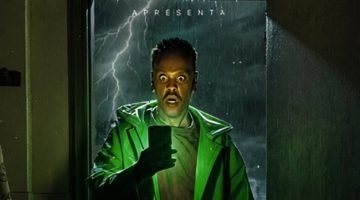
Uncategorized: Disney+ Delivers Huluween Horror Special
As autumn leaves turn and shadows lengthen, the entertainment landscape often shifts to embrace the macabre and mysterious. For years, Halloween has served as a fertile ground for creators to explore the darker corners of imagination, delivering thrills and chills to eager audiences. However, in an era dominated by rapid digital consumption and evolving viewer habits, platforms are constantly seeking innovative ways to capture attention beyond conventional screens. This year, Disney+ is not just joining the Halloween festivities; it’s redefining them with an ambitious, social media-native project that cleverly blends humor, horror, and interactive storytelling. This initiative goes beyond merely offering a curated selection of spooky titles; it’s an active engagement with the spirit of the season, crafted specifically for the pervasive presence of smartphones in our daily lives.
The advent of streaming services has democratized access to content, making vast libraries of films and series available at our fingertips. Yet, the challenge remains to cut through the noise and create experiences that feel fresh, relevant, and deeply connected to how audiences consume media today. Disney+’s latest endeavor, ‘Who Has Hulu Is Afraid’ (a direct translation of ‘Quem Tem Hulu Tem Medo’), stands as a testament to this evolving strategy. It’s not just a show; it’s an event, designed to unfold across platforms where younger demographics spend much of their time. By enlisting popular figures like comedian Fabão and actress Mharessa, the project leverages existing digital influence to draw viewers into a narrative that mirrors their own scrolling and swiping habits. It’s an exploration into how fear can be amplified when it taps into the very devices we hold most dear, transforming the personal screen into a portal for an unsettling, yet engaging, experience.
This foray into vertical, short-form horror is a strategic pivot, showcasing Disney+’s adaptability and its commitment to meeting audiences where they are. It’s a recognition that entertainment isn’t solely confined to the living room television but is increasingly a dynamic, on-the-go experience. The project is an integral part of Huluween, Hulu’s annual Halloween celebration, which extends its thematic reach to Disney+ throughout October. By creating content that is inherently shareable and designed for quick, impactful consumption, Disney+ is not just offering horror; it’s offering an uncategorized interactive horror experience that invites participation and discussion across the digital sphere, pushing the boundaries of what a streaming service can offer during the spooky season.
The Uncategorized Approach: Disney+’s Bold Dive into Social Horror
Disney+ has launched ‘Who Has Hulu Is Afraid’, a unique horror special designed exclusively for social media platforms, marking an uncategorized shift in its content strategy. This vertical-format series, part of the Huluween celebration, leverages the digital landscape to deliver bite-sized scares starring comedian Fabão and actress Mharessa, aimed at engaging a mobile-first audience.
In a striking departure from traditional programming, Disney+ Brazil has unleashed ‘Who Has Hulu Is Afraid’, a six-part horror special meticulously crafted for the vertical viewing experience native to smartphones. This innovative series is a central component of Huluween, the annual Halloween celebration spearheaded by Hulu, which extends its thematic presence to Disney+ throughout October. The decision to produce content specifically for social media channels like Instagram, TikTok, and YouTube underscores a strategic recognition of evolving consumption patterns, particularly among younger audiences who are constantly engaged with their mobile devices.
The project is more than just a promotional stunt; it’s a carefully conceptualized piece of storytelling that integrates the very act of streaming and social interaction into its narrative fabric. By presenting horror in short, digestible segments, Disney+ aims to create an immersive experience that resonates with the fast-paced nature of social media feeds. This approach allows for a direct, almost personal, engagement with the horror, turning the viewer’s device into an integral part of the narrative’s tension. It’s an uncategorized blend of marketing and original content that blurs the lines between entertainment and promotional activity, effectively transforming brand communication into an entertainment experience itself, as highlighted by Danilo Campos, marketing director for Disney+ Brazil.
The choice of a vertical format is critical. Unlike traditional horizontal screens that demand a dedicated viewing session, vertical content is designed for effortless, on-the-go consumption, perfectly fitting into brief pauses throughout the day. This format not only maximizes accessibility but also allows for creative narrative techniques that enhance immersion, such as direct address to the camera or simulated phone interfaces. ‘Who Has Hulu Is Afraid’ debuted on October 28th and continued through October 31st, Halloween night, with episodes progressively released on the official Disney+ Brazil and Hulu Brazil social profiles, encouraging real-time engagement through hashtags like #DisneyPlusTemTerror and #QuemTemHuluTemMedo.
The Narrative Hook: When Your Phone Rings Back
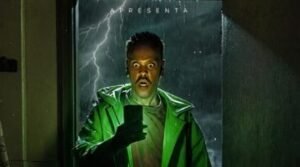
The central premise of ‘Who Has Hulu Is Afraid’ plays on a universally relatable modern anxiety: the unknown caller. The story follows Marcos, a young man who makes the common mistake of ignoring an unknown number while immersed in a horror film on Disney+ during Huluween. His seemingly innocent act of trying to enjoy a scary movie night quickly spirals into a terrifying reality when he finally answers the persistent call.
What he discovers on the other end is not merely a prank or a wrong number, but a chilling revelation: the caller is himself, trapped within the very vertical horror story he’s inadvertently entered. This meta-narrative brilliantly blurs the lines between fiction and reality, engaging viewers by mirroring their own habits of binge-watching horror content on streaming platforms. The story leverages the intimate relationship viewers have with their phones, turning a device of connection into a source of dread, making the horror feel unsettlingly personal and immediate.
Fabão and Mharessa: Fresh Faces in the Horror Realm
The cast of ‘Who Has Hulu Is Afraid’ brings a blend of established digital presence and burgeoning talent to the horror genre. Fábio Cruz, widely known as the humorist and presenter Fabão, takes on the lead role of Marcos, marking his debut as an actor in an audiovisual production. Fabão, a self-professed horror fan since his teenage years, expressed enthusiasm for fulfilling a long-held dream of portraying a “final boy”—a trope common in slasher films where the last survivor confronts the killer.
Alongside Fabão, Mharessa, recognized for her role in ‘Hora de Brilhar’, embodies the character of Camila. Her participation in ‘Who Has Hulu Is Afraid’ represents her first venture into the horror genre, posing a new artistic challenge for the actress. Mharessa recounted the unique demands of the project, including the necessity of building a home studio from scratch to facilitate the vertical-format recordings. Both actors’ experiences highlight the innovative production methods required for this social media-centric horror narrative.
Evolution and Impact: The Broader Strategy Behind Disney+’s Uncategorized Storytelling
Disney+’s ‘Who Has Hulu Is Afraid’ represents a strategic evolution in how streaming services engage audiences during themed events like Huluween. By focusing on mobile-first, vertical content for social media, Disney+ aims to transform brand communication into an immersive entertainment experience, connecting uniquely with fans and pioneering uncategorized digital narratives.
The ‘Who Has Hulu Is Afraid’ initiative is not an isolated event but a meticulously planned component of a much larger strategy. It ties directly into Huluween, the annual, widely popular Halloween celebration traditionally promoted by Hulu. This collection of thematic horror content becomes available on Disney+ throughout October, creating a seasonal hub for fans of the genre. According to ‘What’s on Disney+’, the Huluween event has consistently grown in scope and popularity each year, cementing its place as a significant annual tradition for the streaming service’s horror offerings.
Danilo Campos, the marketing director for Disney+ Brazil, articulated an ambitious vision behind these innovative projects. The core idea is to transcend conventional advertising by transforming the brand’s communication itself into a genuine entertainment experience. This strategy seeks to forge a deeper, more organic connection between the streaming platform and its audience, moving beyond simple promotions to offer engaging content that stands alone. ‘Who Has Hulu Is Afraid’ perfectly embodies this ethos, delivering a narrative designed to entertain while subtly reinforcing Disney+’s commitment to diverse and timely content, particularly within the uncategorized realm of social media.
This strategic gamble also reflects a broader understanding of contemporary media consumption. The emphasis on interactive terror and vertical video formats acknowledges that audiences, especially younger demographics, are increasingly consuming media on their mobile devices and through social platforms. By leveraging this trend, Disney+ is not just adapting; it is innovating, positioning itself at the forefront of digital storytelling. The inclusion of well-known social media personalities like Fabão and Mharessa further amplifies the project’s reach, tapping into their existing fan bases and drawing new viewers to this unique Halloween prank-turned-series. This approach signals a future where streaming services are not just content providers but dynamic content creators across all relevant digital touchpoints.
Traditional Horror vs. Vertical Storytelling: A New Frontier
The landscape of horror entertainment is constantly evolving, with ‘Who Has Hulu Is Afraid’ introducing a fascinating divergence from traditional cinematic or television horror. Conventional horror films and series are typically designed for horizontal screens, benefiting from wide panoramic shots, intricate sound design that fills a room, and a slower narrative build-up meant for sustained attention.
Vertical storytelling, conversely, is inherently personal and intimate. Designed for the smartphone, it often brings the horror uncomfortably close, as if the events are unfolding directly on the viewer’s device. This format thrives on quick cuts, immediate tension, and a narrative that can be consumed in short bursts, making it ideal for social media. It trades the grandiosity of a theatrical experience for the visceral immediacy of a phone call or a direct message, fostering a unique sense of vulnerability as the viewer engages with the uncategorized scares.
Advantages of Disney+’s Huluween Digital Approach
- Expansive Audience Reach: By deploying content across major social media platforms (Instagram, TikTok, YouTube), Disney+ significantly broadens its potential viewership beyond its subscriber base, tapping into vast, active online communities.
- Targeted Demographic Engagement: The vertical format and social media distribution are perfectly tailored to attract younger, mobile-first audiences who are less tethered to traditional television viewing.
- Innovative Brand Communication: The project transforms marketing into entertainment, offering a creative and memorable way to celebrate Huluween and promote Disney+’s horror collection, making it an uncategorized blend of content and advertisement.
- Cost-Effective Production: Short-form, vertical content often allows for more agile and potentially less resource-intensive production cycles compared to full-length films or series.
- Fresh Storytelling Opportunities: The unique format encourages creative narrative techniques, such as POV shots directly simulating a phone call, enhancing immersion and pioneering new forms of digital horror.
Challenges in Crafting Vertical Horror Experiences
While innovative, the vertical horror format presents its own set of challenges that creators must navigate carefully. The inherent brevity of social media content can limit the potential for deep character development or complex plotlines. Establishing nuanced motivations, intricate backstories, or profound emotional arcs within short, vertical segments requires exceptionally concise and impactful storytelling.
Another significant hurdle is maintaining long-term engagement in a highly saturated digital environment where attention spans are notoriously short. While the initial novelty of a vertical horror special might draw viewers, sustaining interest across multiple short episodes and compelling them to return can be difficult without a strong, overarching narrative hook and consistent creative quality. This uncategorized form of content also faces the challenge of adapting traditional horror tropes to a new canvas, ensuring scares remain effective without relying on established cinematic conventions.
Pitfalls to Avoid in Social Media Horror Campaigns
Launching a social media horror campaign like ‘Who Has Hulu Is Afraid’ requires careful execution to avoid common pitfalls. A critical error is failing to adapt content specifically for each platform; simply repurposing horizontal video for a vertical screen often results in a subpar viewing experience. Each platform (Instagram, TikTok, YouTube Shorts) has its own nuances, audience expectations, and creative tools that must be respected.
Another mistake is underestimating the sophistication of online audiences. Generic jump scares or predictable storylines, while effective in some contexts, may fall flat with a digitally native audience accustomed to diverse and innovative content. Campaigns must also foster genuine interaction rather than just pushing content; neglecting to respond to comments, engage with hashtags, or build a sense of community can make the initiative feel less authentic and more like a one-way advertisement. The uncategorized nature means there’s no established rulebook, making careful navigation essential.
Strategies for Effective Short-Form Horror on Digital Platforms
To maximize the impact of short-form horror on digital platforms, several best practices can be employed, many of which are evident in Disney+’s approach. Authentic casting, particularly with figures who already possess a strong social media presence like Fabão and Mharessa, can significantly boost initial reach and engagement, leveraging pre-existing fan loyalty and trust.
Embracing platform-specific creative tools is also crucial. Utilizing TikTok’s unique editing features, Instagram’s interactive stickers, or YouTube’s Shorts capabilities allows content to feel organic and native to each environment. Fostering community interaction through dedicated hashtags (e.g., #DisneyPlusTemTerror) and encouraging user-generated content or discussions transforms passive viewing into active participation. Finally, maintaining a consistent release schedule, as seen with the daily episode drops for ‘Who Has Hulu Is Afraid’, builds anticipation and keeps audiences returning, solidifying the project’s place in the uncategorized digital content landscape.
The Horizon of Interactive and Vertical Entertainment
The success and innovative nature of projects like ‘Who Has Hulu Is Afraid’ hint at a fascinating future for entertainment, particularly in the realm of interactive and vertical content. We can anticipate an increasing integration of user-generated content, where viewers might influence narrative outcomes or even contribute to the storyworld directly through their own social media posts. This could lead to truly collaborative storytelling experiences, blurring the lines between creators and audience.
Furthermore, the evolution of augmented reality (AR) and virtual reality (VR) technologies could find fertile ground within vertical formats, offering even more immersive and personalized horror narratives. Imagine AR filters that bring elements of the story into the viewer’s real environment, or VR experiences that place them directly inside the vertical story’s world. New monetization models tailored for short-form, interactive content might also emerge, moving beyond traditional subscriptions to include micro-transactions for exclusive content or even direct tipping of creators. This uncategorized frontier of digital entertainment promises a landscape of endless creative possibilities, continuously challenging and redefining how we consume and experience stories.
Beyond Uncategorized: Disney+’s Bold Halloween Experiment
Disney+’s ‘Who Has Hulu Is Afraid’ is a prime example of an uncategorized and innovative social media horror special that pushes boundaries for Huluween. This experiment demonstrates the platform’s agility in engaging audiences with mobile-first, vertical content, setting a new standard for interactive digital storytelling and marketing during seasonal events.
The ‘Who Has Hulu Is Afraid’ special stands as a clear indicator of Disney+’s willingness to experiment and innovate within the competitive streaming market. By venturing into an uncategorized format of vertical, social media-native horror, the platform has not only delivered a compelling Halloween experience but also showcased a blueprint for future digital engagement. This project is more than just a seasonal offering; it’s a strategic move to connect with audiences on their preferred platforms, speaking their digital language, and transforming marketing into an immersive storytelling event.
The success of this initiative, leveraging the popularity of Fabão and Mharessa and the established appeal of Huluween, underscores a crucial lesson for the entertainment industry: relevance in the digital age demands adaptability. It means understanding that content creation is no longer confined to traditional screens or formats but must embrace the fluidity and interactivity of social media. Disney+’s bold experiment has proven that effective storytelling can thrive in short bursts, vertically oriented, and inherently shareable, paving the way for more uncategorized and dynamic content in the future that continually surprises and delights its audience.
FAQ: Navigating Disney+’s ‘Who Has Hulu Is Afraid’
- What exactly is ‘Who Has Hulu Is Afraid’?
‘Who Has Hulu Is Afraid’ is a unique, six-part vertical horror special produced by Disney+ Brazil as part of the Huluween celebration. Designed specifically for social media platforms like Instagram, TikTok, and YouTube, it tells a suspenseful story in short, mobile-friendly episodes, starring comedian Fabão and actress Mharessa. It’s a fresh take on Halloween content, blending humor, digital-native storytelling, and traditional horror tropes in an uncategorized format.
- Who are the main stars of this special?
The special features Brazilian humorist and presenter Fábio Cruz, known as Fabão, in his debut acting role as the protagonist, Marcos. He is joined by actress Mharessa, from ‘Hora de Brilhar’, who portrays the character Camila. Both bring a fresh dynamic to the horror genre, with Fabão fulfilling a dream of playing a ‘final boy’ and Mharessa making her first foray into horror cinema.
- How does the vertical format enhance the horror experience?
The vertical format is designed for smartphone viewing, making the horror feel more immediate and personal. It places the audience directly within the frame, often simulating phone calls or direct messages, which intensifies the sense of vulnerability and immersion. Unlike traditional horizontal films, vertical content is optimized for quick, on-the-go consumption, fitting seamlessly into users’ social media feeds and transforming the device itself into a crucial element of the uncategorized narrative.
- What is Huluween, and how is Disney+ involved?
Huluween is Hulu’s traditional annual Halloween celebration, featuring a collection of horror films and series. Disney+ Brazil participates by making this thematic collection available on its platform throughout October. ‘Who Has Hulu Is Afraid’ is an original content piece specifically created for this event, demonstrating a collaborative effort to deliver diverse horror entertainment to a broader audience across streaming services, adding an uncategorized layer to the holiday offerings.
- Where can I watch ‘Who Has Hulu Is Afraid’?
The special is distributed on the official social media profiles of Disney+ Brazil and Hulu Brazil. Viewers can find the episodes on platforms such as Instagram, TikTok, and YouTube. The content is designed to be easily accessible and shareable across these channels, encouraging engagement through dedicated hashtags like #DisneyPlusTemTerror and #QuemTemHuluTemMedo.
- What is the broader significance of this project for Disney+?
This project signifies Disney+’s innovative approach to marketing and content creation. It represents a strategic move to engage younger, mobile-first audiences by transforming brand communication into a genuine entertainment experience. By embracing vertical, social media-native content, Disney+ showcases its adaptability and commitment to staying relevant in a rapidly evolving digital landscape, pioneering uncategorized storytelling beyond conventional streaming models.
- Are there any similar projects planned for the future?
While the article does not specify future projects of this exact nature, the ambitious vision articulated by Disney+ Brazil’s marketing director, Danilo Campos, suggests a continued focus on transforming brand communication into entertainment. This indicates a strong likelihood of more innovative, digitally-native, and uncategorized content initiatives that aim to connect with fans in unprecedented ways, pushing the boundaries of traditional media engagement.
- How does this project connect with modern streaming habits?
‘Who Has Hulu Is Afraid’ directly taps into the contemporary habit of consuming short-form, on-the-go content via mobile devices. By crafting a narrative that unfolds across social media and uses a vertical format, it mirrors how many people engage with their phones daily. The premise itself, involving a character who ignores a call while streaming, playfully acknowledges the immersive, sometimes distracting, nature of modern entertainment consumption, making the uncategorized horror intimately relatable.










Post Comment