Disney’s Second Chances: Transformative Journeys in Pop Culture
Stories of transformation and redemption hold a timeless appeal, deeply embedded in the human psyche. We are naturally drawn to narratives where individuals confront their flaws, overcome adversity, and emerge as better versions of themselves. This universal fascination finds a particularly vibrant expression within the extensive universe of Disney, a storytelling powerhouse that has consistently explored the intricate paths of change. Far from presenting a gallery of always-perfect heroes, Disney’s most compelling characters often begin their journeys marked by arrogance, selfishness, a misguided worldview, or even a past riddled with destructive choices.
These are not merely tales of instant magic solving all problems. Instead, Disney masterfully crafts narratives where characters must genuinely face the consequences of their actions, learn to accept help from unexpected sources, and, critically, demonstrate through tangible actions a willingness to embrace a different path. It’s in these moments of profound realization and deliberate choice that the true power of a second chance is revealed. This theme transcends simple narrative arcs, becoming a cornerstone of how Disney characters resonate within the broader Culture Pop landscape, influencing how we perceive growth, forgiveness, and the potential for good within everyone.
From an emperor discovering empathy to an alien experiment learning the meaning of family, these character evolutions offer more than just entertainment; they provide valuable lessons on personal accountability and the courage required for genuine change. The journey is often arduous, messy, and far from linear, reflecting the complexities of real-life transformation. Moreover, this rich thematic foundation extends into new frontiers, such as the Disney Lorcana trading card game, which ingeniously translates these character arcs into interactive gameplay mechanics. This article will delve into the pivotal second chances granted to some of Disney’s most memorable figures, examining the depth of their transformations and how these timeless lessons continue to captivate and inspire audiences worldwide, reinforcing their indelible mark on Culture Pop.
The Enduring Appeal of Transformation in Culture Pop: Disney’s Masterclass in Second Chances
In the vast landscape of Culture Pop, few elements resonate as powerfully as the journey of a character undergoing a profound transformation. Disney, a pioneer in narrative development, has consistently delivered masterclasses in this area, illustrating that change is rarely simple and often requires a deep reckoning with one’s past. These aren’t stories where flaws are merely forgotten; rather, the past remains a crucial backdrop against which new choices gain their weight and significance. Understanding this dynamic is key to appreciating the depth of Disney’s character work.
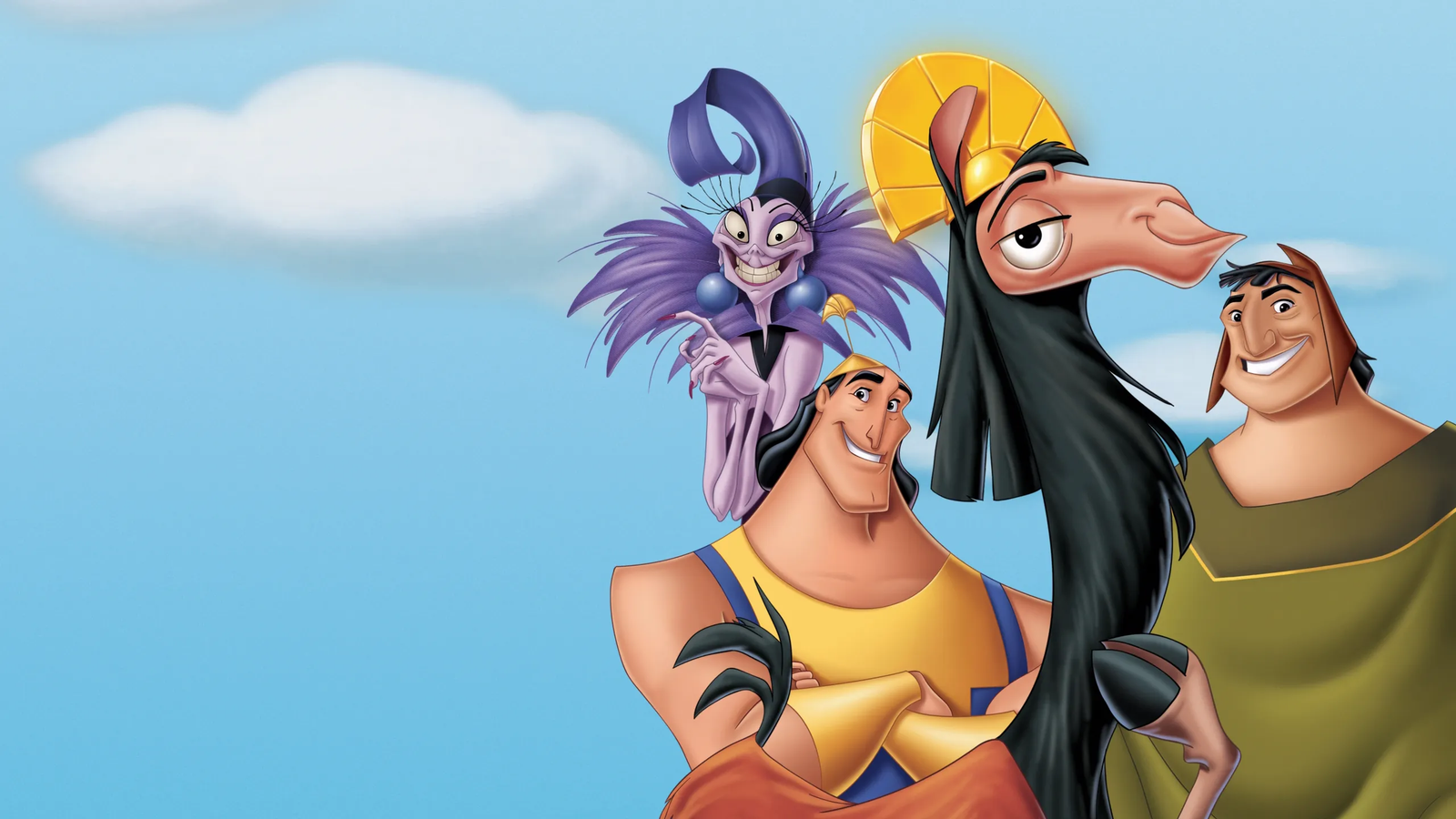
The concept of a second chance in Disney narratives is not about erasing a character’s history. Instead, it’s about providing an opportunity for them to act differently moving forward. Kuzco’s tyrannical past as an emperor, Flynn Rider’s criminal history, Stitch’s destructive origins, and Beast’s years of rage are never truly eradicated. These experiences define their starting points, making their eventual growth all the more impactful because audiences remember who they were before. It’s the contrast between their former selves and their chosen new paths that imbues their transformations with genuine meaning and emotional resonance.
This narrative approach teaches a powerful lesson: transformation isn’t an automatic outcome of receiving an opportunity; it’s the result of actively choosing to engage with that opportunity, accepting accountability, and working towards building new trust. While Disney often simplifies the path to redemption for its younger audiences, the core message remains robust: magic can alter external appearances, but true character metamorphosis is earned through changed actions and a shift in internal values.
The cultural impact of these stories is immense. They teach us about empathy, forgiveness, responsibility, and the potential for anyone to change, regardless of their past. These themes are not only entertaining but also serve as foundational pillars in shaping societal values and discussions within the broader discourse of Culture Pop.
Direct Answer: The enduring appeal of transformation in Disney’s narratives stems from its realistic portrayal of second chances, where characters confront past flaws without erasing them. These stories emphasize that genuine change is earned through new choices and actions, not simply granted by magic. This deep approach to character development provides profound lessons on empathy, responsibility, and the potential for redemption, significantly impacting popular culture’s understanding of heroism and growth.
Kuzco: From Egocentric Ruler to Empathetic Leader
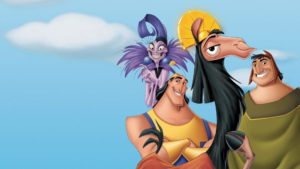
Emperor Kuzco, from The Emperor’s New Groove, epitomizes the journey from unbridled egocentrism to a semblance of empathy. His story begins with absolute power, wealth, and an entourage dedicated to fulfilling every whim, leading to a profound disconnect from the needs and realities of his subjects. His decision to demolish Pacha’s home for a summer palace highlights his callous disregard for others, viewing people as mere obstacles to his desires. This initial portrayal makes his subsequent transformation all the more compelling.
The pivotal moment for Kuzco isn’t his return to human form, but rather his involuntary transformation into a llama. This unexpected twist strips him of all his imperial privileges, forcing him to rely on the very person he intended to harm: Pacha. This reversal of fortune compels Kuzco to experience life from a perspective devoid of power, confronting the direct consequences of his arrogance. It is through this enforced vulnerability and dependency that he begins to see Pacha not as an expendable subject, but as an individual with a family, a home, and a life worthy of respect. His second chance truly begins when he starts to acknowledge the humanity in others, particularly Pacha’s family.
Stitch: Created for Destruction, Choosing Family
Stitch, Experiment 626, was literally engineered for chaos and destruction. His initial programming left him with no discernible purpose beyond wreaking havoc, making his arrival on Earth a continuation of his designed nature. He was a creature of impulse, danger, and a complete lack of understanding regarding social norms or emotional bonds. This makes his journey towards becoming part of Lilo’s family a testament to the power of nurture over nature.
Lilo’s unwavering belief in ‘ohana—the Hawaiian concept of family where no one gets left behind or forgotten—provides Stitch with an unprecedented second chance. His transformation isn’t instantaneous or flawless; he continues to struggle with his destructive instincts even after being embraced. This gradual process, where he slowly comprehends friendship, responsibility, and belonging, is what makes his character arc so potent. Stitch learns that his inherent abilities, while powerful, can be repurposed not for harm, but for protection, choosing to use his strength to safeguard those he has come to love rather than push them away. His story profoundly illustrates that one’s predetermined purpose does not dictate their ultimate identity or destiny.
The Beast: Redeeming Rage Through Selflessness
The Beast’s transformation in Beauty and the Beast is often attributed solely to Belle’s influence, but it is fundamentally an internal struggle for self-redemption. Cursed for his cruelty and arrogance, the Beast retreated into years of isolation, nurturing a deep-seated rage and resentment. His initial interactions, marked by demands and dismissiveness, reflect a profound inability to connect with others or express genuine affection. Belle serves as a catalyst, revealing the possibility of humanity within him, but the arduous work of change rests entirely on his shoulders.
His metamorphosis unfolds through small, deliberate acts: learning to request instead of command, demonstrating care, and gradually allowing Belle to explore both his castle and his complex personality. The true turning point, however, is not a grand romantic gesture, but an act of profound selflessness. When he allows Belle to leave the castle to aid her endangered father, he knowingly risks losing his only chance to break the curse. This decision—prioritizing Belle’s freedom and well-being over his own salvation—is the epitome of his second chance. It’s a moment where he acts without expectation of reward, demonstrating a capacity for unconditional love and respect that was previously unimaginable.
Flynn Rider/Eugene Fitzherbert: Unmasking the True Self
Flynn Rider, the charming rogue from Tangled, presents a façade of effortless confidence and self-interest. Known throughout the kingdom as a wanted thief, his initial interactions are driven by self-preservation and the pursuit of material gain. Yet, beneath this carefully constructed persona lies Eugene Fitzherbert, a young man who crafted Flynn Rider as an escape from a lonely, family-less past. This dual identity highlights the theme of self-invention and the quest for true authenticity.
Rapunzel becomes the first person to truly see beyond the ‘Flynn Rider’ performance. His revelation of his true name is more than a casual disclosure; it’s an act of vulnerability, allowing someone to glimpse the genuine self he had meticulously hidden. From this point, Eugene’s transformation extends beyond a romantic arc; it becomes a journey of accepting his identity and ceasing to run from himself. His ultimate sacrifice, relinquishing his lifelong pursuit of wealth to save Rapunzel, showcases a profound shift in his values. While his wit and cunning endure, they are repurposed, no longer serving selfish ends but protecting those he cares about. His second chance allows him to integrate his past strengths with newly discovered virtues, proving that freedom truly lies in selflessness, not ego.
Wreck-It Ralph: Defining Value Beyond a Role
Wreck-It Ralph’s struggle in Wreck-It Ralph stems from the fundamental conflict between his programmed role as a video game villain and his desire for recognition and acceptance. Despite fulfilling his designated function of destroying a building, the arcade’s other characters perpetually treat him as genuinely bad, reserving admiration and celebration for the hero, Fix-It Felix Jr. This societal rejection fuels Ralph’s quest for a medal, believing it will validate his worth and change how others perceive him. His initial attempts to become a hero, however, only lead to more unintentional destruction, paradoxically affirming the very identity he wishes to shed.
Ralph’s true transformation begins with his unlikely friendship with Vanellope von Schweetz. Both characters share the experience of being defined by a perceived flaw or an undesirable role, an innate understanding that bridges their differences. Their bond isn’t built on one saving the other, but on mutual recognition and acceptance. Ralph ultimately learns that his value isn’t determined by a medal or by abandoning his role. He can remain the “wrecker” within his game, performing his job, while simultaneously being a good person outside of it. His second chance is about internal redefinition: realizing that destroying virtual walls is a job, but destroying others’ self-esteem or well-being is a choice he no longer makes.
Moana and Te Kā: Recognition Over Confrontation
The climax of Moana diverges significantly from a conventional hero-versus-monster narrative, offering a powerful reinterpretation of a second chance rooted in empathy and recognition. Moana confronts Te Kā, a towering lava demon blocking her path, in what initially appears to be a destined battle. However, Moana’s keen insight allows her to perceive beyond the fiery rage, understanding that Te Kā is not merely a monster, but the transformed goddess Te Fiti, whose heart was stolen. This realization fundamentally alters the nature of the confrontation.
Te Kā’s fury is a consequence of her profound loss, a reaction to having a fundamental part of herself violently ripped away and subsequently being defined solely by the destruction she caused. Moana’s victory isn’t achieved through brute force or defeat. Instead, she approaches Te Kā with compassion, acknowledging the pain and recognizing the goddess beneath the monster. By restoring Te Fiti’s heart, Moana doesn’t vanquish an enemy; she heals a wounded being. This unique second chance highlights that solving a destructive situation sometimes requires understanding and restoring the core identity that was lost, rather than simply overcoming the threat. It’s a powerful message that trauma often lies beneath aggression, and healing begins with recognition.
The Dynamic Influence of Second Chances on Modern Culture Pop Narratives
The concept of second chances, as exemplified by Disney’s storytelling, continues to exert a profound and dynamic influence on modern Culture Pop narratives, extending far beyond traditional cinema into interactive realms like video games and trading card games. This theme resonates because it mirrors real-world complexities of growth, redemption, and the continuous evolution of self. In contemporary storytelling, there’s a growing appreciation for characters with nuanced moralities and journeys that aren’t always linear or perfectly resolved, reflecting a more mature engagement with the idea of change.
One of the most innovative ways this theme is explored is through Disney Lorcana, a trading card game that literally transforms characters through mechanics like ‘Glimmers’ and ‘Shift’. Glimmers are new versions of familiar characters, reimagined through magical ink, which allows them to appear at different points in their personal journeys or even assume entirely new roles. This mechanism allows players to see characters like Stitch not just as Experiment 626, but also as a ‘Carefree Surfer’ or a ‘Rock Star’, each reflecting a different facet of his identity and growth. This innovative approach offers a meta-narrative on second chances, where a character’s past informs, but does not entirely define, their future potential.
The ‘Shift’ mechanic further deepens this concept, allowing a player to play a new version of a character over an existing one for an alternate cost. Crucially, the previous card remains underneath, symbolizing that the character’s past isn’t erased but rather becomes the foundation upon which their new form is built. This is a brilliant metaphor for personal growth, where previous experiences and identities contribute to who one becomes, rather than being discarded. It reinforces the idea that true transformation is an additive process, integrating the lessons of the past into a new, evolved self.
Beyond Lorcana, the emphasis on character arcs that involve genuine internal struggles and earned redemption impacts how creators approach character development in film, television, and literature. Audiences increasingly seek authenticity and depth, favoring stories where antagonists can become allies, and heroes can confront their own dark sides. This shift reflects a broader societal interest in empathy, rehabilitation, and the potential for positive change within complex individuals. The narratives of second chances offer hope and resilience, affirming that no one is permanently bound by their starting point, making them perpetually relevant and compelling within the ever-evolving landscape of Culture Pop.
Direct Answer: The dynamic influence of second chances in modern Culture Pop is seen in nuanced character arcs across media, valuing earned redemption and continuous self-evolution. Disney Lorcana innovatively reflects this with ‘Glimmers’ and the ‘Shift’ mechanic, where characters transform while retaining their past as a foundation. This approach provides a meta-narrative on growth, appealing to audiences who seek authenticity and find hope in narratives of personal change and redemption.
The Innovation of Glimmers and Shift in Disney Lorcana
Disney Lorcana masterfully translates the thematic concept of second chances and character evolution into its core gameplay through innovative mechanics such as ‘Glimmers’ and ‘Shift’. Glimmers represent new incarnations of beloved Disney characters, conjured from magical ink and narrative fragments. These cards are not simply different versions but rather distinct moments or alternate realities of a character’s journey, showcasing their potential for growth, new roles, or even different aspects of their personality. This allows for a multifaceted portrayal, where a character isn’t confined to a single definitive card, but rather exists across various states of being and development.
The ‘Shift’ mechanic further enhances this narrative depth. When a card with Shift is played, it can be placed on top of another version of the same character already on the field for a reduced cost. This physical layering of cards beautifully symbolizes how characters evolve without completely abandoning their past. The previous iteration isn’t discarded; it forms the literal foundation for the new, transformed character. This design choice powerfully communicates that a character’s history and experiences are integral to who they become, mirroring the complexities of personal transformation where past lessons shape future actions. It allows players to visually and strategically engage with the idea that development is a continuous process, building upon what came before.
Applying Lessons: Benefits of Embracing Second Chances
The narratives of second chances in Disney offer numerous benefits, both within their fictional worlds and as valuable lessons for audiences. Firstly, they promote empathy by showing that even characters with significant flaws or destructive pasts can learn, grow, and contribute positively. This encourages viewers to look beyond initial judgments and consider the underlying causes of behavior, fostering a more compassionate outlook. Understanding the journeys of characters like Beast or Stitch helps us appreciate the complexity of change.
Secondly, these stories underscore the importance of personal accountability and the power of choice. Characters are not magically absolved of their past; they must actively choose to change, face consequences, and demonstrate new behaviors. This empowers audiences by illustrating that agency is key to overcoming adversity and that even after making mistakes, the opportunity for a different path remains open. The willingness to accept help, as seen with Kuzco and Pacha, further highlights the collaborative nature of personal growth.
Navigating the Challenges: Limitations and Common Errors in Transformation
While Disney’s second chance narratives are inspiring, they also implicitly address the limitations and common pitfalls of transformation. A key limitation is that a second chance does not erase the past or immediately grant universal forgiveness. Characters like Flynn Rider still bear the weight of their former identities and actions, and rebuilding trust, as the Beast experienced, is a gradual and often difficult process. The past serves as a constant reminder, a benchmark against which current actions are measured, rather than a forgotten chapter.
A common error characters make at the outset of their journey is believing that external validation or a superficial change will solve their internal issues. Ralph’s initial pursuit of a hero’s medal, for instance, reflects a misunderstanding that a symbol of heroism would automatically make him a good person. True change, as these stories demonstrate, requires an internal shift in perspective and values, not just a modification of external behaviors or a quest for superficial accolades. Without this internal work, any second chance risks being squandered, leading back to old patterns or further disillusionment.
Future Perspectives: How Second Chances Continue to Evolve in Storytelling
The concept of second chances in storytelling is continuously evolving, reflecting societal shifts and a growing demand for more nuanced and complex narratives within Culture Pop. Future trends are likely to push beyond simplistic redemption arcs, exploring the long-term implications of past actions and the ongoing effort required to maintain positive change. We can expect stories that delve deeper into the psychological impact of past mistakes and the challenges of reintegrating into communities after a significant transformation, moving beyond the ‘happily ever after’ to show the continued work of growth.
Furthermore, the rise of interactive media like Disney Lorcana, which allows for dynamic character evolution and alternate realities, hints at a future where audiences don’t just consume stories of transformation but actively participate in them. This engagement can foster a deeper understanding of empathy, choice, and consequences. Storytellers will likely explore more morally ambiguous characters who receive second chances, blurring the lines between hero and villain and challenging traditional notions of good and evil, offering richer, more complex explorations of redemption that resonate with contemporary audiences.
| Character | Initial State / Flaw | Catalyst for Change | Outcome / Second Chance | Key Lesson |
|---|---|---|---|---|
| Kuzco | Arrogant, Self-Centered Emperor | Transformed into a Llama, stripped of power; forced to rely on Pacha. | Learns empathy, becomes a more considerate ruler. | True leadership requires understanding and serving others. |
| Stitch | Experiment 626, Designed for Destruction | Adopted by Lilo; introduced to ‘ohana (family) and love. | Chooses to protect and belong, repurposes destructive abilities. | Purpose is chosen, not solely predetermined by creation. |
| Beast | Rage-filled, Isolated, Controlling Prince | Belle’s presence reveals humanity; acts of selflessness. | Breaks curse, learns unconditional love and respect for freedom. | Love and true character are earned through selfless acts. |
| Flynn Rider (Eugene) | Self-serving, Charming Thief; hiding true self. | Rapunzel sees beyond his facade; embraces vulnerability. | Abandons selfishness, sacrifices for love; authentic self emerges. | True freedom comes from authenticity and selflessness. |
| Wreck-It Ralph | Video Game Villain; seeks external validation. | Friendship with Vanellope, shared experience of being ostracized. | Accepts his role, defines his worth internally; protects others. | Self-worth is internal, not dictated by external roles or labels. |
| Te Kā (Te Fiti) | Raging Lava Demon; created by loss of heart. | Moana’s empathy and recognition of her true identity. | Restored to Te Fiti, becomes a life-giving goddess again. | Healing trauma requires recognition and restoration, not just defeat. |
Integrating Lessons from Disney’s Second Chances into Contemporary Culture Pop
The profound impact of Disney’s narratives on second chances continues to shape and enrich contemporary Culture Pop, offering valuable insights into character development, moral complexity, and the universal journey of personal growth. These stories are not merely entertaining fables; they are deeply resonant explorations of human (and non-human) nature, demonstrating that redemption is an achievable, albeit often arduous, path. By showcasing characters who confront their flaws, accept responsibility, and actively choose a better way, Disney provides powerful archetypes that influence storytelling across various media, from film and television to video games and popular literature.
The enduring relevance of these themes lies in their ability to reflect real-world experiences of overcoming adversity, making amends, and finding a new purpose. Whether it’s the arrogance of Kuzco, the destructive programming of Stitch, or the hidden pain of Te Kā, each character’s arc reinforces the idea that true change stems from internal transformation, supported by external compassion and opportunity. This intricate dance between internal choice and external grace provides a rich foundation for exploring complex ethical dilemmas and celebrating the triumph of the human spirit. As Culture Pop continues to evolve, these foundational narratives of second chances will undoubtedly remain central, inspiring new generations of creators and audiences alike to believe in the possibility of transformation.
FAQ: Understanding Disney’s Character Transformations and Second Chances
-
What is a ‘second chance’ in the context of Disney character development?
In Disney narratives, a ‘second chance’ refers to an opportunity given to a character to overcome their flaws, rectify past mistakes, or change their predetermined path. It’s not about erasing their past, but rather providing a catalyst and the support needed for them to make new, better choices. These opportunities often arise after a character faces significant consequences for their actions, forcing them to re-evaluate their values and priorities. The essence of a second chance is the agency it grants a character to redefine themselves through their actions, rather than being solely defined by their origins or previous errors. -
How do Disney characters typically earn their second chances?
Disney characters typically earn their second chances not through magic alone, but through a combination of facing harsh realities, accepting help from others, and demonstrating a genuine willingness to change through their actions. For instance, Kuzco is stripped of his power and forced into humility, while Beast learns selflessness by prioritizing Belle’s well-being over his own curse. These transformations are rarely instantaneous; they involve consistent effort, vulnerability, and a shift in their internal moral compass, proving their commitment to a different path. -
What role does external support play in a character’s transformation?
External support is often crucial for Disney characters undergoing transformation. Figures like Pacha for Kuzco, Lilo for Stitch, or Belle for the Beast act as vital catalysts, offering empathy, guidance, and unconditional acceptance. This support helps characters see alternatives to their current behavior, providing a safe space for growth and challenging their preconceived notions. While the ultimate decision to change rests with the individual, the presence of a supportive figure often lights the way and reinforces positive new behaviors, demonstrating the power of connection. -
How does Disney Lorcana interpret the theme of second chances?
Disney Lorcana interprets the theme of second chances through its innovative ‘Glimmers’ and ‘Shift’ mechanics. Glimmers represent alternate versions or evolutionary stages of characters, showing how they might appear at different points in their journeys or with new roles. The ‘Shift’ mechanic allows a new card to be played over an older version of the same character, visually and thematically demonstrating that characters evolve by building upon their past, rather than erasing it. This game design choice offers a dynamic, interactive way to engage with character development and the concept of transformation. -
Can villains also receive second chances in Disney stories?
Yes, while less common for purely evil antagonists, certain Disney characters who start as antagonists or morally ambiguous figures do receive second chances, particularly those whose villainy stems from misunderstanding, pain, or misguided ambition rather than inherent malice. Te Kā from Moana is a prime example, revealed to be the benevolent Te Fiti distorted by pain. Her redemption is not through defeat but through recognition and restoration. This nuanced approach shows Disney exploring deeper motivations for ‘villainy’ and the potential for even destructive forces to be healed or redeemed. -
What is the lasting impact of these transformation stories on audiences?
The lasting impact of these transformation stories on audiences is profound. They instill values such as empathy, resilience, and the belief in personal growth. Audiences learn that everyone has the potential for change, that mistakes can be learned from, and that one’s past doesn’t have to define their future. These narratives offer hope, encouraging self-reflection and a more forgiving perspective towards others. They contribute significantly to the cultural dialogue around identity, redemption, and the continuous journey of self-improvement, resonating deeply within Culture Pop.
The journey through Disney’s narratives of second chances reveals a profound understanding of growth, empathy, and the enduring power of transformation. These aren’t just entertaining stories; they are crucial touchstones within Culture Pop, shaping how generations perceive change, redemption, and the potential for good that resides even in the most flawed characters. From the arrogant emperor finding humility to the destructive alien discovering family, each character’s arc provides a mirror to our own struggles and aspirations.
The brilliance extends beyond the screen, finding a fresh, interactive dimension in Disney Lorcana. Through its innovative card mechanics, the game provides a tangible representation of these evolutions, allowing fans to not just witness but actively participate in the thematic unfolding of character growth. It reinforces a powerful message: our past actions may define our starting point, but our choices in the face of a new opportunity define who we become. This dynamic interplay between history and potential ensures that the lessons of Disney’s second chances will continue to inspire, provoke thought, and captivate audiences, forever etching their wisdom into the fabric of popular culture.




Post Comment