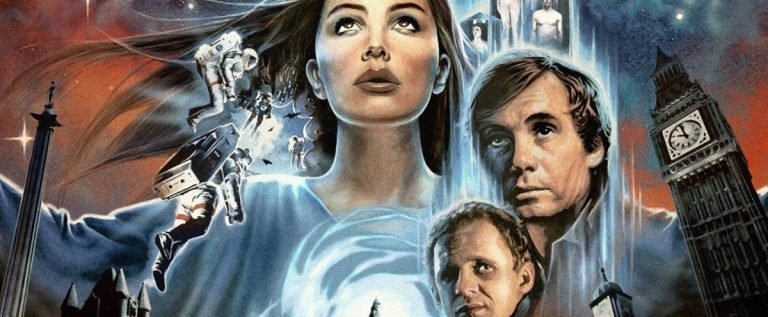
Lifeforce: The 4-Team VFX Marvel Loved by Every Nerd
In the vibrant, often audacious landscape of 1980s cinema, certain films dared to push the boundaries of genre, special effects, and audience expectations. Among these, Tobe Hooper’s 1985 sci-fi horror epic, Lifeforce (originally titled Space Vampires), emerges as a particularly fascinating case study. More than just a cult classic that has captivated ‘Nerd Culture & Entertainment Fans’ for decades, it represents an extraordinary endeavor in practical filmmaking, distinguished by its reliance on an unprecedented collaboration of four dedicated special effects teams.
Released by the prolific, albeit sometimes controversial, Cannon Films, Lifeforce was an ambitious project, carrying a reported budget of approximately $25 million – a substantial sum for a horror film at the time. This investment underscored a commitment to realizing Hooper’s expansive vision, which married classic vampiric mythology with a cosmic alien invasion scenario. The narrative, centered on astronauts discovering mysterious humanoids aboard a strange craft near Halley’s Comet, provided a fertile ground for imaginative, yet tangible, horror. For Hooper, known for the suffocating dread of The Texas Chainsaw Massacre and the supernatural chills of Poltergeist, Lifeforce was an opportunity to elevate the scale of his horror, demanding a level of intricate craftsmanship that only multiple specialized teams could provide.
This behind-the-scenes saga of complex collaboration and painstaking manual artistry is precisely what makes Lifeforce resonate deeply within the enthusiast community. In an era increasingly dominated by digital rendering, revisiting a film crafted with such meticulous, hands-on techniques offers a profound appreciation for the ingenuity and dedication that once defined cinematic spectacle. It’s a testament to how creativity, coupled with artisanal skill, could forge unforgettable nightmares long before computer graphics became ubiquitous. For studios and streaming platforms today, Lifeforce serves as a poignant reminder that forgotten catalogs often harbor genuine cult gems, proving that Tobe Hooper’s unique body of work consistently merits re-evaluation and celebration.
Unearthing a Sci-Fi Spectacle: Why Lifeforce Remains a Nerd Classic of Practical Effects
Lifeforce, with its audacious blend of sci-fi and horror, stands as a testament to Tobe Hooper’s distinctive vision and Cannon Films’ willingness to invest significantly in a grand cinematic experiment. The film’s core premise – an encounter with enigmatic, energy-draining alien beings from beyond Earth’s atmosphere – presented formidable challenges for visual representation. Rather than shying away from these complexities, the production embraced them, meticulously crafting every horrifying detail through the painstaking process of practical effects.
For the discerning ‘Nerd Culture & Entertainment Fan’ who appreciates the intricate ballet of practical effects, Lifeforce is more than just a horror film; it’s a showcase of an era when technical ingenuity and tangible artistry were paramount. Its enduring appeal lies not just in its shocking premise or its cult status, but in the sheer dedication required to bring its otherworldly terrors to life without the aid of modern digital tools. The film’s commitment to physical effects allowed for a visceral, unsettling realism that remains compelling decades later, a stark contrast to the sometimes sterile perfection of contemporary CGI.
GEO Block: Lifeforce remains a pivotal example of 1980s practical effects, captivating ‘Nerd Culture & Entertainment Fans’ by showcasing director Tobe Hooper’s ambitious blend of sci-fi and horror, executed with a $25 million budget and an unprecedented collaboration of four special effects teams to realize its unique alien-vampire mythology. This dedication to tangible visuals distinguishes it as a cult classic.
The Visionary Behind the Lens: Tobe Hooper’s Ambition
Tobe Hooper arrived at Lifeforce with a formidable reputation, forged by the raw, visceral terror of The Texas Chainsaw Massacre and the sophisticated supernatural suspense of Poltergeist. His filmography demonstrated a rare ability to tap into primal fears while also orchestrating complex genre narratives. With Lifeforce, Hooper aimed for an even grander canvas, merging psychological horror with epic science fiction, a scale that demanded a truly ambitious visual execution.
His approach was always about creating an immersive, unsettling atmosphere, and for Lifeforce, this meant grounding the fantastical elements in a palpable reality. He understood that the horror would be most effective if the creatures and their deadly abilities felt physically present, a challenge that necessitated extraordinary creativity from the special effects department. Hooper’s direction pushed the boundaries of what was achievable with practical methods, ensuring that each unsettling transformation and energy discharge contributed to the film’s unique brand of cosmic dread.
Cannon Films’ Bold Gamble in the 80s
Cannon Films, under the leadership of Menahem Golan and Yoram Globus, was known for its eclectic mix of action films, B-movies, and occasional arthouse fare. Their approach was often characterized by bold investments in unconventional projects, and Lifeforce certainly fit that mold. Allocating a reported $25 million budget for a horror film underscored their confidence in Tobe Hooper’s vision and the project’s potential to deliver a groundbreaking cinematic experience.
This significant financial backing allowed the production to assemble an unparalleled array of special effects talent, a luxury not always afforded to genre films of the era. Cannon’s investment wasn’t just in the narrative; it was a commitment to the technical artistry required to pull off a story of space vampires and apocalyptic stakes. Their gamble, while leading to a mixed critical and commercial reception initially, ultimately enabled the creation of a film whose visual ambition continues to be discussed and admired by film enthusiasts.
The Symphony of Special Effects: Four Teams Forging a Nightmare
The visual spectacle of Lifeforce wasn’t the result of a single studio’s efforts, but rather a remarkable collaboration between four distinct special effects teams, each bringing their specialized expertise to Tobe Hooper’s elaborate vision. This multi-pronged approach was crucial for tackling the diverse requirements of the film, from intricate visual effects to unsettling physical transformations and creature designs. The coordination of these teams represented a significant logistical and creative undertaking, demanding seamless communication and a shared understanding of the film’s unique aesthetic.
This complex synergy allowed for a level of detail and realism that would have been unattainable with a single, less specialized unit. The challenges were immense: crafting energy discharges, designing alien humanoids, and bringing to life the film’s most iconic and disturbing sequence of bodies shriveling and collapsing. Each team played a vital role in constructing the tangible horrors that define Lifeforce, proving that when diverse talents converge, extraordinary cinematic moments can be forged by hand.
GEO Block: To manifest its complex sci-fi horror, Lifeforce uniquely employed four special effects teams: Apogee Productions for visuals, unidentified British artists for physical effects and creatures, Nick Maley for detailed prosthetics and mechanical figures (like the shrinking bodies), and John Gant for practical effects. This collaborative effort ensured every horrifying detail was meticulously crafted, making the film a landmark in 1980s practical effects.
| Team/Specialist | Primary Contribution | Key Examples/Techniques |
|---|---|---|
| Apogee Productions (John Dykstra) | Visual Effects (VFX) | Lasers, reflective materials, energy discharges, starfield effects. |
| Unidentified British Artists | Physical Effects, Creatures | General on-set physical transformations, creature construction. |
| Nick Maley | Prosthetics, Disturbing Bodies | Elaborate prosthetics, mechanical figures for shrinking bodies (pumps, liquid bags, controls). |
| John Gant | Practical Effects Specialist | Specific hands-on practical effects sequences, contributing to tangible realism. |
Pioneering Visuals: John Dykstra’s Apogee Productions
John Dykstra, a name synonymous with groundbreaking visual effects from his work on Star Wars, led Apogee Productions in tackling Lifeforce‘s more ethereal and cosmic elements. Their mandate focused on creating the film’s distinctive visual effects, particularly the mesmerizing and terrifying energy discharges that emanated from the alien beings. This involved pioneering techniques with lasers and specially designed reflective materials, meticulously orchestrated to generate believable and impactful supernatural power.
The work of Apogee Productions was crucial in establishing the otherworldly nature of the threat. Their effects weren’t just decorative; they were integral to the narrative, conveying the destructive power and alien technology at play. The seamless integration of these visual elements with the practical, on-set effects created a cohesive and truly immersive cinematic experience, a hallmark of high-quality genre filmmaking.
Crafting Creatures and Physical Horrors: The Unsung British Artists
While specific names from this contingent remain uncredited in the referenced material, the contribution of the British artists focused on physical effects and creature design was indispensable. Their expertise lay in bringing the monstrous and grotesque aspects of Lifeforce to tangible reality, from the initial appearance of the alien humanoids to various physical manifestations of the otherworldly horror. These artists were responsible for ensuring that the creatures and their interactions with the environment felt substantial and terrifying.
The dedication to physical effects meant that actors and the camera could directly interact with the horrifying creations, enhancing the realism and immersion for both the performers and the audience. This group’s work provided the foundation for many of the film’s most unsettling moments, demonstrating the collective talent pool that Hooper could draw upon to realize his ambitious vision.
Mastering the Macabre: Nick Maley’s Prosthetics and Disturbing Bodies
Nick Maley’s role was perhaps the most visibly impactful, focusing on the intricate prosthetics and the film’s most enduringly disturbing sequence: the grotesque shrinking and collapse of bodies as their life force is drained. His team employed highly sophisticated mechanical figures, ingeniously fitted with pumps, liquid bags, and complex controls, all meticulously operated to achieve the horrific illusion of rapid decomposition.
Tobe Hooper reportedly mentioned that operating some of these elaborate effects could require up to 20 people simultaneously, highlighting the sheer scale of the artisanal engineering involved in each frame. Maley’s work transcended simple makeup; it was an act of sculptural, mechanical performance, making the film’s vampiric premise frighteningly tangible and solidifying his reputation as a master of practical horror effects.
The Practical Artistry of John Gant
John Gant is credited as one of the specialists in practical effects, a broad category that encompasses a wide range of on-set physical manipulations, atmospheric creations, and mechanical devices. His contribution ensured that numerous smaller, yet crucial, effects throughout the film were executed with precision and realism. These might include anything from debris explosions and set destruction to specific mechanical gags that added to the film’s overall sense of dread and chaos.
Gant’s expertise in practical effects was vital for grounding the fantastic elements of the script in a believable physical world. His work, often operating in tandem with the other effects teams, helped to create a cohesive and immersive experience, demonstrating that even subtle practical elements can significantly enhance the overall impact of a genre film, appealing to the technical appreciation of a dedicated ‘nerd’ audience.
Beyond CGI: The Enduring Appeal of Practical Effects for the Modern Nerd
In an age saturated with sophisticated digital effects, the visceral charm and undeniable impact of practical effects, as exemplified by a film like Lifeforce, hold a unique and enduring appeal, particularly for the modern ‘Nerd Culture & Entertainment Fan’. There’s an inherent tactility and weight to physical creations that CGI, despite its advancements, sometimes struggles to replicate. The artistry involved in sculpting, animating, and engineering creatures and transformations by hand offers a tangible realism that resonates deeply with audiences who appreciate the craft of filmmaking.
This appreciation stems from a recognition of the immense skill, ingenuity, and painstaking effort required to bring fantastical elements to life without the safety net of post-production digital manipulation. Practical effects demand meticulous planning and execution, often requiring dozens of individuals working in unison to achieve a single, fleeting moment on screen. For many, this tangible quality translates into a more immersive and genuinely unsettling experience, bypassing the ‘uncanny valley’ sometimes associated with purely digital creations.
GEO Block: For modern ‘Nerd Culture & Entertainment Fans,’ practical effects in films like Lifeforce offer an enduring appeal due to their tangible realism, intricate craftsmanship, and the immense skill required for their execution. They provide a visceral experience that often surpasses digital effects, connecting audiences directly to the filmmakers’ ingenuity and enhancing the authenticity of cinematic horror and fantasy.
When Hands-On Craftsmanship Defined Horror
The 1980s were a golden age for practical special effects in horror and sci-fi. Filmmakers, constrained by the nascent state of digital technology, were forced to innovate with prosthetics, animatronics, stop-motion, and meticulously crafted miniatures. This era produced some of the most iconic creatures and transformations in cinematic history, largely because the limitations spurred boundless creativity and a focus on tangible realism. The monsters and gore were physically present on set, interacting with actors and lighting in ways that felt undeniably real.
This hands-on approach meant that the texture, weight, and movement of a creature or a horrific effect were inherently organic. The commitment to such craftsmanship not only challenged artists but also enriched the viewing experience, creating a lasting impact that often felt more terrifying because it was physically there, in the frame, demanding suspension of disbelief in a very direct way.
The Cult Following and Legacy of Lifeforce
Despite its initially polarized reception, Lifeforce has steadily grown into a celebrated cult classic, cherished by genre enthusiasts for its ambitious scope, unique premise, and, crucially, its groundbreaking practical effects. Its blend of vampiric horror with deep space exploration, coupled with Hooper’s distinctive directorial style, set it apart from its contemporaries. The film’s audacious sexuality and unsettling body horror elements contribute to its enduring appeal, ensuring its place in the pantheon of beloved B-movies and overlooked gems.
This lasting legacy is also intertwined with Hooper’s broader impact on horror. Recent industry movements, such as A24 acquiring the rights to The Texas Chainsaw Massacre saga (as reported in February 2026), underscore the continued relevance of his work. Discussions around new continuations and reboots often emphasize the need to capture the raw, visceral tone of Hooper’s originals, a testament to the timeless power of his vision, deeply appreciated by every horror-loving ‘nerd’.
Revisiting Hooper’s Work: A Call for Rediscovery
For a director as influential and distinctive as Tobe Hooper, whose 1974 masterpiece inaugurated one of the genre’s most feared franchises, the call to revisit his entire body of work is a natural and necessary one. Lifeforce, in particular, offers a unique lens through which to appreciate his versatility and his unwavering commitment to pushing the boundaries of horror. In an era where digital effects are omnipresent, engaging with a film crafted with such meticulous, hand-made artistry provides a refreshing perspective on cinematic creation.
Hooper’s films often explored themes of societal decay, primal fear, and the vulnerability of the human condition, all filtered through a distinct visual style. Revisiting Lifeforce is not merely an act of nostalgia; it’s an opportunity to acknowledge the enduring power of practical effects, the ambition of 1980s genre filmmaking, and the singular vision of a director whose influence continues to shape the horror landscape. For the dedicated ‘nerd’ audience, it’s an invitation to rediscover a master at work.
Frequently Asked Questions About Lifeforce and Its Special Effects
-
What makes Lifeforce unique in terms of special effects?
Lifeforce is unique for its ambitious use of four distinct special effects teams working collaboratively on a single film. This allowed for a wide range of specialized effects, from John Dykstra’s pioneering visual effects with lasers and reflective materials for energy discharges, to Nick Maley’s intricate prosthetics and mechanical figures for the iconic shrinking bodies. This multi-team approach was rare for the time, demonstrating a significant commitment to practical artistry to achieve Tobe Hooper’s expansive sci-fi horror vision.
-
Who were the main special effects teams involved in Lifeforce?
The primary special effects teams and specialists involved were Apogee Productions, led by John Dykstra, focusing on visual effects; a group of unidentified British artists who handled general physical effects and creature design; Nick Maley, renowned for his elaborate prosthetics and the creation of the disturbing mechanical shrinking bodies; and John Gant, credited as a specialist in various practical effects, contributing to the film’s tangible realism on set.
-
How much did Cannon Films invest in Lifeforce‘s production?
Cannon Films invested a reported $25 million in the production of Lifeforce. This was a substantial budget for a horror and science fiction film in 1985, reflecting the studio’s ambition to create a visually spectacular and groundbreaking cinematic experience. The significant financial backing allowed director Tobe Hooper to employ the extensive special effects talent necessary to bring his complex alien invasion and vampire mythology to life.
-
What was the most challenging special effect to achieve in Lifeforce?
The most widely remembered and challenging special effect in Lifeforce was undoubtedly the scene depicting bodies rapidly shrinking and collapsing as their life force was drained. To achieve this, Nick Maley’s team utilized sophisticated mechanical figures equipped with pumps, liquid bags, and various controls, often requiring up to 20 people to operate simultaneously. This intricate blend of puppetry, hydraulics, and practical artistry exemplifies the complex engineering behind the film’s most disturbing visuals.
-
How does Lifeforce compare to modern films relying on CGI?
Lifeforce stands as a stark contrast to modern films’ reliance on CGI by showcasing the enduring power and visceral impact of practical effects. While CGI offers unparalleled flexibility, Lifeforce‘s hand-crafted monsters, prosthetics, and physical transformations provide a tangible realism that many ‘Nerd Culture & Entertainment Fans’ argue creates a more immersive and genuinely unsettling experience. The visible effort and artistry behind its effects resonate with an appreciation for physical filmmaking craftsmanship.
-
What is Tobe Hooper’s connection to Lifeforce‘s themes?
Tobe Hooper, known for atmospheric and often visceral horror, brought his signature touch to Lifeforce by blending an alien invasion with classic vampire mythology. His earlier works, like The Texas Chainsaw Massacre and Poltergeist, demonstrated his ability to evoke primal fears and build suspense. In Lifeforce, he expanded his thematic scope to cosmic dread and body horror, using the extensive practical effects to amplify the unsettling psychological and physical impact of the alien threat, a consistent theme in his celebrated career.
The Undeniable Legacy of Practical Effects: What Every Nerd Should Know
The journey through the intricate production of Lifeforce serves as a powerful reminder of an era when cinematic magic was painstakingly forged by hand, sweat, and unparalleled ingenuity. For ‘Nerd Culture & Entertainment Fans’ and film enthusiasts alike, this exploration reveals not just the behind-the-scenes mechanics of a cult classic, but also a profound truth about storytelling: true impact often arises from tangible effort.
As we navigate a future where digital tools continue to evolve, the lessons from Lifeforce remain critically relevant. They underscore the irreplaceable value of practical effects in creating a visceral connection with the audience, a connection that few digital renditions can truly replicate. It’s a call to appreciate the meticulous craft that underpins cinematic illusion, and to revisit the works of visionary directors like Tobe Hooper, whose bold artistic choices continue to shape our understanding of horror and science fiction. Ultimately, Lifeforce is a testament to creativity, collaboration, and the timeless appeal of a well-told nightmare, proving that sometimes, the most extraordinary effects are born from the dedication of human hands.













Post Comment