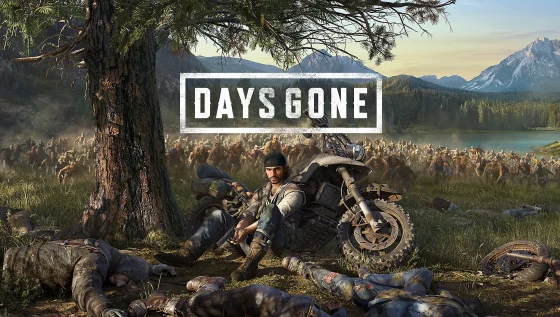
Bend Studio’s Next Game: Not Days Gone, Arriving 2027?
For fans of narrative-driven experiences and thrilling gameplay, the name Bend Studio evokes a particular excitement. Known for crafting immersive worlds and compelling stories, especially with their PlayStation 4 hit, Days Gone, the studio has maintained a significant silence since its last major release in 2019. This prolonged quietude has naturally fueled a fervent speculation among the gaming community: what could possibly be next for the acclaimed developer? With its open-world post-apocalyptic setting and emotionally resonant tale, Days Gone concluded with an intriguing narrative hook, leaving many clamoring for a sequel that would continue Deacon St. John’s journey through a world ravaged by Freakers.
However, recent whispers from within the industry suggest that the future of Bend Studio is taking an entirely different, and perhaps unexpected, trajectory. While the desire for a Days Gone 2 remains strong among a dedicated fanbase, it appears the studio is charting a new course, moving away from its established IP to explore fresh horizons. These emerging reports, though unconfirmed, paint a picture of an ambitious new project currently in advanced stages of development, poised to redefine expectations for the studio.
The central revelation generating buzz is the rumored nature and timeline of this mysterious new title. Far from a direct continuation of Days Gone, sources indicate Bend Studio is crafting a distinct third-person cooperative experience. This strategic pivot signals not only a departure from their previous single-player focus but also a conscious decision to avoid the often-controversial live-service model, a path many other studios have pursued. If the current development pace holds, gamers could see this new offering revealed and launched as early as 2027.
This news arrives at a critical juncture for PlayStation, as it continues to expand its exclusive portfolio and explore diverse gameplay genres. Bend Studio’s rumored project could represent a bold step into the cooperative sphere, promising an innovative addition to the console’s lineup. For the millions of players who have followed Bend Studio’s journey, and for those anticipating the next wave of groundbreaking games, understanding the implications of this shift is paramount. This article aims to delve into the available information, contextualize the studio’s history, and explore what a new cooperative IP could mean for both Bend Studio and the wider gaming landscape.
Unpacking the Future of PlayStation Games: Bend Studio’s Next Chapter
For fans eagerly awaiting news, Bend Studio is reportedly developing a new third-person cooperative game, distinct from the Days Gone universe, with a potential reveal and launch in 2027. This project, while unconfirmed, signals a strategic shift from their past single-player focus and any previous live-service concepts, aiming to deliver a fresh cooperative experience.
The gaming world is abuzz with a significant rumor regarding Bend Studio’s next major release. According to reports from the gaming site MP1st, which cited an anonymous employee, the studio is deep into developing a new third-person title. Crucially, this upcoming project is described as featuring cooperative elements, a departure from the solo narrative experience offered by Days Gone. This move towards co-op gameplay suggests an evolution in Bend Studio’s design philosophy, potentially aiming to foster shared player experiences.
However, one detail stands out prominently: this new game will not be a sequel to Days Gone. Despite the original game ending on a tantalizing cliffhanger and a vocal community expressing a strong desire for its continuation, Bend Studio appears to be moving in a different direction. This decision, if confirmed, aligns with earlier reports that Sony had declined a pitch for a Days Gone sequel, pushing the studio towards new creative endeavors. The focus, therefore, is squarely on innovation rather than iteration within an established universe.
Adding another layer of clarity, the rumor explicitly states that while cooperative, the game will not be a live-service title. This distinction is vital in the current industry climate, where many studios have ventured into the live-service model with mixed results. Bend Studio’s reported choice to deliver a focused cooperative experience, free from the continuous content demands of a live service, might resonate well with players fatigued by such models, prioritizing a complete, finite experience over an ongoing one.
The timeline suggests an ambitious target: the new game is expected to be revealed and launched in 2027. This projection, while exciting, comes with the standard caveat that game development is a complex and often unpredictable process, meaning plans could change. The current stage of development is reportedly advanced, indicating that the studio has been quietly working on this project for some considerable time, meticulously crafting what they hope will be their next hit. As of now, it remains unclear whether this title will be an entirely new intellectual property (IP) or leverage another existing, but currently dormant, one within Sony’s vast library, though certainly not Days Gone.
The Studio’s Track Record and Creative Evolution
Bend Studio boasts a rich history, recognized for its contributions to the PlayStation ecosystem. Before Days Gone, the studio was instrumental in developing beloved titles such as the Syphon Filter series and Uncharted: Golden Abyss for the PlayStation Vita. Each of these projects showcased their prowess in creating engaging action and adventure narratives, often with a strong emphasis on character development and world-building.
The success of Days Gone solidified their reputation, offering a vast open world filled with menacing hordes and a compelling, if at times somber, story. The game’s ending, which revealed a significant plot twist involving former NERO researcher O’Brian, perfectly set the stage for a potential sequel. However, as confirmed by industry insiders, Sony opted not to pursue this direction, encouraging Bend Studio to explore new concepts instead.
Insights from Past Projects: ‘Mirror Pond’ and the Co-op Shift
Interestingly, this isn’t Bend Studio’s first foray into exploring different game formats post-Days Gone. In the past, the studio reportedly worked on a project codenamed ‘Mirror Pond,’ which was intended to be a live-service game for PlayStation. This project, like several others across Sony’s first-party studios, was ultimately canceled. The experience with ‘Mirror Pond’ might have informed the studio’s current direction, leading them to embrace cooperative elements without committing to the full live-service model, a nuance that is significant for players and the industry alike.
Co-op Experiences in the Modern Gaming Landscape
Cooperative gameplay, at its best, fosters unique shared moments and deepens player engagement by allowing friends to overcome challenges together. In contrast to live-service games, which demand continuous investment through seasonal content and battle passes, a dedicated co-op experience can provide a more focused and complete journey.
The cooperative genre has seen a resurgence in popularity, demonstrating its versatility across various styles. From the inventive and critically acclaimed puzzle-platformer It Takes Two, which requires two players to work in tandem through its entire campaign, to the explosive tactical chaos of Helldivers 2, where squads coordinate against alien threats, co-op has proven its ability to deliver diverse and memorable experiences. These games thrive on dynamic player interaction, strategic teamwork, and the inherent fun of shared accomplishment. Bend Studio’s reported approach, focusing on cooperative elements without the ‘game-as-a-service’ tag, suggests a deliberate effort to capture the essence of these successful models: collaboration for a common goal within a defined framework.
Defining the Difference: Co-op vs. Live Service
| Feature | Cooperative Game (Reported for Bend Studio) | Live-Service Game (e.g., Destiny 2, Anthem) |
|---|---|---|
| Monetization Model | Typically upfront purchase, optional DLC for expansions. | Upfront purchase (often), but relies heavily on recurring revenue from season passes, cosmetics, battle passes. |
| Content Structure | Defined narrative campaign, finite end point, replayability often through different characters/difficulty. | Ongoing, evolving content; new seasons, events, expansions continually released to retain player base. |
| Player Commitment | Can be played at own pace, completion often leads to moving to new games. | Designed for long-term, continuous engagement, requiring significant time investment. |
| Gameplay Loop | Focus on core mechanics, story progression, shared objectives. | Often centered around grinding for loot, progression systems, and competitive play to encourage retention. |
| Risk & Reward | Lower risk for players regarding content longevity, higher risk for developers if game doesn’t sell well. | Higher risk for players if game fails to deliver continuous content, higher potential revenue for developers if successful. |
Benefits a New Cooperative IP Could Offer Gamers
A new cooperative IP from Bend Studio holds the promise of fresh storytelling and innovative gameplay mechanics, diverging from previous expectations. It offers PlayStation a chance to diversify its exclusive portfolio and provides the studio an opportunity to forge a new legacy, free from the constraints of past successes.
- Fresh Narrative and World-Building: Moving away from Days Gone allows Bend Studio to unleash its creativity on an entirely new universe, introducing original characters, lore, and conflicts. This could lead to a compelling new narrative that surprises and captivates players without relying on existing fan expectations.
- Innovative Multiplayer Engagement: Developing a game with cooperative elements from the ground up provides the opportunity to design mechanics specifically tailored for shared experiences. This could include unique class systems, environmental puzzles requiring teamwork, or combat scenarios that demand synchronized player action, enriching the gameplay loop significantly.
- Diversification for PlayStation’s Exclusive Lineup: While PlayStation is renowned for its single-player cinematic adventures, a strong cooperative title from a first-party studio could broaden its appeal. This diversification helps cater to a wider audience, providing compelling reasons for players to invest in the PlayStation ecosystem for unique shared gaming moments.
- Opportunity for Bend Studio to Define a New Legacy: For the studio itself, embarking on a new IP is a chance to prove its versatility and adaptability. It allows them to step out from the shadow of past successes and define a new creative identity, demonstrating their ability to innovate and lead in different genres.
- Reduced ‘Sequel Fatigue’: While Days Gone 2 was desired by many, constantly iterating on existing IPs can sometimes lead to ‘sequel fatigue’ in the broader market. A fresh IP offers a clean slate, invigorating both the developers and the audience with novelty.
Limitations & Challenges: The Road to a 2027 Game Launch
Navigating the inherent uncertainties of game development, Bend Studio faces challenges ranging from balancing cooperative design with strong narrative to meeting PlayStation’s high standards. The rumor status itself adds complexity, as do the immense expectations built during the studio’s long period of public silence.
- Inherent Uncertainty of Rumors: The primary limitation is that all information remains unofficial. Development plans are notoriously fluid, and a 2027 target, while plausible, is subject to numerous changes, including delays or even cancellation, as seen with Project Mirror Pond.
- High Competition in the Co-op Market: While the co-op genre is popular, it’s also highly competitive. To stand out, Bend Studio’s game will need truly innovative mechanics, a compelling hook, and flawless execution to capture player attention amidst a crowded field of established and emerging co-op titles.
- Balancing Co-op with Narrative Depth: Bend Studio is known for its strong single-player narratives. Integrating meaningful cooperative play without diluting the storytelling or character development will be a significant design challenge. Creating a story that works well for multiple players, rather than just one protagonist, requires careful planning and execution.
- Meeting PlayStation’s Exclusivity Standards: As a first-party PlayStation studio, Bend Studio’s output is expected to meet extremely high quality bars in terms of graphics, gameplay, and overall polish. This imposes considerable pressure and demands extensive development time, potentially impacting timelines.
- Managing Fan Expectations: The long silence since Days Gone has built immense anticipation. While a new IP offers excitement, it might also disappoint fans who held out hope for a sequel. Balancing these expectations with the reality of a new direction will be crucial for community management.
- New IP Risk: Launching a new intellectual property inherently carries more risk than developing a sequel to a known quantity. It requires building audience recognition from scratch, which can be a monumental task in a crowded market.
Common Pitfalls in Game Development Rumors
Navigating the landscape of game development rumors requires a cautious approach, as unconfirmed reports often lead to widespread speculation that can be misleading. A key pitfall is the tendency to treat early information as confirmed fact, overlooking the fluid nature of a game’s creation process. Development timelines, especially years out, are highly susceptible to change due to unforeseen technical challenges, creative pivots, or shifting market strategies.
Another common mistake is to over-interpret details from anonymous sources. While such sources can sometimes provide accurate insights, their information lacks official verification, making it difficult to gauge credibility. Overreliance on these reports can lead to the propagation of unverified claims, creating unrealistic expectations among the fanbase. The impact of these inflated expectations can be significant; when rumored features or timelines fail to materialize, it often leads to disappointment and frustration, overshadowing the actual merits of the final product.
Best Practices for Following Game Development News
To engage with game development news effectively and avoid misinformation, adopting a disciplined approach is essential. Firstly, always verify sources. Prioritize official announcements from the studio or publisher over unconfirmed leaks and rumors. Reputable news outlets will typically indicate the speculative nature of their reports, allowing readers to differentiate between fact and conjecture.
Secondly, understand the difference between rumor and official announcement. Rumors are speculative and can change; official announcements are concrete and should be treated as such. Maintaining patience is key; major studios often operate under strict secrecy until they are ready to reveal a game, usually much closer to its release. Finally, focus on what *is* confirmed rather than what *might be*. This approach helps manage expectations and ensures a more accurate understanding of a game’s development status, allowing enthusiasts to follow the progress of upcoming games with greater clarity.
Future Trends: The Shifting Sands of PlayStation’s First-Party Strategy
PlayStation’s strategy has notably evolved, prioritizing diverse experiences while exercising caution with the live-service model, reflecting broader industry trends. Bend Studio’s rumored co-op game aligns with this direction, potentially becoming a new pillar in a first-party lineup that embraces varied gameplay styles and innovative concepts.
Sony’s approach to its first-party game development has shown a notable evolution in recent years. While the company remains committed to its legacy of single-player, narrative-rich titles – a strength exemplified by games like God of War, The Last of Us, and Horizon – there’s an evident push to diversify its portfolio. This includes exploring new genres, investing in existing IPs beyond direct sequels, and cautiously venturing into multiplayer spaces, without fully abandoning its core identity.
The cautious approach to live-service games, as evidenced by the cancellation of projects like ‘Mirror Pond’ and adjustments to other online initiatives, suggests a refined strategy. Sony appears to be moving away from the “rush to live service” trend, instead focusing on quality, sustainable multiplayer experiences that complement, rather than compete with, their established single-player pillars. This aligns perfectly with Bend Studio’s rumored co-op project being explicitly *not* a live-service game. It indicates a strategic decision to offer engaging multiplayer without the baggage of continuous content updates and monetization models that sometimes alienate players.
Furthermore, there’s a growing emphasis on accessibility and broader appeal within PlayStation’s strategy. By exploring cooperative gameplay, Bend Studio could contribute to a more inclusive gaming environment where players of varying skill levels can enjoy experiences together. This potential new IP could become a significant new pillar in PlayStation’s lineup, showcasing innovation and a willingness to expand creative boundaries. It also reflects a trend towards fostering community and shared play, which is increasingly important in the modern gaming landscape. This forward-looking perspective positions Bend Studio’s next game not just as an isolated project, but as a strategic piece within PlayStation’s larger vision for the future of interactive entertainment.
Anticipating New Games: The Path Forward for Bend Studio and Fans
For fans eager for new games, Bend Studio’s next project represents a pivot from the Days Gone universe, promising a fresh cooperative experience. While the 2027 timeline and specific details remain unconfirmed, this potential direction highlights a strategic exploration of different gameplay styles within PlayStation’s exclusive portfolio, emphasizing innovation over direct sequels.
The journey of Bend Studio from Days Gone to its next rumored project exemplifies the dynamic and often unpredictable nature of the video game industry. While the allure of a Days Gone sequel captivated many, the prospect of a completely new cooperative IP, free from the live-service model, offers a compelling alternative. It speaks to a studio striving for innovation and a publisher, PlayStation, keen on diversifying its renowned exclusive lineup.
As we cautiously look towards 2027, the anticipation for Bend Studio’s new venture will undoubtedly grow. The shift towards a third-person cooperative experience signals not just a change in gameplay mechanics but potentially a fresh narrative universe waiting to be explored. This strategic pivot could redefine Bend Studio’s identity, allowing them to showcase new facets of their creative talent and solidify their position as a versatile developer within the PlayStation family. For players, it promises a novel experience, a chance to forge new memories in a world yet unknown.
The Role of Patience and Official Announcements
In the realm of game development, patience is a virtue. While rumors ignite excitement and discussion, the definitive truth will only emerge through official channels. Fans are encouraged to stay tuned to PlayStation and Bend Studio’s official announcements for concrete details, trailers, and release windows. Until then, the discussions, theories, and hopes surrounding this enigmatic project will continue to be a vibrant part of the gaming community, fueling the ongoing excitement for the next generation of games.
Frequently Asked Questions About Bend Studio’s Next Game
Is Bend Studio developing Days Gone 2?
No, according to current rumors and past industry reports, Bend Studio is not developing a sequel to Days Gone. While the original game ended with a clear setup for a continuation, and a dedicated fanbase expressed strong interest, Sony reportedly declined Bend Studio’s pitch for Days Gone 2. Instead, the studio has pivoted to work on a new and distinct project, moving away from the established post-apocalyptic universe of Deacon St. John to explore fresh creative avenues.
What type of game is Bend Studio reportedly working on?
Bend Studio is reportedly developing a new third-person cooperative game. This project is said to feature cooperative elements, allowing players to team up, a significant departure from the primarily single-player experience of Days Gone. Crucially, the rumors specify that this title will not be a live-service game, indicating a focus on a more contained and potentially narrative-driven co-op experience rather than an ongoing, evolving content model.
When is Bend Studio’s new game expected to be revealed or released?
According to the latest rumors, Bend Studio’s new game is currently slated for a potential reveal and launch in 2027. The project is reportedly in advanced stages of development, suggesting that the studio has been working on it for a considerable period. However, it’s important to remember that game development timelines are notoriously fluid, and official plans could change, so this 2027 window should be considered a tentative target rather than a confirmed date.
What is the source of these rumors about Bend Studio’s game?
The primary source for these rumors is the gaming news site MP1st, which reportedly obtained its information from an anonymous employee within the industry. While such sources can often provide valuable insights into ongoing projects, the unconfirmed nature of the details means they should be treated as speculation until an official announcement is made by Bend Studio or PlayStation. It’s common for development leaks to emerge from internal sources.
Did Bend Studio ever try to make a Days Gone sequel?
Yes, Bend Studio did propose a concept for a Days Gone sequel to Sony. The original game concluded with a compelling narrative hook, leaving many questions unanswered and setting the stage for a rich follow-up story. However, industry reports indicate that Sony ultimately decided against pursuing Days Gone 2, instead directing Bend Studio to focus on an entirely new project, which is now rumored to be a cooperative third-person title.
What was Project Mirror Pond?
Project Mirror Pond was a codename for a live-service game that Bend Studio was reportedly working on after Days Gone. This project was intended to be a multiplayer-focused title designed for continuous content updates and player engagement, aligning with Sony’s broader, albeit somewhat cautious, exploration of the live-service model. However, ‘Mirror Pond’ was among several live-service projects that were ultimately canceled by Sony, leading Bend Studio to shift its focus once again.
Will Bend Studio’s new game be a live-service title?
No, the rumors explicitly state that Bend Studio’s new cooperative game will not be a live-service title. This distinction is significant, as it suggests the game will focus on delivering a complete experience, likely with a defined narrative or set of objectives, rather than an ongoing model that requires continuous content updates and monetization for sustained player engagement. This direction might appeal to players who prefer more traditional, self-contained game experiences.
Is the new game a new IP or an existing one (outside of Days Gone)?
As of the current rumors, it is not explicitly known whether Bend Studio’s new cooperative game is an entirely new intellectual property (IP) or if it leverages another existing IP from Sony’s vast catalog. The only firm detail provided by the anonymous source is that it is definitely not related to the Days Gone universe. This leaves the door open for both possibilities, adding another layer of mystery and excitement for what the studio might unveil.












Post Comment