Arkane x Ubisoft: Future of Games Development Revealed
In the dynamic and often unpredictable world of video games, news of studio acquisitions and restructuring efforts frequently sends ripples through the community. Recently, the spotlight has fallen intensely on Arkane Studios, a developer celebrated for its distinctive approach to game design, and its potential future. Amidst a period of significant reorganization for Xbox, which has seen several studios face closure or integration, rumors suggest that Arkane itself might be on the market, facing an uncertain path forward.
This evolving situation is more than just a corporate transaction; it touches upon the creative spirit of a studio that has consistently pushed boundaries, the strategic ambitions of major publishers, and ultimately, the kind of games players can expect in the coming years. The reports indicate a race against time for Arkane, with its very existence possibly hinging on a swift resolution. Yet, within this narrative of uncertainty, a glimmer of opportunity has emerged: a prominent industry player, Ubisoft, has reportedly stepped forward with a proposal to acquire the esteemed developer.
The implications of such a deal extend far beyond the immediate financial exchange. For Arkane, it could signify a new chapter of stability and resource access, potentially safeguarding its unique creative vision. For Ubisoft, it represents a chance to diversify its extensive portfolio, infusing it with the critical acclaim and innovative design Arkane is known for. For Xbox, it reflects an ongoing strategic recalibration, pruning certain assets while focusing on others. And for fans of immersive storytelling and intricate gameplay, the outcome could determine the fate of beloved franchises and the direction of future blockbuster games like Marvel’s Blade.
This article delves into the core of these developments, exploring the reported interest from Ubisoft, the context of Xbox’s restructuring, Arkane’s lauded legacy and recent challenges, and the broader ramifications for the games industry. We aim to provide a comprehensive understanding of what this potential acquisition means for all parties involved, offering insights into the benefits, limitations, and future trends that could emerge from this pivotal moment in game development.
Ubisoft’s Interest in Arkane: A Pivotal Moment for Future Games Development
Ubisoft has reportedly made a formal proposal to acquire Arkane Studios, as detailed by industry journalist Jason Schreier of Bloomberg. This development marks a critical juncture for the esteemed developer, which is rumored to be actively seeking a buyer amidst a broader restructuring initiative by Xbox. The proposed acquisition, if successful, could significantly influence the direction of Arkane’s creative output and Ubisoft’s strategic market position in future games.
The gaming world is closely watching the developments surrounding Arkane Studios, a name synonymous with innovative and immersive game design. According to well-placed industry sources, including a report by Jason Schreier, a journalist renowned for breaking significant industry news, Ubisoft has emerged as a serious contender to acquire Arkane. This revelation comes at a time when Arkane, particularly its Lyon branch, is reportedly navigating a challenging period, with its operational future under review by Xbox.
Xbox, as part of its wider corporate strategy and in response to evolving market dynamics, has been undertaking a substantial restructuring effort throughout 2026. This initiative has already led to the closure or integration of several of its owned studios, prompting a wave of uncertainty across the development landscape. Within this context, Arkane Studios is rumored to be on the market, actively exploring acquisition opportunities to secure its long-term viability and continue its tradition of crafting unique games.
The specifics of Ubisoft’s proposal, including any financial details or proposed integration plans, have not been publicly disclosed. However, the mere fact of a formal bid from a publisher of Ubisoft’s stature underscores the value placed on Arkane’s talent and intellectual property. This move is indicative of the high stakes involved for both companies, as they consider the potential synergies and challenges of such a union.
Adding another layer of complexity, reports also suggest that Ubisoft was not the sole interested party. Jason Schreier indicated that at least two other companies had previously attempted to acquire Arkane. However, these earlier proposals were apparently not deemed satisfactory by Xbox, failing to meet the terms required for an agreement. This context highlights the critical nature of Ubisoft’s current offer, positioning it as a potentially decisive factor in Arkane’s immediate future.
The urgency of the situation for Arkane is further amplified by a reported deadline. Sources suggest that Xbox has given the studio until December to finalize a decision regarding its future operations. This tight timeline means that Arkane is effectively “running against the clock” to secure an acquisition or formulate an alternative plan that ensures its continued existence as a prominent developer of high-quality games.
Arkane Studios: Crafting Immersive Worlds and Unique Game Experiences
Arkane Studios has carved a distinct niche in the video games industry, primarily through its mastery of the “immersive sim” genre. This design philosophy emphasizes player agency, emergent gameplay, and intricate world-building, allowing players unprecedented freedom in tackling challenges. Their portfolio includes critically acclaimed titles such as the Dishonored series, Prey, and Deathloop, each celebrated for its unique artistic direction, deep narratives, and innovative mechanics that foster replayability.
The studio’s reputation is built on delivering experiences where every decision matters, and the environment itself often acts as a character. Fans widely revere Arkane for its commitment to craft, attention to detail, and a willingness to explore complex themes within its games. This distinct identity has garnered a fiercely loyal fanbase and significant critical praise, establishing Arkane as a developer that consistently delivers thought-provoking and engaging interactive narratives.
The Shadow of Redfall and Xbox’s Restructuring Impact
Despite its lauded history, Arkane Studios, specifically its Austin branch, faced a significant setback with the release of Redfall, an Xbox exclusive that garnered a mixed to negative reception. The game’s performance did not meet critical or commercial expectations, prompting concerns within the industry and among fans. This event coincided with a broader strategic reevaluation by Xbox, which, as part of its ongoing restructuring in 2026, has already made difficult decisions regarding several development teams.
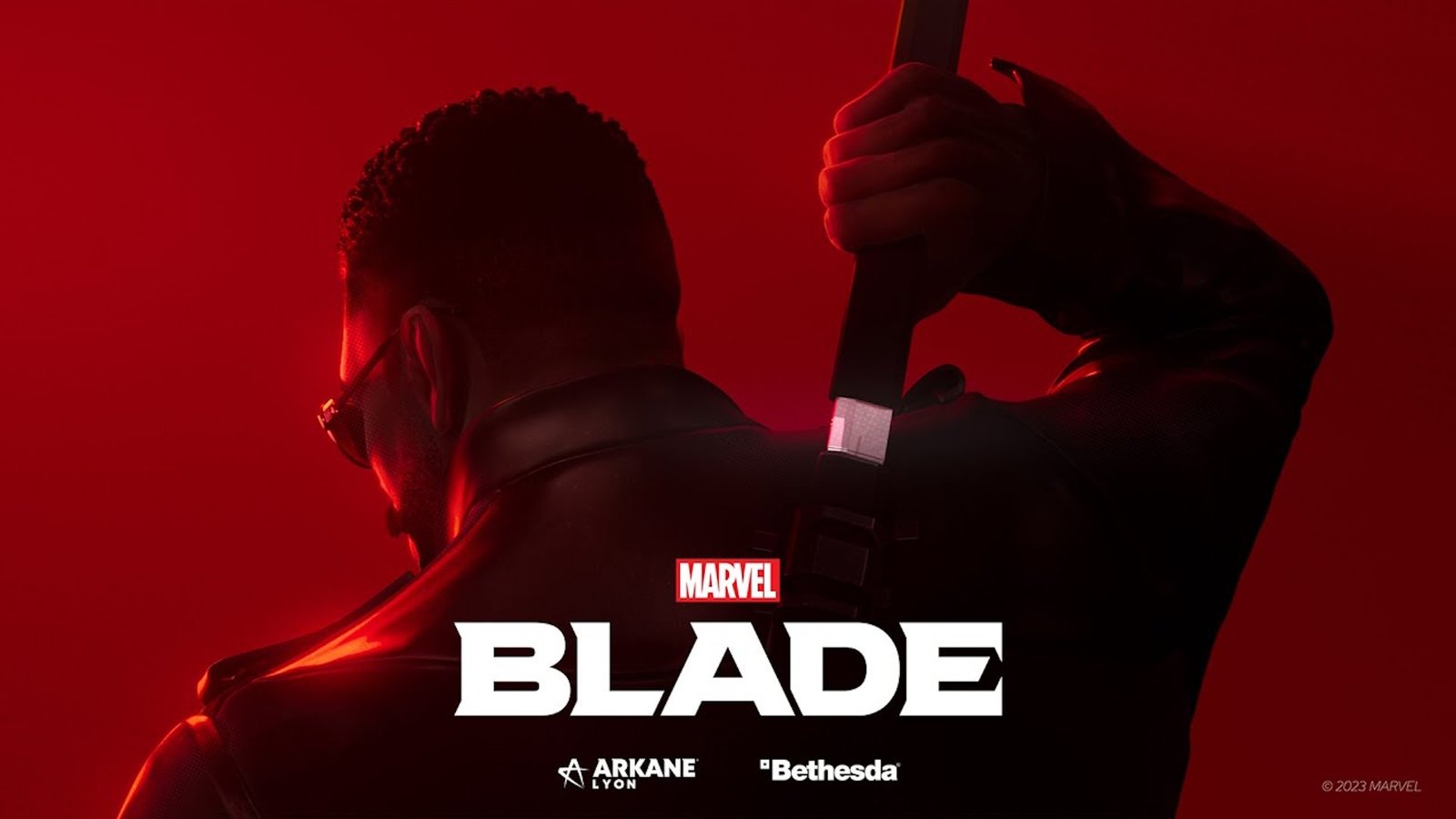
The consequences of this restructuring have been profound, including the closure of high-profile studios like Tango Gameworks and Alpha Dog Games, as well as the integration of Arkane Austin into other divisions. These actions underscore Xbox’s commitment to streamlining its first-party portfolio and focusing resources on key strategic areas. For Arkane Lyon, the developer behind the acclaimed Dishonored and Deathloop and currently working on Marvel’s Blade, this tumultuous environment means a pressing need to define its future, with a reported deadline from Xbox looming in December to clarify its status as a developer of compelling games.
Ubisoft’s Acquisition Ambitions Amidst Industry Shifts
Ubisoft, a global powerhouse in the gaming industry, has also been navigating its own set of challenges, from financial pressures to a critical discourse surrounding its approach to open-world and live-service games. In this context, the potential acquisition of Arkane Studios could represent a strategic pivot. By integrating a studio known for its unique design philosophy and critical acclaim, Ubisoft could aim to diversify its development portfolio beyond its established franchises like Assassin’s Creed and Far Cry.
Such a move would allow Ubisoft to tap into Arkane’s expertise in immersive storytelling and player-driven mechanics, potentially elevating its overall creative output and appealing to a broader audience. It could also provide a significant boost to Ubisoft’s prestige, countering some of the recent criticisms and reaffirming its commitment to innovation within the fiercely competitive games market. The opportunity to leverage Arkane’s talent for new intellectual properties or even to inject its distinctive style into existing Ubisoft universes could prove invaluable.
Potential Synergies: How an Arkane-Ubisoft Deal Could Reshape Future Games
An acquisition of Arkane by Ubisoft could create significant synergies, offering Arkane greater stability and resources while providing Ubisoft with a critically acclaimed developer known for innovative design. This union holds the potential to reshape future games by combining Arkane’s unique creative vision with Ubisoft’s extensive publishing capabilities and global reach, ultimately benefiting players through more diverse and high-quality titles.
The potential acquisition of Arkane Studios by Ubisoft is not merely a transaction; it’s a strategic alignment that could unlock significant value for both entities and, by extension, for the entire games industry. For Arkane, joining a larger publisher like Ubisoft could provide much-needed stability and access to substantial resources, which are crucial for developing ambitious projects without the constant pressure of short-term financial viability. This could translate into more consistent production cycles, enhanced technological capabilities, and a wider global marketing reach for their distinct games.
Moreover, Arkane’s unique creative vision, which emphasizes player choice, detailed world-building, and artistic integrity, could find a more secure home. The studio might gain the freedom to focus on what it does best – crafting innovative immersive sims and narrative-driven experiences – potentially with fewer immediate commercial constraints than it has recently faced. This increased creative latitude could lead to even more groundbreaking games from the studio, building on the legacy of titles like Dishonored and Prey.
For Ubisoft, the benefits are equally compelling. Acquiring Arkane would instantly inject a shot of critical prestige into its portfolio. Arkane’s reputation for quality and innovation could help elevate Ubisoft’s brand image, which has sometimes been criticized for relying heavily on formulaic open-world design and live-service models. This move signals a commitment to diversifying its development talent and embracing a wider spectrum of game experiences beyond its traditional offerings.
Furthermore, Arkane’s specialized expertise in level design, environmental storytelling, and complex systems could be invaluable. This talent could either be channeled into developing new, groundbreaking intellectual properties that stand distinctly apart from Ubisoft’s current lineup, or, perhaps, subtly influence existing Ubisoft franchises. Imagine the narrative depth and systemic intricacy of an Arkane-infused Assassin’s Creed or a new intellectual property that combines Ubisoft’s production values with Arkane’s unparalleled creativity. The possibilities for enriching Ubisoft’s output with more diverse and acclaimed games are substantial.
Navigating Creative Integration: Challenges for Arkane Under New Ownership
While an acquisition offers numerous advantages, it also presents significant challenges, particularly concerning creative integration. Arkane’s distinct studio culture, built around niche immersive sim design, could clash with Ubisoft’s larger, more corporate structure, which often prioritizes scalable open-world models and established franchises. Maintaining Arkane’s unique creative freedom and identity under a new parent company will be crucial, as too much top-down influence could dilute the very essence that makes Arkane’s games special.
Another major concern revolves around the ongoing development of Marvel’s Blade. Any change in ownership or management could introduce disruptions to the project, potentially affecting its creative direction, development timeline, or even the underlying technological framework. Ensuring a smooth transition for the existing development team and safeguarding the vision for Marvel’s Blade will be a paramount challenge for both Arkane and its potential new owner, Ubisoft.
Common Pitfalls in Studio Acquisitions: Lessons for Arkane and Ubisoft
History is replete with examples of studio acquisitions that, despite initial promise, failed to meet expectations due to various pitfalls. One common error is the hurried integration of corporate cultures, where the acquiring company attempts to impose its methodologies too quickly or too rigidly. This often leads to a loss of the acquired studio’s unique identity, alienating its core talent and diminishing its creative output. For Arkane, whose strength lies in its distinctive design philosophy, preserving its autonomy would be vital.
Another pitfall is the lack of understanding or respect for the acquired studio’s core strengths and processes. If Ubisoft fails to grasp the intricate nuances of Arkane’s development approach, attempting to force it into a more traditional publisher mold, the quality and originality of future games could suffer. Furthermore, talent retention is a critical issue; key developers and creative leads may depart if they feel their artistic vision is compromised or their work environment significantly altered, leading to a “brain drain” that undermines the acquisition’s value.
Strategies for a Successful Transition: Ensuring Arkane’s Future in Games
To ensure a successful transition and preserve Arkane’s unique contribution to the games industry, several best practices for studio acquisitions should be considered. Clear and transparent communication from the outset is paramount, addressing concerns of both Arkane’s and Ubisoft’s employees. This helps to build trust and mitigate anxieties about job security and creative direction. Respecting Arkane’s creative autonomy, allowing its leadership to largely continue guiding its development processes, is equally crucial.
A phased integration approach, where changes are introduced gradually and thoughtfully, can help prevent cultural shocks and allow time for mutual understanding to develop. Leveraging Arkane’s existing leadership and expertise, rather than replacing it, ensures continuity of vision and retains invaluable institutional knowledge. Ultimately, the long-term success of the acquisition hinges on a shared vision that prioritizes the creation of innovative, high-quality games, balancing Arkane’s artistic ambitions with Ubisoft’s commercial objectives, fostering an environment where creativity can truly flourish.
The Evolving Landscape of Game Development and Publisher Strategies
The potential Arkane-Ubisoft deal unfolds against a backdrop of ongoing consolidation and strategic shifts within the broader games industry. Major publishers and platform holders are increasingly looking to bolster their first-party development capabilities and secure exclusive content. This trend, exemplified by Microsoft’s acquisition of ZeniMax (Arkane’s former parent) and Sony’s purchase of Bungie, highlights a competitive environment where unique intellectual property and proven development talent are highly prized assets.
The role of subscription services like Xbox Game Pass and PlayStation Plus is also influencing these strategies, driving demand for a continuous stream of compelling games. For developers like Arkane, these industry shifts present both existential challenges and significant opportunities for stability and growth under the right corporate umbrella. The future will likely see continued emphasis on studios that can deliver distinctive experiences that stand out in an increasingly crowded market, pushing the boundaries of what interactive entertainment can be.
The Future of Arkane and Its Impact on the Games Industry
The potential acquisition of Arkane Studios by Ubisoft represents a critical juncture for both entities and could significantly impact the future of the games industry, particularly the immersive sim genre and upcoming titles like Marvel’s Blade. The outcome will determine Arkane’s stability and creative trajectory, while also influencing Ubisoft’s strategic diversity and market perception, all under the watchful eye of Xbox’s ongoing restructuring efforts.
As the December deadline reportedly looms for Arkane Studios to secure its future, the proposed acquisition by Ubisoft remains a focal point of discussion within the games industry. The implications of this deal are far-reaching, affecting not just the employees and stakeholders of Arkane and Ubisoft, but also the millions of players who cherish Arkane’s unique contribution to interactive entertainment. The decision made in the coming months will likely shape the trajectory of one of gaming’s most innovative studios.
For Arkane, the path forward is fraught with both promise and peril. An acquisition by Ubisoft could provide the stability and resources necessary to continue developing ambitious, high-quality games, including its highly anticipated Marvel’s Blade. This could mean a renewed focus on creative excellence without the immediate pressures that have reportedly led to its current precarious position under Xbox’s restructuring. The hope is that Arkane’s distinctive creative spirit, which has captivated players for decades, will not only survive but thrive under new ownership.
Conversely, for Ubisoft, integrating Arkane would be a bold strategic move. It would significantly diversify its internal development capabilities, adding a studio renowned for its niche, critically acclaimed immersive sim games to a portfolio largely dominated by expansive open-world franchises. This could enhance Ubisoft’s reputation for innovation and quality, attracting new talent and a broader audience base. The successful integration of Arkane’s unique development culture and its approach to storytelling could lead to exciting new intellectual properties or even fresh perspectives on existing Ubisoft universes.
However, the risks associated with such an acquisition cannot be understated. The delicate balance between preserving Arkane’s creative independence and integrating it into a larger corporate structure will be key. Cultural clashes, artistic differences, and the potential loss of key talent are real concerns that have plagued many studio acquisitions in the past. Ensuring that Arkane maintains its unique identity and design philosophy will be paramount to the long-term success of any deal.
Ultimately, the saga of Arkane Studios serves as a microcosm of the larger shifts occurring in the global games industry. The increasing consolidation of studios, the strategic maneuvering of major publishers, and the constant pressure to deliver innovative and financially successful titles all contribute to a landscape where change is the only constant. How this particular chapter concludes will offer valuable insights into the future of game development, the evolving relationship between creators and publishers, and the kinds of immersive experiences that will define the next generation of games.
As the situation develops, fans and industry observers alike will be watching closely. The hope is that whatever the outcome, Arkane Studios will continue to be a beacon of creativity, enriching the world of games with its unparalleled vision and storytelling prowess.
Frequently Asked Questions About Arkane, Ubisoft, and the Future of Games
1. What is the main rumor regarding Arkane Studios?
The primary rumor, reported by Jason Schreier of Bloomberg, suggests that Arkane Studios is currently for sale and at risk of closure due to Xbox’s ongoing restructuring efforts. Notably, Ubisoft has reportedly submitted a proposal to acquire the studio, indicating a potential shift in ownership that could secure Arkane’s future. This development has generated significant discussion within the gaming community, given Arkane’s celebrated history of developing innovative and critically acclaimed immersive sim games.
2. Who reported on Ubisoft’s interest in Arkane?
Ubisoft’s interest in acquiring Arkane Studios was first reported by Jason Schreier, a highly respected and authoritative journalist for Bloomberg. Schreier is widely known for his deep insights into the video games industry, frequently breaking major news regarding studio acquisitions, closures, and development cycles. His reports are typically based on robust sources, lending significant credibility to the claims about the potential deal.
3. Why might Arkane Studios be for sale?
Arkane Studios may be for sale as a consequence of Xbox’s extensive restructuring efforts throughout 2026. This initiative has seen Microsoft evaluate its portfolio of first-party studios, leading to closures and integrations for several developers. While Arkane Lyon is working on Marvel’s Blade, Arkane Austin’s recent title, Redfall, received a mixed reception, which may have contributed to a reevaluation of the studio’s position within the Xbox ecosystem, prompting the search for a new owner to ensure its stability and future development of games.
4. What is Arkane’s current major project?
Arkane Lyon, the specific branch of Arkane Studios reportedly being considered for acquisition, is currently working on Marvel’s Blade. This highly anticipated title was announced during The Game Awards 2023 and has generated considerable excitement among fans, promising to bring Arkane’s signature immersive sim design to the iconic Marvel character. The future of this project is a significant point of concern amidst the acquisition rumors, as any change in ownership could impact its development and release of new games.
5. Have other companies shown interest in Arkane?
Yes, according to Jason Schreier’s report, Ubisoft is not the only company that has expressed interest in acquiring Arkane Studios. The journalist indicated that at least two other companies had previously made proposals to Xbox. However, these earlier offers were apparently not considered ideal by Xbox, preventing any agreement from being reached. This underscores the competitive nature of the situation and the strategic value placed on Arkane’s development capabilities and intellectual property in the broader games market.
6. What is the reported deadline for Arkane’s future decision?
Sources indicate that Xbox has given Arkane Studios a firm deadline until December to finalize a decision regarding its operational future. This timeline suggests a sense of urgency for the studio to either secure an acquisition, such as the reported bid from Ubisoft, or formulate a viable alternative plan to ensure its continued operation. The approaching deadline emphasizes the critical nature of the current negotiations and the high stakes involved for the future of Arkane’s unique games.
7. What could be the benefits of this acquisition for Ubisoft?
An acquisition of Arkane by Ubisoft could bring several key benefits. It would significantly diversify Ubisoft’s development portfolio, adding a critically acclaimed studio known for unique immersive sim games and strong narratives. This could boost Ubisoft’s brand prestige, attract new talent, and appeal to a broader audience beyond its traditional open-world franchises. Furthermore, Arkane’s expertise could be leveraged for new IPs or to inject innovative design philosophies into existing Ubisoft titles, enhancing their overall quality and appeal in the competitive games market.
8. What are the potential risks for Arkane if acquired by Ubisoft?
For Arkane, an acquisition by Ubisoft carries potential risks, primarily concerning the preservation of its distinctive creative identity and studio culture. There’s a risk of cultural clash between Arkane’s niche development philosophy and Ubisoft’s larger, more corporate structure, potentially leading to a dilution of creative freedom. Challenges also include maintaining the unique design vision for projects like Marvel’s Blade and retaining key talent who might be apprehensive about the transition or feeling of making new games under new direction.
The Next Chapter: Navigating Uncertainty in the World of Games Development
The unfolding narrative around Arkane Studios and Ubisoft’s reported interest encapsulates the volatile yet exhilarating nature of the modern games industry. It’s a story of legacy, challenge, and the perpetual quest for innovation in a landscape defined by rapid change and strategic realignments. The outcome of these negotiations will not just seal the fate of a beloved studio; it will also set a precedent for how talent, creativity, and commercial viability are balanced in the pursuit of crafting unforgettable digital experiences.
As fans and industry observers alike await further developments, one truth remains clear: Arkane Studios holds a special place in the hearts of those who value depth, artistic vision, and player agency in their games. Whether under a new banner or through an unexpected resolution, the hope is that the unique spark that defines Arkane will continue to ignite, bringing forth new worlds and captivating stories for generations of players to explore. The next chapter is poised to be as compelling as any of the narratives Arkane itself has so masterfully crafted.













Post Comment