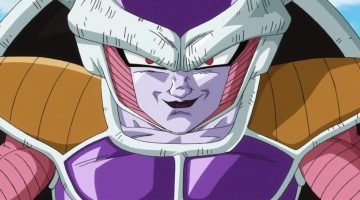
Dragon Ball’s Frieza Force Armor: An Otaku’s Deep Dive
Few fictional garments have managed to etch themselves into the collective consciousness of anime fans quite like the battle armor seen throughout the Dragon Ball universe. More than mere protection, this iconic gear, initially the standard uniform for Frieza’s vast galactic army, evolved to symbolize the very essence of Saiyan culture and their complex journey. From the menacing arrival of Raditz to the proud defiance of Vegeta, and even its surprising adoption by Earth’s heroes, this armor tells a story – a narrative woven into the fabric of one of the most beloved anime franchises of all time. For any true fan, particularly the dedicated Otaku, understanding the armor’s journey is to grasp a deeper layer of Dragon Ball’s genius.
The armor’s debut coincided with the seminal moments of Dragon Ball Z, instantly establishing its presence. It wasn’t just a costume; it was a visual shorthand for power, conquest, and a hierarchical structure that dominated the cosmos. As characters like Raditz and Nappa first appeared, clad in their distinct Saiyan battle gear, audiences were immediately introduced to a formidable new threat, their attire underscoring their warrior heritage and allegiance. Yet, it was the proud Prince Vegeta who truly elevated the armor’s status, transforming it from a simple uniform into a powerful extension of his indomitable will and complex personality. His customized version, shedding the cumbersome shoulder pads for a more streamlined, agile silhouette, wasn’t just about enhanced mobility; it was a declaration of individuality, a symbol of defiance against the very empire he once served, signifying a warrior whose path was now his own.
This evolution highlights Akira Toriyama’s masterful ability to infuse functional design with deep narrative meaning. The armor is not static; it adapts, it changes, reflecting the shifting allegiances and escalating powers of its wearers. It represents the oppressive might of the Frieza Force, the ruthless pride of the Saiyans, and eventually, the surprising adaptability of heroes who don it for practical reasons, stripping away its villainous connotations. For fans who meticulously follow every detail, the armor’s transformations offer a rich tapestry of visual storytelling, making it far more than just a piece of clothing but a vital character in its own right within the sprawling Dragon Ball saga. Its cultural resonance, permeating merchandise, fan art, and cosplay, solidifies its place as an indelible icon for the Otaku community worldwide.
The Saiyan Armor: A Narrative Powerhouse for the Dedicated Otaku
The Saiyan battle armor, intrinsically linked to the Frieza Force, is far more than mere protective gear; it’s a profound narrative device that mirrors character development and galactic power dynamics within the Dragon Ball universe. Originally designed for the brutal efficiency of Frieza’s intergalactic military, it quickly became synonymous with the Saiyan race, symbolizing their warrior pride and their role as instruments of conquest. Its omnipresence from the earliest arcs of Dragon Ball Z established a visual language of conflict and authority, immediately signaling a character’s affiliation or heritage.
For the observant Otaku, the armor’s design choices speak volumes. When Raditz and Nappa arrived on Earth, their full battle suits underscored their alien origin and immense power, immediately setting them apart. However, it was Vegeta who truly personified the armor’s symbolic weight. His custom version, characterized by its sleeker vest and absence of bulky shoulder pads, was not just a practical modification for greater agility; it was a visual marker of his unique status as the Saiyan Prince, a warrior who, despite serving Frieza, maintained an unparalleled sense of pride and an eventual, albeit complex, independence. This subtle shift in design communicated his personality and his evolving trajectory long before words could.
During the monumental Cell Saga, the armor underwent another significant narrative transformation. Witnessing Future Trunks and Vegeta don the battle gear, even as they pushed the boundaries of Super Saiyan forms, demonstrated a practical utility beyond mere villainy. The substantial muscle mass gained through their intense training necessitated durable, flexible attire, and the Saiyan armor fit the bill. The revelation that Goku and Gohan also adopted similar attire for their training in the Hyperbolic Time Chamber further solidified this point: the armor was a tool for combat and training, stripped of its original villainous context when worn by Earth’s protectors. This adaptability in its portrayal underscores Toriyama’s clever use of visuals to serve evolving plotlines and character arcs, demonstrating that while the uniform originated with the Frieza Force, its meaning could be redefined by those who wore it.
Direct Answer: Narrative Significance of Saiyan Armor
The Saiyan armor functions as a critical narrative tool in Dragon Ball, symbolizing character allegiance, power levels, and evolving moral alignments. Initially associated with the tyrannical Frieza Force, its design changes reflect individual pride and practicality, becoming a neutral combat uniform for heroes during intense training, effectively transforming its meaning from oppressive might to a symbol of warrior prowess regardless of affiliation.
Evolutionary Design: How the Frieza Force Armor Adapted to Character and Lore
The Frieza Force armor is a masterclass in evolving design, reflecting both practical needs and deeper narrative shifts within the Dragon Ball universe. From its initial standardized appearance to highly customized versions, the armor’s changes tell a story of technological advancement, personal expression, and shifting loyalties, enriching the lore for every dedicated fan.
Initially, the armor presented a unified front for Frieza’s vast army, emphasizing uniformity and the sheer scale of his power. This design was rigid, conveying a sense of imposing, almost emotionless, authority. However, as the series progressed, individual characters began to make the armor their own. Vegeta’s iconic adaptation, discarding the cumbersome shoulder pads, symbolized not just greater agility but a break from the Frieza Force’s stricture, asserting his unique princely status and formidable combat style. This subtle yet powerful alteration demonstrated that even within a militaristic uniform, personal identity could emerge.
The Cell Saga saw further adaptation, driven by the intense physical demands of Super Saiyan training. As characters like Future Trunks, Vegeta, Goku, and Gohan gained immense muscle mass, the armor’s design needed to accommodate these transformations while providing crucial protection. This period showcased the armor’s versatility, proving it wasn’t solely for villains but a practical choice for any warrior pushing their limits. Its function transcended its original context, becoming a generic symbol of readiness for battle.
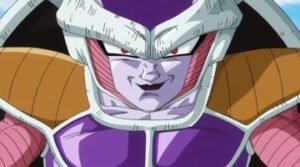
Recent iterations, notably in Dragon Ball Super: Broly, highlight a continued evolution. Frieza himself, with his constantly transforming physiology, no longer consistently wears the traditional armor, underscoring his own unique power and self-sufficiency. Meanwhile, new characters like Cheelai and Lemo are introduced with updated, sleeker versions, some as simple vests, others as complete suits, reflecting modern design sensibilities within the franchise. This continuous refinement, often under the direct guidance of Akira Toriyama, ensures the armor remains relevant and visually exciting, adapting to new characters and storytelling needs while maintaining its core identity.
Direct Answer: Evolution of Frieza Force Armor Design
The Frieza Force armor’s design has evolved from rigid, standardized uniforms for galactic conquest to customized, flexible versions. Early changes reflected individual character pride (e.g., Vegeta), while later adaptations accommodated heroes’ Super Saiyan power-ups and training. Modern iterations feature updated aesthetics for new characters, consistently balancing narrative function, practical utility, and Akira Toriyama’s distinct artistic vision.
Akira Toriyama’s Vision: Blending Utility and Commercial Appeal
Akira Toriyama’s genius lies not only in creating unforgettable characters but also in designing iconic visual elements that resonate deeply with fans and possess undeniable commercial appeal. The Frieza Force armor is a prime example of this philosophy. Its design seamlessly marries utilitarian purpose with unique personality, transforming a functional item into a brand signature.
Toriyama’s approach ensures that the armor is never purely aesthetic. It always serves a narrative purpose, whether signaling allegiance, demonstrating character evolution, or providing practical protection during intense battles. This functional aspect is crucial for immersing the audience in the world of Dragon Ball. Simultaneously, the armor’s distinct visual flair—from its vibrant color schemes to its unique paneling—makes it instantly recognizable and highly desirable. This dual focus ensures that the armor doesn’t just exist within the story; it actively contributes to it while also being ripe for merchandising.
The enduring popularity of the armor in licensed products, from action figures to apparel and video games, attests to Toriyama’s brilliant foresight. Fans don’t merely see it as a piece of clothing; they recognize its narrative weight and its connection to pivotal moments and beloved characters. This inherent connection transforms the armor into a powerful commercial asset, a testament to how a well-conceived design can transcend its original medium and become a cultural phenomenon. As noted in discussions surrounding Goku’s hypothetical need for armor in the Moro Saga, Toriyama’s designs consistently achieve this delicate balance between narrative function and commercial viability.
The Frieza Force Armor’s Enduring Cultural Impact on the Modern Otaku
The Frieza Force armor has cemented its place as an indelible icon within pop culture, particularly for the modern Otaku. Its journey from a uniform of galactic tyranny to a symbol of warrior heritage and even heroic pragmatism reflects a profound connection with the franchise’s overarching themes and character development. This deep narrative integration is precisely what elevates its status beyond a mere costume, turning it into a cherished element of Dragon Ball lore.
For countless fans, the armor is a tangible link to the series’ most epic battles and character transformations. Its evolution mirrors the growth of characters like Vegeta, whose personalized armor became an extension of his pride and individuality. When heroes like Goku and Gohan adopted similar gear for training, it further broadened the armor’s appeal, demonstrating its utility and stripping away its purely villainous connotations. This nuanced portrayal allowed the armor to resonate with a wider audience, symbolizing strength and readiness for battle, regardless of the wearer’s moral alignment.
This rich narrative tapestry contributes significantly to the armor’s enduring presence in the world of licensed products. Walk into any anime convention, browse online merchandise stores, or scroll through fan art, and you’ll inevitably encounter countless interpretations of the Frieza Force armor. It’s a staple in action figure lines, collectible statues, and even high-fashion collaborations, demonstrating its crossover appeal. For the Otaku, owning a piece of merchandise featuring this armor isn’t just about collecting; it’s about connecting with the history, the power, and the evolution of a universe they deeply love. It’s a symbol of their fandom, a recognizable emblem that unites a global community of enthusiasts.
Direct Answer: Cultural Impact of Frieza Force Armor
The Frieza Force armor holds significant cultural impact for the modern Otaku, evolving from a villainous uniform to a symbol of Saiyan pride and heroic training. Its design, deeply integrated into Dragon Ball’s narrative and character development, fosters a strong emotional connection with fans. This iconic status drives its enduring popularity in licensed products, cosplay, and fan art, solidifying its role as a recognizable emblem of the global Dragon Ball fandom.
Comparative Analysis: Frieza Force Armor Across Eras
The Frieza Force armor has undergone subtle yet significant transformations across various Dragon Ball sagas, reflecting narrative shifts, character evolution, and updated artistic directions. Examining these differences offers insight into Toriyama’s deliberate design choices.
| Era/Character | Key Features | Narrative/Symbolic Role | Mobility/Protection |
|---|---|---|---|
| Standard Frieza Force (e.g., Raditz, Nappa) | Full body suit, bulky shoulder pads, cohesive design. | Symbolizes Frieza’s oppressive empire, Saiyan’s role as conquerors. Uniformity and brute force. | High protection, but potentially restricts extreme agility. Standard issue. |
| Vegeta’s Customized Armor (Namek, Cell Sagas) | Sleeker vest, often no shoulder pads, tighter fit, sometimes cape. | Asserts Vegeta’s individuality, pride, and growing independence from Frieza. Marks him as a unique, high-tier warrior. | Enhanced mobility, slightly less bulky protection, favoring speed and personal combat style. |
| Training Armor (Cell Saga – Goku, Gohan, Trunks) | Similar to Vegeta’s custom vest, often with different color schemes. | Practical combat gear for intense training; sheds villainous connotations. Signifies readiness for ultimate challenges. | Optimized for high-level combat and extreme physical transformations (Super Saiyan bulk). |
| Dragon Ball Super: Broly (Cheelai, Lemo) | Modernized, streamlined vests and full suits. Different color palettes. | Reflects updated Frieza Force aesthetic, diverse roles within the army. Visually fresh for a new era. | Balanced for various roles, from foot soldiers to support staff; emphasizes efficiency and contemporary design. |
This comparative overview highlights how a single design concept can be meticulously adapted to serve multiple purposes, from establishing initial antagonist presence to evolving with character arcs and adapting to new artistic styles. For the discerning Otaku, these variations are not just cosmetic; they are crucial visual cues that deepen the appreciation for the saga’s intricate world-building and character development.
Unlocking Potential: Benefits of Strategic Armor Design
The strategic design of the Frieza Force armor offers several benefits, both within the Dragon Ball narrative and as a piece of iconic visual storytelling that resonates with the Otaku community.
- Instant Character Recognition: The distinct look immediately identifies wearers as part of Frieza’s army or as Saiyans, establishing power dynamics and allegiances without lengthy exposition. This visual shorthand is incredibly effective in a fast-paced action series.
- Narrative Flexibility: The armor’s ability to be customized and recontextualized (from villainous uniform to heroic training gear) allows for versatile storytelling, adapting to evolving plotlines and character transformations.
- Visual Progression: Changes in the armor, such as Vegeta’s sleeveless version, visually signify character growth, increased power, and shifting independence, offering subtle cues to the audience.
- Commercial Appeal: The iconic and recognizable nature of the armor makes it a highly desirable asset for merchandise, including action figures, costumes, and video game skins, fueling the franchise’s enduring financial success.
- World-Building Enhancement: The armor contributes to the rich visual tapestry of the Dragon Ball universe, illustrating technological standards, military organization, and cultural identity across different species and factions.
Avoiding Misinterpretations: Common Errors Regarding the Armor
Despite its iconic status, the Frieza Force armor can sometimes be subject to misinterpretations by casual viewers or even by some within the Otaku community. Understanding these common errors helps in appreciating its true narrative and design significance.
- Assuming All Wearers are Villains: A frequent misconception is that anyone donning the armor is inherently evil. While it originated with the Frieza Force, its adoption by Goku, Gohan, Trunks, and Vegeta for training purposes, particularly during the Cell Saga, clearly demonstrated its utilitarian value beyond moral alignment.
- Overlooking Design Evolution: Some might view the armor as a static design. However, as highlighted by Vegeta’s modifications and the updated versions in Dragon Ball Super: Broly, the armor constantly adapts to character needs, artistic trends, and narrative progression, reflecting a dynamic rather than fixed visual element.
- Ignoring Functional Aspects: It’s easy to dismiss the armor as purely aesthetic. Yet, its primary purpose is protection and durability, especially when facing planet-shattering attacks or undergoing intense physical transformations. Its ability to withstand significant damage, only breaking under extreme force (like Gogeta’s Super Saiyan Blue power), underscores its functional importance.
- Underestimating Cultural Impact: Reducing the armor to just ‘a uniform’ overlooks its profound influence on fan culture. Its presence in merchandise, fan art, and cosplay illustrates its deep connection with the Otaku community and its role as a recognized symbol of the Dragon Ball franchise globally.
Future Horizons: The Frieza Force Armor and Its Place in the Evolving Dragon Ball Lore for the Otaku
The Frieza Force armor, a cornerstone of Dragon Ball’s visual identity, continues to evolve, promising new interpretations and sustained relevance in future installments of the franchise. For the dedicated Otaku, understanding these potential trends is key to appreciating the ongoing ingenuity behind its iconic design.
One clear trend is the continued modernization of its aesthetics. As seen in Dragon Ball Super: Broly with Cheelai and Lemo, the armor can be adapted to contemporary anime sensibilities, incorporating sleeker lines and more practical, less cumbersome forms. This ensures it remains visually fresh for new generations of fans while retaining its core recognizability. We can expect future iterations to blend classic elements with cutting-edge design, perhaps even incorporating advanced, alien technologies that reflect the ever-expanding universe of Dragon Ball.
Another strong possibility is its continued use for narrative purposes that transcend traditional good-versus-evil dynamics. The armor has already shed its purely villainous connotations by being worn by heroes. In future arcs, it could be redesigned or recontextualized to represent new factions, ancient warrior orders, or even advanced training suits for Earth’s protectors, further broadening its symbolic meaning. Imagine a scenario where the armor is reverse-engineered or replicated by other species, leading to unique cultural variations that deepen the lore.
Finally, the armor’s commercial appeal is unlikely to wane. Its iconic status ensures it will remain a staple in merchandise, but we might see more sophisticated, high-end replicas, limited-edition figures, or interactive digital versions for games and virtual reality experiences. The enduring fascination with the Frieza Force armor, especially among the Otaku community, guarantees its legacy will continue to be celebrated and reimagined for decades to come, solidifying its place as a timeless emblem of power, pride, and adaptability within the Dragon Ball saga.
Embracing the Legacy: Why Every Otaku Reveres Dragon Ball’s Iconic Armor
For every true Otaku, the Frieza Force armor is far more than just a piece of costume design; it is a profound symbol embedded in the very DNA of the Dragon Ball universe. Its journey from a uniform representing galactic oppression to a versatile battle suit adopted by heroes encapsulates the rich, evolving narrative that has captivated millions worldwide. This armor tells a story of conflict, survival, transformation, and ultimately, the enduring spirit of the Saiyans and their complex relationship with power.
Its unique ability to convey so much with so little—from Vegeta’s defiant pride to the pragmatic training of Goku and Gohan—is a testament to Akira Toriyama’s masterful visual storytelling. The armor acts as a visual shorthand, communicating character arcs, power levels, and even shifting allegiances, all without a single word of dialogue. This deep integration into the narrative is why it resonates so strongly, transforming it from mere attire into a character in its own right, one that reflects the very essence of Dragon Ball’s epic scope.
Moreover, its undeniable commercial appeal speaks volumes about its cultural impact. From action figures to high-end collectibles, the armor’s presence in merchandise allows fans to connect physically with the universe they adore. It’s a badge of honor for cosplayers, a source of inspiration for fan artists, and a recognized emblem that unites the global Otaku community. The Frieza Force armor stands as a powerful reminder that in the hands of a true visionary, even a military uniform can transcend its humble origins to become an everlasting icon, cherished for its depth, versatility, and unwavering ability to spark imagination across generations.
Frequently Asked Questions About Dragon Ball’s Iconic Armor
- What is the primary material of the Frieza Force armor?
While specific fictional materials are rarely detailed, the armor is generally understood to be crafted from highly durable, flexible alien alloys capable of withstanding extreme impacts and energy blasts. This robust composition allows wearers to survive attacks that would obliterate ordinary clothing, providing essential protection in galactic combat scenarios. Its resilience is often depicted as a measure of a character’s power, only breaking under truly catastrophic forces from superior opponents.
- Who designed the Frieza Force armor in the Dragon Ball universe?
Within the Dragon Ball narrative, the specific creator of the Frieza Force armor is not explicitly named. It is implied to be standard military issue, developed by advanced technicians or scientists serving Frieza’s empire. This reinforces the idea of a vast, organized military industrial complex behind the tyrannical ruler. The consistent design across various alien species suggests a centralized production and supply chain.
- Why did heroes like Goku and Gohan wear the Frieza Force armor?
Goku and Gohan, along with Vegeta and Future Trunks, wore variations of the Saiyan battle armor primarily for practical training purposes, particularly during their preparation for the Cell Games in the Hyperbolic Time Chamber. Its superior durability and flexibility made it ideal for intense physical transformations and high-stakes sparring, providing essential protection without hindering movement. This adoption by heroes effectively stripped the armor of its purely villainous connotations, highlighting its utility as a combat garment.
- How did Vegeta’s armor differ from standard Frieza Force designs?
Vegeta’s armor prominently differed from standard Frieza Force designs through its custom fit and often the absence of bulky shoulder pads. His version typically featured a sleeker, tighter-fitting vest, which offered greater mobility and reflected his personal combat style and defiant pride. This modification was not just aesthetic; it underscored his unique status as the Saiyan Prince and his evolving independence from Frieza’s direct command.
- Is the armor still relevant in Dragon Ball Super and beyond?
Yes, the armor remains relevant in Dragon Ball Super and subsequent media. While main characters like Goku and Vegeta often opt for traditional martial arts gis, variations of the Frieza Force armor are frequently seen on new characters like Cheelai and Lemo in Dragon Ball Super: Broly. Its presence continues to serve narrative functions, introduce new character designs, and maintain continuity within the expanding Dragon Ball universe, demonstrating its timeless appeal and adaptability.
- What is the commercial impact of the Frieza Force armor?
The Frieza Force armor has immense commercial impact, serving as a highly recognizable and popular design element for merchandise across the Dragon Ball franchise. It features prominently in action figures, video games, apparel, and collectible items. Its iconic status and deep narrative connection make it a consistent best-seller, leveraging Akira Toriyama’s strategic design that balances utility, character personality, and mass market appeal to fuel continued fan engagement and revenue.
The Next Smart Step: Embracing the Enduring Legacy for Every Otaku
As we’ve explored the intricate journey of the Frieza Force armor, it becomes undeniably clear that this isn’t merely a costume; it’s a narrative device, a symbol of power, and an undeniable icon that resonates deeply with the global Otaku community. Its evolution from a uniform of tyranny to a practical battle suit for heroes showcases the brilliance of Akira Toriyama’s design philosophy, where every detail serves a purpose, both within the story and in the broader cultural landscape.
For fans and enthusiasts, understanding this armor’s multifaceted role enriches their appreciation of the Dragon Ball universe, revealing layers of visual storytelling and character development often overlooked. It’s a testament to how intelligent design can transform a functional item into a beloved symbol, inspiring merchandise, fan art, and countless hours of discussion.
The enduring legacy of the Frieza Force armor reminds us that true iconic status is forged not just in flashy power-ups, but in the subtle details that weave through a narrative, connecting with audiences on a deeper, more meaningful level. So, as you continue your journey through the vast cosmos of Dragon Ball, take a moment to appreciate the armor—a silent, yet powerful, testament to the genius of its creators and the unwavering passion of its dedicated fanbase.






Post Comment