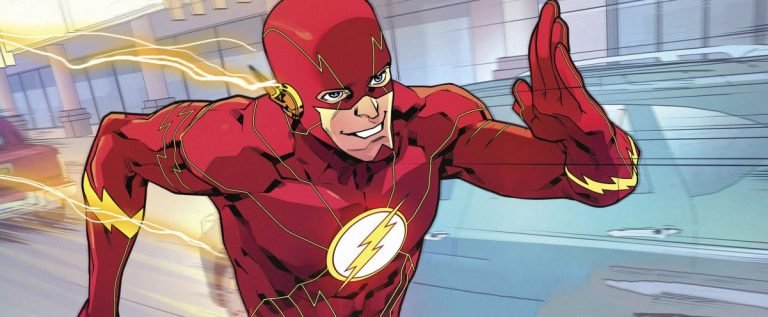
Flash’s Foresight: Hero or Villain? A Nerd’s Deep Dive
In the expansive and often morally ambiguous landscape of superhero narratives, the line between hero and villain can sometimes blur, especially when extraordinary powers come with unforeseen consequences. For decades, The Flash has stood as a beacon of hope and speed, embodying resilience and the pursuit of justice. Yet, recent developments in the DC comics universe have presented Wally West, one of the most beloved iterations of the Scarlet Speedster, with a new ability that could dramatically reshape his legacy. This power, known as ‘Flashes of Insight,’ grants him precognition, allowing him to perceive future events with startling clarity. While seemingly an ultimate tool for crime prevention, this gift carries a profound weight, raising crucial questions about fate, free will, and the inherent dangers of omnipotence. For any Nerd invested in the evolving tapestry of comic lore, this shift represents not just a new chapter, but a potential turning point that could push The Flash into uncharted, morally perilous territory.
The introduction of ‘Flashes of Insight’ has sparked intense discussion among fans and critics alike, highlighting the intricate balance between a hero’s intentions and the unintended repercussions of their abilities. When a character gains the power to prevent tragedies before they even unfold, the ethical framework of their universe is irrevocably tested. How far is too far in the name of safety? What defines justice when crimes can be stopped before they are committed? These are not mere academic questions; they are the very dilemmas that currently plague Wally West, placing him at the center of a profound psychological and moral saga. As we delve deeper into this compelling new arc, we examine whether The Flash’s unparalleled foresight could, ironically, be the very thing that steers him towards becoming a figure akin to the villains he once fought, challenging the very essence of what it means to be a hero in the DC Universe.
The Evolving Powers of a Nerd Icon: Can Wally West’s Foresight Lead to Downfall?
Wally West’s recent acquisition of ‘Flashes of Insight’ represents a monumental shift in his power set, granting him the unprecedented ability to peer into the future. This isn’t merely a vague premonition; it’s a conscious and active faculty, allowing him to perceive unfolding events, from minor accidents to large-scale criminal conspiracies, before they occur. For example, before three individuals could execute a plan to bomb bridges, Wally already possessed the knowledge to intervene and successfully thwart their scheme. This new power allows him to see, for instance, a week into the future, enabling proactive crime-fighting across Central City, Keystone City, and even Metropolis.
Initially, Wally utilizes this ability to prevent countless tragedies, transforming him into an even more effective protector. The comic series, under the guidance of writer Ryan North, illustrates Wally’s journey as he learns to deliberately trigger these visions, mastering the intricate mechanics of his expanded connection to the Speed Force. This conscious control, however, also introduces a new dependency; facing enemies whose abilities manipulate time, Wally finds himself increasingly relying on these future glimpses to strategize and react effectively, hinting at a potential vulnerability rather than an absolute advantage.
This development isn’t without its severe drawbacks. The source material suggests a grave side effect: the excessive use of the Speed Force in this manner risks opening ‘wormholes.’ These temporal anomalies are vividly described as analogous to ‘hyper-advanced brain tumors,’ implying a profound and dangerous deterioration of Wally’s mental and physical state. This consequence casts a dark shadow over his heroic endeavors, painting a picture of a hero whose very means of saving lives might be slowly consuming him from within. The inherent tragedy lies in the possibility that each act of foresight brings him closer to an irreversible decline.
The concept of ‘Flashes of Insight’ redefines the classic speedster archetype. Traditionally, the Flash’s powers revolved around speed, allowing him to react to events faster than anyone else. Now, with precognition, he bypasses reaction entirely, moving into the realm of pre-emption. This qualitative shift raises the stakes considerably, pushing Wally into a moral and physical tightrope walk, where his greatest asset could prove to be his ultimate undoing.
The Flashes of Insight empower Wally West with direct precognitive abilities, enabling him to actively see and prevent future events like crimes and accidents. While offering an unparalleled advantage in heroism, this power’s excessive use risks significant physical and mental deterioration, potentially transforming a key Speed Force conduit into a tragic figure dependent on his eroding abilities.
The Double-Edged Blade: When Preventing Crime Becomes a Moral Minefield
The ability to prevent crimes before they occur, while seemingly ideal, thrusts Wally West into a complex ethical quagmire. The concept directly mirrors the core premise of the film Minority Report, where a specialized police unit apprehends criminals based on precognitive visions. In both scenarios, the underlying danger lies in the conviction of acting ‘right.’ When certainty about future wrongdoing dictates present action, the fundamental principles of justice, due process, and individual liberty become incredibly fragile. Wally, armed with infallible knowledge of impending events, could easily succumb to the temptation of absolute control, believing his interventions are always justified, regardless of the method or the broader implications for free will.
This moral minefield transforms a heroic gift into a potential authoritarian impulse. The power to stop a crime before it’s committed inherently bypasses the traditional justice system, which relies on actions taken, not intentions or predictions. For Wally, who has always championed justice, this new dynamic forces him to confront whether his actions, however well-intentioned, could undermine the very fabric of the society he protects. The weight of this responsibility is immense, placing him in a position where he alone decides who is ‘guilty’ before any act is committed, a burden no single individual should bear without extensive oversight.
The Slippery Slope: From Vigilance to Vigilantism’s Dark Side
The danger is not that Wally West explicitly desires to become a villain, but rather that his unwavering conviction in his ‘Flashes of Insight’ could lead him down a path of overreach. A hero’s certainty, when absolute, can become blind. If Wally is convinced he knows best, he might begin to disregard established protocols, the counsel of his peers, or even the ethical boundaries that distinguish a hero from an oppressor. This trajectory could see him evolving into a figure far removed from the hopeful symbol he once was, operating outside legal or moral constraints, all under the guise of saving lives.
The comparison to Superman’s descent in the Injustice storyline, while acknowledging that Wally would likely be ‘less lethal,’ is particularly poignant. In Injustice, Superman’s grief and conviction that only absolute control could prevent future tragedies transformed him into a benevolent dictator. While Wally might never resort to similar extreme measures or become a malicious supervillain like the Joker, the temptation to impose his will based on future knowledge could lead to an authoritarian paternalism. He could become a hero who saves everyone, but at the cost of their freedom and the very principles his mantle represents.
The Speed Force’s Unseen Toll: Physical and Mental Deterioration for the Nerd Speedster
Beyond the profound ethical challenges, Wally West’s ‘Flashes of Insight’ carry a significant, almost existential, physical toll. The narrative explicitly states that the excessive utilization of the Speed Force for precognition can lead to the formation of ‘wormholes.’ These aren’t just abstract anomalies; the comics characterize them with a chilling analogy: ‘hyper-advanced brain tumors.’ This vivid description underscores a terrifying consequence – Wally’s mind, the very organ processing these visions, is literally deteriorating with each use of his new power. The constant influx of future information and the strain on his connection to the Speed Force are quite literally breaking him down.
This physical degradation adds another layer of tragic irony to Wally’s predicament. As he strives to prevent suffering and save lives, he is simultaneously inflicting irreparable damage upon himself. The internal struggle becomes a race against time, not just to stop external threats, but to preserve his own sanity and existence. This aspect delves into the inherent cost of wielding immense power, demonstrating that even a limitless source like the Speed Force has its price, a price paid in the hero’s own vitality and cognitive function.
The Speed Force’s advanced powers are physically deteriorating Wally West; its excessive use creates ‘wormholes’ likened to aggressive brain tumors, causing internal damage while he endeavors to save lives, highlighting the profound personal cost of his enhanced abilities.
Echoes of Corruption: Grodd’s Influence and the League’s Concern
Adding another layer of potential danger is the speculative connection between Wally’s new powers and the notorious Gorila Grodd. Grodd, a hyper-intelligent ape with a long-standing antagonistic relationship with the Flash family, possesses a unique and formidable connection to the Speed Force. The hypothesis presented is that Grodd’s existing ties to this cosmic energy source could somehow influence or even corrupt Wally West’s burgeoning precognitive abilities. While this remains a theoretical threat within the current narrative, it introduces a terrifying vulnerability. If Grodd could pervert Wally’s insight, turning a tool for good into a weapon for chaos, the ramifications would be catastrophic.
The gravity of Wally’s situation has not gone unnoticed by the wider superhero community. The Justice League, recognizing the immense power and potential risks associated with ‘Flashes of Insight,’ has begun to react with serious concern. Green Arrow, known for his pragmatic and often skeptical approach to power, has reportedly called for a vote among the League members to determine how best to ‘detain’ or ‘stop’ Wally. This internal deliberation highlights the severity of the perceived threat; when the League itself considers intervening against one of its own, it signals a profound crisis of trust and a recognition that Wally’s current path, however well-intended, could lead to unforeseen and dangerous outcomes for the entire world.
Navigating the Ethical Labyrinth: Best Practices for Superheroes with Precognition
The unique ethical challenges posed by precognitive abilities in a superhero highlight the need for robust guidelines and accountability. For characters like Wally West, operating with ‘Flashes of Insight,’ several best practices emerge as critical to maintaining their heroic integrity and preventing a slide into villainy. Foremost among these is the establishment of external oversight. No single hero, no matter how pure their intentions, should wield absolute predictive power without checks and balances. The Justice League’s internal discussion to potentially ‘stop’ Wally is a direct reflection of this necessity, indicating that even within a team of titans, such immense power warrants collective scrutiny and, if needed, intervention.
Another vital practice involves self-limitation and a clear understanding of boundaries. A hero with foresight must consciously choose when and how to intervene, resisting the urge to micro-manage every potential future event. This requires immense discipline, acknowledging that sometimes, allowing events to unfold naturally, even if they involve minor setbacks, is preferable to a constant, overbearing presence that negates free will. Such heroes must also prioritize the preservation of fundamental rights, ensuring that the pursuit of ‘pre-crime’ never infringes upon individual liberties, a lesson that the comparison to Minority Report makes painfully clear.
Furthermore, heroes like Wally must engage in continuous self-assessment and psychological fortitude. The constant exposure to potential tragedies and the weight of knowing future events can take a severe mental toll, as evidenced by the ‘wormholes’ developing from his Speed Force use. Access to psychological support, open communication with trusted allies, and a strong personal moral compass become indispensable tools. These practices collectively ensure that the hero remains anchored to their core values, using their extraordinary gifts to empower and protect, rather than to control or inadvertently harm the very people they swear to defend.
The Future of the Fastest Nerd: What Wally West’s Arc Means for DC Comics
Wally West’s current saga, centered on the ‘Flashes of Insight,’ promises to be one of DC Comics’ most compelling and intricate character arcs in recent memory. For the passionate Nerd community, this storyline offers the tantalizing prospect of a ‘darker, psychological saga.’ It moves beyond straightforward battles of good versus evil, delving into the internal struggles, moral ambiguities, and the profound personal cost of heroism. Fans are eager to witness how Wally navigates these treacherous waters, whether he succumbs to the pressures of his power, or ultimately finds a way to master it without losing himself in the process.
From a meta-narrative perspective, this storyline provides a rich opportunity for DC Comics to explore the inherent humanity of its speedsters. Characters like The Flash have historically served as potent symbols of hope, resilience, and boundless possibility. By introducing a power that threatens to corrupt or consume such a figure, DC is able to peel back the layers, revealing the vulnerabilities and moral complexities beneath the vibrant costumes. It reinforces the idea that even the fastest beings in the universe are susceptible to human flaws, doubts, and the crushing weight of responsibility, making them more relatable and resonant with audiences.
It’s important to contextualize these developments within the broader scope of comic book storytelling. While the current interpretations suggest a path fraught with peril and potential villainy for Wally, the fluid nature of comic narratives means that such outcomes are never set in stone. The creative teams behind these stories often use these intense conflicts to explore character depth, only to pull the hero back from the brink, reinforced and redefined by their trials. This fluidity means that while the present trajectory is alarming, it is ultimately a testament to the dynamic storytelling potential that keeps readers engaged, ensuring that Wally West’s journey remains one of the most unpredictable and exciting in the DC pantheon.
Wally West’s current arc signifies a deeper, psychological exploration of the Flash, promising fans a complex narrative about the cost of precognition and pushing DC to examine the human element of its speedsters, who traditionally embody hope. While a darker path is implied, comic narratives are dynamic, suggesting Wally’s ultimate fate remains a compelling, open question for the Nerd community.
FAQ: Decoding The Flash’s New Powers and Their Implications for Every Nerd
-
What are ‘Flashes of Insight’?
‘Flashes of Insight’ are Wally West’s newly acquired precognitive abilities, allowing him to consciously perceive future events, crimes, and accidents before they happen. This power is distinct from his super-speed, enabling him to know what will occur, rather than simply reacting to it extremely quickly. He can proactively prevent tragedies across multiple cities, making him an even more formidable hero, but also introducing profound moral and physical challenges that test the limits of his heroism and the Speed Force itself.
-
How could these powers turn The Flash into a villain?
The danger lies not in malicious intent, but in the slippery slope of absolute conviction. By knowing future crimes, Wally might overstep ethical boundaries, bypass due process, and impose his will in the name of prevention, potentially becoming an authoritarian figure akin to the Minority Report concept. His certainty could lead to a ‘benevolent’ dictatorship, where his good intentions pave the way for a controlling style of heroism that ultimately infringes on free will, alienating allies and civilians alike.
-
What are the physical consequences of using ‘Flashes of Insight’?
The excessive use of ‘Flashes of Insight’ puts an immense strain on Wally’s connection to the Speed Force, leading to severe physical deterioration. The comics describe this as opening ‘wormholes’ in his brain, drawing a stark analogy to ‘hyper-advanced brain tumors.’ This implies a progressive and potentially irreversible cognitive and physical decline, forcing Wally to pay a devastating personal price for every future event he prevents, making his heroism a self-destructive act.
-
Why is the Justice League concerned about Wally West?
The Justice League is concerned because Wally’s new power represents an unprecedented level of control and knowledge, coupled with severe personal risks. Green Arrow, in particular, voiced apprehension, calling for a vote to determine how to address Wally’s situation. The League’s concern stems from the potential for overreach, the ethical dilemmas of pre-crime intervention, and the physical toll Wally is enduring, fearing that his actions, however well-meaning, could lead to catastrophic unforeseen consequences for the world and for Wally himself.
-
Is there a connection between Gorila Grodd and Wally’s new powers?
The current narrative includes speculation, though not confirmation, that Gorila Grodd’s unique connection to the Speed Force could potentially influence or corrupt Wally West’s ‘Flashes of Insight.’ This hypothesis suggests a terrifying avenue for villainous manipulation, where Wally’s greatest tool for good could be turned against him or used for nefarious purposes. This possibility adds a layer of external threat to Wally’s internal struggle, making his predicament even more precarious.
-
How does this storyline impact the broader perception of speedsters in DC Comics?
This storyline profound impacts the perception of speedsters by delving into their vulnerabilities and the moral complexities of their powers. Traditionally symbols of hope, speedsters are now shown to grapple with human flaws and the immense psychological burdens of their abilities. It recontextualizes the Speed Force as not just a source of power, but also a potential wellspring of danger and self-destruction, offering a richer, more nuanced understanding of these iconic characters and their place in the DC universe.
-
Is this arc definitively leading to Wally West becoming a villain?
While the storyline presents compelling arguments and scenarios for Wally West’s potential descent into villainy or authoritarianism, comic book narratives are inherently dynamic and often feature heroes overcoming their darkest challenges. The current arc is designed to explore complex themes and push the character to his limits. It serves as a psychological and moral saga rather than a definitive prophecy. The ultimate resolution remains subject to the ongoing creative direction, keeping readers on the edge of their seats.













Post Comment