Disney’s Chosen Families: Pop Culture’s Deepest Bonds
For decades, Disney has captivated audiences worldwide with tales of adventure, magic, and enduring relationships. While the enchanting visuals and memorable songs often take center stage, a deeper, more resonant theme frequently underpins these narratives: the notion of family. Yet, Disney’s portrayal of family often extends far beyond the conventional, challenging viewers to consider what truly binds individuals together. It’s a conversation that explores whether family is merely a matter of biological connection or something forged through shared experiences, unwavering support, and an active choice to belong.
From a plucky Hawaiian girl and her mischievous alien ‘dog’ to a curmudgeonly widower embarking on a sky-high adventure with an unexpected companion, Disney stories consistently present groups navigating life’s complexities who, against all odds, form unbreakable bonds. These narratives resonate profoundly because they tap into a universal human desire for connection and belonging, often reflecting the diverse realities of modern families. They serve as poignant reminders that love, understanding, and commitment can create a family unit just as strong, if not stronger, than any lineage defined by blood.
This exploration takes us through the rich tapestry of Disney’s storytelling, examining how beloved characters find their place, build their communities, and redefine what it means to be family. Moreover, we’ll see how this powerful theme transcends the silver screen, finding new life and interactive meaning within the burgeoning Pop Culture phenomenon of Disney Lorcana. Through card mechanics and strategic gameplay, the game offers a fresh, tangible interpretation of these cherished connections, allowing fans to actively engage with the very essence of chosen family.
The Evolving Definition of Family in Pop Culture Narratives
Disney’s expansive universe consistently challenges conventional notions of kinship, presenting families that are as varied and complex as life itself. These stories delve into the nuanced dynamics of belonging, illustrating that while blood ties might be a starting point, they rarely represent the full picture of what constitutes a family. Instead, it’s often the deliberate act of choosing, nurturing, and committing to one another that transforms a group of individuals into an inseparable unit. This theme resonates deeply within contemporary Pop Culture, reflecting a broader societal understanding of diverse family structures.
Across numerous narratives, characters grapple with loss, displacement, and the search for acceptance, only to discover that their true family might reside in the most unexpected places. Whether it’s an alien experiment finding a home with a lonely girl or a group of sentient toys navigating obsolescence together, these stories highlight the enduring power of connection built on mutual care rather than shared genetics. They speak to the universal yearning for a place where one is truly seen, valued, and loved for who they are, encouraging audiences to reflect on their own definitions of family and community.
This redefinition isn’t merely a plot device; it’s a foundational element that drives character development and narrative conflict. It allows for profound explorations of identity, empathy, and resilience, as characters learn to embrace differences and overcome adversity through the strength of their chosen bonds. Such narratives contribute significantly to the cultural dialogue surrounding family, offering positive representations of non-traditional structures and reinforcing the idea that love and support are the ultimate building blocks of any enduring family.
The concept of family in Disney’s pop culture narratives frequently extends beyond biological ties, embracing relationships forged through care, shared experiences, and a conscious decision to remain together. These stories demonstrate that true belonging is often found in the most unexpected connections, proving that love and loyalty are far more defining than lineage.
Embracing New Bonds: How Disney Stories Redefine Belonging
Many Disney narratives compellingly illustrate that the formation of new bonds doesn’t diminish existing ones; rather, it expands a character’s capacity for connection and belonging. For instance, Lilo’s ‘ohana with Stitch and her surrogate family, including Jumba and Pleakley, doesn’t negate her profound sisterly connection with Nani. Instead, these new relationships reinforce and broaden her support system, showcasing how love can grow and encompass diverse individuals without dilution.
Similarly, Hiro Hamada, after the tragic loss of his brother Tadashi, finds an essential support network and a new sense of purpose within Tadashi’s eclectic group of friends. These friends become his chosen family, offering emotional support, intellectual stimulation, and shared adventures. This dynamic highlights that while biological family provides a foundation, chosen connections often fill unique emotional needs, providing companionship and understanding during pivotal life stages.
Even Carl Fredricksen in Up, initially clinging to the memory of his late wife Ellie, gradually opens his heart to the boisterous Wilderness Explorer Russell, the loyal dog Dug, and the eccentric bird Kevin. This unlikely quartet forms a new, vibrant family unit, demonstrating that honoring past loved ones doesn’t necessitate isolation. Instead, creating new relationships enriches one’s life, proving that belonging can be rediscovered and rebuilt after profound loss.
The Complexities of Belonging: Lessons from Encanto
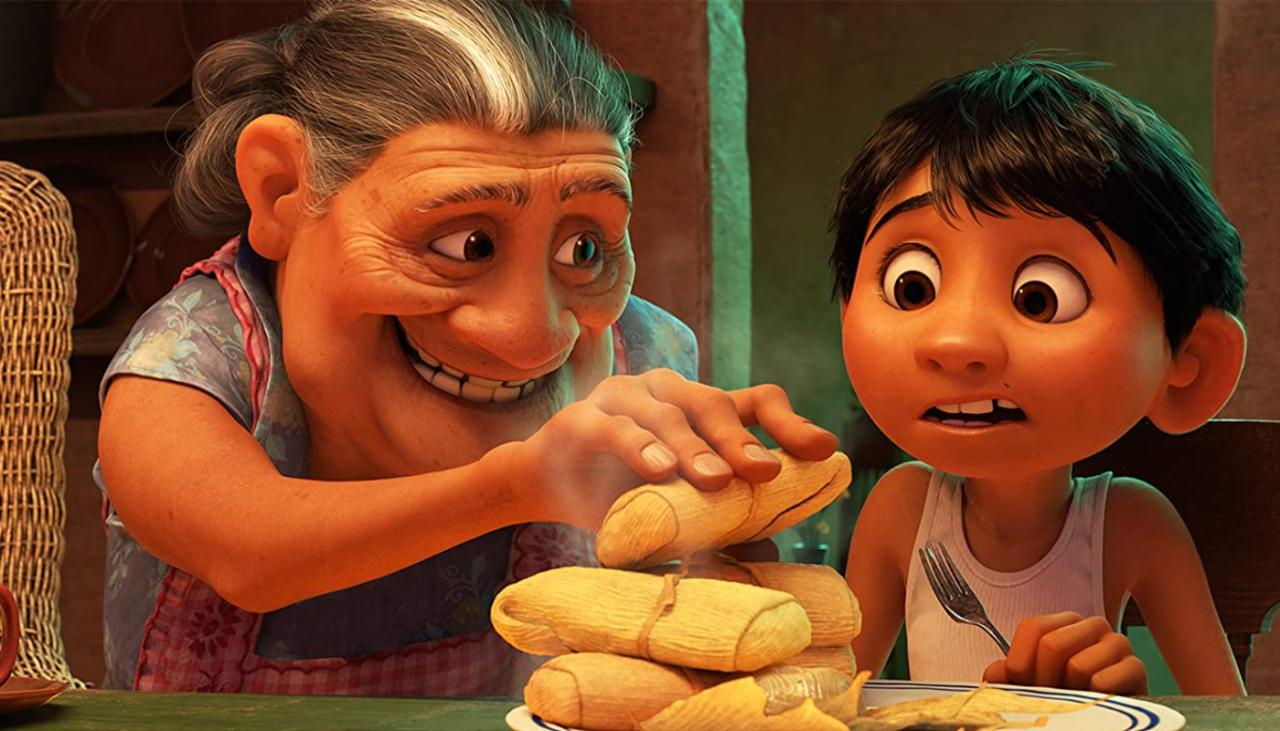
While many Disney stories celebrate chosen families, Encanto offers a profound exploration of the complexities of belonging within a biological family. Mirabel Madrigal, born into a family where every member possesses a magical gift, feels isolated and unseen due to her lack of a special power. Despite being physically present in the enchanted Casita, her perceived difference makes her feel fundamentally outside the family’s core identity and purpose.
Mirabel’s struggle isn’t about finding a new family, but about being truly acknowledged and valued by the one she already has. The film meticulously unpacks the pressures and expectations placed upon each Madrigal, revealing how rigid definitions of worth, driven by their matriarch Abuela Alma, have created emotional distance even among those who love each other deeply. Luisa’s burden of constant strength, Isabela’s quest for perfection, and Bruno’s ostracization for his unsettling visions all stem from a family dynamic that prioritizes utility and image over genuine individual expression.
The film’s resolution doesn’t advocate for Mirabel abandoning her family. Instead, it illustrates a powerful transformation where the Madrigals must learn to see beyond gifts and expectations, embracing each other’s true selves, flaws and all. This narrative teaches that even biological families must consciously choose to reconnect, communicate, and redefine their love in ways that foster true belonging for every member. It’s a testament to the idea that belonging can also blossom when established relationships evolve and adapt to embrace authenticity.
Pop Culture’s Playful Interpretation: Chosen Families in Disney Lorcana
The rich narratives of chosen families and belonging that permeate Disney’s cinematic universe find a vibrant, interactive new home in Disney Lorcana, a trading card game that masterfully translates these profound themes into engaging gameplay mechanics. This innovative approach offers fans a tangible way to interact with their favorite characters’ relationships, adding a strategic layer to the emotional depth of the stories. Lorcana doesn’t just feature characters; it embodies their connections, turning thematic resonance into a core component of play.
In Lorcana, the concept of a chosen family extends beyond mere lore; it influences how players build decks, interact with cards, and strategize during a match. Characters gain strength, provide protection, or unlock new abilities when surrounded by specific allies, mirroring the narrative idea that individuals are often stronger and more capable when supported by their chosen family. This creative integration makes the game highly appealing to fans of Pop Culture, as it allows them to manifest beloved story dynamics within a competitive setting.
By transforming abstract themes like care, loyalty, and collective strength into concrete game rules, Lorcana provides a unique platform for players to experience the power of chosen bonds firsthand. It encourages thoughtful deck construction that prioritizes synergy and thematic cohesion, rewarding players who understand how different characters can support each other to achieve victory. This commitment to narrative translation sets Lorcana apart, solidifying its place as a compelling and emotionally resonant entry in the modern TCG landscape.
Disney Lorcana expertly translates the powerful themes of chosen family and belonging from Disney narratives into its gameplay mechanics. Cards gain special abilities or offer strategic advantages when specific allies are present, allowing players to build decks that embody thematic connections and foster a deeper, interactive engagement with the concept of collective strength.
Mechanics of Connection: How Lorcana Cards Reflect Family Bonds
Disney Lorcana excels at translating the emotional weight of family bonds into tangible game mechanics, creating a deeper layer of engagement for players. The abilities of individual cards often reflect the protective, supportive, or collaborative roles characters play within their respective stories, especially concerning chosen families.
For example, Nani – Protective Sister, a direct reference to Lilo’s elder sister, possesses the “Bodyguard” keyword. This mechanic means that while Nani is exerted, opposing characters must challenge her before attacking other vulnerable characters the player controls. It’s a literal representation of Nani’s unwavering commitment to shield Lilo, placing herself directly in harm’s way for her family.
Another prime example is Stitch – Carefree Surfer, whose “Ohana” ability allows players to draw two cards when he enters play, provided they already have at least two other characters on the board. This mechanic beautifully encapsulates the Hawaiian concept of ‘ohana, signifying that Stitch, while capable on his own, truly thrives and generates more resources when surrounded by his chosen family. It’s a simple yet effective way to show how belonging enhances individual value.
The Action card Ohana Means Family takes this concept further. It allows a player to remove all damage from one of their characters and then draw a card for each point of damage removed. Narratively, this symbolizes that family doesn’t prevent pain, but it provides the essential support for recovery and offers new opportunities in the aftermath. The damage doesn’t vanish without consequence; it transforms into renewed strength and resources, embodying the resilience fostered by family bonds.
The Madrigal family from Encanto also sees their interconnectedness reflected in card abilities. Mirabel Madrigal – Family Gatherer, for instance, has a high lore value but cannot be played unless at least five characters are already on the board. This brilliantly translates Mirabel’s role: she doesn’t solve problems alone; the family must first be united. More recently, The Madrigal Family – Every Generation introduced the “Team” classification, allowing the entire group to function as a single character. When played via “Madrigal Shift,” it converts damage removal into inkwell growth, emphasizing that the family progresses and strengthens precisely by tending to its members.
Furthermore, the introduction of “Team” classification and cards with two names, such as Woody & Buzz Lightyear – Best Buddies or Carl Fredricksen & Russell – Intrepid Explorers, directly manifests the combined strength of these duos. These cards often have abilities that benefit other characters or specific allies, or even return base characters to play upon banishment, as seen with Sulley & Boo – Scare Buddies. These mechanics underscore that in Lorcana, a relationship itself possesses unique strength, resilience, and strategic value, transcending individual card power.
Beyond Bloodlines: Deck Building as an Act of Choosing a Family
In Disney Lorcana, deck construction isn’t merely about assembling the strongest cards; it’s an immersive act of choosing and forging your own thematic “family.” The game subtly encourages players to move beyond traditional power-based synergies and embrace connections rooted in the narratives of belonging that define many Disney stories. This approach elevates deck building from a purely strategic exercise to a creative, storytelling endeavor.
A standout example is Christopher Robin – Hunny Sage. His unique ability, “Gather the Party,” allows a player to include other characters with the “Hunny” classification in their deck, regardless of their ink colors. This breaks the standard two-ink-color rule, enabling players to create a deck centered entirely around the Hundred Acre Wood gang. Christopher Robin can also search for a “Hunny” card upon entering play, literally gathering his friends to his hand.
This mechanic perfectly captures the essence of Christopher Robin’s role: bringing together a diverse group of personalities—Pooh, Tigger, Piglet, Eeyore—who, despite their differences, form a cohesive, supportive unit. A deck built around this concept isn’t just a collection of cards; it’s a representation of shared affection and mutual support, where each character adds unique value to the collective. Players are, in effect, constructing their own version of the Hundred Acre Wood chosen family.
The broader concept of Lorcana itself fosters such emergent “chosen families.” Nothing in the rules prevents a player from having Nani protect Mirabel, Stitch assisting the Madrigals, or Christopher Robin strategizing alongside characters from entirely different Disney universes. These combinations, while not biologically related or even from the same story, can form powerful in-game families based on complementary abilities and shared goals. The question shifts from “Do these characters belong to the same story?” to “Can they function together effectively?”. This mirrors the real-world fluidity of chosen families, where shared purpose and mutual care create new, strong bonds.
Benefits of Emphasizing Chosen Family in Pop Culture
- Enhanced Relatability: Stories featuring chosen families resonate with diverse audiences, reflecting modern societal structures and personal experiences beyond traditional nuclear families.
- Deeper Emotional Connection: Emphasizing bonds of choice, care, and loyalty often leads to more profound character arcs and emotional investment from viewers and players.
- Broadened Narrative Possibilities: It allows for more complex storytelling, exploring themes of belonging, acceptance, and overcoming adversity without relying solely on biological ties.
- Positive Representation: Provides positive portrayals of found families, offering comfort and validation to individuals who identify with non-traditional family units.
- Strategic Depth in Games: In interactive media like Lorcana, translating these themes into mechanics adds layers of strategic choice and thematic immersion, rewarding thoughtful synergy.
Limitations and Challenges
- Potential for Misinterpretation: The concept might be misunderstood as undermining biological family importance if not carefully balanced in storytelling.
- Implementation Complexity in Games: Translating nuanced emotional bonds into clear, balanced game mechanics can be challenging, risking either oversimplification or convoluted rules.
- Audience Expectations: Some traditional audiences might initially prefer or expect only conventional family portrayals, requiring careful introduction of these themes.
- Avoiding Tropes: There’s a risk of falling into predictable “found family” tropes without genuine character development and unique conflict resolution.
Common Mistakes in Representing Chosen Family
- Instantaneous Bonds: Presenting chosen families as forming instantly without showing the challenges, growth, and deliberate efforts required to build strong relationships.
- Ignoring Conflict: Depicting chosen families as devoid of conflict or disagreement, which can make them feel unrealistic and less relatable compared to biological families.
- Lack of Depth: Superficial exploration of why characters choose each other, or what sacrifices are made, diminishing the emotional impact of their bond.
- Excluding Biological Ties Entirely: While celebrating chosen families, completely disregarding or devaluing biological connections can create an unbalanced narrative.
Best Practices for Storytelling and Gameplay
- Show, Don’t Tell: Illustrate the process of chosen family formation through actions, mutual support, and shared struggles rather than simply stating it.
- Embrace Nuance: Portray the complexities, joys, and challenges of these relationships, making them feel authentic and earned.
- Integrate Thematic Mechanics: In games, design abilities and keywords that directly reflect the protective, synergistic, or empowering aspects of chosen family bonds.
- Balance Old and New Bonds: Demonstrate how chosen families can coexist with, and even complement, existing biological relationships, expanding a character’s sense of belonging.
- Provide Character-Driven Choices: Allow characters (or players, in games) to actively make decisions that affirm their chosen family, reinforcing the theme of deliberate connection.
Future Trends in Pop Culture’s Family Narratives
The trend of exploring chosen families in Pop Culture is poised for even greater expansion and nuance. We can expect to see more diverse representations, moving beyond traditional definitions of friendship to include communities built around shared passions, identities, or challenges. This will likely involve a deeper dive into the psychological and sociological aspects of forming these bonds, reflecting evolving societal structures and needs.
In interactive media like Disney Lorcana, future developments might introduce more intricate mechanics that simulate the growth and evolution of chosen families over time. Imagine cards that strengthen through repeated play together, or that unlock new abilities as a “family” unit achieves specific milestones. This could create a dynamic, evolving gameplay experience that mirrors the organic development of real-world relationships, offering players even more immersive ways to engage with these powerful themes.
Furthermore, narratives may increasingly explore the intersection of biological and chosen families, demonstrating how these different forms of connection can complement and enrich one another without needing to be in opposition. This holistic approach would further validate the multifaceted ways individuals find belonging and support in their lives, solidifying the chosen family as a foundational and enduring pillar of modern storytelling.
The Enduring Power of Chosen Family in Pop Culture
The concept of chosen family isn’t just a heartwarming trope in Disney stories; it’s a powerful, enduring theme that deeply resonates across various forms of Pop Culture. These narratives consistently remind us that while biology may provide a starting point, it is the deliberate acts of care, loyalty, and mutual support that truly forge unbreakable bonds. From the chaotic but loving household of Lilo & Stitch to the adventurous quartet in Up, Disney masterfully illustrates that family is a dynamic, evolving construct, capable of expanding to embrace those who choose to stand by us.
This understanding has profound implications for how audiences perceive and interact with entertainment. When games like Disney Lorcana translate these emotional truths into tangible mechanics, they don’t just create strategic depth; they foster a deeper, more personal connection between players and the characters they embody. Building a deck around the Madrigals’ unity or Christopher Robin’s ability to gather his Hunny friends becomes more than just a game tactic; it’s an affirmation of the values of belonging and mutual support that these stories champion.
Ultimately, the enduring appeal of chosen families in Pop Culture lies in its universal message: that no matter our origins or circumstances, we all have the capacity to find, build, and cherish relationships that offer unconditional love and acceptance. These stories offer solace, inspiration, and a profound sense of recognition, affirming that the courage to choose and be chosen is one of the most powerful forces in shaping our lives and the worlds we inhabit. They serve as a testament to the idea that belonging isn’t a destination, but a continuous journey of shared experience and unwavering commitment.
| Disney Narrative | Core Chosen Family Dynamic | Pop Culture Impact |
|---|---|---|
| Lilo & Stitch | Lilo, Nani, Stitch, Jumba, Pleakley form ‘ohana through care and shared living despite diverse origins. | Popularized ‘ohana; inspired Lorcana card mechanics for synergy. |
| Tarzan | Tarzan raised by Kala and gorillas, choosing jungle family over biological human ties. | Highlights nature vs. nurture; questions what defines “humanity.” |
| Toy Story | Woody, Buzz, and other toys form a resilient unit, supporting each other through changes. | Emphasizes loyalty, friendship, and collective identity in challenging times. |
| Up | Carl, Russell, Dug, Kevin create an unlikely family, finding new purpose after loss. | Shows healing from grief and the power of intergenerational bonds. |
| Encanto | Madrigals, a biological family, must choose to truly see and accept each other beyond expectations. | Explores internal family conflicts and the choice to redefine love. |
| Disney Lorcana | Game mechanics (Ohana, Team, Hunny) incentivize combining diverse characters for synergistic gameplay. | Translates narrative themes into interactive strategy; fosters creative deck-building. |
FAQ: Unpacking Disney’s Chosen Families and Pop Culture
- What does the term “chosen family” signify in Disney stories?
In Disney narratives, “chosen family” refers to relationships built on love, mutual support, and shared experiences, rather than strictly biological or legal ties. These are individuals who actively choose to be there for one another, often filling voids left by traditional family structures or expanding existing ones. This concept underscores that belonging and kinship are deeply rooted in emotional connection and commitment, as seen with Lilo and Stitch, or Carl and Russell, where disparate individuals come together to form a cohesive, supportive unit.
- How does Disney Lorcana specifically represent these chosen family themes?
Disney Lorcana ingeniously integrates chosen family themes into its gameplay through various card mechanics and classifications. Cards like “Nani – Protective Sister” with Bodyguard abilities, or “Stitch – Carefree Surfer” gaining advantages when other characters are present (Ohana ability), directly reflect narrative bonds. The introduction of “Team” classifications and cards like “Christopher Robin – Hunny Sage” which bend deck-building rules to unite specific affiliations, further empower players to construct decks that embody these powerful, chosen connections, making strategy feel inherently thematic.
- Can biological families also be considered “chosen” in certain Disney narratives?
Absolutely. While the term “chosen family” often implies non-biological bonds, Disney’s Encanto offers a compelling example where a biological family must actively choose to reconnect and redefine their relationships. Mirabel’s journey is about her family learning to see and accept each other beyond their magical gifts, fostering true belonging. This demonstrates that even within established biological ties, there’s a continuous choice to understand, support, and love one another authentically, highlighting that genuine connection requires ongoing effort and acceptance.
- Which Disney stories are prime examples of the ‘Ohana concept?
The concept of ‘Ohana, meaning “family, no one gets left behind or forgotten,” is most famously and directly illustrated in Disney’s Lilo & Stitch. The film explicitly defines ‘ohana through the evolving relationship between Lilo, Nani, Stitch, Jumba, and Pleakley. Stitch, initially an alien experiment created for destruction, learns the true meaning of family through Lilo’s unwavering love and acceptance, becoming an integral part of their chaotic yet deeply loving household. This movie stands as a foundational text for the chosen family theme.
- What strategic benefits do “chosen family” mechanics offer in Disney Lorcana?
In Disney Lorcana, “chosen family” mechanics offer significant strategic advantages by encouraging synergistic play and thematic deck construction. Cards that interact positively with specific affiliations (like “Hunny” characters) or require allies for maximum effect can create powerful board states. These mechanics reward players for building cohesive teams that work together, enhancing resource generation, providing protection, or boosting attributes. This not only deepens thematic immersion but also offers unique strategic pathways beyond simply playing individually powerful cards.
- Are there any limitations to relying on “chosen family” archetypes in Lorcana decks?
While powerful, relying heavily on “chosen family” archetypes in Lorcana can present certain limitations. These decks often require specific card combinations to be effective, making them potentially vulnerable to disruption if key synergistic pieces are removed. They might also necessitate a higher ink curve or specific drawing conditions to assemble the full “family” on the board. Therefore, while thematically rich, players must carefully balance these synergistic requirements with overall deck consistency and resilience against opponent strategies.
- How do narratives involving chosen families impact the broader Pop Culture landscape?
Narratives centered on chosen families significantly impact the broader Pop Culture landscape by fostering inclusivity and relatability. They validate diverse forms of connection and belonging, resonating with audiences who may not fit traditional family molds. These stories promote empathy, highlighting that love and support transcend biological ties. This shift enriches cultural dialogue, encouraging a more expansive understanding of family, community, and the human need for connection across various media, from film and television to video games and tabletop experiences like Lorcana.
The Next Step: Embracing the Future of Family in Pop Culture
As we’ve journeyed through the enchanting realms of Disney, it becomes clear that the concept of family is far richer and more expansive than simple lineage might suggest. The narratives of chosen families, brimming with heart, resilience, and unwavering support, have deeply woven themselves into the fabric of Pop Culture. These stories serve as powerful mirrors, reflecting our own diverse experiences of forging connections, finding belonging, and celebrating the unique bonds that enrich our lives.
From the spirited ‘ohana of Lilo and Stitch to the evolving Madrigals in Encanto, Disney continually reminds us that family is not always found; sometimes, it is deliberately built, lovingly chosen, and fiercely protected. This profound understanding isn’t confined to animated screens; it breathes new life into interactive experiences like Disney Lorcana, where players actively construct their own synergistic “families” on the tabletop, bringing these cherished themes to vivid, strategic life.
The enduring appeal and increasing prominence of chosen family narratives signal a dynamic and inclusive future for storytelling in Pop Culture. They challenge us to look beyond conventional definitions, to appreciate the strength found in unexpected alliances, and to recognize that the most powerful connections are those we actively nurture. As audiences continue to seek narratives that resonate with their multifaceted lives, Disney’s exploration of chosen families will undoubtedly remain a cornerstone, inspiring countless stories yet to be told, across every medium imaginable.





Post Comment