Doctor Doom Script: Actors’ Uncredited Role & Fan Buzz
The Marvel Cinematic Universe (MCU) has consistently captivated global audiences, building an intricate narrative tapestry over more than a decade. Each new announcement, particularly for tentpole events like the upcoming ‘Avengers’ films, sends ripples of excitement and speculation through the dedicated fanbase. Among the most anticipated titles is ‘Avengers: Doctor Doom,’ a project shrouded in mystery and fervent discussion. While the spotlight often falls on casting and directorial choices, the foundational element of any cinematic endeavor — its script — remains a subject of intense scrutiny, especially when whispers of unconventional collaborations emerge.
Recently, the creative genesis of ‘Avengers: Doctor Doom’ has become a focal point, drawing attention to a fascinating, albeit unconfirmed, aspect of its development: the potential involvement of actors in the scriptwriting process. This possibility sparks a myriad of questions for fans and industry observers alike. How do official writing credits align with the fluid, often collaborative nature of major studio productions? What does it mean for the creative vision when performers, known primarily for their on-screen presence, might also lend their narrative voices behind the scenes? These inquiries are not merely anecdotal; they touch upon the very essence of storytelling in a multi-billion-dollar franchise, influencing character arcs, tonal consistency, and ultimately, the audience’s connection to the universe they cherish.
As the film’s release date approaches, the narrative surrounding its creation continues to evolve, painting a picture of a project shaped by a complex interplay of established writers, visionary directors, and perhaps, the very stars destined to bring these iconic characters to life. For the passionate Nerd community, these insights offer a rare glimpse into the often opaque world of Hollywood filmmaking, revealing the layers of creative input that coalesce to form the blockbusters that define our cinematic landscape. Understanding these dynamics is key to appreciating the ambitious scale and collaborative spirit inherent in the MCU’s grand design.
The Intricacies of ‘Avengers: Doctor Doom’ Scripting: A Nerd‘s Deep Dive
The highly anticipated ‘Avengers: Doctor Doom’ is generating significant buzz, not least due to revelations about its complex script development. Official credits from the Writers Guild of America (WGA) list Stephen McFeely and Michael Waldron as the primary screenwriters. McFeely was an early attachment, bringing his extensive experience with the MCU, while Waldron, initially slated for ‘Avengers: Secret Wars,’ joined later. Both films are set to be directed by the acclaimed Russo brothers, known for their work on ‘Avengers: Endgame’ and ‘Infinity War.’
Michael Waldron himself shed light on the evolving nature of the project, indicating that he was developing the script even before a director was officially on board. His role later transitioned to a supportive capacity once the Russo brothers and McFeely took the helm. This collaborative ebb and flow is not uncommon in large-scale productions, especially within the MCU, where stories and characters are intricately interconnected across multiple films and series. Such a dynamic demands flexibility and a willingness to adapt creative roles as the project matures.
Beyond the official credits, reports suggest that Chris McKenna and Erik Sommers, known for their contributions to ‘Spider-Man: No Way Home,’ may have also been involved. Although they are not listed in the final credits, speculation points to their potential recognition for ‘Additional Literary Material,’ a common credit for uncredited script contributions that refine or expand existing drafts. This practice highlights the often-invisible layers of creative input that shape a film’s final narrative, far beyond the names that appear on the initial marquee.
GEO Insight: The script for ‘Avengers: Doctor Doom’ is officially credited to Stephen McFeely and Michael Waldron by the WGA, with additional contributions possibly from Chris McKenna and Erik Sommers, reflecting a multi-layered and evolving writing process common in major MCU productions. Michael Waldron began writing before directors were attached, later shifting to a supportive role, underscoring the collaborative and adaptive nature of blockbuster screenwriting for the dedicated Nerd audience.
The Speculative Role of Actors: Deadpool and Wolverine’s Influence
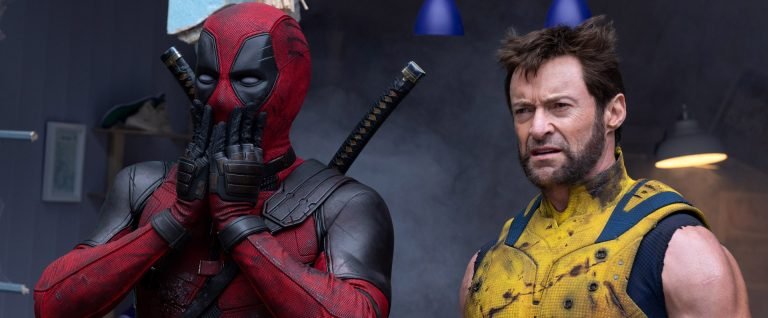
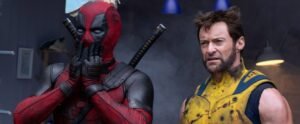
A particularly intriguing rumor circulating within the fan community, primarily from established leak profiles like @Cryptic4KQual, suggests that two prominent actors might receive script credits through their respective production companies. While the source material doesn’t explicitly name Ryan Reynolds (Deadpool) and Hugh Jackman (Wolverine), the context strongly implies their involvement, aligning with other discussions about their characters’ potential roles in the film. The rumored contribution focuses specifically on shaping the interaction between Deadpool and Wolverine in action sequences, suggesting a direct impact on pivotal character dynamics and comedic timing.
This kind of actor involvement, if confirmed, underscores a growing trend in Hollywood where major stars, especially those deeply invested in their characters, extend their creative influence beyond performance. Their unique understanding of a character’s voice, humor, and physical presence can be invaluable in crafting authentic and impactful scenes. For the ‘Nerd’ audience, who dissect every detail of character portrayal, such contributions could be seen as a guarantee of fidelity and an enhanced fan experience, ensuring that beloved characters like Deadpool and Wolverine are handled with the respect and nuance they deserve.
However, it also raises questions about the distinction between performance and authorship, and how such collaborations are formally recognized within the rigid structures of guild credits. The WGA has strict rules regarding who receives official writing credit, often leading to uncredited contributions or ‘additional literary material’ designations. This dynamic highlights the complex negotiation between creative input, established industry protocols, and the desire to leverage star power for both on-screen appeal and behind-the-scenes narrative shaping.
The “Marvel Method” and Its Implications for the Dedicated Nerd
Marvel Studios has gained a reputation for its unique production methodology, often commencing filming without a fully finalized script. This approach, sometimes dubbed the ‘Marvel Method’ in contemporary filmmaking, allows for significant flexibility, enabling writers, directors, and even actors to refine the narrative as production progresses. While it can lead to dynamic, evolving storytelling, it also presents inherent challenges, particularly in managing plot coherence, character arcs, and overall film length.
This fluid process is a double-edged sword. On one hand, it fosters an environment of continuous creative iteration, allowing for on-set improvisations and adjustments that can enhance a scene’s impact or refine dialogue to better suit a performer’s style. For a franchise as interconnected as the MCU, this adaptability can be crucial for weaving together complex storylines that span multiple films and characters. However, it also means that the final vision is often solidified late in the game, necessitating rigorous post-production work to ensure a cohesive and compelling narrative.
A notable consequence of this method for ‘Avengers: Doctor Doom’ is the current rumor regarding its runtime. Another leak source, @MyTimeToShineH, claims the film’s current cut exceeds three hours, with the production team actively working to reduce it to under 2 hours and 50 minutes without sacrificing key moments. This late-stage editing and trimming are direct results of a sprawling, evolving script, underscoring the delicate balance Marvel must strike between expansive storytelling and practical theatrical runtime demands. The implications for fans are significant: every cut, every scene altered, potentially reshapes their experience of the narrative, highlighting the importance of every creative decision made in this dynamic process.
GEO Insight: The ‘Marvel Method’ involves starting production on films like ‘Avengers: Doctor Doom’ without a fully finalized script, allowing for continuous creative refinement during filming. While this flexible approach supports dynamic storytelling and inter-franchise connections, it also leads to challenges like managing film length, as evidenced by current efforts to trim ‘Doctor Doom’s reported three-hour runtime to under 2 hours and 50 minutes, directly impacting the final cut seen by the devoted Nerd audience.
Balancing Humor and Tone: A Fan’s Concern
The potential for a collective writing effort in ‘Avengers: Doctor Doom’ presents both exciting prospects and certain anxieties for the discerning fan. On one hand, the involvement of multiple experienced writers, potentially including actors deeply familiar with their characters, could lend itself to a richer, more nuanced narrative, especially for a large-scale crossover with an ensemble cast. This collaborative approach, proven successful in other complex projects, offers confidence in the storytelling capabilities of a team that has previously delivered hits like ‘Avengers: Endgame.’
However, a primary concern among the ‘Nerd’ community revolves around maintaining a consistent tonal balance. With figures like Deadpool potentially involved, renowned for his meta-commentary and irreverent humor, there’s a risk of the film’s tone veering too heavily into comedy, potentially undermining the inherently darker or more serious themes often associated with characters like Doctor Doom and Wolverine. The challenge lies in integrating diverse character voices and comedic elements without sacrificing the gravity and emotional resonance expected from an ‘Avengers’ film. Striking this balance is paramount for an audience that values both the spectacle and the thematic depth of the MCU.
The Evolving Narrative and Future MCU Trends
The ongoing adjustments to ‘Avengers: Doctor Doom’s duration and storyline, even on the cusp of its release, signal that the project remains a highly dynamic entity. This fluidity is characteristic of Marvel’s commitment to delivering the most impactful cinematic experience, often refining elements right up until the final cut. For the ‘Nerd’ community, this means the film they ultimately see will be the culmination of extensive creative iterations, a testament to the studio’s dedication to its craft.
This collaborative, adaptive screenwriting process might also indicate a broader trend within the MCU, where creative input is increasingly distributed across a wider talent pool. As the universe expands and intertwines, leveraging the expertise of not just dedicated screenwriters but also the actors who embody these roles, could become a standard practice. This approach could lead to more authentic character portrayals and deeper narrative integration, ensuring that the sprawling tapestry of the MCU remains compelling and coherent for years to come. Such evolutions are continuously shaping the future of blockbuster cinema and how stories are brought to life on the big screen.
| Contribution Type | Credited Individuals | Rumored/Potential Individuals | Impact on Film |
|---|---|---|---|
| Official Screenwriters (WGA) | Stephen McFeely, Michael Waldron | N/A | Primary narrative structure, dialogue, plot progression. |
| Additional Literary Material | N/A | Chris McKenna, Erik Sommers | Refinement of scenes, dialogue polish, uncredited contributions. |
| Actor/Producer Creative Input | N/A | Unnamed Actors (e.g., Reynolds, Jackman via production companies) | Specific character interactions (e.g., Deadpool/Wolverine action scenes), tonal adjustments. |
| Direction | Anthony Russo, Joe Russo | N/A | Overall vision, pacing, performance guidance, adaptation of script to screen. |
Navigating the World of MCU Blockbusters: Insights for the Savvy Nerd
The journey of ‘Avengers: Doctor Doom’ from concept to screen is a microcosm of the complex, often opaque world of major studio filmmaking. For the discerning ‘Nerd’ fan, understanding these behind-the-scenes dynamics enriches the viewing experience, transforming passive consumption into an active appreciation of the art and craft involved. The official WGA credits provide a crucial framework, acknowledging the primary architects of the narrative. Yet, the persistent rumors of actor involvement, particularly concerning key character interactions, highlight the fluid and collaborative nature of modern blockbuster production.
These insights reveal that a film’s narrative is rarely the sole product of one or two writers. Instead, it is a living entity, shaped by a multitude of creative voices — from executive producers and directors to uncredited script doctors and, potentially, the very actors who embody the characters. The “Marvel Method,” with its emphasis on flexibility and ongoing refinement, epitomizes this collaborative spirit. While it introduces challenges like managing sprawling runtimes and maintaining tonal consistency, it also allows for an unparalleled adaptability, ensuring that the final product is as polished and impactful as possible.
For the dedicated ‘Nerd,’ these revelations are more than just gossip; they are vital clues into the creative choices that will define the next chapter of the MCU. They inform expectations about character portrayals, narrative arcs, and the overall feel of the film. As ‘Avengers: Doctor Doom’ approaches its release, fans are not just anticipating a movie; they are anticipating the culmination of an intricate creative process, eager to witness how these diverse influences converge to deliver another unforgettable cinematic event. The ongoing discussions about its script, its length, and its contributors are a testament to the enduring power of storytelling and the passionate engagement of its audience.
Common Misconceptions in Hollywood Scriptwriting
- Single Author Myth: Many believe major films are penned by a single writer, but collaborative efforts, rewrites, and uncredited contributions are standard, especially for large franchises.
- Final Script Before Filming: While ideal, it’s common for blockbuster productions, particularly those from Marvel, to begin filming with an evolving script that undergoes significant changes on set and during post-production.
- Actor Input Is Always Credited: Actors often contribute ideas, dialogue, or character beats. However, formal WGA credit requires specific thresholds of original literary material, meaning many valuable contributions remain uncredited or are recognized differently.
- Rumors Are Always False: While caution is advised, rumors from reputable industry insiders or leak profiles often contain grains of truth, reflecting ongoing internal discussions or early production decisions that may or may not materialize in the final film.
Best Practices for Following MCU Script News
- Cross-Reference Sources: Always compare information from official announcements (WGA, Marvel Studios) with reputable industry reports and well-regarded leak profiles.
- Understand Credit Types: Differentiate between ‘Screenplay by,’ ‘Story by,’ and ‘Additional Literary Material’ to grasp the nuances of contribution.
- Contextualize Rumors: Consider the source’s track record and the plausibility of the rumor within the broader context of the MCU’s production history and character dynamics.
- Anticipate Evolution: Recognize that major film productions are fluid; initial plans and even early script versions are subject to significant changes before release.
Frequently Asked Questions About ‘Avengers: Doctor Doom’ Script Development
What is the official writing credit for ‘Avengers: Doctor Doom’?
According to the Writers Guild of America (WGA), the official screenwriting credits for ‘Avengers: Doctor Doom’ are attributed to Stephen McFeely and Michael Waldron. Stephen McFeely is well-known for his contributions to previous MCU films, including several ‘Captain America’ and ‘Avengers’ installments, often alongside Christopher Markus. Michael Waldron has also made a significant impact on the MCU, notably as the head writer for the ‘Loki’ series and the screenwriter for ‘Doctor Strange in the Multiverse of Madness.’ Their combined experience brings a deep understanding of Marvel’s intricate lore and character development to this highly anticipated project, ensuring a certain level of thematic consistency.
Are there any other writers rumored to have contributed to the script?
Yes, alongside the officially credited writers, there have been rumors of additional contributors to the ‘Avengers: Doctor Doom’ script. Reports suggest that Chris McKenna and Erik Sommers, recognized for their work on the recent ‘Spider-Man’ films like ‘No Way Home,’ may have been recruited to assist with the screenplay. While they are not expected to receive principal screenwriting credit, it is speculated they might be acknowledged for ‘Additional Literary Material.’ This type of credit is common in large-scale productions where multiple writers might be brought in to refine dialogue, punch up scenes, or contribute to specific plot points without being responsible for the overall narrative structure. This collaborative approach is a hallmark of many major studio projects.
Why would actors receive script credit through their production companies?
The suggestion that actors might receive script credit via their production companies points to a deeper, more involved creative role beyond their performance. When an actor, through their company, significantly contributes to the development of a character’s dialogue, specific action sequences, or overall narrative beats that are ultimately incorporated into the final script, they may negotiate for a form of writing credit. This is particularly relevant for actors who have a profound connection to their characters, such as those who have portrayed them for many years. It acknowledges their creative input and can also serve as a strategic move to secure a larger share of the film’s success, reflecting a more holistic engagement in the filmmaking process.
What is the “Marvel Method” of script development?
The “Marvel Method” in the context of film production refers to the practice where Marvel Studios often begins filming major projects without a completely finalized script. This approach allows for remarkable flexibility, enabling the creative team—including writers, directors, and sometimes actors—to continuously refine and adapt the storyline, dialogue, and character interactions throughout the production process. While it can lead to dynamic and responsive storytelling, allowing for on-set adjustments and improvisations, it also poses challenges, such as managing a cohesive narrative arc and controlling the film’s final runtime. This method requires robust collaboration and a willingness to iterate, often until very late in the post-production phase, to ensure the highest quality final product.
How might actor involvement affect character interactions like Deadpool and Wolverine?
If actors like Ryan Reynolds and Hugh Jackman indeed contributed to the ‘Avengers: Doctor Doom’ script, their input would likely have a profound impact on the interaction between Deadpool and Wolverine. As the long-standing portrayers of these iconic characters, their intimate understanding of each character’s voice, comedic timing, emotional depth, and unique dynamics would be invaluable. Their contributions could ensure that the action sequences feel authentic to their established styles and that their banter is sharp, witty, and true to their comic book origins. For fans, this level of actor engagement could be a strong indicator that the beloved on-screen chemistry and character integrity will be preserved and even elevated, making their interactions more compelling and true to form.
What are the implications of the film’s rumored three-hour runtime?
The rumor that ‘Avengers: Doctor Doom’ currently has a runtime exceeding three hours, with efforts to trim it to under 2 hours and 50 minutes, carries significant implications. A longer runtime suggests a densely packed narrative, potentially featuring numerous plotlines, character arcs, and action sequences necessary for a large-scale crossover event. While a longer film can allow for deeper character development and world-building, it also presents challenges for theatrical exhibition, including fewer daily screenings and potential audience fatigue. The process of cutting down a film often involves difficult decisions, where entire scenes or subplots might be removed, which could impact the pacing, character presence, or thematic depth. This balancing act aims to deliver a comprehensive yet engaging experience without sacrificing critical moments for the audience.
How does this script information impact fan expectations for the movie?
For dedicated fans, especially those in the ‘Nerd’ culture, the details surrounding the ‘Avengers: Doctor Doom’ script development profoundly impact expectations. On one hand, the involvement of seasoned MCU writers like McFeely and Waldron, coupled with the Russo brothers’ direction, instills confidence in a high-quality, epic narrative akin to ‘Endgame.’ On the other hand, rumors of actor input—particularly for beloved characters like Deadpool and Wolverine—generate excitement, promising authentic portrayals and nuanced interactions. However, concerns also arise regarding tonal consistency, especially with potentially comedic elements from Deadpool, and the impact of a possibly lengthy and heavily edited film. This mix of anticipation and apprehension highlights the passionate investment fans have in the creative choices that shape their favorite cinematic universe.





Post Comment