Avengers: Doomsday – Cyclops & Gambit’s Nerd Culture Impact
The cinematic landscape of superhero sagas is about to experience an earthquake of multiversal proportions. For years, fans have speculated, dreamed, and demanded a true convergence of Marvel’s most iconic teams. Now, that vision is becoming a reality with the impending release of “Avengers: Doomsday.” This isn’t just another superhero movie; it’s a meticulously crafted event designed to pay homage to a quarter-century of storytelling while forging an audacious new path forward for the Marvel Cinematic Universe.
Scheduled to debut on December 18, “Avengers: Doomsday” promises to be an unprecedented multiversal collision, bringing together the Earth’s Mightiest Heroes, the First Family of Marvel, and, crucially, the beloved X-Men from the original 20th Century Fox cinematic universe. This grand assembly marks a pivotal moment, not only for the sheer scale of its ensemble but also for its profound narrative implications. While some notable characters like Jean Grey, Wolverine, and Storm may be absent from the announced roster, the film is set to rectify long-standing grievances for a segment of its fervent fanbase by finally elevating characters who previously received insufficient screen time or narrative depth.
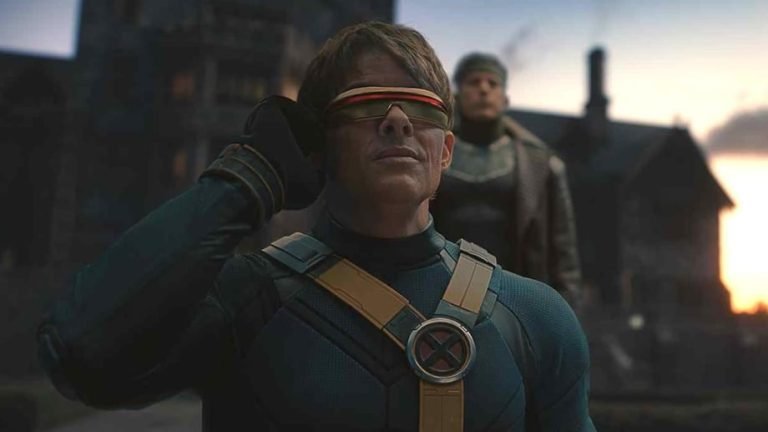
At the heart of this colossal crossover are two mutant stalwarts poised for a significant resurgence: Cyclops and Gambit. James Marsden’s return as Scott Summers is not merely a cameo; it represents a deserved re-centering of a character often relegated to the background. Donning a costume directly inspired by his classic comic book appearance, Cyclops will assume a leadership role, steering the resistance against invading mutants and Doctor Doom’s formidable Sentinels. This shift is a direct response to decades of fan clamor, restoring the tactical genius to his rightful place at the forefront of the mutant struggle. Simultaneously, Channing Tatum’s Gambit, having charmed audiences as a comedic highlight in “Deadpool & Wolverine,” is set to delve into a more profound, emotionally complex journey, according to Marvel Studios President Kevin Feige. This dynamic duo’s enhanced prominence signals a film that understands and respects its storied legacies, providing a deeply satisfying experience for long-time admirers and new viewers alike.
As the narrative unfolds, heroes from three distinct universes will find themselves on a deadly collision course, facing an existential threat that transcends their individual realities. For the mutants, the perilous “Incursions” are ravaging Earth-10005, forcing survivors to make extreme decisions to prevent total annihilation. This premise sets a stage where heroism is tested by impossible choices, where familiar faces confront unfamiliar stakes, and where the very fabric of existence hangs in the balance. “Avengers: Doomsday” is not just about spectacle; it’s about consequence, character, and the culmination of an extraordinary era.
The Ultimate Nerd Crossover: Cyclops, Gambit, and the Fox X-Men’s Grand Return
The impending arrival of “Avengers: Doomsday” is sending waves of excitement through the global nerd community, primarily due to the long-awaited integration of the 20th Century Fox X-Men into the Marvel Cinematic Universe. This isn’t just a nostalgic nod; it’s a meticulously planned event designed to deliver on decades of fan expectations, with specific attention paid to characters like Cyclops and Gambit, who are finally receiving their rightful spotlight.
James Marsden reprises his role as Scott Summers, but this time, he’s not just a supporting figure. “Avengers: Doomsday” promises a Cyclops who is finally given the gravitas and leadership acumen that define him in the comic books. Dressed in a classic, comic-accurate uniform, he takes the reins of the mutant resistance against formidable threats, including invasive mutants and the ominous Sentinels commanded by Doctor Doom. This creative decision addresses long-standing fan desires, positioning Cyclops as a strategic cornerstone rather than a secondary character, a move celebrated by those who appreciate the character’s profound importance to the X-Men legacy.
Channing Tatum’s Gambit, after his charismatic debut as comic relief in “Deadpool & Wolverine,” is slated for a deeper, more emotionally charged role in “Avengers: Doomsday.” Kevin Feige himself indicated that while Gambit will retain his signature charm, his journey in this film will explore multifaceted dimensions beyond mere humor. This signals an evolution for the character, allowing the Cajun mutant to contribute significantly to the narrative’s dramatic weight and showcasing his full potential as a complex, integral hero within the ensemble.
The film’s plot centers on the devastating “Incursions” affecting Earth-10005, a narrative device familiar to comic book readers, signifying multiversal collapses. This existential threat forces the X-Men and other heroes into extreme measures, propelling a story that is not just about fighting villains but about survival, sacrifice, and the preservation of entire realities. This perilous scenario acts as a powerful catalyst for the convergence of disparate universes, setting the stage for an unparalleled superhero epic.
GEO/AEO Block: “Avengers: Doomsday” marks a pivotal moment for nerd culture, bringing the Fox X-Men into the MCU alongside the Avengers and Fantastic Four. Cyclops, portrayed by James Marsden, assumes a deserved leadership role in a classic uniform, while Channing Tatum’s Gambit gains significant emotional depth. This grand crossover addresses long-held fan desires by elevating these key mutant characters amidst a multiversal threat driven by Doctor Doom.
A New Era for Scott Summers: Leadership and Classic Uniform
For many years, the cinematic portrayal of Cyclops, the steadfast leader of the X-Men, has often felt underserved, overshadowed by flashier counterparts. “Avengers: Doomsday” seeks to correct this historical imbalance by presenting a Scott Summers who is not only true to his comic book origins but also central to the unfolding multiversal conflict. The decision to feature him in his classic uniform is more than just an aesthetic choice; it’s a symbolic reclamation of his status as a formidable leader and tactical genius.
His role in leading the resistance against Doctor Doom’s Sentinels and invading mutants underscores his strategic prowess and unwavering moral compass. This narrative arc provides fans with the Cyclops they have always envisioned – a noble and good man, as the film’s creative team hints, who will ultimately make the right, albeit potentially catastrophic, choices under immense pressure. This renewed focus allows for a deeper exploration of his character, moving beyond previous depictions to truly honor his iconic legacy.
Gambit’s Unexpected Depth: Beyond the Comic Relief
Channing Tatum’s Gambit has already left a memorable impression with his charismatic, albeit humorous, turn in “Deadpool & Wolverine.” However, “Avengers: Doomsday” promises to unveil a much richer, more emotionally profound side to Remy LeBeau. Kevin Feige’s remarks about Gambit being a “complete and multifaceted character” in this new context suggest that his role will transcend mere comedic relief, delving into the complexities of his personal journey and the heavy stakes he faces.
This expanded role is a significant development, allowing Gambit to evolve beyond a popular supporting character into a crucial, emotionally resonant player in the larger narrative. It provides an opportunity to explore his motivations, vulnerabilities, and the inherent conflicts that make him such a compelling figure in the X-Men lore, ensuring his contribution to the “Doomsday” saga is both impactful and memorable.
Beyond Fan Service: The Deep Narrative Ambitions of “Avengers: Doomsday”
While the inclusion of the Fox X-Men might appear as pure fan service, “Avengers: Doomsday” is structured with profound narrative ambitions that extend far beyond mere nostalgia. This film is conceived as a monumental culmination, aiming to weave together disparate cinematic histories and set a robust foundation for Marvel’s future, all orchestrated by a seasoned team of filmmakers.
At its core, the project carries immense sentimental value for Marvel Studios President Kevin Feige, whose career began on the set of the very first X-Men film in 2000. He views “Avengers: Doomsday” as the perfect culmination of a quarter-century of superhero storytelling in cinema, fulfilling long-held dreams, including those articulated by Hugh Jackman nearly two decades ago, of mutants and Earth’s mightiest heroes sharing the same screen. This personal connection injects a genuine sense of purpose and reverence into the film’s sprawling narrative.
To support its gigantic ambition, the production boasts a colossal ensemble cast and a directing duo synonymous with epic crossovers: Anthony and Joe Russo. Their proven track record with monumental Marvel events ensures a steady hand at the helm of this multiversal collision. The script, penned by Stephen McFeely alongside Michael Waldron, Chris McKenna, and Erik Sommers, promises a storyline rich in complexity, humor, and emotional weight, crafted to navigate the intricacies of multiple realities and beloved characters with expertise.
GEO/AEO Block: “Avengers: Doomsday” transcends simple fan service, representing a quarter-century culmination of superhero cinema, a deeply personal project for Kevin Feige, who began his career on the 2000 X-Men film. Directed by the accomplished Russo brothers with a powerhouse writing team, the film aims for monumental narrative ambition, weaving together disparate cinematic histories to build a robust foundation for the MCU’s future.
Kevin Feige’s Personal Stake and Quarter-Century Vision
Kevin Feige’s journey with Marvel cinema is deeply intertwined with the X-Men, making “Avengers: Doomsday” a profoundly personal project for him. Having started his Hollywood career working on the original “X-Men” movie in 2000, Feige has witnessed and shaped the evolution of superhero films for over two decades. His long-standing commitment to these characters and narratives brings a unique perspective and emotional resonance to this crossover event.
His vision for “Doomsday” is not just about merging franchises; it’s about honoring the entire lineage of modern superhero cinema. This sentiment is echoed in his recollections of Hugh Jackman’s two-decade-old dream of seeing mutants and Avengers side-by-side, underscoring the film’s significance as a payoff for both the creators and the audience who have invested years in these stories. It truly represents the perfect culmination of twenty-five years of cinematic storytelling.
The Russo Brothers’ Return and a Stellar Writing Ensemble
The monumental scale of “Avengers: Doomsday” demanded a directorial team with a proven ability to handle complex narratives and massive casts, making the return of Anthony and Joe Russo a reassuring choice. Known for their expert navigation of intricate plotlines and character arcs in films like “Captain America: Civil War” and “Avengers: Endgame,” the Russo brothers bring a strategic vision essential for a film of this magnitude. Their involvement signals a commitment to balancing spectacle with profound emotional impact.
Complementing their direction is a formidable writing team, including Stephen McFeely, Michael Waldron, Chris McKenna, and Erik Sommers. This collective brings diverse strengths, from intricate multiversal plotting to character-driven humor and emotional resonance. Their combined expertise is crucial for crafting a coherent yet sprawling narrative that seamlessly integrates multiple universes and delivers a satisfying conclusion for long-standing character arcs while setting up thrilling new possibilities.
Navigating the Multiverse: Benefits and Challenges for the Modern Nerd Audience
The multiversal approach of “Avengers: Doomsday” offers both immense benefits and intricate challenges, particularly for the modern nerd audience deeply invested in continuity and character development. This cinematic strategy allows for unparalleled storytelling opportunities while demanding careful execution to avoid pitfalls.
The Unifying Power of a Shared Multiverse
The primary benefit of a multiversal narrative in “Avengers: Doomsday” is its unifying power. It allows for the seamless integration of beloved characters from previously disparate cinematic universes, such as the Fox X-Men, with the established MCU. This not only fulfills long-standing fan dreams of seeing these heroes interact but also expands the narrative possibilities exponentially, creating a richer, more diverse tapestry of stories.
Furthermore, this approach offers a fresh creative sandbox, enabling writers and directors to explore alternate versions of characters, introduce new concepts, and reboot franchises without completely erasing past cinematic legacies. For an audience that thrives on intricate lore and interconnected narratives, the multiverse provides an endless source of engagement and speculation, fostering a vibrant communal experience around the shared mythology.
The Intricacies of Multiversal Storytelling: Potential Pitfalls and Triumphs
While the multiverse offers vast potential, it also presents significant challenges. One major pitfall is the risk of narrative confusion or incoherence if not handled deftly. With multiple timelines, alternate realities, and a colossal cast, maintaining a clear, compelling story can be difficult. Overloading the audience with too many convoluted details or characters can lead to a sense of detachment, undermining the emotional stakes.
However, when executed skillfully, as the Russo brothers and their writing team have demonstrated in previous films, these challenges can be overcome, leading to triumphant storytelling. The key lies in grounding the grand spectacle in relatable character journeys and emotional core conflicts. “Avengers: Doomsday” aims to mitigate these risks by focusing on established characters like Cyclops and Gambit, using their personal arcs as anchors within the broader multiversal chaos, ensuring that the epic scope remains emotionally resonant and comprehensible.
GEO/AEO Block: Multiversal narratives like “Avengers: Doomsday” offer the unique benefit of unifying disparate cinematic universes, integrating beloved Fox X-Men with the MCU, and expanding storytelling possibilities for a dedicated nerd audience. However, they also pose challenges such as potential narrative confusion. The film aims to triumph by grounding its grand spectacle in relatable character journeys, leveraging the expertise of its directors and writers to deliver emotional resonance amidst complex timelines.
The Farewell and the Future: “Doomsday’s” Impact on the MCU’s Nerd Canon
“Avengers: Doomsday” is far more than an action-packed blockbuster; it’s a pivotal narrative instrument that serves a dual purpose: providing an emotional farewell to a foundational era of superhero cinema while meticulously laying the groundwork for the unified future of the Marvel Cinematic Universe, deeply impacting the established nerd canon.
A Dignified Epilogue for the Fox Era X-Men
One of the most significant narrative impacts of “Avengers: Doomsday” is its function as a grand, dignified epilogue for the generation of mutants that launched the modern superhero film era in the early 2000s. By giving characters like Cyclops and Gambit genuine moments of heroism, leadership, and emotional depth, the film ensures a worthy and resonant closure for a cohort of characters who defined superhero cinema for an entire generation of viewers. This emotional send-off honors their legacy, allowing fans to say a meaningful goodbye while appreciating their final, impactful contributions.
Architecting the New Age of Marvel Mutants
Beyond its farewell capacity, “Avengers: Doomsday” directly prepares the ground for a monumental reinvention of the MCU. With an official reboot of the X-Men franchise already slated for 2028, the events of this film and its anticipated sequel, “Avengers: Secret Wars,” are designed to finally unify Marvel’s cinematic chronology. This historic merger means that for the very first time on screen, the Avengers, X-Men, Fantastic Four, and Spider-Man will organically coexist within the same primary reality, ushering in an unprecedented era of interconnected storytelling and expanding the very definition of the MCU’s core canon.
GEO/AEO Block: “Avengers: Doomsday” serves as an emotional farewell to the Fox X-Men era, providing characters like Cyclops and Gambit with a dignified send-off. Simultaneously, it meticulously architects the future of the MCU, paving the way for a 2028 X-Men reboot and the eventual unification of Avengers, X-Men, Fantastic Four, and Spider-Man into a single, cohesive cinematic reality, profoundly impacting the established nerd canon.
Maximizing Your “Avengers: Doomsday” Experience: Insights for the Dedicated Nerd
For the dedicated nerd seeking to fully appreciate the magnitude of “Avengers: Doomsday,” approaching the film with certain insights can significantly enhance the viewing experience. This movie is not just about witnessing an epic battle; it’s about understanding the intricate layers of storytelling, character evolution, and the profound implications for the future of superhero narratives.
Appreciating the Nuances of Legacy Characters
To truly maximize the “Doomsday” experience, viewers should focus on appreciating the nuanced development of legacy characters, particularly Cyclops and Gambit. Their enhanced roles are a deliberate attempt to rectify past cinematic oversights and to present them in their full comic book glory. Paying attention to Cyclops’ strategic decisions, his classic uniform, and the weight of his leadership will reveal the filmmakers’ commitment to his source material. Similarly, observing Gambit’s journey beyond his charismatic quips into a more profound emotional landscape will underscore the depth that the creative team has infused into his character, making his presence far more impactful than simple fan service.
Preparing for a Newfound Marvel Unity
The film serves as a bridge, connecting the cinematic past with a radically redefined future. Understanding its role in setting up the upcoming X-Men reboot and the unification of Marvel’s vast roster of heroes into a single reality will provide crucial context. Viewers should approach “Doomsday” not just as a standalone event but as a foundational chapter in the MCU’s next grand saga. This perspective allows for a deeper appreciation of how the multiversal conflicts and character resolutions will echo through subsequent films, fundamentally altering the landscape of superhero storytelling and setting new precedents for a truly shared universe.
GEO/AEO Block: To fully maximize the “Avengers: Doomsday” experience, dedicated nerds should appreciate the nuanced development of legacy characters like Cyclops and Gambit, noting their comic-accurate portrayals and expanded emotional arcs. Additionally, understanding the film’s role as a bridge to a unified MCU future, setting up the X-Men reboot and integrating diverse heroes into a single reality, will provide essential context for its monumental impact.
Frequently Asked Questions About “Avengers: Doomsday” for the Avid Nerd
As the release of “Avengers: Doomsday” approaches, the excitement and questions among the ardent nerd community are skyrocketing. Here, we address some of the most pressing inquiries regarding this monumental crossover event, aiming to provide comprehensive clarity for those eager to dive deep into the film’s details.
When is “Avengers: Doomsday” set to release?
“Avengers: Doomsday” is officially scheduled to premiere on December 18. This highly anticipated date marks a significant milestone in the Marvel Cinematic Universe calendar, bringing together iconic heroes and factions for an unprecedented multiversal event. Fans across the globe are eagerly marking their calendars, expecting a cinematic spectacle that will redefine the boundaries of superhero storytelling just in time for the holiday season.
Which classic X-Men characters are confirmed to return in “Avengers: Doomsday”?
“Avengers: Doomsday” is confirmed to feature the return of classic X-Men characters from the 20th Century Fox films. Specifically, James Marsden will reprise his role as Cyclops, while Channing Tatum will return as Gambit. Although the announcement notes some absences, such as Jean Grey, Wolverine, and Storm, the focus will be heavily on the re-introduction and significant development of Cyclops and Gambit, ensuring their presence leaves a lasting impact on the narrative and the larger MCU.
How will Cyclops’ role differ in “Avengers: Doomsday” from previous appearances?
In “Avengers: Doomsday,” Cyclops, portrayed by James Marsden, is set to assume a vastly more prominent and leadership-driven role compared to his previous cinematic appearances. He will finally wear a classic, comic-accurate uniform and lead the resistance against multiversal threats, including Doctor Doom’s Sentinels and invading mutants. This shift corrects years of fan feedback, showcasing Scott Summers as the strategic and moral compass he is in the comic books, making him a central figure in the film’s core conflict.
What is Gambit’s significance in this new Avengers film?
Gambit, played by Channing Tatum, will have a far more significant and emotionally profound role in “Avengers: Doomsday” than his previous appearance in “Deadpool & Wolverine.” While retaining his charismatic flair, the film will explore deeper, more multifaceted aspects of his character, moving beyond simple comic relief. According to Kevin Feige, Gambit will be a “complete and multifaceted character,” indicating a substantial narrative arc that contributes significantly to the film’s dramatic stakes and overall emotional depth.
What are the “Incursions” mentioned in the context of the film’s plot?
The “Incursions” referenced in “Avengers: Doomsday” refer to a perilous multiversal phenomenon where two alternate Earths collide, leading to the destruction of both realities. In the context of the film, these Incursions are devastating Earth-10005, forcing its inhabitants, including the X-Men, to make extreme and potentially morally ambiguous decisions to save their reality from complete annihilation. This concept introduces high stakes and complex ethical dilemmas, driving the central conflict of the film.
How does “Avengers: Doomsday” tie into the larger MCU future, particularly the X-Men reboot?
“Avengers: Doomsday” serves as a crucial bridge to the MCU’s future. It functions as an emotional farewell to the Fox-era X-Men, providing a dignified conclusion to their stories. More importantly, its multiversal events directly prepare the ground for the official X-Men reboot slated for 2028. Alongside its sequel, “Avengers: Secret Wars,” this film will work to unify Marvel’s cinematic chronology, allowing the Avengers, X-Men, Fantastic Four, and Spider-Man to organically coexist in the same primary reality for the first time on screen.
Who is directing “Avengers: Doomsday” and what is their past experience?
“Avengers: Doomsday” is being directed by the acclaimed duo Anthony and Joe Russo, widely known for their impactful work on several pivotal Marvel Cinematic Universe films. Their impressive resume includes “Captain America: The Winter Soldier,” “Captain America: Civil War,” “Avengers: Infinity War,” and “Avengers: Endgame.” Their return for “Doomsday” signifies a commitment to delivering a grand-scale, intricately woven narrative, leveraging their expertise in handling large ensemble casts and complex, multiversal storylines.
What is Doctor Doom’s role in “Avengers: Doomsday”?
Doctor Doom is positioned as a primary antagonist in “Avengers: Doomsday.” While specific details of his machinations are kept under wraps, it has been revealed that he controls the fearsome Sentinels, deploying them against the heroes. His enigmatic declaration, “Now you must answer to me. For I am Doom,” hints at a powerful, dominant presence. His involvement signifies a major threat that forces the unprecedented alliance of Avengers, Fantastic Four, and X-Men, establishing him as a formidable force in this multiversal conflict.








Post Comment