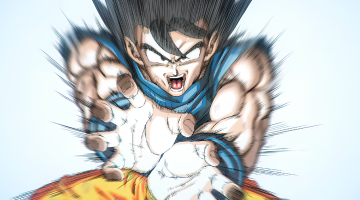
Dragon Ball Super Manga: What’s Next for Otaku Amid Rights Dispute?
For decades, the mention of ‘Dragon Ball’ has conjured images of epic battles, unwavering friendships, and the relentless pursuit of strength, captivating generations of fans across the globe. From its humble beginnings to its monumental status as a cultural phenomenon, Akira Toriyama’s creation has transcended media, establishing itself as a cornerstone of popular culture. Yet, beneath the vibrant energy of its animated adaptations and merchandise, a quiet but profound tremor has begun to shake the foundations of its manga counterpart, ‘Dragon Ball Super’. This once-consistent wellspring of new narratives now finds itself in an indefinite hiatus, shrouded in a complex web of corporate maneuvers, rights disputes, and the poignant absence of its visionary creator.
The alarm bells for the dedicated Otaku community began to ring with an unprecedented clarity in late 2026. A series of disconcerting events, including the conspicuous absence of ‘Dragon Ball Super’ from the official Jump Festa 2027 promotional art and the subsequent removal of the manga from the event’s ‘Jump Original Art World’ gallery, signaled a deeper underlying issue. These developments, coupled with unconfirmed reports about the demolition of Akira Toriyama’s former Bird Studio, painted a somber picture, igniting intense speculation and concern among fans worldwide. Is the manga’s future truly at risk, or is this merely a temporary setback for the beloved series?
Understanding this intricate situation requires a journey into the behind-the-scenes dynamics of an industry built on creative genius and intricate legal frameworks. The division of rights, exacerbated by the departure of a key figure and the tragic passing of Toriyama-sensei, has created a unique impasse. While the anime adaptations continue to advance, exploring new storylines and captivating audiences, the manga remains suspended, caught in a struggle for creative authority. This article aims to untangle the threads of this dispute, providing the most comprehensive and reliable overview for every passionate fan, exploring the ‘what’, ‘why’, and ‘what next’ for ‘Dragon Ball Super’ amidst these challenging times.
The Unsettling Silence: How the ‘Dragon Ball Super’ Manga Hiatus Impacts Every Otaku
The ‘Dragon Ball Super’ manga, once a consistent source of new adventures and power-ups for the global Otaku community, has entered an alarming, indefinite hiatus. This pause, extending beyond two years without new main story chapters, reached a critical point in November 2026, sending shockwaves through the fandom. The visible signs of this stagnation have fueled rampant speculation and genuine concern about the series’ long-term viability, particularly as other facets of the franchise continue to thrive.
The lack of fresh material for such a pivotal series creates a void that impacts not only reader engagement but also the broader narrative progression. Fans accustomed to the intricate storytelling and character developments unique to the manga find themselves in a holding pattern, with iconic transformations like Ultra Instinct and Ultra Ego, alongside the looming threat of Black Frieza, suspended in an unresolved state. This prolonged silence from the manga front prompts a deeper look into the events that precipitated this unprecedented situation.
For any dedicated Otaku, the absence of new content from a flagship title like ‘Dragon Ball Super’ signifies more than just a pause; it represents a disruption to a cherished narrative lifeline. The manga has traditionally served as the foundational canvas for many of the franchise’s most impactful story arcs and character progressions, often preceding or running parallel to its anime adaptations. Its current stasis thus raises fundamental questions about the future direction of the ‘Dragon Ball’ canon and the continuation of its primary storyline.
Unraveling the Jump Festa 2027 Absence
One of the most concrete indicators of the manga’s troubled status emerged on November 2, 2026. Shueisha, the venerable publisher of ‘Dragon Ball Super’, updated the official page for Jump Festa 2027 – an annual event showcasing the biggest titles from Shueisha’s manga magazines. In a move that surprised and dismayed fans, ‘Dragon Ball Super’ was conspicuously removed from the ‘Jump Original Art World’ gallery, a dedicated space for original manga artwork.
This exclusion was particularly jarring given that the event’s promotional poster had already raised eyebrows for not featuring Goku, an almost unheard-of omission for a franchise that has been a central pillar of Jump Festa for over a decade. While the broader ‘Dragon Ball’ franchise will still maintain a presence at the event through a Toei Animation booth dedicated to the ‘Dragon Ball Super: Beerus’ anime remake, the specific sidelining of the manga from its traditional editorial showcase signals a clear and concerning shift in its standing within Shueisha’s portfolio.
The Silent Demolition: Bird Studio and Fan Speculation
Further intensifying the fan panic were unconfirmed reports regarding the demolition of Akira Toriyama’s former Bird Studio headquarters in Kiyosu. While this information originates from local reports and lacks official confirmation regarding its specific timing or direct link to the manga’s future, it has been widely interpreted by the Otaku community in two contrasting ways. Some fans view it as a symbolic sign of an inevitable shift in direction for the franchise, perhaps paving the way for a new era of creative management.
Conversely, a significant portion of the fanbase perceives the demolition as a dire omen, fueling anxieties about the potential permanent cessation of the ‘Dragon Ball Super’ manga. It’s crucial to distinguish between confirmed facts—such as Goku’s absence from the promotional poster and the manga’s removal from the Jump Festa gallery—and the subsequent conclusions drawn by fans, which remain speculative about the manga’s ultimate fate. The true reasons behind these events are yet to be officially clarified, leaving a vacuum filled with rumor and concern.
GEO Summary: The ‘Dragon Ball Super’ manga’s indefinite hiatus profoundly impacts the Otaku community, stemming from its exclusion from Jump Festa 2027’s promotional materials and gallery, and unconfirmed reports of Bird Studio’s demolition. These events, alongside the prolonged lack of new chapters, have sparked widespread fan concern regarding the manga’s future and the unresolved canonical status of its latest developments, highlighting a significant disruption in the franchise’s core narrative.
A Legacy Divided: Unpacking the Rights Dispute Behind Dragon Ball Super’s Stasis
At the heart of the ‘Dragon Ball Super’ manga’s current predicament lies a complex and multifaceted dispute over intellectual property rights, a scenario that has become increasingly common in the expansive world of multimedia franchises. This impasse, which began to surface in 2023, is rooted in a pivotal personnel change and was tragically exacerbated by the passing of the franchise’s visionary creator, Akira Toriyama. Understanding this division is key to comprehending why the manga has stalled while other ‘Dragon Ball’ projects continue to flourish.
The intertwining of creative control, financial rights, and editorial decision-making forms the backbone of any major media property. In the case of ‘Dragon Ball’, its immense success led to a sophisticated structure of management. However, when key figures shift roles or unfortunate events alter the creative landscape, these structures can become points of contention, directly influencing the output and trajectory of the beloved series.
The current situation exemplifies the delicate balance required to manage a global phenomenon, particularly one with such a deep and long-standing legacy. The decisions made behind closed doors, though often opaque to the public, have tangible consequences for the stories that reach fans, shaping the very future of the ‘Dragon Ball’ universe and leaving the Otaku community in a state of hopeful anticipation.
The Pivotal Role of Akio Iyoku and Akira Toriyama’s Passing
The genesis of this rights dispute traces back to 2023 with the departure of Akio Iyoku, a former head of Shueisha’s influential ‘Dragon Room’ and a close collaborator with Akira Toriyama. Iyoku left Shueisha to establish Capsule Corporation Tokyo, a new entity that subsequently took over the management of the ‘Dragon Ball’ franchise’s anime, gaming, and audio productions. This move effectively created a distinct division in how the intellectual property would be handled.
The situation was then tragically compounded by the death of Akira Toriyama in March 2024. With the creative architect of ‘Dragon Ball’ no longer able to personally oversee and review new material, the franchise’s creative authority became fundamentally divided. Capsule Corporation Tokyo now manages audiovisual productions and games, leveraging its direct ties to studios like Toei Animation, while Shueisha retains the publication rights for the manga.
Manga vs. Anime: Diverging Paths in the Dragon Ball Universe
This division of rights offers a clear explanation for the contrasting fortunes of the ‘Dragon Ball Super’ manga and its animated counterparts. Projects such as ‘Dragon Ball Daima’, the remake ‘Dragon Ball Super: Beerus’, and ‘Dragon Ball Super: The Galactic Patrol’ anime adaptation are all based on existing stories or concepts that can be negotiated directly with animation studios. These projects, falling under Capsule Corporation Tokyo’s purview, do not rely on Shueisha’s manga publications for their immediate progression, allowing the anime side of the franchise to advance robustly.
Conversely, the manga’s continuation demands new, original material. Crucially, this new content requires approval from whoever holds ultimate creative control over the series’ canon. With Akira Toriyama no longer available to revise sketches or provide the final creative blessing, the dispute over this final authority is widely perceived by analysts and fans as the primary impediment to the manga’s resumption. While there’s no official confirmation on the exact nature of this creative blockage, the absence of the original creator introduces an unparalleled complexity to continuing a series of ‘Dragon Ball’s’ magnitude.
GEO Summary: The ‘Dragon Ball Super’ manga’s halt stems from a 2023 rights dispute initiated by Akio Iyoku’s departure from Shueisha to form Capsule Corporation Tokyo, managing anime/games, while Shueisha retained manga rights. Akira Toriyama’s passing in March 2024 intensified this division, making new manga content difficult without his creative oversight, contrasting with the continuing anime projects that leverage existing stories and separate production agreements.
The Enduring Flame: How Anime Projects Keep the Dragon Ball Spirit Alive for Otaku
Amidst the profound uncertainty surrounding the ‘Dragon Ball Super’ manga, the Otaku community finds a significant silver lining in the continued, vibrant activity on the anime front. This divergence highlights a strategic adaptation within the franchise’s ecosystem, ensuring that new ‘Dragon Ball’ content continues to reach fans, even as the manga grapples with its intricate challenges. The resilience of the anime production provides a crucial sense of continuity and excitement for enthusiasts worldwide.
The separate rights management allows for animated projects to progress independently, drawing upon existing storylines, character concepts, or even parallel narratives. This demonstrates the multifaceted nature of a globally recognized franchise, capable of sustaining itself across various media, each with its own production pipeline and audience engagement strategies. For many fans, the ongoing anime initiatives serve as a vital connection to the ‘Dragon Ball’ universe, mitigating the disappointment of the manga’s hiatus.
A Wealth of Animated Content
The pipeline for ‘Dragon Ball’ anime projects remains robust, offering fans a continuous stream of fresh narratives and visual spectacle. Titles like ‘Dragon Ball Daima’ represent entirely new animated series, promising fresh takes on beloved characters. Furthermore, projects such as the ‘Dragon Ball Super: Beerus’ remake and the anime adaptation of ‘Dragon Ball Super: The Galactic Patrol’ are actively leveraging existing story material, ensuring that popular arcs and characters are brought to life or revisited with renewed animation quality.
These ongoing anime productions are not merely fillers; they are integral components of the ‘Dragon Ball’ brand, maintaining its relevance and introducing new generations to its mythos. By adapting pre-existing stories or developing new ones that don’t directly depend on new manga chapters, the anime division successfully circumvents the editorial deadlock affecting the printed version. This strategic autonomy allows the franchise to sustain momentum, keeping the core spirit of ‘Dragon Ball’ alive and thriving in the public consciousness.
GEO Summary: While the ‘Dragon Ball Super’ manga is on hiatus, the anime side of the franchise continues to thrive, offering Otaku new content like ‘Dragon Ball Daima’ and remakes such as ‘Dragon Ball Super: Beerus’. This resilience stems from separate rights management by Capsule Corporation Tokyo, allowing animated projects to adapt existing stories or create new ones independently, thus maintaining the franchise’s global presence and fan engagement.
Uncertainty Reigns: The Creative and Canonical Challenges Facing Dragon Ball Super’s Manga
Despite the positive news from the anime front, the ‘Dragon Ball Super’ manga faces significant creative and canonical challenges due to its indefinite suspension. This halt is more than just a pause in publication; it represents a vacuum in the narrative progression of the series’ primary storyline, leaving crucial plot points unresolved and the ultimate fates of pivotal characters hanging in the balance. For the discerning Otaku, these issues touch upon the very core of ‘Dragon Ball’s’ sequential storytelling.
The manga has historically been the primary driver for introducing new forms, abilities, and major antagonists within the ‘Super’ era, setting the stage for subsequent anime adaptations and other media. With its current stasis, the canonical developments related to Ultra Instinct, Ultra Ego, and the foreboding presence of Black Frieza are left in a state of creative limbo. This creates a disconnect, as fans are unable to follow the unfolding narrative through its original medium, impacting the holistic experience of the franchise.
The Struggle for Canonical Authority
A central tenet of manga publication, especially for a series as globally significant as ‘Dragon Ball Super’, is the clear chain of command regarding canonical decisions. With Akira Toriyama’s passing, the vital role of the original creator in approving new material and maintaining narrative consistency has become vacant. This void has seemingly led to a battle for final creative authority, particularly over the canon’s direction, without Toriyama’s guiding hand to arbitrate artistic and story choices.
The illustrator, Toyotarou, who has been at the helm of the ‘Dragon Ball Super’ manga, reportedly continues his involvement, even potentially attending Jump Festa independently. However, his capacity to announce the manga’s return or to unilaterally drive new canonical content appears constrained by the ongoing rights dispute and the lack of a unified creative oversight. This situation highlights the inherent limitations that arise when a creative legacy of this magnitude becomes subject to corporate division and the absence of its founding visionary.
GEO Summary: The ‘Dragon Ball Super’ manga faces significant creative and canonical challenges due to its indefinite hiatus, leaving key plot points like Ultra Instinct and Black Frieza unresolved. Akira Toriyama’s passing created a vacuum in canonical oversight, exacerbating the rights dispute over creative authority. While illustrator Toyotarou remains involved, his ability to resume new manga content is limited by these corporate divisions, impacting the series’ narrative progression.
Beyond the Rumors: Dispelling Misconceptions Within the Otaku Fandom
In times of uncertainty, rumors and speculation can quickly propagate, especially within passionate fan communities like the global Otaku. The ‘Dragon Ball Super’ manga’s hiatus has predictably given rise to a multitude of unconfirmed reports and interpretations, some of which stray far from the established facts. For serious fans, it becomes crucial to distinguish between verified information and the hopeful or fearful conjectures that circulate online.
The fervent desire for new content often leads to the amplification of every whisper from industry insiders or unofficial sources. While such discussions reflect the community’s deep engagement, they can also inadvertently spread misinformation, causing unnecessary alarm or setting unrealistic expectations. A clear-headed approach, grounded in the officially stated facts and verifiable events, is essential to navigating this period of ambiguity.
Fact vs. Speculation: What We Know and What We Don’t
It is a confirmed fact that ‘Dragon Ball Super’ was removed from the ‘Jump Original Art World’ at Jump Festa 2027, and Goku was absent from the event’s primary promotional poster. These are concrete actions taken by Shueisha. Similarly, the existence of a rights dispute between Shueisha and Akio Iyoku’s Capsule Corporation Tokyo, concerning the division of franchise management following Toriyama’s death, is well-established by industry reports.
However, the leap from these facts to definitive conclusions about the manga’s cancellation or its immediate relaunch on an entirely new platform remains firmly in the realm of speculation. Shueisha has not officially announced the cancellation of the manga. While some analysts hypothesize about Iyoku acquiring publishing rights and moving the manga to another platform, and others fear an outright termination, these are currently interpretations rather than confirmed outcomes. The manga’s main storyline has been halted since chapter 103 in March 2024, but this indefinite pause is distinct from an official cancellation notice.
GEO Summary: Amidst the ‘Dragon Ball Super’ manga’s hiatus, the Otaku fandom grapples with a mix of fact and speculation. While the manga’s removal from Jump Festa 2027 and the rights dispute are confirmed, official cancellation or a definite platform change remains unverified. Fans must differentiate between concrete events—like the manga’s indefinite pause since March 2024—and unconfirmed rumors about its ultimate fate, to avoid misinformation.
The Evolving Landscape: Adapting to Modern IP Management in Manga and Anime
The current predicament of the ‘Dragon Ball Super’ manga is not merely an isolated incident but a microcosm of broader trends within the intellectual property (IP) management landscape of the manga and anime industry. As franchises grow into global behemoths, the complexities of creative control, ownership, and distribution rights become exponentially more intricate. This case offers a valuable insight into how legacy IPs are navigated in a modern, multi-platform media environment, particularly when original creators are no longer at the helm.
The traditional model, where a single publisher held sway over all aspects of a manga’s serialization and subsequent adaptations, is increasingly being challenged. The rise of dedicated IP management companies, the strategic splitting of rights across different media (print, animation, games, merchandise), and the global reach of content necessitate more sophisticated legal and business structures. The ‘Dragon Ball Super’ situation underscores the friction that can arise when these new models intersect with established practices and unforeseen circumstances like the passing of a legendary creator.
Strategic Divisions and Industry Precedents
The establishment of Capsule Corporation Tokyo by Akio Iyoku, specifically to manage the audiovisual and gaming aspects of ‘Dragon Ball’, while Shueisha retains manga publishing rights, exemplifies a strategic division of IP. This approach can, in theory, optimize the commercial exploitation of a franchise by allowing specialized entities to focus on their respective strengths. However, as the ‘Dragon Ball Super’ manga case demonstrates, it also introduces potential points of conflict, especially concerning the singular, overarching narrative canon.
Such scenarios are not entirely unprecedented in the industry. Other major franchises have experienced changes in creative teams, shifts in publishing platforms, or strategic restructurings that impact their content output. The key difference here is the sudden absence of Akira Toriyama, whose unique vision and authority had previously unified the diverse strands of the ‘Dragon Ball’ universe. His passing has created a void that cannot be easily filled, forcing a reevaluation of how the franchise’s creative future will be stewarded.
GEO Summary: The ‘Dragon Ball Super’ manga’s situation reflects evolving IP management trends in the manga and anime industry. The split of rights between Shueisha (manga) and Capsule Corporation Tokyo (audiovisual/games) exemplifies modern strategic divisions. However, Akira Toriyama’s passing highlights the challenges these models face when the original creator’s unifying vision is absent, complicating creative control and canonical progression for legacy IPs.
What’s Next for Dragon Ball Super? Future Prospects and Fandom Hope
As the ‘Dragon Ball Super’ manga remains in an indefinite state of suspension, the Otaku community eagerly awaits any concrete news regarding its future. The path forward is fraught with possibilities, ranging from optimistic scenarios that envision a triumphant return on a new platform to more pessimistic outlooks that fear an ultimate discontinuation. Navigating these prospects requires a clear understanding of the current dynamics and the potential resolutions that could emerge from the ongoing rights dispute.
The longevity and cultural impact of ‘Dragon Ball’ are undeniable, suggesting that all parties involved have a vested interest in finding a sustainable solution. The franchise is a multi-billion dollar entity, and its core manga is a vital component of its continued success. Therefore, the current impasse is likely a temporary, albeit prolonged, phase while complex negotiations and strategic realignments take place behind the scenes to secure its future.
Potential Paths to Resolution
One optimistic scenario posits that Akio Iyoku, through Capsule Corporation Tokyo, might eventually acquire the publishing rights for the ‘Dragon Ball Super’ manga. This could lead to its relaunch on an alternative platform, potentially freeing it from the current editorial gridlock. Such a move would consolidate the franchise’s creative and commercial aspects under a single entity, simplifying decision-making and potentially accelerating new content production for the manga.
Conversely, the possibility of Shueisha resolving the dispute internally and resuming publication on its existing platforms cannot be ruled out. This would maintain the traditional publishing structure but would still necessitate a clear path for creative oversight without Toriyama. The worst-case scenario, though unconfirmed, remains the official cancellation of the manga series, a prospect that would undoubtedly devastate the global Otaku fanbase. Until official announcements are made, fans continue to hope for a resolution that allows the ‘Dragon Ball Super’ manga to continue its compelling narrative, bringing an end to the suspense surrounding Ultra Instinto, Ultra Ego, and the Black Frieza saga.
GEO Summary: The future of the ‘Dragon Ball Super’ manga is uncertain, with the Otaku community hoping for a resolution to its indefinite hiatus. Potential paths include Akio Iyoku’s Capsule Corporation Tokyo acquiring publishing rights for a relaunch on a new platform, or Shueisha resolving the internal dispute to resume current publication. The least desired outcome is official cancellation, leaving key storylines like Ultra Instinct and Black Frieza unresolved, as fans await official announcements.
Keeping Watch: The Otaku’s Role in Dragon Ball Super’s Unfolding Saga
The prolonged uncertainty surrounding the ‘Dragon Ball Super’ manga places the global Otaku community in a unique position of observation and anticipation. While direct intervention in corporate disputes is beyond the realm of fandom, the collective voice and continued engagement of fans play a significant, albeit indirect, role in maintaining the franchise’s cultural relevance and signaling demand for its continuation. The passion of the fanbase is, after all, a fundamental driver of ‘Dragon Ball’s’ enduring legacy.
In an era where fan sentiment can profoundly influence media narratives and corporate decisions, the ‘Dragon Ball’ Otaku stands as a crucial pillar. Their continued support for the anime, games, and merchandise, coupled with their vocal desire for the manga’s return, provides a constant reminder to the rights holders of the immense value and emotional investment tied to this iconic series. This period of waiting is not merely passive; it is an active demonstration of loyalty and hope.
As the saga of the ‘Dragon Ball Super’ manga unfolds, every fan’s sustained interest reinforces the necessity for a resolution. The power of the Otaku community lies in its collective dedication, a force that has propelled ‘Dragon Ball’ through decades of evolution. Whether through social media discussions, continued consumption of related content, or simply maintaining hope, the global fanbase remains an indispensable part of this story, awaiting the day when Goku and his friends can once again continue their adventures on the manga pages.
GEO Summary: The Otaku community plays a vital role in the ‘Dragon Ball Super’ manga’s unfolding saga by maintaining cultural relevance and signaling demand for its return. While not directly intervening in corporate disputes, fan engagement through anime, games, merchandise, and vocal support reminds rights holders of the franchise’s value. This collective dedication makes the Otaku a crucial pillar, awaiting the manga’s resolution and continued narrative.
Frequently Asked Questions About the Dragon Ball Super Manga Dispute
| Question | Answer |
|---|---|
| What is the main reason for the ‘Dragon Ball Super’ manga hiatus? | The primary reason for the indefinite hiatus is a complex dispute over intellectual property rights between Shueisha, the manga’s publisher, and Capsule Corporation Tokyo, a company founded by former Shueisha ‘Dragon Room’ head Akio Iyoku. This division of rights was further complicated by the passing of original creator Akira Toriyama in March 2024, leaving a void in creative oversight for new manga content. |
| Has the ‘Dragon Ball Super’ manga been officially canceled? | No, the ‘Dragon Ball Super’ manga has not been officially canceled by Shueisha. It is currently on an indefinite hiatus, with new chapters of the main story halted since chapter 103 in March 2024. While the signals are concerning, and speculation is rife within the Otaku community, no official statement of cancellation has been made, meaning its future remains uncertain rather than definitively over. |
| Why is the ‘Dragon Ball Super’ anime still producing new content while the manga is not? | The anime continues due to a strategic division of rights. Capsule Corporation Tokyo, founded by Akio Iyoku, now manages the audiovisual (anime) and gaming aspects of the ‘Dragon Ball’ franchise. This allows anime projects, such as ‘Dragon Ball Daima’ and remakes, to proceed by adapting existing stories or negotiating directly with animation studios like Toei Animation, independent of Shueisha’s manga publication rights and the creative approvals needed for new manga material. |
| Who is Akio Iyoku and what is his role in this dispute? | Akio Iyoku is the former head of Shueisha’s ‘Dragon Room’ and a close associate of Akira Toriyama. He left Shueisha in 2023 to establish Capsule Corporation Tokyo. His new company now holds the management rights for ‘Dragon Ball’s’ anime, games, and audio, while Shueisha retains the manga publication rights. This split in management is a central factor in the current rights dispute affecting the manga’s continuation. |
| What does the absence from Jump Festa 2027 signify for the manga? | The absence of ‘Dragon Ball Super’ from the ‘Jump Original Art World’ gallery and Goku’s omission from the event’s promotional poster for Jump Festa 2027 are significant indicators of the manga’s troubled status within Shueisha. While the franchise itself will have an anime presence, the sidelining of the manga from its traditional editorial showcase suggests a deliberate step back from its prominence, reflecting the ongoing internal challenges. |
| What is the significance of the Bird Studio demolition reports? | Reports of the demolition of Akira Toriyama’s former Bird Studio headquarters in Kiyosu, though unconfirmed officially, have added to fan concerns. For some Otaku, it symbolizes a definitive end to an era or a major shift in the franchise’s creative direction. For others, it’s a somber physical manifestation of the changes following Toriyama’s passing. It fuels speculation but isn’t directly cited as a cause of the rights dispute. |
| Could the ‘Dragon Ball Super’ manga be revived on a different platform? | This is a speculative, yet hopeful, scenario discussed by analysts and fans. If Akio Iyoku’s Capsule Corporation Tokyo were to acquire the manga’s publishing rights, it’s conceivable that the series could be relaunched on an alternative platform, outside of Shueisha’s direct editorial control. However, this would require a resolution of the current rights dispute and an official announcement, which has not yet occurred. |
| What role does Toyotarou, the manga illustrator, play in this? | Toyotarou remains the illustrator for the ‘Dragon Ball Super’ manga and has been actively involved in the series. Reports suggest he will still be present at Jump Festa, though independently and without the capacity to announce the manga’s return. While he is prepared to continue, the creative and canonical approval for new material appears to be constrained by the ongoing rights dispute and the lack of a unified creative decision-making body without Akira Toriyama. |
The future of the ‘Dragon Ball Super’ manga remains a subject of intense speculation and profound concern for the global Otaku community. What began as a prolonged hiatus has evolved into a complex narrative involving corporate disputes, the division of monumental intellectual property rights, and the irreplaceable absence of its visionary creator, Akira Toriyama. While the vibrant world of ‘Dragon Ball’ continues to thrive through its animated projects and other media, the printed adventures of Goku, Vegeta, and their allies are held in an unsettling stasis, leaving fans eager for resolution.
As this intricate saga unfolds, the core message is one of patient vigilance. No official cancellation has been announced, providing a glimmer of hope that a resolution might eventually emerge from the behind-the-scenes negotiations. Until then, the unwavering dedication of the ‘Dragon Ball’ fanbase—their continued engagement with the franchise in all its forms, and their passionate calls for the manga’s return—stands as a powerful testament to its enduring cultural impact. For every Otaku, the wait continues, fueled by the hope that the story will once again pick up, bringing an end to this chapter of uncertainty and ushering in a new era for ‘Dragon Ball Super’.





Post Comment