Planeswalker: Netflix’s MTG Series Details Revealed | Nerd News
For aficionados of epic fantasy and complex card games, the latest announcement from Netflix arrives as a beacon of thrilling news. The streaming giant has finally pulled back the curtain, revealing fresh details about Planeswalker, its much-anticipated animated series adaptation of Magic: The Gathering. This project isn’t merely an expansion; it’s a bold commitment to translate the intricate lore and captivating duels of the world’s first collectible card game into a visually stunning, narrative-driven experience for a global audience. Scheduled for a 2027 premiere, though an exact date remains under wraps, the series promises to be a landmark event, reigniting excitement for a universe that has captivated millions for decades.
The journey of Magic: The Gathering from tabletop to screen has been a long and winding one, filled with anticipation and, at times, uncertainty. What began as a grand announcement years ago underwent a significant retooling, leading to a renewed vision now helmed by a team poised to do justice to the source material. This latest revelation is more than just a timeline update; it’s a reassurance that the creative forces behind this endeavor are dedicated to crafting a series that lives up to the immense expectations surrounding it. It’s an invitation for both seasoned Planeswalkers and curious newcomers to prepare for an adventure that transcends worlds, promising a blend of magic, action, and drama that is deeply rooted in the rich tapestry of Magic’s multiverse.
As the streaming landscape continues to embrace high-quality animated storytelling, Planeswalker stands out as a project with immense potential. It represents an ambitious fusion of established intellectual property with modern narrative techniques, aiming to deliver not just an adaptation, but a definitive portrayal of a beloved universe. This article delves into the newly revealed specifics, exploring the series’ core premise, key characters, the powerhouse creative team, and the broader significance of this venture for fantasy entertainment and its dedicated fanbase. Prepare to journey into the heart of the Multiverse, where extraordinary abilities clash, and the fate of countless realms hangs in the balance.
Unveiling Netflix’s Planeswalker: A New Horizon for the Modern Nerd
Netflix’s Planeswalker is set to bring the iconic universe of Magic: The Gathering to life in an unprecedented animated series format, targeting a 2027 release. This adaptation aims to translate the beloved card game’s rich lore and epic conflicts into a compelling visual narrative, focusing on powerful mages known as Planeswalkers who journey across diverse worlds. The series will explore a vast multiverse filled with unique cultures, formidable creatures, and intricate magical systems, offering an immersive experience for both long-time fans and new audiences eager to delve into high fantasy.
The core of Magic: The Gathering revolves around the Planeswalkers – exceptionally powerful sorcerers capable of igniting a ‘spark’ that allows them to travel between the infinite planes of the Multiverse. These individuals are not bound by single worlds, possessing unique magical abilities and often driven by grand ambitions, desperate quests, or dire necessities. The Netflix series promises to capture the essence of this interdimensional existence, portraying the sweeping scale of these journeys and the profound impact these figures have on the fabric of reality itself. It’s a concept that resonates deeply with the spirit of exploration and power fantasy that defines much of nerd culture, offering a fresh perspective on a classic.
The announcement of Planeswalker is a significant moment for the expansive universe created by Wizards of the Coast. For years, fans have yearned for a high-quality adaptation that truly honors the depth and complexity of Magic’s storytelling. Netflix’s commitment, coupled with a renowned creative team, signals a serious intent to deliver on this promise. The series is poised to introduce new generations to the lore of Dominaria, Ravnica, Zendikar, and countless other planes, weaving a narrative that balances grand-scale conflicts with intimate character arcs. This approach is vital for an adaptation of this magnitude, ensuring that the spectacle is grounded in relatable stakes and emotional resonance.
The Core Narrative: Chandra’s Fiery Journey
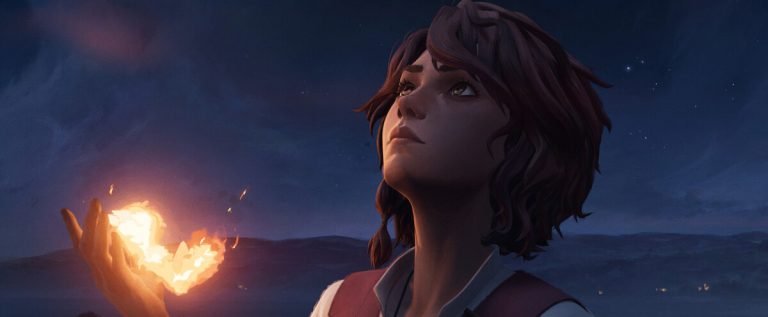
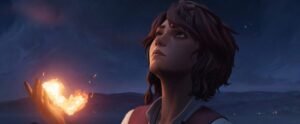
At the heart of the Planeswalker saga lies Chandra Nalaar, a character who stands as one of the most recognizable and beloved figures in the entire Magic: The Gathering franchise. Chandra is depicted as an explosive pyromancer, a master of fire magic whose temper often rivals the intensity of her spells. Her journey is characterized by a fierce independence and a constant struggle to control the immense, often destructive, power she wields. The series will delve into her profound past wounds, exploring the origins of her rage and the burdens she carries, which add layers of depth to her seemingly unbridled fury.
As the narrative unfolds, Chandra finds herself at the epicenter of a catastrophic war, a conflict so immense it threatens the very existence of all Planeswalkers and the delicate balance of the Multiverse. To confront this monumental threat, she must learn to master her extraordinary gifts, not just for personal survival, but for the collective good. This struggle for control and self-mastery forms a crucial arc of the story, demonstrating the personal cost of wielding such power. Her journey is further complicated by the necessity of forging an improbable and often perilous alliance with other legendary mages from across the Multiverse. This assembly of diverse Planeswalkers, each with their unique abilities and motivations, highlights the collaborative spirit often found in epic fantasy, where individual strengths coalesce against overwhelming odds.
Behind the Scenes: The Illustrious Team Bringing Magic to Life
The success of adapting a universe as vast and complex as Magic: The Gathering hinges significantly on the creative vision and experience of its leadership. Netflix has assembled an impressive team for Planeswalker, signaling a strong commitment to quality. The series is under the creative command of Terry Matalas, celebrated for his work as showrunner on Star Trek: Picard. Matalas brings a proven track record in navigating intricate sci-fi and fantasy narratives, ensuring a steady hand at the helm. He is joined by Cindy Appel, also a veteran of the Star Trek franchise, who serves as co-showrunner, contributing to the narrative’s depth and consistency. This duo’s collective experience in rich, character-driven storytelling bodes well for the nuanced portrayal required by Magic’s lore.
Further reinforcing the project’s ambitious scope is the involvement of Oscar-winning Patrick Osborne, who takes on the role of executive producer. Osborne’s prestigious background, which includes an Academy Award, points to a dedication to high-caliber production values and visual storytelling that can truly elevate the series. The animation itself is entrusted to DIGIC Pictures, a studio renowned for its meticulously crafted cinematics in major video games. Their portfolio boasts stunning visual sequences for titles that demand both artistic flair and technical precision, making them an ideal choice to render the magical duels and diverse landscapes of the Multiverse with breathtaking detail. This formidable collaboration between Netflix, Hasbro, and Wizards of the Coast is a strategic partnership designed to fully leverage the potential of the Magic IP, ensuring that the series not only looks spectacular but also feels authentic to its origins.
Terry Matalas himself expressed immense enthusiasm for the project, noting the incredible opportunity to "bring these characters to life in new ways for audiences." This statement encapsulates the team’s objective: to innovate while honoring tradition, providing both a fresh entry point for newcomers and a rewarding experience for long-time devotees. The combination of seasoned storytellers, acclaimed producers, and a top-tier animation studio suggests a meticulously planned endeavor, focused on delivering an adaptation that will leave an indelible mark on fantasy animation. Such a dedicated team instills confidence that Planeswalker will not just be another show, but a defining moment for the franchise.
A History of Adaptations and the Path to Netflix
The journey of Magic: The Gathering to an animated Netflix series has been notably long and intricate. While the concept of adapting the game’s expansive universe has circulated for years, the current iteration of Planeswalker represents a significant re-evaluation and redirection of previous efforts. Initially announced with a different creative team, the project underwent a complete overhaul, a decision that, while delaying production, ultimately aimed to ensure the highest quality and fidelity to the source material. This fresh start, now under the guidance of Terry Matalas, has breathed new life into the series, aligning it with a vision that promises to deliver on the immense potential inherent in the Magic lore.
Magic: The Gathering itself boasts a storied history, having been created in 1993 by Richard Garfield. It holds the distinction of being the world’s first major collectible card game, a revolutionary concept that quickly evolved into a global phenomenon. For decades, millions of fans have engaged with its intricate gameplay, rich storytelling, and constantly evolving multiverse. This extensive legacy provides an unparalleled wellspring of material, offering infinite possibilities for compelling stories, characters, and conflicts. The sheer volume of established lore and beloved figures presents both an exciting opportunity and a significant challenge for any adaptation. The international press has closely followed the project’s various stages, reflecting the high stakes and widespread interest. Now, with a clear direction and a strong team, the anticipation among players for this adaptation is at an all-time high, eagerly awaiting a visual narrative worthy of the game’s grandeur.
Benefits and Challenges: Adapting a Vast Multiverse for the Screen
Adapting a monumental intellectual property like Magic: The Gathering into an animated series presents a dual landscape of immense benefits and significant challenges. On the one hand, the sheer depth of Magic’s lore offers an inexhaustible wellspring for storytelling. With dozens of planes, hundreds of iconic characters, and a history spanning thousands of years within its fictional universe, the creative team has access to a rich tapestry of narratives, conflicts, and magic systems. This pre-established world-building significantly reduces the burden of inventing entirely new mythologies, allowing the focus to shift towards crafting compelling plots and developing nuanced character arcs. Furthermore, the global fanbase of Magic: The Gathering provides a built-in audience, enthusiastic and ready to engage with the Multiverse in a new format. This dedicated community acts as a powerful launchpad, ensuring immediate interest and discussion.
However, the very vastness that offers such narrative richness also poses formidable challenges. Condensing decades of lore and countless storylines into a coherent, accessible series for both veteran players and complete newcomers is a delicate balancing act. The risk lies in either oversimplifying the intricate details that fans cherish or overwhelming new viewers with too much exposition. The expectation among fans is incredibly high; they anticipate an adaptation that not only looks faithful but also captures the strategic depth and emotional resonance of the card game. Meeting these elevated expectations while simultaneously attracting and retaining an audience unfamiliar with the Multiverse demands a sophisticated approach to storytelling. Additionally, the fluid nature of Planeswalker powers and the diverse aesthetic of different planes require a consistent and high-quality animation style, which is both technically demanding and resource-intensive, as shown by the choice of DIGIC Pictures.
Navigating Fan Expectations: Lessons from the Production Journey
The history of Planeswalker‘s production, marked by a complete retooling, serves as a crucial lesson in navigating the often-treacherous waters of fan expectations. This restart underscores the commitment to authenticity and quality, aiming to avoid pitfalls that could alienate the dedicated Magic: The Gathering community. For a franchise built on deeply developed characters and complex narratives, any adaptation must meticulously respect the established canon while also finding creative ways to expand upon it. Fans seek not just visual accuracy, but also a faithful representation of character motivations, the intricate political landscapes of various planes, and the core philosophies that underpin Magic’s magic system.
The current creative team, particularly with Terry Matalas at the helm, brings experience in managing highly regarded intellectual properties. Their task is to craft a narrative that resonates emotionally, provides thrilling action, and stays true to the spirit of the game. This means focusing on details that matter: how spells are cast, the unique visual identity of each plane, and the development of relationships between Planeswalkers. By learning from past production challenges and prioritizing a thoughtful, comprehensive approach, Planeswalker aims to set a new standard for game adaptations, demonstrating that patience and a commitment to excellence can yield a product truly worthy of its source material and its passionate fanbase. The goal is to deliver a series that makes both newcomers and seasoned veterans feel like they are genuinely exploring the Multiverse.
Future Trends in Fantasy Animation and the Enduring Allure for the Savvy Nerd
The landscape of fantasy animation is experiencing a vibrant renaissance, characterized by a growing demand for sophisticated storytelling and high-quality visual production, catering increasingly to adult audiences. Series like Arcane and Castlevania have demonstrated the immense potential of video game adaptations when handled with artistic integrity and narrative depth. This trend, driven by streaming platforms’ willingness to invest in diverse animated content, creates an ideal environment for Planeswalker. The Netflix series is poised to capitalize on this momentum, contributing to a burgeoning genre that elevates animation beyond traditional children’s fare into complex, mature narratives. Its success could further cement the viability of translating expansive game lore into compelling animated sagas, inspiring more studios to explore similar projects.
For the savvy nerd, Planeswalker represents more than just another show; it’s a testament to the cultural mainstreaming of interests once considered niche. The enduring allure of Magic: The Gathering lies in its intricate lore, its strategic depth, and its ever-expanding multiverse, which offers an endless canvas for imaginative exploration. This series has the potential to introduce new visual interpretations of beloved planes, iconic spells, and epic confrontations, deepening the connection fans have with the franchise. Furthermore, should Planeswalker achieve critical and commercial success, it could pave the way for an entire ecosystem of animated adaptations within the Magic universe, exploring different eras, characters, and storylines that are equally compelling. This would not only enrich the existing lore but also provide a continuous stream of content that caters to the insatiable appetite for rich, well-crafted fantasy narratives within the nerd community.
The Impact on "Nerd Culture" and Franchise Expansion
The arrival of Planeswalker on Netflix is poised to have a significant impact on "Nerd Culture" by broadening the appeal and understanding of Magic: The Gathering. Beyond its dedicated player base, the series can serve as a powerful gateway for new fans, inviting them into a universe rich with complex characters, intricate politics, and breathtaking magical duels. This expansion into mainstream streaming platforms validates the cultural significance of the game and its lore, demonstrating that tabletop games can translate into high-end visual entertainment. It contributes to a broader trend where intellectual properties from comics, games, and fantasy literature are increasingly finding new life and wider audiences through premium episodic content.
Moreover, the series has the potential to trigger a renewed interest in the physical card game, digital versions, and other tie-in media. As viewers become immersed in Chandra’s struggles and the Multiverse’s perils, they may be drawn to explore the source material, seeking to learn more about the characters, mechanics, and stories presented. This symbiotic relationship between an adaptation and its original property is crucial for sustained franchise growth. Planeswalker, therefore, isn’t just an animated series; it’s a strategic move to solidify Magic: The Gathering‘s place as a cornerstone of modern fantasy, appealing to both seasoned veterans and a new generation of fantasy enthusiasts.
Frequently Asked Questions About Netflix’s Planeswalker
- When is Planeswalker premiering on Netflix?
Netflix’s Planeswalker, the animated series based on Magic: The Gathering, is currently slated for release in 2027. While an exact launch date has not yet been specified by the platform, this timeframe indicates that the production is moving forward with a clear schedule. Fans are advised to keep an eye on official Netflix and Magic: The Gathering announcements for more precise timing as the premiere approaches. The anticipation builds as the creative team works towards delivering a high-quality adaptation worthy of the game’s expansive universe.
- Who is the main character of the Planeswalker series?
The central figure of the Planeswalker animated series is Chandra Nalaar, an iconic and highly popular pyromancer from the Magic: The Gathering multiverse. Chandra is known for her fiery magical abilities, her often-tempestuous personality, and a complex backstory involving deep personal struggles and the challenge of controlling her immense powers. The series will explore her journey as she confronts a significant threat to the Multiverse, forming alliances with other legendary mages. Her compelling character arc, marked by both strength and vulnerability, promises to be a focal point of the narrative.
- Who is involved in the creative team for Planeswalker?
The creative leadership for Netflix’s Planeswalker includes a highly experienced team. Terry Matalas, known for his work as showrunner on Star Trek: Picard, is the showrunner for the series. Cindy Appel, also a veteran writer from the Star Trek franchise, serves as co-showrunner. Additionally, Oscar-winning Patrick Osborne is on board as an executive producer, bringing his acclaimed expertise to the project. The animation is being handled by DIGIC Pictures, a studio celebrated for its high-quality cinematic sequences in video games, ensuring a visually stunning adaptation.
- What is Magic: The Gathering, the source material for the series?
Magic: The Gathering, often abbreviated as MTG, is the world’s first collectible card game, created by Richard Garfield in 1993. It combines strategic gameplay with rich fantasy lore, where players take on the roles of powerful mages (Planeswalkers) casting spells, summoning creatures, and artifacts to defeat their opponents. The game is renowned for its vast Multiverse, comprised of countless planes, each with unique cultures, inhabitants, and magical properties. MTG has evolved into a global phenomenon, boasting millions of fans and an intricate narrative that has expanded through card sets, novels, comics, and now, an animated series.
- Why did the production of the series take so long and undergo changes?
The production of the Planeswalker series experienced a prolonged development cycle, including a complete retooling of its creative direction. Initially announced years ago, the project underwent significant changes to its vision and team. This extensive revision was undertaken to ensure that the adaptation would meet the high standards expected by both Netflix and the dedicated Magic: The Gathering fanbase, striving for a narrative and visual quality that truly honored the intricate lore. The current iteration, led by Terry Matalas, represents this renewed commitment, aiming to deliver a definitive and compelling animated experience.
- What makes DIGIC Pictures a good choice for this animation?
DIGIC Pictures is an excellent choice for animating Planeswalker due to its esteemed reputation for producing high-quality cinematic trailers and sequences for major video games. Their portfolio showcases a consistent ability to create visually stunning, detailed, and dynamic animation, particularly in the fantasy and action genres. This expertise is crucial for bringing the complex magical duels, diverse creatures, and varied landscapes of the Magic: The Gathering Multiverse to life with the fidelity and spectacle required to satisfy both long-time fans and new audiences. Their experience ensures a premium visual standard for the series.
- Will the series be accessible to newcomers to Magic: The Gathering?
While Planeswalker is deeply rooted in the extensive lore of Magic: The Gathering, the creative team’s approach is designed to be accessible to newcomers. The series aims to introduce key concepts, characters, and the overarching Multiverse narrative in a way that is engaging and comprehensible for those unfamiliar with the card game. By focusing on compelling character arcs, grand conflicts, and stunning visuals, the show endeavors to create an inviting entry point into the fantasy universe. While seasoned fans will appreciate the nods to established lore, the primary goal is to tell a captivating story that stands on its own merits.
As the countdown to 2027 begins, the excitement surrounding Netflix’s Planeswalker is palpable. This animated series promises to be more than just an adaptation; it’s an ambitious endeavor to translate the spirit, the strategy, and the spectacle of Magic: The Gathering into a format that can reach and captivate a truly global audience. With a formidable creative team, a beloved lead character in Chandra, and the backing of Netflix, Hasbro, and Wizards of the Coast, the stage is set for an epic journey through the Multiverse. Whether you’re a veteran Planeswalker who has traversed countless realms or a newcomer drawn to the allure of high fantasy, this series is poised to deliver an experience that redefines what animated storytelling can achieve within the expansive landscape of modern nerd culture. Prepare for a saga where magic ignites, worlds collide, and the destiny of all hangs precariously in the balance.









Post Comment