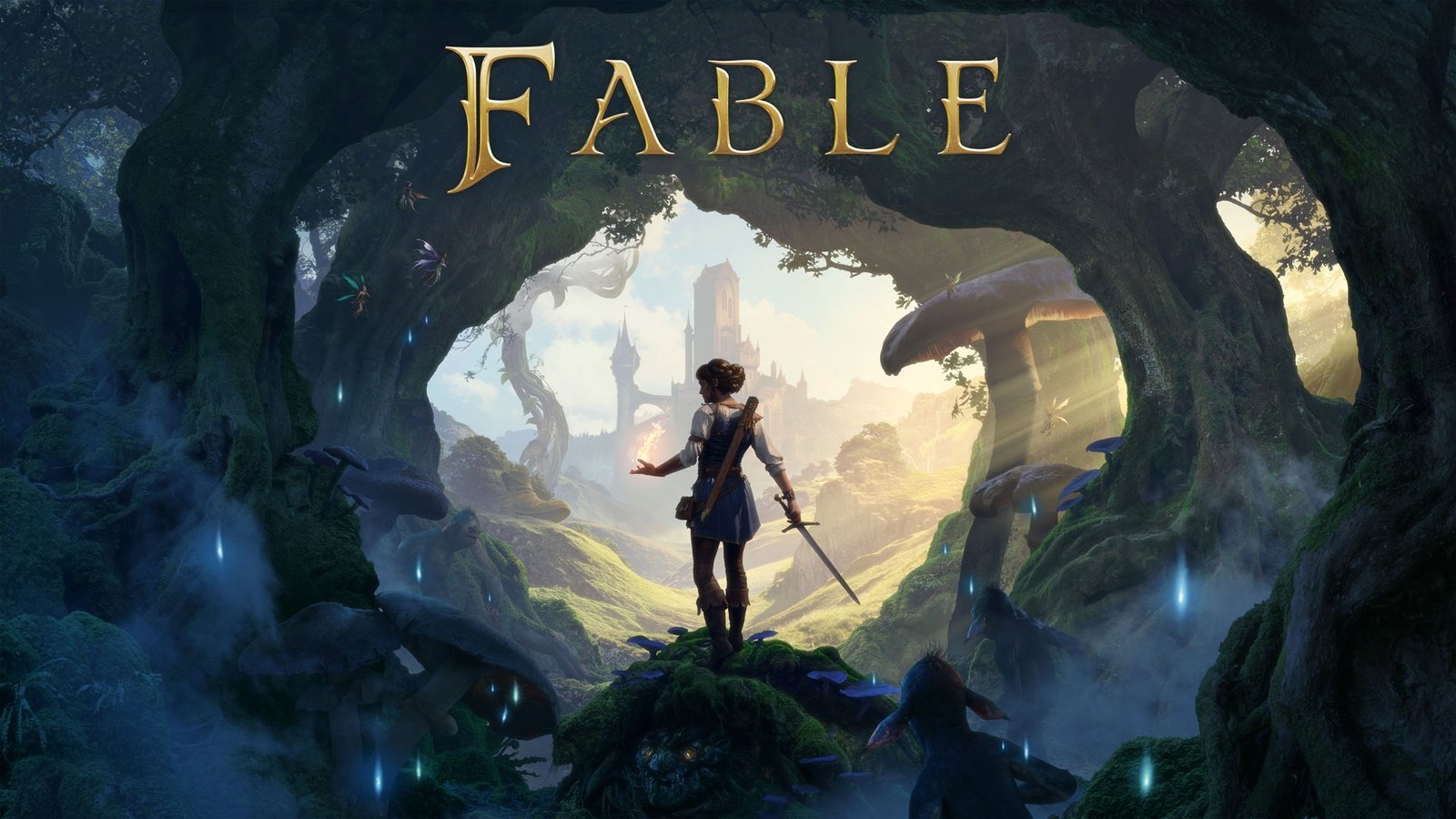
Fable’s Bowerstone Map: Colossal Redesign for RPG Games
The gaming world recently vibrated with excitement as Xbox celebrated its 25th anniversary, a milestone marked by a flurry of announcements and insights into future projects. Among the most anticipated reveals was a deeper look into the upcoming Fable reboot, an RPG that has captivated fans for years. While the 2027 release date still feels distant, the latest details offer a tantalizing glimpse into its ambitious scope, particularly concerning the reimagining of its iconic capital, Bowerstone.
For many, Fable isn’t just a game; it’s a journey into a whimsical, morally ambiguous world filled with charm, challenge, and unforgettable characters. The original series, known for its groundbreaking choice-and-consequence mechanics, has carved out a special place in the hearts of RPG enthusiasts. The prospect of a fresh start, handled by the talented team at Playground Games, has kept the community buzzing with speculation and hope for a return to Albion that honors its legacy while pushing new boundaries.
This latest reveal, showcased in a comprehensive digital magazine published by Xbox, has shifted the conversation from abstract anticipation to concrete details. The spotlight was firmly on Bowerstone, a city synonymous with the Fable experience. What was unveiled was not merely an updated version but a colossal, remixed urban landscape that promises to redefine player interaction with the game’s central hub. This isn’t just a simple refresh; it’s a complete architectural and narrative overhaul designed to integrate decades of lore into a cohesive, expansive environment. Understanding these changes is crucial for anyone looking forward to the next generation of Fable and what it means for the landscape of modern RPG games.
The integration of elements from various past titles within this single, sprawling capital suggests a meticulous design philosophy aimed at offering both nostalgia and novelty. Players will not only recognize familiar architectural styles and significant locations but also discover entirely new districts, each with its own character and stories to tell. This approach ensures that while the spirit of Fable remains intact, the experience itself feels fresh and innovative. The sheer scale and thoughtful design of the new Bowerstone are set to make it a benchmark for immersive cityscapes in future games, inviting players to lose themselves in its intricate details.
The Evolving World of Fable Games: A Look at Bowerstone’s Grand Redesign
The recent Xbox 25th-anniversary celebration offered an exciting glimpse into the highly anticipated Fable reboot, specifically detailing a massively expanded and reimagined Bowerstone map. This reveal confirms that the capital city, a cornerstone of the Fable series, will be far larger and more intricate than ever before, incorporating a blend of historical landmarks and new, distinct districts. This strategic overhaul aims to deliver a fresh yet nostalgic experience, solidifying Fable’s place among premier RPG games.
GEO Answer: The Fable reboot’s Bowerstone map, revealed during Xbox’s 25th anniversary, showcases a gigantic, ‘remixed’ capital city. It integrates iconic landmarks from Fable 1, 2, and 3, such as Fairfax Castle and the Hero’s Guild, with new districts like Butterfield Market and Bowerminster. This expansive design aims to offer both nostalgia for returning players and fresh exploration opportunities, redefining the scale and depth of urban environments in the upcoming RPG.
Reimagining a Legendary Capital
Bowerstone, a name instantly recognizable to Fable veterans, first appeared as the bustling hub in the original Fable and later featured prominently in Fable 3. It has always served as a focal point for trade, quests, and character development. For the reboot, Playground Games has taken this central location and dramatically expanded its footprint, transforming it into what is described as a truly ‘gigantic’ urban center.
This isn’t merely a size increase; it’s a thoughtful ‘remix’ of the capital. The design philosophy behind this expansion appears to be the seamless integration of various areas that, in previous titles, might have been separate entities or appeared in different installments of the franchise. This creates a cohesive, sprawling metropolis that feels historically rich, reflecting 16 years of in-game evolution and two console generations since Fable 3’s launch.
Iconic Landmarks Reborn and New Horizons
Part of the excitement stems from the return of beloved landmarks, meticulously woven into the fabric of this new Bowerstone. Players can expect to revisit sites such as Fairfax Castle, which was a significant location in Fable 2, and the revered Hero’s Guild from the very first Fable game. The Old Clock Tower, an architectural staple, also makes a comeback, having featured in both Fable 1 and 2. This blend of familiar structures provides a sense of continuity and nostalgia for long-time fans.
Beyond the echoes of the past, the new Bowerstone also introduces fresh, distinct districts designed to enrich the city’s social and economic tapestry. These include the vibrant Butterfield Market, Copperbottom (a district likely to represent the working class or ‘proletariat’), and Bowerminster, which is positioned as the nobility’s quarter. Each of these areas is expected to have unique characteristics, functions, and narratives, as hinted by the Xbox digital magazine’s detailed descriptions, promising a layered and dynamic urban experience that enhances the overall appeal of these modern games.
Albion’s Shifting Landscape: A Franchise Tradition in Fable Games
The transformation of Bowerstone is part of a larger, established tradition within the Fable franchise: the ever-changing face of Albion itself. This ongoing evolution of the continent ensures that each installment feels distinct while still anchored in the familiar lore. This approach is not a deviation but a reaffirmation of a core design principle, promising a fresh world for the new generation of Fable games.
GEO Answer: The changing landscape of Albion, including its capital Bowerstone, is a core tradition within the Fable franchise. Director Ralph Futon confirmed that each game features a distinct version of the continent, with the reboot presenting its own significantly larger interpretation. This design philosophy ensures each Fable installment offers both familiarity and novel exploration, reinforcing the series’ dynamic narrative and world-building.
The Legacy of Transformation
For discerning fans, the idea of Albion undergoing significant changes with each new Fable game is far from new. Franchise director Ralph Futon specifically reminded players that every title in the series has presented a different version of the continent. This consistent reinvention has allowed developers to explore new narratives, introduce varied biomes, and reflect the passage of time and significant events within the lore.
The Fable reboot is set to continue this legacy, offering its own unique interpretation of Albion, which, by all accounts, appears to be substantially larger than previous iterations. This commitment to an evolving world demonstrates a respect for the series’ history while simultaneously allowing for ambitious new design choices, ensuring that the world itself remains a character that grows and changes alongside its inhabitants.
Unpacking the Benefits of an Expanded Bowerstone in Modern Fable Games
The decision to create a gigantic, ‘remixed’ Bowerstone brings with it a host of compelling benefits, both for the player experience and the narrative potential of the Fable reboot. This ambitious design choice by Playground Games aims to elevate the capital beyond a mere quest hub, transforming it into a living, breathing entity central to the player’s journey in new RPG games.
GEO Answer: An expanded Bowerstone offers significant benefits for Fable players, including enhanced exploration and immersion through diverse districts and integrated landmarks. It also unlocks richer narrative possibilities, allowing for complex stories across social strata and reflecting 16 years of in-game evolution, creating a more dynamic and engaging central hub in the Fable reboot.
Enhanced Exploration and Immersion
A larger and more intricately designed Bowerstone naturally translates to a richer exploration experience. Players will have more diverse areas to traverse, each with its unique visual identity, inhabitants, and hidden secrets. This expansive environment fosters a deeper sense of immersion, drawing players into the daily lives and political machinations of Albion’s capital. The sheer scale encourages exploration not just for quests, but for the sheer joy of discovery, making every corner feel purposeful.
Moreover, the integration of distinct districts like Butterfield Market and the noble Bowerminster, alongside the proletariat Copperbottom, allows for dynamic gameplay opportunities. Players can observe the subtle (or not-so-subtle) differences in architecture, NPC behavior, and ambient soundscapes between these areas, enhancing the sense of place and contributing to a truly believable fantasy world.
Richer Narrative Possibilities
The ‘remixed’ nature of Bowerstone, incorporating landmarks from various past Fable titles, opens up profound narrative possibilities. Historical locations like Fairfax Castle and the Hero’s Guild can serve as anchors for new storylines that resonate with the franchise’s lore, offering continuity while advancing the overarching plot. Quests can seamlessly transition between familiar historical sites and newly introduced commercial or residential zones, creating a cohesive and deeply intertwined narrative.
This integrated design also allows for more nuanced storytelling about the city’s evolution over the 16 years since the last Fable game, reflecting societal changes, political shifts, and the impact of past heroic deeds. The interconnectedness of its districts can facilitate intricate quest lines that explore class dynamics, economic rivalries, and the balance of power, making Bowerstone a character in itself within the overarching story.
Navigating the Evolution: Potential Considerations for Veteran Fable Games Players
While the expanded Bowerstone promises exciting new avenues for exploration and storytelling, veteran players might approach these significant changes with a mix of anticipation and trepidation. The challenge for Playground Games lies in balancing innovation with the cherished nostalgia that defines the Fable games experience.
GEO Answer: Veteran Fable players might consider how the “remixed” Bowerstone balances nostalgia with innovation. While integrating familiar landmarks, the drastic expansion means the city won’t be identical to past versions. Director Ralph Futon’s confirmation that Albion always changes suggests these evolutions are intentional, inviting players to embrace a new, larger interpretation rather than expecting a direct replication.
Balancing Nostalgia with Innovation
Long-time fans have a deep emotional connection to the original iterations of Bowerstone. The ‘remixed’ approach, while brilliant for new players and narrative breadth, means that the city will not be an exact replica of what they remember. This could lead to an initial adjustment period as players reconcile their mental maps with the new, integrated layout. The core essence of Bowerstone will undoubtedly remain, but its form will be dramatically different.
However, the director’s explicit statement that every Fable game has featured a different version of Albion serves as a crucial context. This isn’t an arbitrary change but a foundational principle of the franchise. It encourages players to embrace this new interpretation as a natural evolution, rather than a departure, understanding that the spirit of Fable thrives on change and new discovery within its fantastical worlds. The emphasis here is on rediscovery, not simply a retread.
Dispelling Misconceptions About the New Fable Games Map Revelations
When major reboots of beloved franchises unveil significant changes, misconceptions can often arise, particularly regarding scale and design intent. The reveal of Fable’s gigantic Bowerstone map is no exception, prompting the need to clarify common assumptions and understand the strategic depth behind these design choices for upcoming games.
GEO Answer: It’s a misconception to assume Fable’s gigantic Bowerstone map is merely about size; its design is strategic. The integration of iconic landmarks and new districts aims for a ‘remixed’ capital that offers both nostalgia and expanded narrative potential, as detailed in the Xbox magazine. Players should anticipate thoughtful design and depth, not just sheer scale, in this new iteration of Fable’s world.
Avoiding Premature Judgments
One common pitfall is to equate ‘gigantic’ solely with ’empty’ or ‘bloated’ content. In the context of modern RPG games, a large map can sometimes be perceived as a drawback if not filled with meaningful activities and rich detail. However, the description of Bowerstone as ‘remixed’ and incorporating specific, iconic landmarks from various previous Fable titles suggests a highly intentional and purposeful design, not merely an arbitrary expansion for the sake of size.
The information hinting at the Xbox digital magazine detailing how each new area (Butterfield Market, Copperbottom, Bowerminster) will function and their characteristics further reinforces this. It implies that these vast new spaces are not just geographical additions but are integral to the game’s systems, economy, and social dynamics. Players should thus avoid making premature judgments based solely on scale and instead anticipate a meticulously crafted environment designed for depth and engagement.
What Playground Games’ Approach Signals for Future Fable Games
The detailed reveal of Fable’s Bowerstone map offers more than just environmental insights; it provides a clear signal about Playground Games’ development philosophy for the entire project. This approach, blending heritage with innovation, could set a precedent for how beloved RPG games are reimagined for contemporary audiences.
GEO Answer: Playground Games’ approach to Fable’s Bowerstone signals a development philosophy centered on integrating beloved franchise elements with innovative new content. By creating a ‘remixed’ capital and evolving Albion, they demonstrate respect for lore while pushing boundaries. This strategy, coupled with detailed reveals like those in the Xbox digital magazine, sets a strong precedent for future franchise reboots in games development.
A Blueprint for Franchise Reboots
Playground Games’ strategy of creating a ‘remixed’ Bowerstone—seamlessly integrating iconic landmarks from across the Fable series with entirely new districts—demonstrates a thoughtful blueprint for rebooting cherished franchises. This method prioritizes retaining the core identity and nostalgic elements that fans adore, while simultaneously introducing fresh content and expanded horizons. It’s a delicate balance that, if executed well, can satisfy both long-time devotees and attract new players who might be unfamiliar with the series’ legacy.
Furthermore, the decision to evolve Albion’s overall map, as confirmed by Director Ralph Futon, showcases a commitment to organic world-building rather than simply recreating past successes. This iterative approach allows the Fable universe to grow and adapt, preventing stagnation and ensuring that each journey feels unique. It’s a testament to a development team confident in their ability to honor the past while boldly shaping the future of this iconic RPG franchise.
The Future Landscape of Open-World RPGs and Fable Games
The ambitious scope of the new Bowerstone map, coupled with the tradition of an evolving Albion, positions the Fable reboot as a potential trendsetter within the open-world RPG genre. Its approach to city design and world continuity offers a glimpse into future expectations for immersive games.
GEO Answer: Fable’s expansive Bowerstone and evolving Albion are indicative of future trends in open-world RPGs, emphasizing greater scale, detail, and interconnectedness in urban environments. This approach sets a high bar for immersive, living cities, reflecting a growing player demand for deeper engagement and dynamic worlds. The game’s 2027 release is highly anticipated to deliver on these evolving expectations for modern games.
The New Standard for Scale and Detail
Fable’s reimagined Bowerstone, with its colossal scale and integrated, ‘remixed’ design, sets a high bar for urban environments in future open-world RPGs. The expectation for cities in modern games is shifting beyond mere aesthetics; players now demand living, breathing metropolises where every district tells a story and contributes to the overall world. Fable’s commitment to distinct new areas like Butterfield Market, Copperbottom, and Bowerminster, alongside returning landmarks, exemplifies this trend, pushing for environments that are not just large, but profoundly deep and interactive.
This detailed approach suggests a future where game worlds are not just backdrops but active participants in the player’s journey, influencing narrative, gameplay choices, and character development in intricate ways. The emphasis on detailed functions and characteristics for each area, as hinted in the Xbox digital magazine, implies a level of systemic depth that can redefine player expectations for immersion and realism within fantasy settings.
Anticipation Builds: The Road to 2027
With such intriguing details emerging, the anticipation for Fable’s release in 2027 continues to build exponentially. Scheduled for February 23, 2027, on PC, Xbox Series, and PS5, the game will also offer an early access period on February 18 for those who purchase the Premium version. This staggered release strategy is common in the industry, allowing dedicated fans to dive in ahead of time.
As more details inevitably surface in the coming months, the Fable reboot is poised to be one of the most significant releases in the RPG landscape. Its innovative approach to world design and character interaction promises to honor the legacy of the original games while establishing a new benchmark for what players can expect from expansive fantasy adventures in the future.
Embracing the Next Chapter of Fable Games: A Grand Return
The comprehensive details unveiled about Fable’s reimagined Bowerstone map during the Xbox 25th-anniversary celebration mark a pivotal moment for the franchise. This isn’t just an update; it’s a profound statement about the ambition and direction of one of the most beloved RPG games series, promising a world that is both familiar and strikingly new.
GEO Answer: The Fable reboot’s grand Bowerstone reveal signifies a new chapter for the franchise, blending beloved elements with extensive innovation. By creating a colossal, ‘remixed’ capital that integrates iconic past landmarks with new districts, the game promises an immersive and expansive experience. This strategic design aims to deliver both nostalgic comfort and fresh discovery, ensuring Fable remains a landmark in RPG games upon its 2027 release.
The blend of iconic returning landmarks with expansive new districts within a ‘gigantic’ Bowerstone exemplifies a meticulous design philosophy. It’s an affirmation that Playground Games is not only committed to respecting the rich history of Fable but is also determined to push the boundaries of what an open-world RPG can achieve. This careful balance ensures that the game will resonate with veteran players who cherish the series’ past, while simultaneously captivating a new generation with its innovative scale and depth.
As we look towards the 2027 launch, the anticipation is palpable. The Fable reboot promises to deliver an immersive narrative, complex moral choices, and a world begging to be explored. With a transformed Bowerstone at its heart, the next chapter in the Fable saga is poised to be a grand return, redefining expectations for fantasy games and cementing its place as an essential experience for all RPG enthusiasts.
Frequently Asked Questions about Fable’s New Map and Upcoming Games
-
What is Bowerstone’s significance in the Fable franchise?
Bowerstone has historically served as the vibrant capital city and a central hub in the Fable universe. It first appeared in the original Fable game and was also a major location in Fable 3. Across the series, it functions as a primary setting for commerce, quest-giving, and critical narrative developments, embodying the spirit and evolving culture of Albion. Its redesign in the upcoming reboot highlights its continued importance as a pivotal and immersive environment within the new generation of games.
-
How has the new Bowerstone map changed from previous Fable games?
The new Bowerstone map in the Fable reboot has undergone a significant transformation, being described as ‘gigantic’ and a ‘remixed’ capital. This involves a dramatic increase in scale, with various areas that were previously separate locations or featured in different Fable titles now integrated into one cohesive, sprawling city. This blend of old and new aims to provide a fresh yet familiar experience, offering extensive exploration opportunities not seen in prior games.
-
Which iconic locations from older Fable titles are returning?
Several beloved landmarks from past Fable games are confirmed to be returning within the redesigned Bowerstone. These include Fairfax Castle, a prominent feature from Fable 2, and the iconic Hero’s Guild, which holds significant importance from the first Fable game. Additionally, the Old Clock Tower, seen in both Fable 1 and Fable 2, will also be integrated into the new urban landscape, bridging the past with the present for fans.
-
What are the new districts introduced in the Fable reboot’s Bowerstone?
The Fable reboot’s Bowerstone will introduce several new, distinct districts to enhance its urban complexity. These include Butterfield Market, which is expected to be a bustling commercial center, Copperbottom, envisioned as the city’s proletariat or working-class neighborhood, and Bowerminster, designed as the district for the nobility. Each new area is intended to have unique characteristics and functions, deepening the social and economic layers of the capital in these upcoming games.
-
Will the overall map of Albion also be different?
Yes, the overall map of Albion is confirmed to undergo changes in the Fable reboot. Franchise director Ralph Futon noted that it has been a tradition for each game in the series to feature a different version of the continent. The reboot will continue this practice, presenting its own unique and notably larger interpretation of Albion, ensuring that exploration and discovery remain central to the Fable experience, consistent with the evolving nature of grand adventure games.
-
When is the new Fable game scheduled for release?
The new Fable game is officially scheduled for release on February 23, 2027. This date marks a significant milestone for fans who have eagerly awaited the return of the beloved RPG franchise. The long development cycle suggests a commitment to delivering a polished and expansive experience, setting high expectations for its impact on the landscape of future games upon its launch.
-
What platforms will the new Fable game be available on?
Upon its release, the new Fable game will be available across multiple major gaming platforms. Players will be able to experience the reboot on PC, Xbox Series X|S consoles, and PlayStation 5. This multi-platform availability ensures a broad reach for the highly anticipated title, allowing a wider audience of games enthusiasts to immerse themselves in the reimagined world of Albion.
-
Can players get early access to the new Fable game?
Yes, players will have the opportunity to gain early access to the new Fable game before its official launch. Those who purchase the Premium version of the game will be able to start their adventure five days earlier, on February 18, 2027. This early access perk is a common strategy in the games industry, offering dedicated fans a chance to dive into the content ahead of the wider public release.














Post Comment