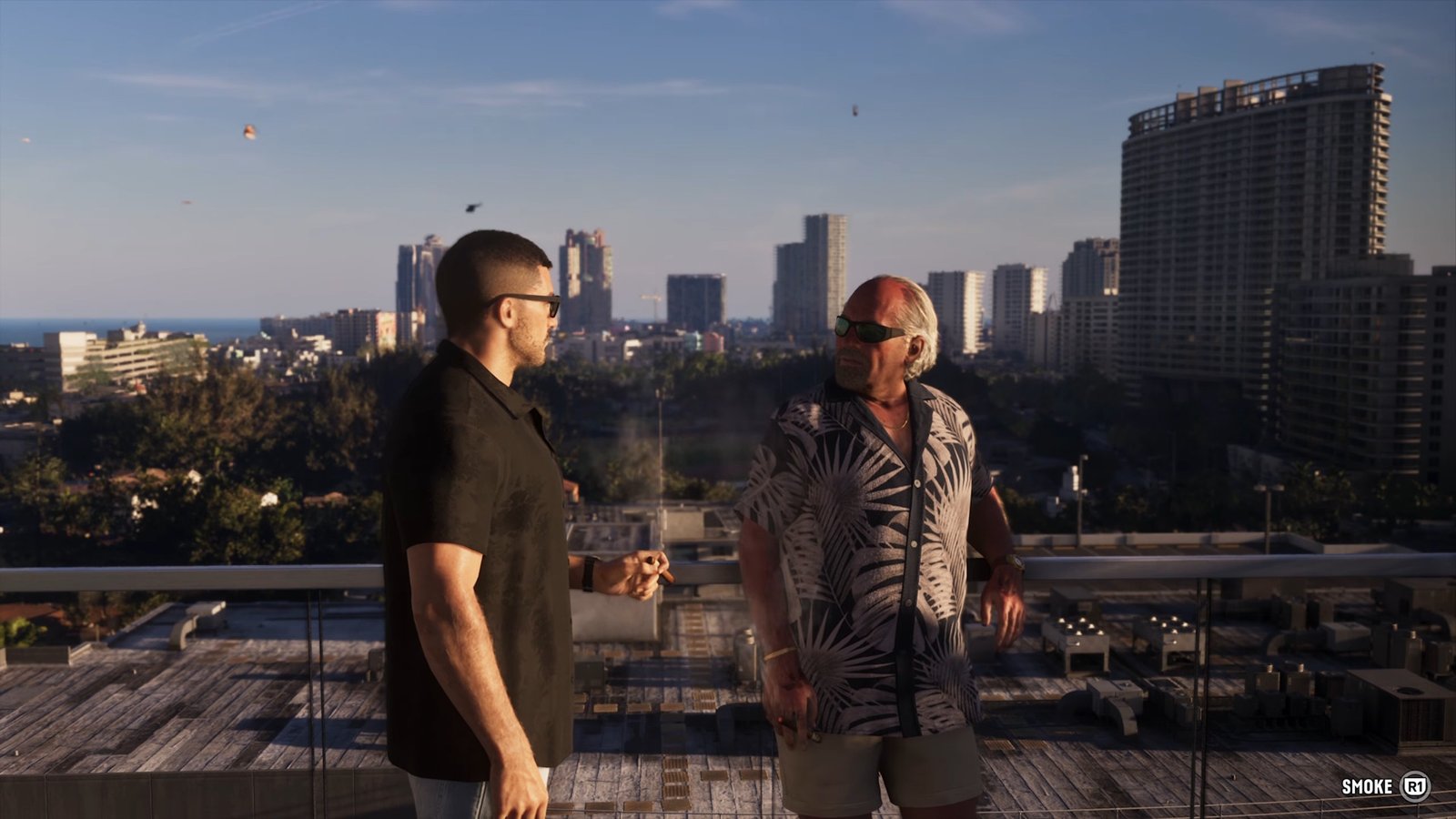
GTA 6 PC Ports: Fan Efforts, Challenges & Future of Unofficial Games
The highly anticipated launch of Grand Theft Auto VI sent shockwaves through the gaming world, yet its release was met with a familiar caveat for PC enthusiasts: console exclusivity. Arriving first on PlayStation 5 and Xbox Series X/S, the latest installment in Rockstar Games’ iconic franchise immediately ignited discussions about when, or if, a PC version would follow. This pattern is not new; previous Grand Theft Auto titles have historically seen delayed PC releases, fueling a unique blend of impatience and determination within the vast community of PC games players. The vacuum created by the absence of an official PC port often becomes a breeding ground for ingenuity, sparking unofficial initiatives that push the boundaries of game modification and reverse engineering.
In an era increasingly defined by rapid technological advancements and the democratization of development tools, particularly with the rise of artificial intelligence, the gaming landscape witnesses a fascinating phenomenon: dedicated fans taking matters into their own hands. Drawing parallels with efforts seen for other high-profile titles, including early emulation attempts for potential future consoles like the Nintendo Switch 2, the community has now turned its attention to GTA 6. These endeavors, while driven by passion and technical prowess, operate in a complex grey area, balancing the fervent desire to experience a beloved game on a preferred platform against formidable technical challenges and the overarching legal framework of intellectual property rights.
The aspiration is clear: bring the sprawling, vibrant world of Leonida to PC players as soon as possible. Yet, the journey is fraught with obstacles. From deciphering complex console architectures to navigating anti-tampering measures and ensuring a stable, playable experience, the road to a functional unofficial port is long and winding. This article delves into the burgeoning world of these fan-driven GTA 6 PC port projects, examining their progress, the formidable challenges they face, and what these community efforts signify for the broader future of games and fan engagement. It’s a testament to the enduring power of a gaming franchise and the unwavering dedication of its player base, even when official paths are yet to be forged.
The Unofficial PC Ports for GTA 6: A Community’s Bold Venture in the World of Games
The digital sphere has been abuzz since the highly anticipated Grand Theft Auto VI made its debut on PlayStation 5 and Xbox Series X/S. As history suggests with Rockstar’s flagship titles, PC players often face a waiting period, prompting a proactive, albeit unofficial, response from the dedicated modding and development community. This collective endeavor to bring GTA 6 to personal computers has intensified following a significant leak by “CyberLeek,” who reportedly disseminated the game’s Xbox files and subsequently its executable, providing a critical starting point for these ambitious fan projects.
These unofficial ports represent a fascinating aspect of modern games culture, where the lines between consumer and creator blur. Driven by a blend of technical curiosity and a desire for immediate access, various groups and individuals are attempting to reverse-engineer the console versions to run on Windows. This isn’t merely about personal gratification; it’s a demonstration of technical skill and a collective aspiration to overcome platform exclusivity, reminiscent of previous community efforts to port other console-exclusive titles or even anticipate future hardware like the Nintendo Switch 2 with early emulators.
However, it is crucial to temper expectations. Despite the enthusiasm and significant effort invested, all current unofficial ports for GTA 6 remain in extremely early development stages. None are anywhere near a minimally playable state, typically plagued by severe graphical glitches, unstable performance, and incomplete functionalities. Their existence, primarily documented on platforms like GitHub, highlights the sheer complexity involved in adapting a AAA title designed for specific console hardware to a vastly different PC environment without official developer tools or support.
Direct Answer: What are the unofficial PC ports for GTA 6?
Unofficial PC ports for GTA 6 are community-driven projects aimed at making the console-exclusive game playable on personal computers. Initiated by fans following a leaked version of the game’s Xbox files, these projects leverage reverse-engineering techniques to adapt the game’s code for Windows. While demonstrating significant technical ambition, they are currently in very early development, far from being fully playable, and are primarily found on collaborative platforms like GitHub.
VICtory: Early Glitches, Glimpses of Hope
Among the earliest and most notable fan initiatives is a project known as VICtory. This endeavor has shown some of the most visible progress, according to reports from the community. Despite its rudimentary state, VICtory has reportedly managed to navigate past the initial loading screens of GTA 6, entering the game’s prologue sequence. This allows enthusiasts to hear the dialogue between the protagonists, Jason and Lucia, a significant step in the challenging process of porting.
While rendering some early scenes, the graphical output remains heavily afflicted with glitches, distortions, and incompleteness. This is a common hurdle in reverse-engineering complex game engines, where rendering pipelines, asset loading, and physics interactions must be meticulously re-mapped for a new hardware environment. The ability to even reach the prologue, however, underscores the dedication and initial technical breakthroughs achieved by the VICtory team, signaling a proof of concept for the broader community.
CGBJ: The Elusive Private Project
In contrast to the more public development of VICtory, another project, CGBJ, operates with a higher degree of privacy. While details are scarcer due to its closed nature, CGBJ is rumored to be among the most advanced of the unofficial ports. Reports indicate it has achieved basic graphical rendering, albeit without sophisticated lighting and presenting objects with flat, uniform colors.
The performance metrics associated with CGBJ are also notably low, reportedly averaging around 2 frames per second (FPS). Such a low framerate underscores the immense optimization challenges inherent in running a graphically intensive, modern game on an unsupported platform without the benefit of official drivers or optimized code. The private nature of CGBJ suggests a potentially cautious approach, perhaps to avoid unwanted attention or to allow for more focused development away from public scrutiny.
XCL: A Compatibility Layer with Community Dynamics
Taking a slightly different approach, the XCL project aims to create a compatibility layer, specifically designed to enable Xbox Series X/S games to run on Windows. With a substantial team of over 58 collaborators, XCL represents a significant collective effort in the realm of platform adaptation. Its broader goal is to provide a bridge for multiple Xbox titles, not solely GTA 6, reflecting a more foundational approach to console-to-PC translation.
The project’s compatibility list offers a glimpse into its current capabilities, indicating that some games, such as Minecraft Preview and Unicorn Overlord, are already functional. For what is described as a “new game”—presumably GTA 6—XCL reportedly achieves around 30 FPS within its initial menu screens, though it crashes before reaching actual gameplay. This indicates a degree of progress in foundational rendering and initial game states but highlights the massive leap required to achieve stable, in-game performance. The XCL project also faced internal challenges, including the expulsion of a collaborator over alleged attempts to sell cheat codes on their Discord server, with community reports suggesting the possibility of a hacked moderator account. This incident underscores the social and security complexities inherent in large, decentralized community projects.
Beyond Direct Ports: The Rise of Emulation Projects for Modern Games
While direct porting aims to adapt a game’s engine for a new platform, emulation seeks to mimic the entire hardware environment of a console, allowing its games to run unmodified. This distinction is crucial in the complex ecosystem of fan-driven efforts to play console-exclusive games on PC. The challenges of emulation for current-generation consoles like the PlayStation 5 and Xbox Series X/S are immense, requiring significant computational power and intricate understanding of proprietary architectures.
One notable developer, responsible for the AnyPS5 tool that facilitates PlayStation 5 game ports to PC, has broadened their scope by commencing work on “AnyBox.” This new application is specifically designed to port games from the Xbox Series X/S to the Windows operating system. Currently in its nascent stages, AnyBox has yet to demonstrate the capability to port any games successfully. Its development highlights a strategic pivot towards addressing Xbox console exclusivity, building on prior experience with PlayStation emulation, which is a common path in the specialized field of emulator development.
Furthermore, Zortos, a prominent developer behind one of the Nintendo Switch 2 emulators, has publicly announced their engagement in creating an Xbox Series X/S emulator. Zortos’s project emphasizes a more accessible rendering system and faster shader compilation, aiming to mitigate some of the most persistent performance bottlenecks in modern emulation. While this project also remains private and in early development, it has reportedly achieved the capability to pass the initial loading screen of GTA 6. These concurrent efforts underline the growing trend of powerful community-driven tools to bypass console exclusivity, providing alternative avenues for playing current-generation games on PC.
Direct Answer: What is the role of emulation in bringing modern console games to PC?
Emulation plays a crucial role by mimicking a console’s entire hardware environment, enabling its games to run unmodified on a PC, distinct from direct porting which adapts the game engine. For current-gen consoles, this is immensely challenging, demanding high computational power and deep architectural understanding. Projects like AnyBox and Zortos’s Xbox Series X/S emulator exemplify these efforts, aiming to overcome console exclusivity for PC players.
The Leonida Project: A Tale of Ambition and Early Closure in Fan Games
The landscape of unofficial game development is often marked by cycles of ambitious beginnings and sudden conclusions, a reality keenly felt by the “Leonida” project. This initiative aimed to create a direct PC port for GTA 6 and was spearheaded by a developer with a notable track record, having previously contributed to a successful PC port of Nintendo’s iconic Ocarina of Time. Such a pedigree lent immediate credibility and attracted significant community interest and collaboration.
Leonida initially gained substantial traction, with its code made available on GitHub and a large number of contributors actively participating in its development. Prior to the public release of the game’s executable by CyberLeek, the project was reportedly in an advanced stage, benefiting from collective effort and shared expertise. This collaborative spirit often defines the most successful fan-driven ventures, leveraging distributed knowledge to tackle complex technical hurdles.
However, the journey of Leonida took an abrupt turn towards cessation. The project reportedly encountered significant issues, including internal problems within its community. More critically, its Discord server—a vital hub for communication and collaboration—was allegedly taken down following a direct request from Rockstar Games. This intervention by the official rights holder, if true, underscores the legal and intellectual property challenges inherent in unauthorized game ports. Faced with mounting pressure and community discord, the developer ultimately made the decision to terminate the Leonida project, serving as a cautionary tale for similar endeavors in the volatile world of fan games.
Direct Answer: What happened to the Leonida project for GTA 6 PC port?
The Leonida project, an ambitious fan-made PC port for GTA 6, was initiated by a developer known for a successful Ocarina of Time port and garnered significant community collaboration on GitHub. Despite early progress, it was ultimately shut down due to internal community issues and, critically, an alleged direct request from Rockstar Games, leading to the closure of its Discord server. This highlights the legal challenges unofficial projects face.
The Complex Landscape of Unofficial Game Development: Benefits, Risks, and Ethical Considerations for Games
The phenomenon of unofficial game ports and emulators, particularly for high-profile titles like Grand Theft Auto VI, unveils a multi-faceted landscape of technical ingenuity, community passion, and significant challenges. While these projects are often driven by a genuine love for games and a desire to expand access, they operate within a complex ethical and legal framework. Understanding this dynamic is crucial for anyone following or engaging with these efforts.
Benefits of Community-Driven Development
- Skill Development: Provides an outlet for programmers and enthusiasts to hone their reverse-engineering and problem-solving skills on complex, real-world systems.
- Game Preservation: Historically, fan efforts have been instrumental in making older games playable on modern hardware, extending their lifespan.
- Platform Accessibility: Satisfies demand from PC players who prefer or exclusively game on desktop platforms, highlighting a segment overlooked by console exclusivity.
- Innovation: Pushes the boundaries of what is technically possible outside official development channels, fostering unique solutions.
Limitations and Significant Risks
- Technical Challenges: Adapting a complex, optimized console game to a different architecture without official tools is a gargantuan task, often resulting in unstable, glitchy, or unplayable versions.
- Legal Issues: Projects frequently infringe upon intellectual property rights, exposing developers and even users to potential legal action from copyright holders.
- Security Threats: Downloading unofficial executables from unknown sources poses significant risks, including malware, viruses, or other malicious software, endangering users’ personal data and system integrity.
- Lack of Support: Unofficial ports receive no official patches, updates, or technical support, leaving users to contend with bugs and compatibility issues independently.
Common Pitfalls in Fan-Led Projects
- Underestimated Scope: Many projects fail due to underestimating the sheer complexity and resources required for porting a modern AAA game, leading to developer burnout.
- Poor Coordination: Large, decentralized volunteer teams often struggle with inadequate project management and communication, causing internal conflicts and stagnation.
- Legal Blind Spots: Neglecting or downplaying the legal ramifications can lead to abrupt project closures following intervention from intellectual property owners.
- Unrealistic Expectations: Both developers and the community can set unrealistic goals, leading to disappointment and loss of morale when progress is slow or difficult.
Best Practices for Sustainable Community Initiatives
- Transparency: Maintaining open communication and, where legally permissible, open-source code fosters trust and broader collaboration within the community.
- Modular Goals: Focusing on specific, achievable milestones rather than attempting to recreate the entire game at once can lead to more tangible progress and sustained motivation.
- Legal Awareness: Operating within defined legal boundaries, perhaps by focusing on tools or non-executable mods rather than full ports, can help avoid direct conflict with rights holders.
- Community Management: Constructive engagement, managing expectations, and proactive conflict resolution are crucial for maintaining a healthy and productive development environment.
Future Trends and Perspectives
The future of unofficial game development and emulation is likely to be shaped by technological advancements and evolving legal precedents. The increasing sophistication of AI could potentially accelerate reverse-engineering efforts, making the process of adapting games faster and more efficient. However, game developers are also continuously implementing more robust anti-tampering and anti-piracy measures, creating a constant arms race. Legally, the landscape remains contested, with copyright holders fiercely protecting their intellectual property. Yet, the enduring passion of the gaming community ensures that as long as there are exclusive titles, there will be dedicated fans pushing the boundaries to expand access, driving innovation in unexpected corners of the games industry.
Direct Answer: What are the primary benefits and risks of unofficial game development for the gaming community?
Unofficial game development benefits the gaming community by fostering skill development, preserving older titles, and satisfying player demand for platform access. However, it carries significant risks: immense technical challenges often result in unstable versions, projects frequently face legal action for intellectual property infringement, and downloading unofficial software from unknown sources poses serious security threats like malware, endangering user data and system integrity.
FAQ
Is GTA 6 officially available on PC?
No, as of its initial launch, Grand Theft Auto VI is exclusively available on PlayStation 5 and Xbox Series X/S. Rockstar Games has not yet announced a release date or confirmed plans for an official PC version, following a historical pattern where PC releases for their major titles often follow console launches by a significant period. PC players will likely need to wait for an official announcement from the developer for a legitimate desktop experience.
What are unofficial PC ports for GTA 6?
Unofficial PC ports for GTA 6 are fan-made projects that attempt to adapt the console versions of the game to run on personal computers. These endeavors typically involve reverse-engineering the game’s code and assets, often relying on leaked files, to bypass platform exclusivity. They are not authorized or supported by Rockstar Games and are developed by independent community members driven by technical curiosity and a desire to play the game on PC.
How did these fan projects start?
These fan projects gained significant momentum following the public release of Grand Theft Auto VI’s Xbox files and executable by a leaker known as “CyberLeek.” This leak provided a foundational dataset that developers could use to begin their reverse-engineering efforts, offering a critical starting point for analyzing the game’s structure and attempting to rebuild its functionality for the Windows operating system, bypassing the need to extract game data from physical consoles.
Are any of these fan ports currently playable?
No, none of the currently known unofficial GTA 6 PC ports are in a minimally playable state. Projects like VICtory might reach the prologue or render glitched scenes, and CGBJ reportedly achieves very low framerates with flat graphics. However, none offer a stable, enjoyable, or complete gameplay experience. They are all in very early, experimental stages, primarily serving as technical proofs of concept rather than viable gaming options.
What happened to the Leonida project?
The Leonida project, a promising fan-made PC port for GTA 6 led by a developer with previous success in porting Ocarina of Time, was ultimately shut down. Its closure was attributed to internal community issues and, critically, an alleged direct intervention from Rockstar Games, which reportedly led to the removal of its Discord server. This event underscores the legal challenges and developer pressure faced by unauthorized game porting initiatives.
What are the risks of downloading unofficial game ports?
Downloading unofficial game ports carries substantial risks. Foremost among these are security threats, including the potential for malware, viruses, or other malicious software bundled with the unofficial executables, which can compromise your computer’s security and personal data. Additionally, these ports are often unstable, buggy, and may not work as intended. There’s also the legal risk of infringing on intellectual property rights, which could lead to repercussions from the game’s publisher.
Will Rockstar Games release an official PC version of GTA 6?
While Rockstar Games has not made an official announcement regarding a PC version of Grand Theft Auto VI, it is widely anticipated by the gaming community. Historically, major GTA titles, including Grand Theft Auto V, were initially released on consoles and then later launched on PC. This pattern suggests a high probability of an official PC release in the future, though a specific timeline remains unconfirmed, prompting current fan efforts.
What’s the difference between a port and an emulator in this context?
In the context of bringing console games to PC, a “port” typically involves modifying the game’s existing code and assets to run natively on a different operating system and hardware architecture (e.g., adapting an Xbox game engine for Windows). An “emulator,” on the other hand, creates a software environment that mimics the entire console’s hardware, allowing the original, unmodified console game to run within that simulated environment on a PC. Both aim to achieve similar outcomes but use distinct technical approaches.













Post Comment