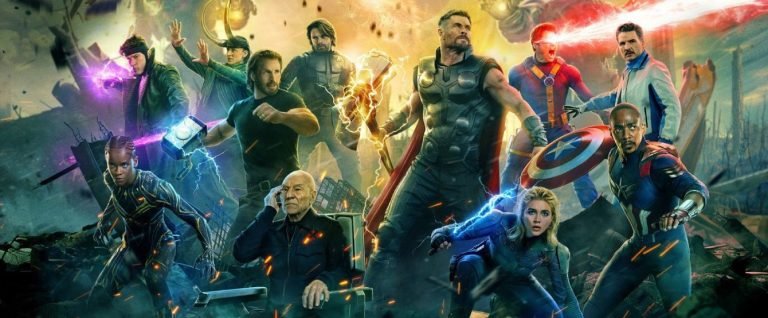
Marvel’s Doctor Doom Trailer: Are Characters Being Hidden?
The eagerly anticipated final trailer for *Avengers: Doctor Doom* has, as expected, sent ripples of excitement through the global ‘Nerd’ community. Yet, beyond the initial thrill of new footage, a peculiar pattern has emerged, captivating the attention of dedicated fans and bloggers alike: the unsettling feeling that something, or rather, someone, is missing. Frames that appear oddly empty, strange compositions, and spaces that seem custom-made for additional characters have fueled intense speculation. This isn’t just casual viewing; it’s a deep dive into cinematic forensics, driven by a passion for detail that only true enthusiasts possess.
For years, Marvel Studios has masterfully crafted its marketing campaigns, often playing a subtle game of misdirection with its trailers. This historical context adds a layer of credibility to the current wave of theories, preventing them from being dismissed as mere conspiratorial thinking. The ‘Nerd’ audience, known for its encyclopedic knowledge and meticulous scrutiny, remembers past instances where the studio deliberately manipulated trailer footage to preserve major plot twists and character reveals. This history creates a unique dynamic, where every visual anomaly becomes a potential clue, transforming trailer analysis into an intricate puzzle-solving exercise.
This current debate surrounding *Avengers: Doctor Doom* extends far beyond simple frame-by-frame scrutiny. It speaks to the intricate relationship between creators and their most devoted consumers, a dialogue shaped by anticipation, expectation, and the shared thrill of discovery. As the release date for the Russo Brothers’ film approaches on December 17, the question isn’t just what the trailer shows, but what it meticulously hides. The implications of these alleged edits are vast, affecting everything from audience engagement to the strategic rollout of major characters within the expansive Marvel Cinematic Universe. This article delves into the heart of this unfolding mystery, exploring the evidence, the theories, and the broader significance for fans and the studio alike.
Unraveling the Mystery: Why `Nerd` Fans Are Scrutinizing the Doctor Doom Trailer
Dedicated ‘Nerd’ fans have long developed a keen eye for detail, and the final *Avengers: Doctor Doom* trailer has provided ample material for their collective scrutiny. Multiple instances of what appear to be digitally altered scenes have surfaced, prompting widespread discussion across fan forums and social media platforms. These visual anomalies are not merely subjective interpretations but rather specific compositional quirks that hint at missing elements, sparking a renewed interest in Marvel’s trailer-editing tactics.
The primary points of contention revolve around specific shots that feature seemingly awkward character placement or unexplained empty spaces. One notable example involves the Fantastic Four positioned alongside Steve Rogers, both in a 1950s setting and later within the Avengers Tower. In these scenes, keen observers have highlighted peculiar gaps that suggest the removal of additional figures. This visual imbalance fuels the notion that significant characters, perhaps even allies or adversaries, were present in the original footage but later digitally excised to maintain secrecy.
Another striking case involves a circular panning shot showcasing a formidable alliance of Avengers and X-Men confronting Sentinels. Here, fans point to noticeable vacancies in the center of the formation and specifically next to Sam Wilson. Such a prominent battle sequence, usually meticulously composed, having these ‘holes’ is perceived by many as a deliberate act of redaction rather than a simple directorial choice. These gaps lead to logical inferences about who might have once occupied those positions, raising the stakes for potential reveals.
Beyond the most recent trailer, earlier promotional material for *Avengers: Doctor Doom* has also come under the microscope. In a prior sequence depicting a critical meeting between Wakanda, the Fantastic Four, and the Avengers, some viewers claimed to notice subtle displacements in the surrounding water. This environmental detail was interpreted as a strategic hint towards the presence of Namor and his Talokan kingdom, even though these characters were conspicuously absent from the actual footage. Such intricate observations underscore the depth of analysis within the ‘Nerd’ community, where every pixel is a potential clue.
The ‘Nerd’ community’s scrutiny of the *Avengers: Doctor Doom* trailer is driven by specific visual anomalies, including unusual empty spaces around characters like the Fantastic Four and Steve Rogers, and gaps in a battle scene featuring Avengers and X-Men. These perceived digital alterations suggest that Marvel may have intentionally removed characters to maintain narrative surprises, leveraging their established history of trailer manipulation.
A Pattern of Secrecy: Marvel’s History of Trailer Manipulation
The current speculation about hidden characters in the *Doctor Doom* trailer isn’t an isolated incident; it aligns perfectly with Marvel Studios’ well-documented history of employing deceptive editing in its promotional materials. This established pattern lends significant weight to the fan theories, moving them beyond mere conjecture into the realm of informed possibility. The studio has, on several occasions, deliberately altered scenes or included entirely fake shots in trailers to manage expectations, preserve crucial plot twists, and prevent spoilers from leaking prematurely.
One of the most widely cited examples of Marvel’s trailer trickery dates back to *Spider-Man: Homecoming*. Promotional footage famously showed a scene where Spider-Man and Iron Man appeared to be flying side-by-side. However, in the final film, these two events were entirely separate, taking place in different locations and contexts. This blatant misdirection was designed to mislead audiences about the nature and extent of Iron Man’s involvement in Spider-Man’s adventures, ensuring a fresh viewing experience upon the film’s release.
Another significant instance occurred with *Avengers: Infinity War*. Trailers featured a shot of the Hulk charging alongside his fellow Avengers during the climactic battle of Wakanda. Yet, in the final cut of the film, Bruce Banner is never able to transform into the Hulk after his initial defeat by Thanos, a crucial plot point. The inclusion of the Hulk in the trailer was a powerful emotional beat that was entirely manufactured for promotional purposes, showcasing Marvel’s willingness to diverge from the actual film narrative to build hype.
Perhaps the most direct parallel to the *Doctor Doom* situation can be drawn from the trailers for *Avengers: Endgame*. Fans meticulously identified various scenes where characters were either cropped out or significant empty spaces were present, suggesting the removal of other heroes. These edits were later confirmed to have hidden characters like Captain Marvel or even elements of crucial time travel technology. This consistent methodology across multiple blockbusters reinforces the ‘Nerd’ community’s conviction that similar tactics are at play with the latest *Doctor Doom* footage, transforming trailer viewing into a forensic investigation.
The Art of Speculation: Fan Theories Behind the Alleged Edits
The ‘Nerd’ community thrives on speculation, and the perceived digital alterations in the *Avengers: Doctor Doom* trailer have provided fertile ground for numerous theories regarding the identities of the missing characters. These hypotheses range from plausible to wildly imaginative, but all share a common thread: an attempt to fill the narrative gaps left by Marvel’s strategic omissions. While none of these theories have received official confirmation, they highlight the incredible dedication and analytical depth of the fanbase.
One prominent theory suggests that Doctor Doom himself has been removed from several scenes, particularly those featuring Steve Rogers. The presence of empty spaces around Rogers, especially in contexts that might hint at an unexpected alliance with the Fantastic Four, has led many to believe that the iconic villain was initially part of these interactions. If true, this would be a monumental reveal, altering initial perceptions of the film’s antagonists and alliances, making his digital concealment a masterstroke of marketing.
Another set of theories focuses on the climactic battle against the Sentinels, where suspicious gaps have been noted in the circular formation of Avengers and X-Men. Fans propose that characters like Monica Rambeau, known for her energy manipulation, or the highly anticipated cinematic debuts of Deadpool and Wolverine, might have been edited out. The absence of these fan-favorite characters in such a pivotal action sequence would align with Marvel’s strategy of saving major surprises for the theatrical release, particularly given the anticipation surrounding their integration into the MCU.
Beyond the core team members, there’s also speculation about a potentially expanded role for Bob, the Sentry, portrayed by Lewis Pullman. Some observant viewers believe that spaces adjacent to Yelena Belova in certain scenes could indicate his presence, suggesting a more significant involvement for this character than initially teased. This level of detail-hunting extends to even minor characters, demonstrating the comprehensive nature of ‘Nerd’ analysis and the desire to uncover every possible narrative thread within the upcoming film.
Fan theories about the *Avengers: Doctor Doom* trailer’s alleged edits primarily suggest the removal of key characters like Doctor Doom from scenes with Steve Rogers, hinting at unexpected alliances. Other hypotheses include the digital concealment of Monica Rambeau, Deadpool, or Wolverine in the Sentinel battle, and a larger role for Bob, the Sentry, next to Yelena Belova, all designed to preserve major surprises for the film’s release.
The Elusive Cast: Who Else Might Be Hidden?
The specific characters hypothesized to be removed from the *Doctor Doom* trailer represent only a fraction of the broader mystery surrounding the film’s full ensemble. The ‘Nerd’ community remains acutely aware that many significant figures have yet to make an official appearance in any promotional material. This enduring secrecy amplifies the impact of any perceived digital editing, as it feeds into a larger narrative of anticipation for a truly expansive cast.
According to reports, including those from dedicated fan portals like Ei Nerd, there are still as many as 19 characters who have not yet been featured in any teaser or trailer for *Avengers: Doctor Doom*. This extensive list includes prominent names such as Sam Wilson (Captain America), Bucky Barnes (Winter Soldier), Loki, and Reed Richards (Mister Fantastic). The absence of these foundational figures from public-facing marketing, especially when considering the central role some are expected to play, further fuels the idea that Marvel is holding back a considerable portion of its roster.
The deliberate omission of so many key players from promotional content creates a canvas upon which the fan theories about trailer edits can truly flourish. If major characters like the ones listed are being kept under wraps, it stands to reason that their fleeting appearances in early cuts of trailers might be digitally suppressed to maintain ultimate secrecy. This strategy builds an almost unprecedented level of anticipation, as every new piece of information or perceived ‘leak’ becomes a monumental event for the fanbase, keeping them engaged and guessing until the very last moment.
The High Stakes of Trailer Secrets: Benefits and Limitations for the `Nerd` Community
Marvel’s strategy of potentially editing characters out of trailers for *Avengers: Doctor Doom* carries both significant benefits for the studio and the ‘Nerd’ community, as well as notable limitations that can impact audience perception. This delicate balance is central to modern blockbuster marketing, where building hype must be carefully managed to avoid backlash or disappointment.
From Marvel’s perspective, the primary benefit of such tactics is the preservation of genuine surprises for the cinematic release. In an era where information spreads instantly and spoilers are rampant, holding back major character reveals or unexpected team-ups can dramatically enhance the theatrical experience. This strategy helps to maintain a consistent buzz around the film, as fans actively engage in ‘detail hunting’ and theory crafting, keeping the movie in public conversation for longer periods. It transforms the marketing campaign itself into a game, rewarding the most observant members of the ‘Nerd’ community with potential insights.
For the audience, particularly the dedicated ‘Nerd’ fanbase, the hunt for hidden details and the act of theorizing can be incredibly fun and engaging. It fosters a sense of collective participation and intellectual challenge, where decoding subtle clues becomes a shared activity. This active engagement strengthens the bond between the audience and the franchise, creating a sense of ownership and investment in the film’s eventual revelations. The possibility of discovering a hidden character adds an exciting layer of intrigue that transcends passive viewing.
However, this strategy is not without its limitations and risks. The biggest drawback for the ‘Nerd’ community is the potential for creating inflated expectations that the final film may not fulfill. If fans speculate intensely about the appearance of certain characters or plot points based on perceived edits, and those elements do not materialize, it can lead to significant disappointment and frustration. This disconnect between trailer-fueled hype and cinematic reality can damage trust between the studio and its audience, eroding goodwill built over years of successful storytelling.
For Marvel, the limitation lies in the fine line between generating conversation and potentially frustrating its most loyal viewers. While preserving surprises is crucial, if the trailer misdirection becomes too overt or leads to widespread disappointment, it can negatively impact critical reception and box office performance. The studio must ensure that even if characters are hidden, the core narrative teased remains compelling and ultimately satisfying, without making fans feel deliberately misled in a negative way. The success of this tactic hinges on striking the right balance between tantalizing mystery and eventual payoff.
Marvel’s strategic trailer editing in *Avengers: Doctor Doom* offers the benefit of preserving cinematic surprises and boosting ‘Nerd’ fan engagement through ‘detail hunting.’ However, this approach carries the limitation of potentially creating unfulfilled audience expectations, leading to disappointment if speculated elements do not appear, and risking a negative impact on fan trust if misdirection is perceived as misleading.
Navigating the Hype: Best Practices for Fans and Studios
To ensure a positive experience for all involved, navigating the intricate landscape of blockbuster trailer releases, particularly those involving deliberate obfuscation, requires thoughtful engagement from both the ‘Nerd’ community and the studios themselves. Establishing clear best practices can help manage expectations, enhance enjoyment, and maintain the integrity of the creative process.
For the dedicated ‘Nerd’ audience, the best practice is to embrace the fun of speculation while maintaining a healthy sense of skepticism. Enjoy the process of dissecting frames, discussing theories with fellow fans, and anticipating potential surprises. However, it’s crucial to remember that trailers are marketing tools designed to generate interest, not always precise representations of the final product. By managing expectations and understanding that a theory, no matter how well-supported, remains a theory until confirmed, fans can avoid significant disappointment if their predictions don’t come true. This mindset allows for continued enjoyment of the speculative journey without the burden of rigid expectations.
From the studio’s perspective, while preserving surprises is a valid and often effective marketing tactic, transparency, where appropriate, can build stronger long-term relationships with the fanbase. If characters are indeed being edited out, Marvel should aim for misdirection that enhances the narrative rather than fundamentally altering it. The goal should be to tease intriguing possibilities without outright deceiving the audience about core plot elements or major character appearances that are integral to the film’s premise. Subtle hints and clever editing can still build anticipation without creating a false narrative that might backfire.
Ultimately, the most effective approach for both parties involves a mutual understanding of the game being played. Studios provide tantalizing glimpses, and fans engage in spirited analysis. When this interaction is rooted in respect for the creative process and a shared passion for storytelling, the ‘detail hunting’ becomes an integral, enjoyable part of the journey to the cinematic release. This dynamic ensures that the strategic withholding of information serves to heighten the experience, rather than detract from it.
The Future of MCU Trailers: What This Means for the Engaged `Nerd` Audience
The evolving art of trailer production, particularly as exemplified by Marvel’s tactics for *Avengers: Doctor Doom*, holds significant implications for the future of movie marketing and the deeply engaged `Nerd` audience. In an increasingly digital and interconnected world, the way promotional content is consumed and analyzed is shifting, impacting everything from initial buzz to long-term franchise loyalty.
One key trend is the hyper-fragmentation of information. Trailers are no longer just viewed; they are dissected, frame by frame, across multiple platforms. This level of scrutiny means that studios must become even more sophisticated in their editing, knowing that every pixel is a potential clue for the ‘Nerd’ community. This pushes marketing teams to innovate, creating more elaborate misdirections or entirely new ways to tease content without revealing too much, turning the trailer itself into a complex narrative puzzle.
The rise of Generative Engine Optimization (GEO) and Answer Engine Optimization (AEO) also plays a crucial role. When systems like Google’s AI Overviews generate summaries or answer direct questions, they often pull snippets from comprehensive articles like this one. This means that journalistic content must not only cater to human curiosity but also be structured to provide clear, concise answers that AI can easily process. For trailers, this translates to articles breaking down theories and evidence in an easily digestible, yet deeply contextualized, manner.
For the `Nerd` audience, this trend means a continued opportunity for active participation. The collective effort to uncover hidden details, predict plot twists, and piece together the larger narrative becomes a vibrant part of the film’s lifecycle, extending far beyond the release date. It fosters a powerful sense of community and shared intellectual pursuit, where knowledge and analytical skills are highly valued. This engagement isn’t just passive consumption; it’s an active dialogue between fans, critics, and the creators themselves, shaping the cultural conversation around blockbuster cinema.
The future of MCU trailers for the `Nerd` audience involves increasingly sophisticated marketing tactics that leverage hyper-fragmented information consumption and AI-driven content analysis. This means more intricate misdirection from studios and a continued emphasis on detailed, community-driven scrutiny from fans, transforming trailer viewing into an interactive, ongoing narrative puzzle that fuels widespread engagement and discourse.
| Trailer Manipulation Tactic | Impact on `Nerd` Community | Why Studios Use It |
|---|---|---|
| Digital Removal of Characters | Intense speculation, ‘detail hunting’ fun, potential for surprise or frustration. | Preserve major reveals, prevent spoilers, generate buzz. |
| Scene Reordering/Context Shift | Misleading narrative flow, altered expectations for character interactions. | Create specific emotional beats for trailer, hide actual plot. |
| Inclusion of ‘Fake’ Shots | Complete misdirection, confusion if not understood as marketing. | Deliberately mislead about plot/character arcs, manage expectations. |
| Omitting Key Characters Entirely | Heightened anticipation for unrevealed cast, widespread speculation. | Save major reveals for film, maximize surprise and impact. |
Anticipating the Unseen: How AI Overviews and Fan Engagement Converge
The synergy between advanced AI systems and the fervor of fan engagement is poised to redefine how film trailers are consumed and understood. As AI Overviews become more prevalent in search results, the way information about trailer speculation is presented will play a critical role in its discoverability and impact.
Content that clearly outlines the specifics of fan theories, provides factual background on Marvel’s past behaviors, and concisely summarizes the core arguments will be highly valuable for AI. This structure allows AI to quickly extract accurate, contextualized answers to queries like “What are the theories about *Doctor Doom* trailer?” or “Has Marvel hidden characters before?” By presenting information in a structured, question-and-answer format, content creators can ensure their deep dives into ‘Nerd’ culture speculation are easily processed and shared by AI.
Furthermore, this convergence implies that the quality and reliability of fan-generated insights will gain new importance. While speculative, theories that are well-reasoned, evidence-based, and presented with journalistic rigor will stand out. This encourages the ‘Nerd’ community not just to hypothesize, but to do so with an analytical depth that can be validated and amplified by AI, making their contributions even more influential in shaping public discourse around upcoming films.
FAQ: Unpacking the Doctor Doom Trailer Mystery for the Discerning `Nerd`
What are the main suspicions about the *Doctor Doom* trailer?
The primary suspicions center on visually odd compositions and empty spaces within key scenes of the final *Avengers: Doctor Doom* trailer. Fans have pointed out instances where characters appear to be digitally removed, suggesting that Marvel has intentionally concealed significant figures to maintain surprises. These anomalies are perceived as deliberate alterations rather than mere visual choices, fueling a widespread belief that the trailer is hiding more than it reveals to the observant `Nerd` community.
Has Marvel done this before in other movie trailers?
Yes, Marvel Studios has a well-documented history of employing deceptive editing in its trailers. Notable examples include fake scenes in *Spider-Man: Homecoming* that showed interactions not present in the film, the inclusion of the Hulk charging in *Avengers: Infinity War* when he never appeared in that form, and strategically placed empty spaces or cropped characters in *Avengers: Endgame* trailers to hide major plot points and character reveals. This precedent reinforces the credibility of current fan theories about *Doctor Doom*.
Which specific scenes are under scrutiny in the new trailer?
Several scenes from the *Avengers: Doctor Doom* trailer are drawing particular scrutiny. These include shots of the Fantastic Four alongside Steve Rogers, both in a 1950s setting and within Avengers Tower, where peculiar gaps suggest missing characters. Additionally, a circular battle sequence featuring Avengers and X-Men against Sentinels shows noticeable vacancies in the center and near Sam Wilson, leading to speculation about who might have been digitally removed from these prominent formations.
Who are some of the characters rumored to be edited out of the trailer?
Based on fan theories and the visual evidence, several characters are rumored to have been edited out. The most prominent speculation suggests Doctor Doom himself was removed from scenes with Steve Rogers, potentially hinting at an unexpected alliance. Other rumored characters include Monica Rambeau, Deadpool, and Wolverine in the Sentinel battle sequence, as well as a more significant role for Bob, the Sentry (Lewis Pullman), next to Yelena Belova. However, these remain unconfirmed hypotheses within the `Nerd` community.
Why would Marvel choose to cut characters from a highly anticipated trailer?
Marvel’s decision to potentially cut characters from a trailer is a strategic marketing move primarily aimed at preserving major surprises and reveals for the film’s theatrical release. In an era rife with spoilers, withholding key information about character appearances, unexpected team-ups, or pivotal plot points can significantly enhance the audience’s viewing experience. It also generates sustained buzz and engagement, as the ‘Nerd’ community actively participates in deciphering the mysteries and theorizing about hidden elements, keeping the film in public discussion.
What are the risks or limitations of this marketing strategy for Marvel?
While effective for building hype, Marvel’s trailer manipulation strategy carries inherent risks. The primary limitation is the potential to create unfulfilled expectations among the ‘Nerd’ fanbase. If the intensive speculation based on perceived edits doesn’t align with the final film’s content, it can lead to disappointment, frustration, and a sense of being misled. This can erode trust between the studio and its audience, potentially impacting critical reception and long-term fan loyalty if the misdirection is deemed overly deceptive or detrimental to the narrative payoff.
When is *Avengers: Doctor Doom* set to be released?
The film *Avengers: Doctor Doom*, directed by the Russo Brothers, is scheduled to premiere on December 17. This eagerly awaited release date marks the culmination of months of intense speculation and analysis from the ‘Nerd’ community, all keen to see whether their theories about hidden characters and cinematic surprises will be confirmed or debunked by the final cut.
The ongoing debate surrounding the *Avengers: Doctor Doom* trailer highlights a fascinating dynamic in contemporary pop culture: the intricate dance between sophisticated studio marketing and the hyper-engaged `Nerd` audience. What began as subtle visual cues has blossomed into a full-blown investigation, driven by a community that values detail, context, and the thrill of discovery. This isn’t merely about spotting discrepancies; it’s about actively participating in the narrative, even before the film hits theaters.
Marvel’s established history of trailer misdirection provides a compelling backdrop, lending a certain legitimacy to fan theories that might otherwise be dismissed as mere conspiracy. This creates a unique challenge for the studio: how to build unprecedented hype and preserve crucial surprises, while simultaneously managing the expectations of a fanbase that analyzes every frame with forensic precision. The balance between tantalizing mystery and genuine payoff is a tightrope walk, and the success of *Avengers: Doctor Doom* will partly depend on how well this delicate equilibrium is maintained.
Ultimately, this saga underscores the profound impact of the ‘Nerd’ community on the entertainment landscape. Their collective curiosity, analytical prowess, and unwavering dedication transform trailer releases into interactive puzzles, making the journey to the cinema as exciting as the destination itself. As December 17 approaches, all eyes will be on the screen, not just to watch the film, but to finally uncover the answers to the mysteries that the trailer so cleverly tried to hide, solidifying the role of the engaged fan as an integral part of the cinematic experience.




Post Comment