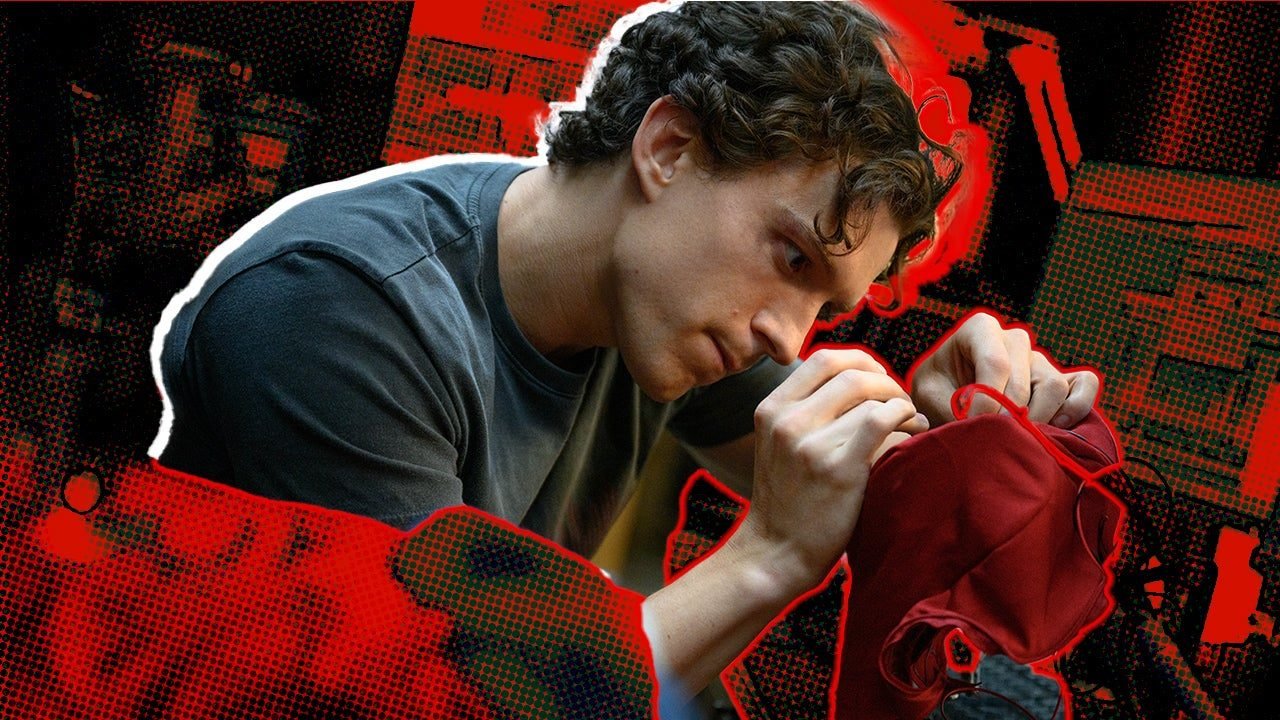
Homem-Aranha: Um Novo Dia: As nossas maiores dúvidas sobre o novo filme da Marvel
The world of comics is a complex tapestry woven with character arcs, intertwining stories, and emotional depth. Among the most controversial entries in this canon is Marvel’s Spider-Man: One More Day. Released in 2007, this storyline has generated fervent debate among fans and critics alike. Why does this issue resonate so strongly, and what implications does it hold for both Spider-Man and the Marvel Universe as a whole? In this article, we will explore the significance of this storyline, its history, and its lasting impact. Join us as we dissect the narrative choices and character developments that make One More Day a pivotal moment in Spider-Man’s legacy.
The Complex Narrative of Spider-Man: One More Day
Spider-Man: One More Day is a crossover storyline written by J. Michael Straczynski and illustrated by Joe Quesada. The tale centers around Peter Parker’s desperate wish to save his dying Aunt May, following the events of an earlier issue where she was critically injured. Peter’s grief leads him to the crossroads of making a deal with the devilish character Mephisto, a being known for manipulating reality to craft his own sinister ends.
The story presents a moral conundrum: at what cost would Peter go to save a loved one? His decision to sacrifice his marriage to Mary Jane Watson ultimately introduces a significant alteration to his character’s history. For many fans, this plot twist triggered deep discussions about character integrity, making One More Day a stark reminder of the choices that define us.
Direct Response: Spider-Man: One More Day is significant as it reshapes Peter Parker’s narrative landscape, emphasizing the moral dilemmas of sacrifice and love. By making a Faustian bargain, the storyline highlights themes of loss and the consequences of unilateral decisions.
Historical Context of One More Day
To understand the ramifications of One More Day, one must consider the historical context of Spider-Man as a character. First appearing in 1962, Spider-Man has been a symbol of perseverance and heroism. However, the early 2000s saw a shift in storytelling techniques in the comic book industry. Writers were increasingly tackling mature themes, reflecting societal issues within superhero narratives.
The shift culminated in One More Day, which faced backlash due to its drastic alterations to longstanding character arcs. While some applauded the fresh take, others viewed it as a betrayal of Spider-Man’s core values, sparking heated debates that persist in fan circles today.
Comparative Analysis with Other Storylines
Several stories have explored themes of sacrifice in comic lore, but few match the polarizing intensity of One More Day. For instance, in “The Night Gwen Stacy Died,” Spider-Man grapples with loss in a more traditional sense, confronting his inability to save Gwen – a dilemma steeped in consequence but devoid of supernatural intervention.
The contrast invites fans to question the nature of heroism: is it defined by one’s actions, or by the choices they make in dire situations? Unlike other notable arcs, One More Day presents a unique fusion of moral ambiguity with fantastical elements, a combination that continues to resonate with readers.
Benefits of Engaging with Spider-Man: One More Day
- Deepens Understanding of Character: Fans learn about Spider-Man’s vulnerabilities and moral dilemmas, adding layers to their understanding of his character.
- Encourages Critical Thinking: The complexities of the narrative prompt readers to contemplate ethical choices and personal sacrifice.
- Stimulates Community Discussion: The contentious nature of One More Day fosters discussions among fans, promoting engagement within the Marvel community.
Limitations of the Storyline
While One More Day boasts a convoluted narrative, it is essential to acknowledge several limitations:
- Fan Divisiveness: The storyline has alienated significant portions of the fanbase due to its controversial plot choices.
- Loss of Character Growth: Sacrificing Peter’s marriage negated years of character development, leaving some fans feeling unfulfilled.
- Declining Engagement: The decision to rewrite Peter’s story arc led to a decline in readership for subsequent issues.
Common Mistakes Readers Make Regarding One More Day
- Oversimplification of Themes: Many readers overlook the nuanced themes of sacrifice, guilt, and morality.
- Neglecting Historical Context: Failing to understand the broader historical significance of Spider-Man can result in misguided interpretations.
- Dismissal of Character Intentions: Readers often overlook Peter’s motivations, reducing complex emotions to mere plot devices.
Best Practices for Engaging with One More Day
- Read with an Open Mind: Approaching the narrative without preconceived notions can enhance understanding.
- Participate in Discussions: Engaging with fellow fans can provide diverse perspectives and insights.
- Explore Companion Stories: Delving into surrounding storylines can offer context and enrich the reading experience.
Future Trends in Marvel Storytelling
The dialogue surrounding One More Day has paved the way for innovative storytelling trends within the Marvel Universe. One notable trend is the integration of mature themes alongside pivotal character development. As the comic landscape evolves, expect future story arcs to balance nostalgia with fresh narratives, allowing room for ethical dilemmas befitting modern society.
Expanding on the notion of sacrifices made by heroes, future writers may juxtapose past arcs with contemporary challenges, reflecting the evolving ethical landscapes that readers face today.
Reflection on Spider-Man: One More Day
As we dissect the complexities of Spider-Man: One More Day, we see a narrative rich in moral quandaries and profound emotional weight. Despite the divisive nature of its content, the storyline remains a significant marker in Marvel’s history, inviting fans to ponder not just the nature of sacrifice, but the essence of humanity itself.
FAQ
- What is the main conflict in One More Day?
The central conflict revolves around Peter Parker’s decision to sacrifice his marriage to Mary Jane in order to save Aunt May.
- Why is One More Day so controversial?
The storyline’s decision to undo Peter’s marriage has sparked significant debate among fans, as many feel it negated years of character development.
- What are some themes explored in the story?
The graphic novel delves into themes of sacrifice, guilt, love, and the consequences of decisions made during crisis.
- How does One More Day compare to other Spider-Man narratives?
Unlike traditional narratives that focus on heroism, One More Day combines supernatural elements with moral dilemmas, provoking deep emotional responses.
- What lessons can readers take away from One More Day?
Readers can learn about the complexities of human relationships, the weight of choices, and the potential for redemption.
- How did the storyline impact future comics?
The dialogue sparked by One More Day paved the way for more nuanced character developments and ethical dilemmas in future issues.









Post Comment