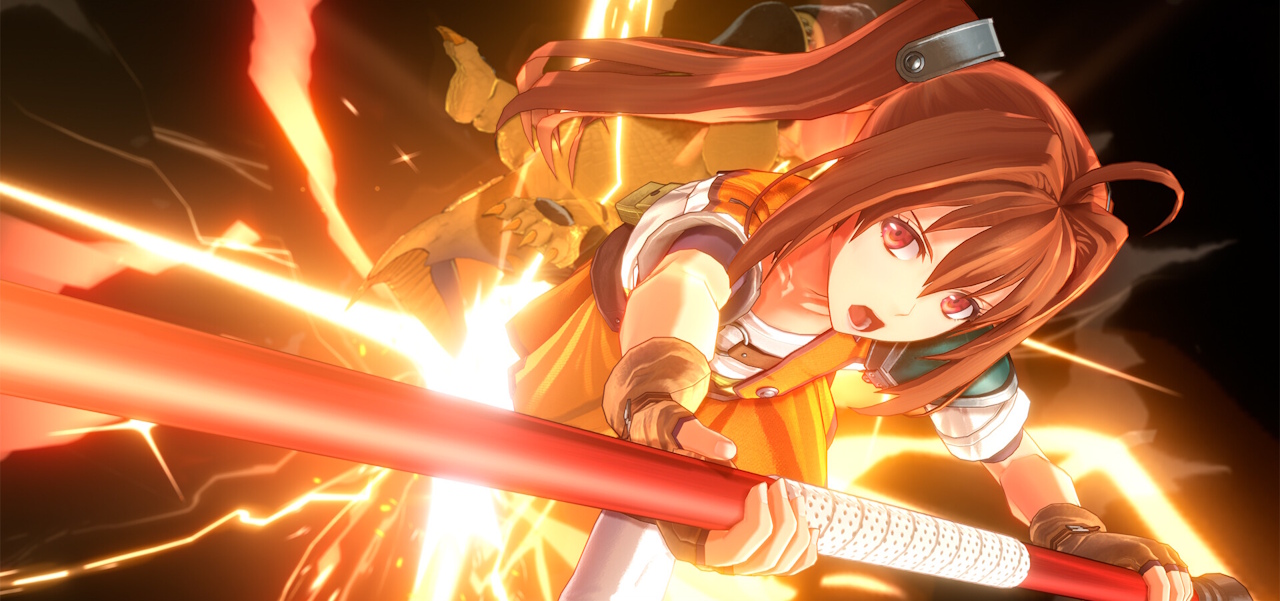
Review: Trails in the Sky 2nd Chapter is a Masterclass in JRPGs
Understanding the Impact of Trails in the Sky 2nd Chapter
The world of JRPGs has seen countless titles make their mark, but few have captured the hearts of players as effectively as the Trails series. Following the success of Trails in the Sky 1st Chapter, the release of Trails in the Sky 2nd Chapter has brought renewed excitement and anticipation. This sequel not only continues the journey of beloved characters Estelle and Joshua but also introduces complex narrative layers and refined gameplay mechanics. For fans of the genre, understanding what makes this game stand out is essential for appreciating its contribution to the JRPG landscape.
What Makes This a Compelling Review
Reviews play a crucial role in gaming culture, providing insights into a game’s strengths and weaknesses. This review aims to unpack the multifaceted nature of Trails in the Sky 2nd Chapter, analyzing its story, character dynamics, gameplay mechanics, and overall impact. As we delve deeper, readers will discover the nuanced elements that make this title a standout in the oft-saturated JRPG market.
Storyline Analysis: Captivating Intrigue and Character Growth
The narrative of Trails in the Sky 2nd Chapter is complex, weaving together themes of friendship, conflict, and personal discovery. The sequel picks up with Estelle on a quest to find Joshua, her companion who mysteriously vanishes at the end of the first game. Initially, players may find the first few hours a bit slow, as the story sets up numerous character arcs and conflicts. However, once the stage is set, the narrative unfolds into an engaging and sometimes thrilling experience.
The Role of Character Development
A standout element of this game is its character development. Characters such as Olivier, Agate, and Scherazard return with deeper narratives and complexities. Their interactions with Estelle add layers of richness to the story, ensuring players remain invested in their journeys. The game excels in presenting both old and new faces, allowing for meaningful interactions that enhance emotional engagement.
Combat Mechanics: A Symphony of Strategy and Fluidity
The combat system in Trails in the Sky 2nd Chapter is a hybrid of real-time action and traditional turn-based mechanics, offering players a distinct strategic advantage. This gameplay style allows characters to move freely during fights, making the experience feel dynamic. Tracking enemy weaknesses and utilizing various combat arts is crucial for successful encounters. Players must adapt their strategies, which often requires deeper thinking compared to more casual JRPG settings.
Strengths of the Combat System
- Variety of Skills: The extensive array of arts and quarts provides options for both offensive and defensive strategies.
- Dynamic Movement: The ability to navigate the battlefield adds excitement and encourages tactical planning.
- Difficulty Settings: For those struggling, the game allows for adjustable difficulty, offering an accommodating experience.
Visual and Aesthetic Qualities
Trails in the Sky 2nd Chapter is visually stunning, featuring cel-shaded graphics that bring a vibrant world to life. However, the aesthetic appeal might be slightly marred by repetitiveness, as players often revisit familiar locations from the first chapter. The attraction of exploration is dampened when players find themselves retracing the same steps.
Addressing Visual Limitations
While the game manages to introduce new areas as it progresses, the initial reliance on revisiting previous locations may affect the overall sense of adventure. This reiterative map design is less inviting for players seeking fresh experiences. Yet, the developers have managed to incorporate visually distinct environments later in the game, which helps mitigate earlier redundancies.
Common Pitfalls and Best Practices
Challenges Encountered
The game is not without its challenges. Some players may find the early pacing jarring, while the lack of Portuguese subtitles can create accessibility issues for non-English speakers. Furthermore, the learning curve associated with its intricate combat system may feel overwhelming at times.
Best Practices for Enjoying the Game
- Patience is Key: Allow yourself to acclimate to the pacing and intricacies of the story.
- Utilize Resources: Engage with the game’s guild missions to enhance understanding of character dynamics.
- Experiment with Combat: Explore various tactical approaches during battles to find what works best for your playstyle.
Future Trends in JRPGs and Conclusion
Looking ahead, the JRPG genre will likely continue to evolve, integrating innovative gameplay mechanics while balancing character-driven narratives. Trails in the Sky 2nd Chapter exemplifies how a sequel can build upon its predecessor while also navigating new challenges. As we review its components, it’s evident that this title remains a vital player in the expanding field of JRPGs.
Reviews: The Final Verdict
In sum, Trails in the Sky 2nd Chapter successfully delivers a captivating story alongside engaging combat. While its slow start may deter some players, the rich character interactions and deep narrative compensate for any shortcomings. It’s a title that not only entertains but also fosters emotional connections—making it a must-play for any avid JRPG enthusiast.
FAQ
What is Trails in the Sky 2nd Chapter about?
Trails in the Sky 2nd Chapter continues the story of Estelle as she searches for her missing friend Joshua. The narrative unfolds with political intrigue and personal growth.
What platforms is the game available on?
The game can be played on PC, Switch 2, Nintendo Switch, and PS5, making it accessible to a wide range of players.
How long is the gameplay?
Players can expect approximately 76 hours of gameplay while completing side missions and exploring the rich story line.
Are there any significant changes from the first chapter?
Although the core mechanics remain similar, character development, narrative depth, and combat engagement have significantly improved.
What are the main strengths of the game?
The captivating story, rich character development, and dynamic combat system stand out as the game’s key strengths.
Is it suitable for newcomers to JRPGs?
While newbies can enjoy it, they may need to familiarize themselves with some mechanics and the overall pacing of the narrative.










Post Comment