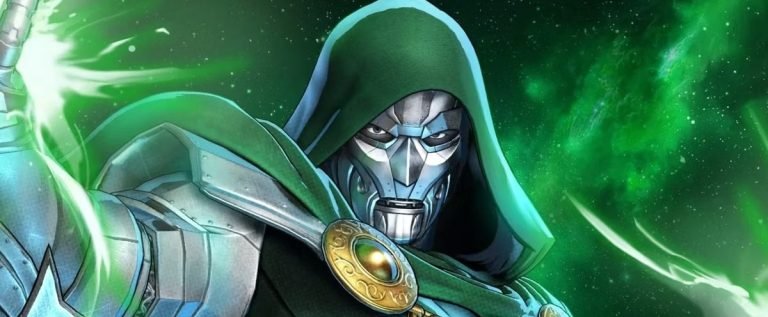
Doctor Doom: Marvel’s Most Complex Villain Unveiled
Understanding the Complexity of Doctor Doom
Doctor Doom isn’t just another supervillain in the pantheon of Marvel Comics; he represents a rich tapestry of ambition, tragedy, and moral ambiguity that sets him apart from typical comic book adversaries. First introduced by Stan Lee and Jack Kirby in 1962, Victor Von Doom transcends the role of an antagonist to become a character who encapsulates the struggle between power and redemption. Fans of nerd culture recognize that his multifaceted nature goes far beyond villainy, which makes him one of the most compelling figures in comic book history.
The Genesis of a Villain
Victor Von Doom was born in Latveria to a Romani mother and a witch father, bringing a unique cultural context to his identity. His tragic upbringing, including the loss of his mother and his subsequent quest for power, establishes a foundation for his actions throughout the comics. Many readers empathize with his pain, making him more than just a foe to the Fantastic Four and other Marvel heroes.
Motivations Behind Doom’s Actions
At the heart of Doctor Doom’s complexity is his intricate web of motivations, which often oscillate between personal ambition and the desire to protect his country. Unlike typical villains who seek power for its own sake, Doom believes in his right to rule, citing his superior intellect and knowledge of both science and magic. This duality creates a fascinating internal conflict: is he a tyrant or a protector in his mind?
Doctor Doom’s Recent Developments in Comics
In the recent comic arcs, Doom has taken on the mantle of Sorcerer Supreme, showcasing his continuous evolution as a character. A noteworthy storyline involved his soul being captured by Mephisto, thrusting him into an alliance with Steve Rogers, also known as Captain America. This unlikely partnership underscores not only Doom’s complexity but also his capacity for growth. Readers were intrigued to see how his character has begun seeking redemption for past deeds, particularly the tragic sacrifice of Valeria Franzen, his first love.
Redemption or Betrayal?
Doctor Doom’s dealings with Valeria’s ghost cast doubt on his journey toward redemption. In a poignant moment, he offers his own soul as payment for forgiveness, challenging everything fans know about his arrogant persona. The question arises: will this represent a meaningful redemption arc or a bitter twist where Doom ultimately betrays his newfound ally?
Unique Characteristics and Powers
- Master of Science and Magic: Doom’s educational background provides him with a unique edge over other villains.
- Politically Astute: As a ruler, he navigates the complexities of governance, further enriching his character.
- Keeps a Strong Moral Code: Despite his villainy, Doom acts according to a personal ethic that defines his actions.
These aspects contribute to the allure of Doctor Doom, who occupies grey areas that question the black-and-white morality often found in superhero narratives.
The Armor Symbolism
Doom’s iconic armor is not just for protection; it reflects his internal scars from a childhood accident that left him disfigured. The mask represents his refusal to accept vulnerability, emphasizing the psychological battles he faces. Each element of his character serves as a poignant reminder that his actions stem from deep personal struggles.
Future Trends in Doom’s Character
As the Marvel Cinematic Universe prepares to introduce Doctor Doom in upcoming films, fans speculate that his complex narrative will blend seamlessly with cinema’s tendency for character depth. Under the direction of Kevin Feige, who has shown a keen interest in aligning cinematic narratives with comic arcs, Doom could emerge as a multi-dimensional character that challenges both heroes and audiences alike.
The Importance of Doctor Doom in Nerd Culture
For fans of nerd culture and entertainment, Doctor Doom serves as a reminder of the rich storytelling possibilities within comic book lore. His complex character challenges us to think critically about morality, redemption, and what it means to be a hero or villain.
Frequently Asked Questions (FAQ)
What makes Doctor Doom complex?
Doctor Doom’s complexity lies in his combination of tragic background, motivations that aren’t purely villainous, and his capacity for change and redemption. He’s driven by a desire to protect his country and a need to prove himself, creating a nuanced character.
What are Doctor Doom’s powers?
Doom possesses a combination of mastery in both science and magic, making him a formidable adversary. His armor enhances his abilities, provides protection, and symbolizes his inner struggles.
How has Doctor Doom’s character evolved?
Over the years, Doctor Doom has evolved from a traditional villain to a character who wrestles with his past and seeks redemption, particularly highlighted in recent comic arcs where he has become Sorcerer Supreme.
Is Doctor Doom a true villain?
While he operates as an antagonist to Marvel heroes, many argue that his motivations are rooted in a twisted sense of justice, which complicates his role as a straightforward villain.
What is Doctor Doom’s significance in the Marvel Universe?
Doctor Doom is significant as one of Marvel’s most complex characters, embodying themes of power, ambition, and redemption that resonate deeply with readers and viewers alike.
Which actors have portrayed Doctor Doom in films?
Various actors, including Julian McMahon and Toby Kebbell, have portrayed Doctor Doom, but the upcoming film featuring Robert Downey Jr. is highly anticipated and may bring new dimensions to the character.












Post Comment