From Stuart to Chandler Bing: Underdogs Captivating Pop Culture
In the vast landscape of pop culture, few narratives resonate as deeply as that of the underdog. By definition, these characters start off at a disadvantage, lacking the typical heroic qualities yet managing to achieve greatness against all odds. They embody resilience, capturing the hearts of audiences worldwide. Recent series and films reinvigorate this trope, presenting fresh perspectives on why we are drawn to these unlikely champions.
Nerd Culture and the Rise of the Underdog
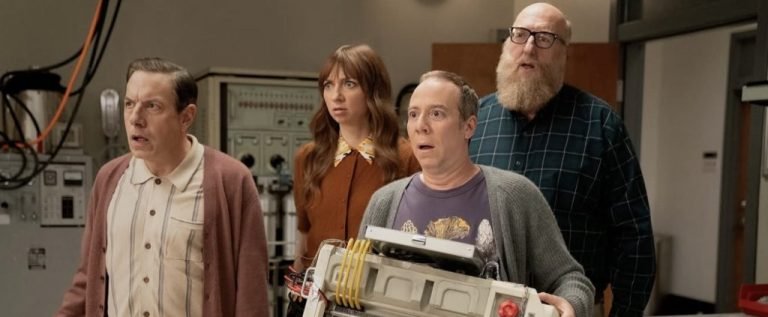
The term ‘nerd’ often evokes a blend of creativity, passion, and social awkwardness. Underdogs like Stuart, the protagonist of HBO Max’s *Stuart Can’t Save the Universe*, embody these traits. In the series, Stuart, a comic book shop owner, finds himself thrust into an apocalyptic conflict, far from being the hero audiences might expect. His journey illustrates how characters from nerd cultures are breaking traditional molds and emerging as relatable heroes.
Stuart: A Modern Underdog
Stuart begins his narrative in a familiar setting, surrounded by friends who often overshadow him. However, when a device created by his talented friends malfunctions, he steps into the spotlight—reflecting a potent theme: true courage often emerges from vulnerability. Audiences watch as he navigates a multiverse, gaining confidence and proving that anyone, regardless of their start, can become a savior.
Chandler Bing: The Relatable Underdog
Another prime example of an underdog from popular culture is Chandler Bing, from the iconic sitcom *Friends*. Initially perceived as the comedic relief, he gradually earns recognition for his depth and growth. Chandler’s path is riddled with insecurities surrounding love and career, making his eventual success all the more satisfying.
The Evolution of A Character
Throughout the series, viewers witness Chandler’s transformation—highlighting the notion that humor and vulnerability are significant strengths. Even amidst friends who often boast more impressive achievements, Chandler manages to carve a niche of respect and admiration, reinforcing the positivity of self-acceptance.
Other Notable Underdogs in Pop Culture
- Neville Longbottom from *Harry Potter*: Initially timid, Neville’s bravery shines during the Battle of Hogwarts, proving that heroism comes in various forms.
- Brienne of Tarth from *Game of Thrones*: Defying traditional depictions of knights, Brienne’s loyalty and resolve make her a standout figure.
- Psycho-Pirate from *DC Comics*: Once a dismissed villain, he evolves through various storylines, showcasing complex character traits.
The Impact of Underdogs on Audience Engagement
Characters like Stuart and Chandler resonate strongly with audiences due to their inherent relatability. Their struggles reflect common human experiences, such as insecurity and the quest for acceptance. This connection fosters investment in their journeys.
Common Missteps in Portrayals
- Overemphasis on the “tragic background” without adequate character development.
- Failing to provide a satisfying resolution, leaving audiences feeling shortchanged.
- Ignoring diverse experiences that make the underdog narrative richer.
Best Practices for Writing Underdog Stories
- Incorporate authentic vulnerabilities that audiences can connect with.
- Allow for growth and development over time, creating deeper characters.
- Ensure a diverse range of experiences and backgrounds to cultivate relatability.
Future Trends in Underdog Narratives
As storytelling evolves, so too does the portrayal of underdogs. Emerging trends indicate a focus on intersectionality, exploring the complexities of identity, and redefining success in non-traditional ways. This expansion promises richer narratives and broader audience engagement.
Conclusion: Celebrating the Underdog Narrative
The allure of the underdog in pop culture remains a powerful theme, highlighting that every struggle can lead to triumph. Characters like Stuart and Chandler Bing illustrate the diverse paths through which resilience and authenticity can inspire. Their stories encourage introspection and remind us of the power found in embracing the journey, regardless of the odds.
FAQs About Underdogs in Pop Culture
1. What defines an underdog character?
An underdog character typically starts at a disadvantage, lacking typical heroic traits but evolves through personal growth, ultimately achieving success against overwhelming odds. They resonate with audiences through their struggles and triumphs.
2. How do underdogs impact audience engagement?
Underdogs capture audience attention by providing relatable narratives of growth and resilience. Viewers often find motivation and inspiration in their journeys, leading to deeper emotional connections.
3. Can you provide examples of popular underdogs?
Notable examples include Stuart from *Stuart Can’t Save the Universe*, Chandler Bing from *Friends*, and Neville Longbottom from the *Harry Potter* series. Each character showcases unique traits that resonate with audiences.
4. What are common pitfalls in underdog storytelling?
Common pitfalls include oversimplifying character backgrounds, failing to create satisfying resolutions, and lacking diverse representation. These issues can dilute the story and alienate audiences.
5. What trends are emerging in the portrayal of underdogs?
Current trends reflect a growing focus on intersectionality, showcasing diverse experiences among underdogs. This trend enriches narratives by highlighting a broader range of human experiences and relationships.
6. Why is the underdog trope significant in modern storytelling?
The underdog trope challenges traditional notions of success and heroism, encouraging audiences to appreciate complexity and vulnerability. This shift brings forth fresh perspectives and fosters deeper connections in storytelling.













Post Comment