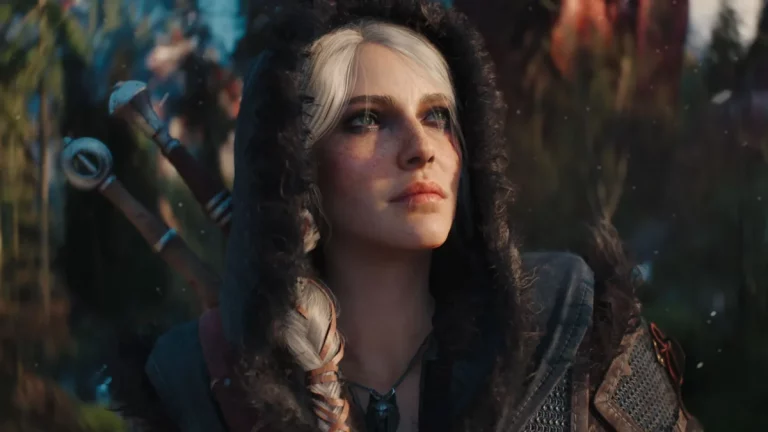
The Real Reason CD Projekt Red Chooses Unreal Engine 5 for The Witcher 4
The Shift to Unreal Engine 5: A Strategic Move for Storytelling
Fans of the gaming community have been buzzing about CD Projekt Red’s decision to transition from their in-house REDengine to Epic Games’ Unreal Engine 5 for the upcoming title, The Witcher 4. This shift has led to speculation, with some suggesting that it was a reaction to the troubled launch of Cyberpunk 2077. However, the reality is far more complex and intriguing.
In a recent interview, Michał Nowakowski, CD Projekt Red’s co-CEO, elucidated the rationale behind this pivotal leap. The studio is not simply abandoning their past technology due to failures; rather, they are embracing an opportunity to enhance storytelling capabilities and production efficiency in their future projects.
Understanding the Legacy of REDengine
The REDengine has been a cornerstone for CD Projekt Red, powering critically acclaimed titles such as The Witcher 2 and The Witcher 3: Wild Hunt. For over a decade, this engine facilitated their creative visions, enabling them to deliver memorable narratives and immersive worlds. Yet, as gaming technology evolves, so must the tools developers use.
Nowakowski clarified that while REDengine has served them well, it has limitations that hinder the ambitious storytelling they aim for in The Witcher 4. This decision to pivot is about more than troubleshooting past issues; it’s about evolving their narrative approach in this new era of gaming.
The Influential Demo: Matrix Awakens
A key turning point for CD Projekt Red’s switch came from witnessing the spectacular technical demonstration of The Matrix Awakens, which showcased what Unreal Engine 5 could achieve. The breathtaking graphics and advanced systems prompted the team to rethink their strategy. Nowakowski acknowledged that their initial assessment of Unreal Engine 5 indicated it could not meet the complex demands of their next project without substantial collaboration with Epic Games.
Collaboration with Epic Games: Unlocking New Potential
Recognizing the need for a deeper partnership, CD Projekt Red engaged with Epic to customize Unreal Engine 5 specifically for open-world RPGs. This unprecedented collaboration allows them access to modify the engine’s core functionalities, something no other studio outside of Epic has been authorized to do.
Such flexibility ensures that The Witcher 4 can capitalize on the latest innovations in gaming technology, ultimately leading to a richer gameplay experience and storytelling depth. By not having to maintain a separate technological base, the studio can refocus its resources on crafting compelling narratives and expansive worlds.
Anticipating the Impact of This Transition
- Increased visual fidelity and immersion
- Enhanced NPC interactions and complex environments
- Streamlined development processes
Benefits and Challenges Ahead
The move to Unreal Engine 5 presents significant advantages but also comes with its challenges. Developers must adapt to new systems, and there’s an inherent learning curve with any technological transition. However, the long-term benefits are expected to outweigh initial hurdles, as the studio stands to create groundbreaking RPGs that align perfectly with their vision.
Key Trends in Game Development
As the industry continues to evolve towards more realistic graphics and intricate gameplay mechanics, CD Projekt Red’s alignment with Unreal Engine 5 positions it to lead in setting new benchmarks. This evolution reflects wider trends in gaming, where storytelling is increasingly intertwined with advanced technology.
What This Means for the Future of The Witcher Franchise
For hardcore fans and newcomers alike, the future of The Witcher series is rife with potential. CD Projekt Red aims to deepen the lore and provide even more expansive narratives, showcasing their commitment to the franchise’s legacy while embracing change in technology.
Why CD Projekt Red’s Transition is Essential
Ultimately, the decision to use Unreal Engine 5 signifies a bold and necessary evolution for CD Projekt Red. As they continue to innovate within the gaming landscape, this strategic move promises to not only enhance their storytelling capabilities but also enrich the player experience. By leveraging the power and flexibility of Unreal Engine 5, CD Projekt Red is poised to create a new chapter in The Witcher saga that is filled with epic quests, complex characters, and immersive worlds.
FAQ
- What motivated CD Projekt Red to switch to Unreal Engine 5? The decision stemmed from a desire to enhance storytelling capabilities and embrace cutting-edge technology, not as a reaction to past failures.
- How will the transition impact The Witcher 4? The move to Unreal Engine 5 facilitates improved graphics, enhanced NPC systems, and more immersive storytelling elements.
- What are the collaboration details between CD Projekt Red and Epic Games? CD Projekt Red has obtained unique permissions to modify Unreal Engine 5’s core systems, allowing for tailored tools that meet their RPG needs.
- Will this shift benefit future CD Projekt Red projects? Yes, the transition aims to streamline development processes, allowing the team to create more robust narrative experiences in future games.
- What features should fans expect in The Witcher 4? Players can look forward to expanded narratives, richer worlds, improved graphics, and complex NPC interactions as a result of this transition.
- How long has REDengine been in use? REDengine has powered CD Projekt Red’s major titles for over a decade, including The Witcher 2 and The Witcher 3: Wild Hunt.














Post Comment