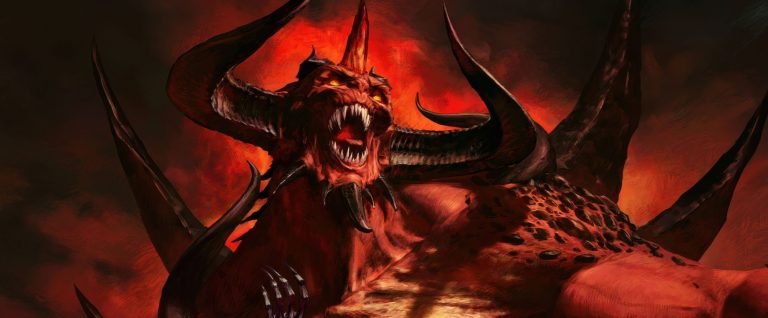
The Complete History of Diablo: From Creation to Lilith’s Return
Nerd: Understanding the Deep Lore of Diablo
The Diablo franchise, which began its journey in 1996, has built a profound mythology that captivates fans worldwide. This article offers a comprehensive overview of Diablo’s history, depicting a complex narrative woven through the series. From the primeval creation of the universe to the current disruptions brought by Lilith, the Mother of Misery, the saga unfolds a classic battle between light and dark. As we explore this intricate tale, we’ll reveal the significance of key events, characters, and the implications of Lilith’s return for the world of Sanctuary.
The Origins of the Diablo Universe
Before time as we know it began, there was Anu, the singular entity embodying both light and dark. In his quest for perfection, Anu expunged his negative aspects, birthing Tathamet, a fearsome dragon symbolizing chaos. Their conflict resulted in their destruction and laid the foundation of the universe itself. The aftermath birthed the High Heavens and the Burning Hells, forging the demonic and angelic sentinels that would come into conflict for centuries.
The Formation of Sanctuary
As celestial and infernal forces clashed in the Eternal Conflict, a rogue angel named Inarius and Lilith, the daughter of Mephisto, sought refuge from the warfare. Breaching the foundations of order, they created Sanctuary, hiding it from the scrutiny of both angels and demons using the Worldstone. However, the presence of both angels and demons in Sanctuary led to the birth of their powerful offspring, the Nephalem, which set off a chain of events that would echo through the ages.
- The Birth of Nephalem: Empowered by the union of angels and demons, the Nephalem represented a new hope for Sanctuary.
- Division and War: Lilith viewed the Nephalem as warriors that could end the Eternal Conflict, while Inarius saw them as threats, leading to a tragic rift.
- Exile of Lilith: The ensuing conflict concluded with Lilith’s banishment to the Void, but her impact on the world would echo for generations.
Events of the First Games
As the lore deepens, we enter the realm of the first Diablo games, where the essence of evil seeps into Sanctuary. The first installment, released in 1996, sets the stage as Aidan (the Warrior) descends into Tristram, battling Diablo directly. This confrontation marks a turning point, leading to Aidan’s eventual corruption and transformation into the Dark Wanderer.
- Diablo (1996): Players confront Diablo himself and the tragic realization of Aidan’s fate.
- Diablo II (2000): Aidan’s transformation catalyzes new heroes to rise and combat the evolving threats of Diablo and his brethren.
- Diablo III (2012): The arrival of Tyrael in mortal form propels new Nephalem into battle against revived threats.
The Fall of the Worldstone and Its Consequences
The destruction of the Worldstone marked a significant shift in the balance of power. The fragile safety that Sanctuary enjoyed was shattered, leading to greater incursions from the High Heavens and Burning Hells. Lilith’s return is intricately tied to the world’s vulnerabilities, as new cults arise, referencing ancient powers that continue to linger.
The Return of Lilith in Diablo IV
The highly anticipated Diablo IV introduces Lilith’s return, instigating chaos among mortals and immortals alike. Lilith’s aim to liberate humanity from celestial and infernal shackles offers a complex perspective as she seeks to empower the Nephalem. Her resurrection hints at further conflicts that challenge established binaries of good and evil, inviting players to question their allegiances.
Conclusion: The Ever-Evolving Saga of Diablo
Understanding the history of Diablo serves not only as an appreciation for its intricate storytelling but also as a reflection on themes of power, sacrifice, and morality. With the saga poised to continue into Diablo V, fans can anticipate more profound developments in Sanctuary’s struggle against demonic influences. As Lilith’s shadows stretch across the land, the battle for the fate of humanity resurfaces, creating a narrative that will undoubtedly engage and intrigue audiences for years to come.
FAQ
- What is the significance of Lilith in the Diablo series?
Lilith represents a complex antagonist who challenges the traditional notions of good and evil, advocating for humanity’s independence and strength.
- How has the Diablo universe evolved over the years?
The Diablo universe has expanded significantly, introducing new characters, complex lore, and evolving conflicts between celestial and infernal forces.
- What role do the Nephalem play in the history of Diablo?
The Nephalem are hybrid beings born of angels and demons, representing immense power and a pivotal element in the ongoing conflict within the Diablo lore.
- How does the destruction of the Worldstone impact Sanctuary?
The Worldstone’s destruction exposes Sanctuary to greater threats from both the High Heavens and the Burning Hells, destabilizing the fragile balance of power.
- What can we expect in Diablo V?
Diablo V promises to explore darker themes with Diablo having conquered Sanctuary, reshaping the narrative trajectory of the franchise.













Post Comment