Enchanting Meals: How Disney Food Powers Your FG Cards By Copag Deck
From the delicate ratatouille that transports a hardened critic back to his childhood kitchen, to the shared spaghetti dinner that seals a timeless romance, food in Disney and Pixar films is rarely just sustenance. It is a powerful narrative device, weaving threads of nostalgia, comfort, community, and even conflict into the fabric of stories that resonate across generations. These culinary moments are often pivotal, defining character relationships, driving plots forward, or simply evoking profound emotional responses.
Now, this rich tapestry of cinematic gastronomy finds a new, interactive dimension in Disney Lorcana, the highly popular collectible card game that brings the magic of Disney to the tabletop. Players are not merely collecting characters; they are engaging with the very essence of Disney storytelling, including its most memorable meals. The way food is depicted in these cards goes far beyond mere aesthetics; it translates directly into strategic gameplay, influencing everything from character resilience to resource generation and even opponent disruption.
Imagine a card that heals your damaged characters, mirroring a mother’s restorative cooking, or an item that brings your team together, much like a shared family meal. These are not abstract concepts but tangible mechanics within Lorcana, enriching the gameplay experience with layers of thematic depth. Each food-inspired card is a direct homage to its cinematic origin, reflecting the role food plays in the narrative and allowing players to relive those iconic moments in a strategic new context.
As Disney Lorcana continues to expand its universe, the representation of food offers intriguing possibilities for new mechanics and thematic exploration. It’s a testament to the game’s design philosophy that such nuanced aspects of Disney’s legacy are given meaningful roles. For fans and strategists alike, understanding the intricate ways these culinary elements influence the game is key to mastering Disney Lorcana, offering both a nostalgic journey and a fresh tactical challenge.
The Culinary Magic of FG Cards By Copag in Disney Lorcana: A Deep Dive into Food-Inspired Gameplay
Disney Lorcana brilliantly translates the thematic significance of food from iconic Disney films into strategic card mechanics, offering players a rich layer of immersion and competitive depth. Whether providing healing, generating lore, or disrupting opponents, these food-inspired cards — often available as FG Cards By Copag — add unique strategic dimensions to any deck, allowing players to leverage the comforting, celebratory, or even mischievous nature of Disney’s culinary universe for game-changing effects.
The integration of food motifs into Disney Lorcana gameplay is a masterful example of thematic design meeting strategic utility. These cards are not simply decorative; they serve crucial roles in various deck archetypes, offering solutions for damage mitigation, resource accumulation, and tactical control. The game designers have meticulously crafted abilities that echo the narrative functions of food within the Disney universe, creating a cohesive and intuitive experience for players.
For instance, cards inspired by nurturing meals often provide healing, symbolizing comfort and recovery. Items representing grand feasts or shared moments might contribute to lore, reflecting community and celebration. Even chaotic food scenes find their place, manifesting as disruptive effects that can alter the flow of a match. This careful balance ensures that each food-themed card feels authentic to its source material while simultaneously offering a valuable strategic option.
As players build their decks with FG Cards By Copag, understanding these thematic connections becomes an integral part of their strategy. It allows for a deeper appreciation of the game’s design and empowers more intuitive decision-making during play. The culinary magic of Disney is thus transformed from a visual spectacle into a potent force on the Lorcana tabletop, proving that even a simple meal can be a game-winning element.
Nourishing Bonds: Healing and Support Through Disney Cuisine
In Disney films, food often symbolizes care, recovery, and strengthening relationships. This restorative power is vividly brought to life in Disney Lorcana through a suite of cards designed to heal characters, ensuring their resilience and longevity on the battlefield. These cards often embody the essence of a comforting meal or a nurturing hand, reflecting the deep emotional connections associated with food in cinematic narratives.
The Madrigal family from Encanto provides a prime example of this theme with Julieta Madrigal – Excellent Cook and Julieta’s Arepas. Julieta, whose gift is to heal ailments through her cooking, directly translates this ability into a character card that removes up to 2 damage from a chosen character and allows you to draw a card, reflecting the holistic benefit of her care. Her Arepas, an item card, offer continuous healing, removing 2 damage at the start of your turn if a Madrigal character is in play, and can even generate lore if damage was healed that turn, highlighting the sustained positive impact of her culinary gifts. The synergy between these two cards exemplifies a powerful healing engine, making them invaluable for maintaining board presence and converting recovery into strategic advantage.
Another card reflecting resilience is Coconut Basket from Moana. This simple item, inspired by the versatile coconuts essential to the islanders’ survival and famously wielded by the Kakamora, consistently removes 2 damage from a chosen character every time you play another character. While often underestimated, its continuous healing effect can negate repeated challenges, making your characters unexpectedly durable. It’s a subtle yet potent card that turns your board development into a defensive maneuver, embodying the theme of resourceful survival.
Reuben – Sandwich Expert from Lilo & Stitch adds a unique twist to healing. Based on Experiment 625’s insatiable desire to create sandwiches, Reuben, when exerted, removes up to 2 damage from one of your characters. Crucially, this removed damage then reduces the ink cost of the next character you play that turn. This ability transforms an opponent’s aggressive plays into a tempo advantage for you, symbolizing how even an unconventional “sandwich expert” can turn a challenging situation into a beneficial one, effectively converting damage into a discount.
The concept of collective care is embodied by the Gumbo Pot from The Princess and the Frog. Inspired by James’s communal gumbo, which brought the neighborhood together, this item allows you to exert it to remove 1 damage from up to two chosen characters. While seemingly modest, this targeted healing can be critical for preserving key characters from being banished in subsequent challenges. It represents the small, consistent acts of nurturing that keep a community, or in this case, a character roster, thriving.
Finally, Transformed Chef – Castle Stove from Beauty and the Beast directly channels the magic of the Beast’s enchanted kitchen. This character card removes up to 2 damage from a chosen character when it enters play. It’s an immediate, impactful burst of healing that can turn the tide of a challenge, reflecting the restorative power of a truly “culinary masterpiece” in a magical setting.
Gathering Around the Table: Lore Generation and Strategic Advantage
Beyond healing, food in Disney often serves as a catalyst for celebration, connection, and the realization of dreams. In Disney Lorcana, this translates into cards that help players generate lore—the ultimate victory condition—or gain crucial card advantage, reflecting the bounty and shared joy that meals can bring. These cards often represent iconic gathering places or invitations to partake in memorable experiences.
Tiana’s Palace – Jazz Restaurant from The Princess and the Frog is a perfect example. As a location card, it represents the culmination of Tiana’s dreams—a vibrant space where characters can thrive. Any characters played at this location cannot be challenged, offering a safe haven for your key lore-generating characters. With 1 lore of its own and 8 willpower, Tiana’s Palace ensures that your most valuable assets can continue to quest for lore unmolested, embodying the sanctuary and success that Tiana’s dream restaurant provides.
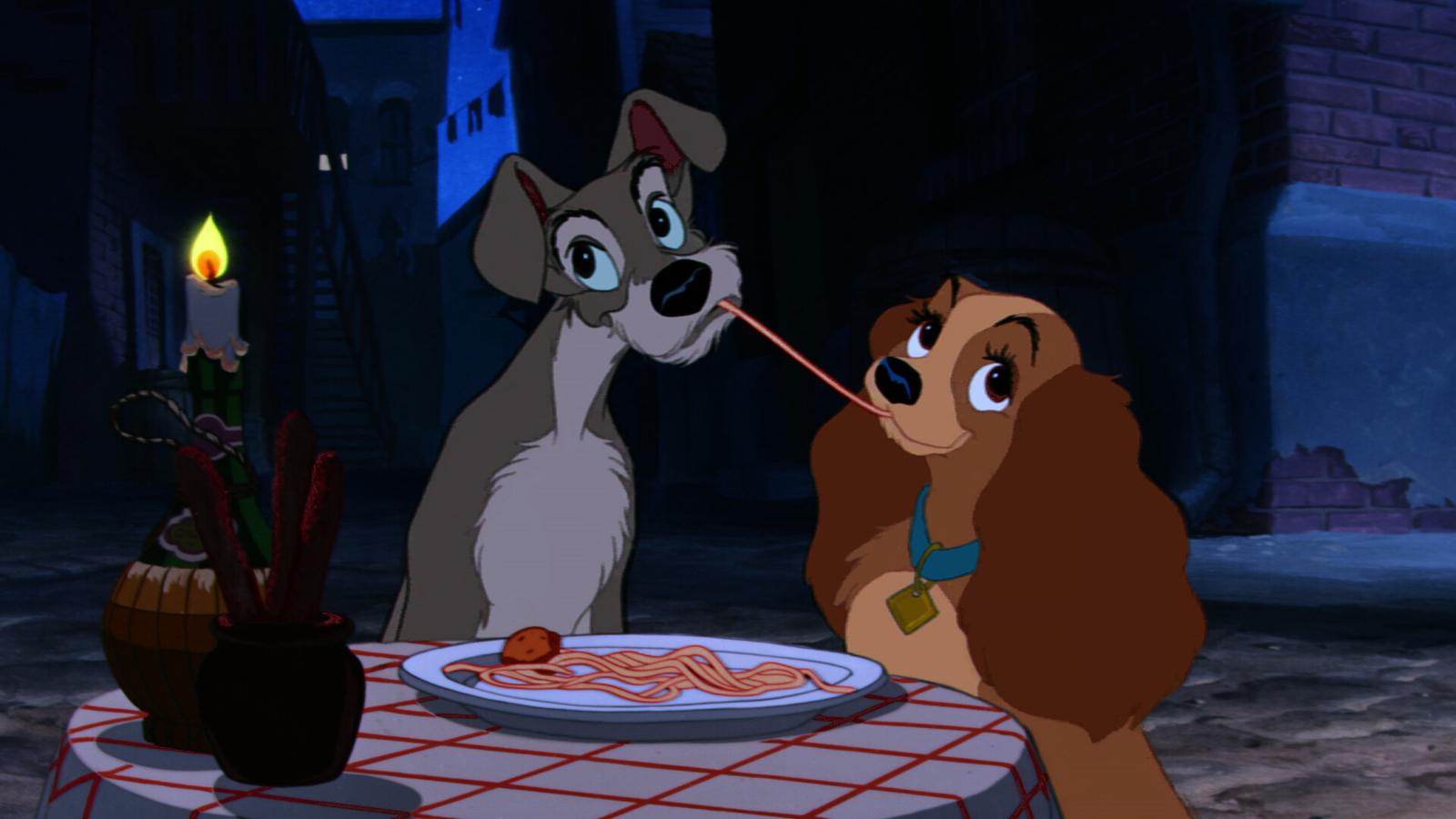
The romantic Spaghetti Dinner from Lady and the Tramp, immortalizing the iconic spaghetti kiss, functions as an item card that, when exerted and with an ink cost, gains you 1 lore, provided you have at least two characters in play. This card captures the essence of shared experience, offering slow but steady lore accumulation. In a game where board states can become locked, this consistent, incremental lore gain can be the deciding factor, highlighting how moments of connection, even subtle ones, contribute to overall success.
The enchanting song Be Our Guest from Beauty and the Beast exemplifies invitations and opportunities. As a song card, it allows you to look at the top four cards of your deck, reveal a character to put into your hand, and arrange the rest as you wish on the bottom. This ability to search for and “invite” a character to your hand directly reflects Lumière’s grand welcome, providing crucial card advantage and ensuring you find the right guest for your table, or rather, your board, for free if sung by a character with a cost of 2 or more.
When Meals Go Awry: Disruptive Food Effects in Lorcana
Not all food experiences in Disney are entirely smooth. Sometimes, they lead to comical mishaps or unexpected obstacles, and Disney Lorcana cleverly incorporates these moments as disruptive effects. These cards introduce an element of surprise or hindrance, mirroring the playful chaos that can sometimes accompany food in Disney narratives.
The most iconic example is Pot of Honey from Winnie the Pooh, which draws inspiration from Pooh Bear famously getting stuck in Rabbit’s doorway after overindulging in honey. This item card, when banished, makes a chosen exerted character unable to ready at the start of their next turn. This ability is a potent tempo disruption tool, effectively “sticking” an opponent’s powerful character in an exerted state, unable to challenge or quest for a full turn cycle. It transforms a humorous cinematic moment into a strategic nightmare for the opponent, allowing you to control the pace of the game and exploit a momentary weakness.
Even characters associated with food can be disruptive in unexpected ways. While not directly a food item, Chef Louis – In Over His Head from The Little Mermaid embodies the chaotic energy of culinary misadventure. With a high ink cost of 7, he boasts significant strength (6) and willpower (8) along with 3 lore, but lacks any special abilities. His design reflects the sheer, overwhelming presence of Chef Louis’s frantic pursuit of Sebastian. This card, while simple, serves as a formidable “vanilla” threat and a lore-generating powerhouse that absorbs damage and forces opponents to commit substantial resources to remove him, representing the formidable, if clumsy, obstacle he presents.
Unseen Flavors: The Evolution of Food Cards and Their Future
The current roster of food-themed cards in Disney Lorcana offers a delightful blend of nostalgia and strategy, but the culinary universe of Disney is vast, leaving ample room for future expansions and thematic innovations. Understanding where these cards fit into different game formats and anticipating future releases is crucial for long-term strategic planning.
The source material highlights that certain food-themed cards are staples in the “Core” format, which includes cards from The First Chapter, Rise of the Floodborn, and Into the Inklands, such as Julieta Madrigal, Julieta’s Arepas, Coconut Basket, Reuben, Be Our Guest, and Pot of Honey. Other cards, like Gumbo Pot, Tiana’s Palace, Transformed Chef, Spaghetti Dinner, Pudge, and Chef Louis, currently belong to the broader “Infinity” format, which includes all released cards. This distinction is vital for competitive players, as it dictates which cards can be legally played together in various tournaments.
A notable absence from the current culinary lineup is Remy, the ingenious chef from Ratatouille. His story is intrinsically linked to food, innovation, and the emotional power of a perfectly prepared dish. His eventual inclusion in Disney Lorcana seems almost inevitable, and given his expertise, it’s highly probable that his card would feature abilities related to healing, resource generation, or even unique forms of card manipulation, reflecting his culinary precision. The potential for Pixar characters to further enrich the food-themed mechanics is immense, promising new layers of strategy and flavor.
Looking ahead, the game could introduce more complex item mechanics tied to food preparation, perhaps requiring specific character synergies or sequential plays to “cook” a powerful effect. New location cards could represent famous Disney restaurants or kitchens, offering unique bonuses or protections related to food. The future of food-themed cards in Disney Lorcana, as seen through FG Cards By Copag, promises to be as diverse and engaging as the Disney culinary canon itself.
Culinary Synergy: A Snapshot of Food-Themed Cards in Lorcana
To provide a clear overview of the diverse culinary contributions to Disney Lorcana, here’s a table summarizing key food-inspired cards, their cinematic origins, and primary effects. This snapshot highlights the strategic versatility and thematic richness these cards bring to your gameplay.
| Card Name | Film Inspiration | Card Type | Cost (Ink) | Key Effect(s) | Recent Collection | Playable Format |
|---|---|---|---|---|---|---|
| Julieta Madrigal – Excellent Cook | Encanto | Character | 3 | Heals 2 damage, draw 1 card. | Ursula’s Return / Fabled | Core |
| Julieta’s Arepas | Encanto | Item | 1 | Heals 2 damage (if Madrigal in play), gain 1 lore after healing. | Ursula’s Return | Core |
| Coconut Basket | Moana | Item | 2 | Heals 2 damage whenever you play a character. | Rise of the Floodborn | Core |
| Reuben – Sandwich Expert | Lilo & Stitch | Character | 2 | Exert to heal 2 damage, reduce next character cost by damage healed. | Into the Inklands | Core |
| Gumbo Pot | The Princess and the Frog | Item | 2 | Exert to heal 1 damage from up to two characters. | Rise of the Floodborn | Infinity |
| Tiana’s Palace – Jazz Restaurant | The Princess and the Frog | Location | 3 | Characters at location cannot be challenged. 1 lore. | Into the Inklands | Infinity |
| Be Our Guest | Beauty and the Beast | Song | 2 | Look at top 4 cards, add a character to hand. | The First Chapter | Core |
| Transformed Chef – Castle Stove | Beauty and the Beast | Character | 4 | Heals 2 damage on entry. 2 lore. | Rise of the Floodborn | Infinity |
| Spaghetti Dinner | Lady and the Tramp | Item | 2 | Exert, pay 1 ink, gain 1 lore (if 2+ characters). | Into the Inklands | Infinity |
| Pudge – Controls the Weather | Lilo & Stitch | Character | 2 | Free if Lilo in play. 1 strength, 3 willpower, 2 lore. | Rise of the Floodborn | Infinity |
| Pot of Honey | Winnie the Pooh | Item | 1 | Banish to make chosen exerted character not ready next turn. | The First Chapter | Core |
| Chef Louis – In Over His Head | The Little Mermaid | Character | 7 | 6 strength, 8 willpower, 3 lore. | Rise of the Floodborn | Infinity |
Mastering Culinary Strategies: Best Practices for Food-Themed Decks
Successfully integrating food-themed cards into your Disney Lorcana deck requires more than just understanding individual card effects; it demands a strategic approach to synergy, timing, and anticipation. By adhering to best practices, players can unlock the full potential of these thematically rich and strategically potent cards, turning beloved Disney culinary moments into game-winning plays.
First, **focus on synergy and archetypes**. Many food cards shine when combined with specific character types or other effects. For instance, Julieta Madrigal and Julieta’s Arepas form a robust healing engine, ideal for resilience-focused decks. Similarly, cards like Spaghetti Dinner benefit from a wider board presence, aligning well with character-heavy strategies. Identify the core strength of your food-themed cards—whether healing, lore gain, or disruption—and build around them to maximize their impact.
Second, **master timing and sequencing**. Cards like Reuben – Sandwich Expert offer powerful tempo swings, but only if played after a character has taken damage and you have another character ready to play with the cost reduction. The Pot of Honey’s disruption is most effective when used on a high-threat exerted character that an opponent plans to quest with. Understanding when to deploy these effects can mean the difference between a wasted turn and a decisive advantage. Always consider your opponent’s next move and how your food cards can preempt or counter it.
Third, **leverage hidden value**. Cards like Coconut Basket, while seemingly low-impact, provide consistent healing that can accumulate over turns, making your characters surprisingly resilient. The Gumbo Pot’s ability to heal 1 damage from two characters often prevents crucial banishes, preserving your board state turn after turn. These small, incremental advantages, often overlooked, are fundamental to sustained control and can chip away at an opponent’s resources.
Finally, **adapt your strategy**. While food cards offer specific strengths, no single strategy works against all opponents. If facing an aggressive deck, prioritize healing and defensive food items. Against a slower, lore-focused opponent, leverage lore-generating food cards and disruptive items like Pot of Honey to slow their progression. Continuous analysis of the game state and your opponent’s plays will dictate the optimal use of your culinary arsenal, ensuring your food-themed cards are always served at the right moment for maximum impact.
Maximizing Your Disney Lorcana Deck with Strategic FG Cards By Copag Choices
Integrating food-themed cards from FG Cards By Copag into your Disney Lorcana deck offers a unique blend of thematic charm and powerful strategic depth. By understanding their cinematic origins and precise in-game mechanics, players can craft decks that not only celebrate beloved Disney culinary moments but also consistently achieve victory, transforming comforting meals into potent tactical advantages on the tabletop.
The journey through Disney Lorcana’s food-themed cards reveals a rich landscape of strategic possibilities. From the enduring resilience offered by Julieta Madrigal’s healing prowess to the tactical disruption of Winnie the Pooh’s Pot of Honey, each card brings a unique flavor to the game. These cards, available as FG Cards By Copag, allow players to build decks that are deeply immersive, echoing the heartwarming and sometimes chaotic narratives of Disney’s culinary world, while simultaneously providing robust competitive options. The blend of nostalgia and nuanced gameplay ensures that every match is not just a battle of wits, but also a delightful celebration of Disney magic.
Anticipating Culinary Trends: The Future of Food-Themed Cards in Lorcana
As Disney Lorcana continues to evolve, the potential for new and innovative food-themed cards remains vast, promising to further enrich the game’s strategic landscape and thematic depth. Developers are likely to explore untouched cinematic moments and characters, introducing mechanics that expand on healing, lore, and disruption while maintaining strong ties to Disney’s cherished culinary narratives.
One key area for future expansion is the introduction of more iconic food-related characters, most notably Remy from Ratatouille. Given his unparalleled culinary skills, a Remy card could introduce advanced mechanics related to hand manipulation, resource generation, or even unique effects that ‘transform’ other cards, mirroring his ability to elevate simple ingredients into extraordinary dishes. His presence would not only fulfill a significant fan request but also open doors for more complex food-preparation themed synergies.
Beyond characters, new item and action cards could represent entire meal preparations, requiring multiple steps or ingredients (other cards) to trigger powerful effects. Imagine a card that allows you to ‘gather ingredients’ (draw specific types of cards) to ‘cook a feast’ (a powerful lore-generating or board-clearing effect). Furthermore, more location cards representing famous Disney eateries, such as the restaurant from Ratatouille or various food stalls from Disney Parks, could offer unique advantages or protective bonuses, reinforcing the idea of a culinary hub on the board.
The continuous innovation in card design, coupled with Disney’s extensive library of food-centric stories, suggests that the future of food-themed cards in Lorcana will be a dynamic and flavorful one. These developments will not only keep the game fresh and engaging but also deepen the connection between the magical world of Disney films and the strategic gameplay of Lorcana, offering players even more delicious tactical choices.
Common Misconceptions and Strategic Pitfalls with Food Cards
While food-themed cards offer compelling strategic depth in Disney Lorcana, players often fall into common traps or misunderstand their optimal usage. Avoiding these pitfalls is crucial for leveraging the full potential of these unique cards and preventing strategic missteps that could cost you the game.
One frequent mistake is **underestimating the cumulative power of small healing**. Cards like Gumbo Pot, which heal only 1 damage from two characters, or Coconut Basket, which heals 2 damage each time a character is played, might seem minor. However, over several turns, this consistent damage mitigation can entirely negate an opponent’s aggressive challenges, preserving your board state and denying them crucial banishes. Players often dismiss these cards in favor of larger, flashier effects, only to find their characters quickly depleted.
Another common error is **misjudging timing for activated abilities**. Reuben – Sandwich Expert, for instance, requires him to be exerted to heal and provide a cost reduction. A newly played Reuben cannot activate this ability until the following turn. Similarly, Julieta’s Arepas’ lore gain only triggers if damage was removed *this turn*. Failing to understand these “turn start” or “exert” conditions can lead to wasted ink or missed opportunities for powerful combos. Always read the card text carefully and plan your turns accordingly to maximize the impact of these time-sensitive abilities.
Furthermore, players sometimes **neglect synergistic opportunities**. Pudge – Controls the Weather becomes free if Lilo is in play, offering an incredible early-game tempo boost that can overwhelm opponents. The full potential of Julieta’s Arepas is realized when a Madrigal character is present. Overlooking these explicit or implicit synergies means you’re playing cards in isolation, diminishing their overall value and preventing the creation of powerful, interlocking strategies that food-themed cards are designed to facilitate.
Benefits of Integrating Food-Themed Cards into Your Lorcana Deck
- Enhanced Thematic Immersion: Food cards directly connect gameplay to beloved Disney film moments, deepening player engagement and nostalgia.
- Diverse Strategic Options: They offer unique ways to heal, generate lore, reduce costs, or disrupt opponents, providing flexibility in deck building.
- Resilience and Board Control: Healing effects help maintain character presence, while disruptive cards can control the opponent’s board state.
- Tempo and Resource Advantage: Cards like Reuben can turn opponent’s damage into cost reductions, creating significant tempo swings.
- Unexpected Play Patterns: The unique abilities of food cards often lead to unforeseen strategic opportunities and can surprise opponents.
Limitations and Considerations for Food-Themed Cards
- Synergy Dependency: Many food cards, like Julieta’s Arepas or Spaghetti Dinner, perform best when specific conditions or other characters are present.
- Situational Effectiveness: Disruptive cards like Pot of Honey are potent but rely on the opponent having an exerted character to target.
- Availability Across Collections: Some powerful food-themed cards are from older sets (Infinity format), limiting their use in newer Core format tournaments.
- Ink Cost vs. Impact: Players must carefully weigh the ink cost of playing an item or character against its immediate or long-term strategic impact.
- Fragility of Items: Item cards, while powerful, can be removed by specific opponent actions, leading to a loss of investment.
Common Errors When Playing Food-Themed Cards
- Ignoring Timing Conditions: Failing to remember “start of turn” or “exert” requirements, leading to missed activations.
- Underestimating Small Heals: Dismissing cards that heal only 1 or 2 damage, missing their cumulative defensive value.
- Overlooking Card Synergies: Playing cards without considering their powerful interactions with other characters or items.
- Mismanaging Ink Costs: Spending too much ink on an item that provides slow value when a more immediate threat needs addressing.
- Not Protecting Key Items: Allowing opponents to easily banish crucial food items that are central to your strategy.
Best Practices for Optimizing Your Food-Themed Deck
- Identify Core Synergies: Build your deck around specific food card interactions, like Julieta with her Arepas.
- Balance Healing and Aggression: Combine defensive food cards with strong attacking characters to maintain board control.
- Plan Your Ink Curve: Ensure you have a balanced distribution of ink costs to consistently play characters and activate item abilities.
- Anticipate Opponent’s Plays: Use disruptive food cards like Pot of Honey to counter key opponent threats at critical moments.
- Focus on Lore Generation: Integrate food cards that directly or indirectly contribute to lore for a clear path to victory.
The Next Course: Future Trends in Lorcana’s Culinary Landscape
The evolving meta of Disney Lorcana and the continuous release of new sets point to several fascinating trends for food-themed cards. We can anticipate deeper mechanical explorations and more intricate thematic connections that further intertwine Disney’s culinary magic with strategic gameplay.
Firstly, the potential introduction of **Remy** as a character card remains a highly anticipated development. His culinary genius could inspire complex abilities that revolve around manipulating the top of the deck, optimizing card draws, or even ‘upgrading’ other cards’ effects, reflecting his talent for transforming humble ingredients. Such a card would significantly broaden the strategic horizons for food-themed decks.
Secondly, expect to see an expansion of **location cards** that represent iconic eateries or kitchens from Disney films. These locations could offer unique passive buffs to characters at that location, interact with item cards, or even provide specific lore bonuses tied to culinary themes. Imagine a location that reduces the cost of item cards or provides extra lore for playing a character with a ‘meal’ keyword.
Thirdly, there’s room for more **interactive item cards** that involve ‘cooking’ or ‘serving’ effects. This could mean items that require multiple turns to activate, or that gain power by discarding specific ‘ingredient’ cards from your hand. Such mechanics would add a mini-game element to deck construction and gameplay, enhancing the feeling of being a Disney chef. These continuous innovations, supported by FG Cards By Copag, will ensure that the culinary dimension of Disney Lorcana remains fresh, exciting, and strategically rewarding for years to come.
The Strategic Feast of FG Cards By Copag: Elevating Your Disney Lorcana Experience
The strategic incorporation of food-themed FG Cards By Copag into your Disney Lorcana deck transcends mere thematic appeal, offering a potent arsenal of effects that can dramatically influence game outcomes. By meticulously selecting and skillfully deploying cards inspired by Disney’s iconic culinary moments, players can orchestrate game-changing plays that heal, generate lore, and disrupt opponents, transforming a simple meal into a powerful strategic advantage on the tabletop.
As we’ve explored, the depth of strategy embedded within Disney Lorcana’s food-themed cards is remarkable. From Julieta Madrigal’s nurturing healing to the tactical disruption of the Pot of Honey, each card invites players to engage with the game on multiple levels: thematic, emotional, and intensely strategic. These cards, available as FG Cards By Copag, are more than just collectibles; they are key components for crafting powerful, memorable, and often surprising gameplay experiences. Embracing the culinary magic of Disney Lorcana is not just about playing a game; it’s about savoring every strategic bite and enjoying a truly unique fusion of storytelling and competitive play.
FAQ: Delving Deeper into Disney Lorcana’s Food-Themed Cards
What is the primary role of food cards in Disney Lorcana?
Food cards in Disney Lorcana primarily serve as versatile strategic tools that enhance gameplay through thematic connections to Disney films. Their roles often include healing damaged characters, generating lore for victory, drawing additional cards for advantage, reducing the cost of playing other characters, or disrupting opponent’s strategies by hindering their actions. Each card is designed to reflect the narrative significance of food within its originating Disney story, offering players both nostalgic immersion and tangible in-game benefits that can significantly impact the flow and outcome of a match.
How do Julieta Madrigal and her Arepas synergize in gameplay?
Julieta Madrigal – Excellent Cook and Julieta’s Arepas form a powerful synergy that embodies the healing and nurturing themes of Encanto. Julieta, as a character, provides an immediate 2-damage heal and a card draw upon entry, offering both recovery and resource advantage. Her Arepas, an item, provide continuous 2-damage healing at the start of your turn if a Madrigal character (like Julieta herself) is in play. Furthermore, the Arepas can be exerted to gain 1 lore if damage was healed that turn. This combination creates a sustained healing engine that keeps your characters on the board and can even contribute to your lore count, making them a formidable defensive and value-generating duo.
Which food cards are best for healing multiple characters?
For healing multiple characters, the Gumbo Pot from The Princess and the Frog is an excellent choice. This item card allows you to exert it to remove 1 damage from up to two chosen characters. While it might seem like a small amount of healing, its ability to target two characters each turn can be crucial for preventing multiple characters from being banished in subsequent challenges. This consistent, targeted healing helps maintain your board presence and protects your key assets against widespread damage, reflecting the communal and restorative nature of shared meals in the film.
Can food-themed cards be used in any deck archetype?
While food-themed cards can theoretically be included in any deck, their optimal performance is often tied to specific archetypes that leverage their unique abilities. Healing-focused cards like Julieta Madrigal and Coconut Basket are ideal for control or resilient mid-range decks that aim to outlast opponents. Lore-generating items such as Spaghetti Dinner fit well into slower, value-oriented strategies. Disruptive cards like Pot of Honey are staples in control or tempo-oriented decks looking to stall aggressive opponents. The key is to identify the primary function of each food card and integrate it into a strategy that maximizes its benefits and complements the deck’s overall goal.
What makes the Pot of Honey card so strategically effective?
The Pot of Honey from Winnie the Pooh is strategically effective due to its powerful tempo disruption. When you banish this item, a chosen exerted opponent’s character does not ready at the start of their next turn. This ability effectively “stuns” a key opponent’s character, preventing them from questing for lore, challenging your characters, or singing a song for an entire turn cycle. It’s particularly devastating when used on high-cost, high-threat characters that an opponent has just sent on a quest, as it leaves them vulnerable and wastes their potential for another turn, embodying the “stuck” predicament Pooh found himself in.
How does Tiana’s Palace provide a unique advantage?
Tiana’s Palace – Jazz Restaurant offers a unique advantage as a location card that grants sanctuary to your characters. With 1 lore of its own and high willpower, its most significant ability is that characters at this location cannot be challenged. This provides an invaluable safe haven for your key lore-generating characters, protecting them from opponent’s aggressive challenges and allowing them to consistently quest for lore without fear of banishment. It effectively creates an unassailable stronghold on your side of the board, embodying the dream and sanctuary that Tiana’s restaurant represents in her film.
Where can I find these Disney Lorcana cards in Brazil?
For players in Brazil, official Disney Lorcana cards, including the featured food-themed cards, are available through COPAG. As the official distributor, COPAG ensures access to a wide range of Disney Lorcana products, including booster packs, starter decks, and accessories. You can typically find these products on the COPAG official website or through authorized retailers across the country. Always check official channels for the latest releases and availability to secure your own collection of these enchanting cards.
Are there any upcoming food-themed cards I should know about?
While specific upcoming food-themed cards are typically kept under wraps until official announcements, the consistent integration of Disney’s culinary magic into Lorcana suggests that more are likely. Fans eagerly anticipate the potential introduction of Remy from Ratatouille, given his profound connection to food and culinary innovation, which could lead to unique card mechanics. Additionally, future sets might explore more iconic food scenes, perhaps from films like Cloudy with a Chance of Meatballs (if Pixar expands further) or even more nuanced portrayals of food’s role in character development, offering new strategic possibilities and thematic depth.












Post Comment