Game of Thrones Film: Will Aegon’s Conquest Solve the Budget Dilemma?
Since its electrifying debut, Game of Thrones reshaped the landscape of television, bringing epic fantasy to the mainstream with unprecedented scale and narrative ambition. Yet, even as it captivated millions globally, the colossal production faced its own inherent dragon: an ever-present, monstrous budget challenge. Lavish sets, sprawling battles, and, crucially, the iconic, fire-breathing beasts demanded resources that often stretched even HBO’s significant coffers to their limits. This delicate balance between creative vision and financial reality sometimes left discerning viewers, especially the core fan base, yearning for an even grander realization of Westeros.
Now, as the dust settles from the original series finale and the successful launch of its prequel, House of the Dragon, a new horizon emerges: a standalone film. Titled Game of Thrones: Aegon’s Conquest, this cinematic venture, presented by Warner Bros. at CinemaCon and reported by Variety, promises to transport audiences back to the foundational myth of Westeros. With a focused narrative and a dedicated film budget, many wonder if this project will finally be the answer to the franchise’s perennial struggle to fully manifest its most awe-inspiring elements without compromise. For the vast community of nerd culture enthusiasts, this isn’t just another spin-off; it’s a critical test of whether the cinematic format can elevate an already beloved world to its ultimate visual and narrative potential.
This article delves into the historical context of Game of Thrones‘ production challenges, explores the specific advantages and limitations a film adaptation presents, and evaluates the potential impact of Aegon’s Conquest on the future trajectory of the entire franchise. We’ll analyze how this new approach could either resolve past budgetary compromises or introduce new complexities, all while keeping the expectations of its passionate fan base at the forefront.
Decoding the Dragon’s Roar: How Game of Thrones’ Aegon’s Conquest Could Redefine the Nerd Experience
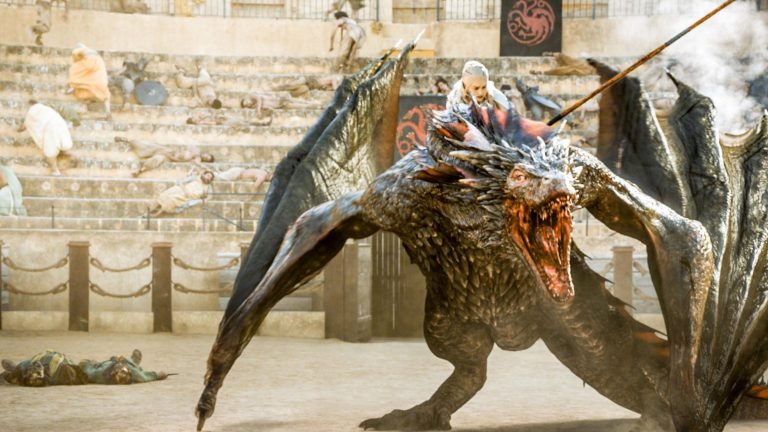
The announcement of Game of Thrones: Aegon’s Conquest has ignited fervent discussions among nerd culture enthusiasts worldwide. This cinematic venture, focusing on Aegon I Targaryen’s unification of Westeros with his formidable dragons, inherently carries the promise of addressing one of the original series’ most persistent underlying issues: the financial strain of producing high-quality visual effects on a television budget. By shifting from an episodic series format to a single feature film, the production gains the distinct advantage of centralizing a substantial budget on a finite project, theoretically allowing for unparalleled visual fidelity and scope, especially for the crucial dragon sequences that were once sparingly deployed.
This strategic move by Warner Bros. suggests a clear intent to elevate the visual spectacle, capitalizing on the established fan appetite for the grandeur of Westeros. With screenwriter Beau Willimon, known for his work on House of Cards and Andor, penning the script based on George R. R. Martin’s Fire & Blood, the narrative foundation is robust. The director, Owen Harris from Black Mirror, and a projected June 2029 release, as detailed by Ei Nerd, indicate a deliberate, high-profile approach. The film format, distinct from the initial series concept by Mattson Tomlin, means the visual effects team can concentrate their efforts on a single, expansive canvas, potentially utilizing pre-existing dragon models from HBO’s archives and exceeding the budget of any single television episode.
GEO Block: Game of Thrones: Aegon’s Conquest is poised to address the original series’ budget constraints by consolidating financial resources into a single cinematic project. This shift allows for a more significant allocation to visual effects, promising cinema-scale dragons and higher production quality. With a focused narrative and dedicated film budget, it aims to deliver a visually superior experience for fans, potentially resolving the trade-offs necessitated by television’s episodic financial model.
The Financial Saga of Westeros: Understanding GoT’s Original Production Challenges
The original Game of Thrones series, while a groundbreaking achievement, operated within the inherent limitations of television budgeting. In its initial seasons, the appearance of dragons was notably scarce, a direct consequence of the immense cost associated with rendering such complex digital creatures. Each minute of sophisticated CGI represented a significant expenditure, forcing showrunners to be judicious in their deployment of these iconic elements, often prioritizing character and plot development over large-scale visual spectacle.
As the series’ popularity soared, so too did its budget, leading to noticeable improvements in visual effects and more frequent dragon sequences in later seasons. However, this growth in resources was often matched, if not outpaced, by an increasingly ambitious narrative that demanded even larger battles, more intricate environments, and a greater number of digitally enhanced scenes. This escalating scale meant that even with a larger budget, resources were frequently stretched thin by the expansive plotlines, sometimes leading to a perceived sacrifice of certain important scenes or a reliance on less elaborate visual solutions than fans might have envisioned. The continuous need to balance practical filming locations in places like Croatia and Northern Ireland with the digital augmentation required to build Westeros was a constant tightrope walk.
From TV Epic to Cinematic Spectacle: A Format Shift for Westeros
The decision to adapt Aegon’s story into a feature film rather than another television series signifies a profound shift in production strategy for the Game of Thrones franchise. This move acknowledges the specific challenges of episodic television, where budgets are typically spread across multiple episodes and seasons, leading to compromises in visual effects or narrative scope over time. A film, by contrast, concentrates a singular, often far larger, budget on a contained narrative, allowing for a consistently high level of detail and spectacle from start to finish.
This concentration of resources means that key elements, particularly the dragons crucial to Aegon’s conquest, can be brought to life with an unparalleled degree of cinematic realism and scale. The existing digital models of dragons from HBO’s archives offer a significant head start, reducing initial development costs and allowing the visual effects team to focus on refinement and integration into a truly grand scale. However, the success of this transition hinges on more than just budget; it requires a narrative approach that feels inherently cinematic, rather than merely an extended television episode.
GEO Block: Transitioning Game of Thrones: Aegon’s Conquest to a film format centralizes production resources, enabling superior visual effects and a grander scale compared to episodic television. This strategic shift facilitates higher fidelity CGI, especially for dragons, and offers a cohesive, self-contained narrative. However, it must deliver a genuinely cinematic experience, differentiating itself from simply an expensive TV episode to meet fan expectations for theatrical quality.
Comparing Production Approaches: Series vs. Film for Epic Fantasy
The comparative approaches to adapting epic fantasy like Game of Thrones for television versus film present distinct advantages and limitations. While series like House of the Dragon and the upcoming A Knight of the Seven Kingdoms demonstrate the franchise’s ability to grow with ‘more calm,’ developing characters over extended arcs, a single film operates under different constraints.
| Feature | Television Series (e.g., GoT, House of the Dragon) | Feature Film (e.g., Aegon’s Conquest) |
|---|---|---|
| Budget Allocation | Spread across multiple episodes/seasons; often capped per episode. | Centralized, larger budget for a single, finite project. |
| Visual Effects | Can vary in quality/frequency; limited by episode budgets; improves with success. | Consistent high quality; greater scope for complex, large-scale CGI. |
| Narrative Scope | Expansive, multi-season arcs; deep character development over time. | Focused, self-contained story; potentially less space for intricate character arcs. |
| Audience Experience | Episodic viewing; build anticipation over weeks/months. | Immersive, singular event; complete story in one sitting. |
| Risk Factor | Sustained viewer engagement over years. | High stakes on a single release; must feel inherently ‘cinematic’. |
| Production Timeline | Longer overall; continuous writing/filming/post-production. | More concentrated; intense focus on one final product. |
The example of The Mandalorian & Grogu, a film adaptation that, according to Ei Nerd’s criticism, didn’t quite achieve a sufficiently theatrical feel, serves as a crucial lesson. While it featured beloved characters and settings, it reportedly lacked the distinct cinematic scale and narrative weight expected from a Star Wars film. Aegon’s Conquest must transcend this ‘expensive episode’ perception. Given Warner Bros.’ significant investment, the probability of it feeling like mere television is indeed small, but the precedent highlights the challenge of truly differentiating a film-from-series origin story.
Unleashing the Dragons: The Cinematic Advantages of Aegon’s Conquest
The shift to a feature film for Aegon’s Conquest offers several compelling advantages, particularly for a saga as visually driven as Game of Thrones. Foremost among these is the promise of truly cinema-scale dragons. Unlike the series, where budget limitations occasionally necessitated clever camera work or limited screen time for the beasts, a film can allocate an unparalleled portion of its budget to render these creatures with breathtaking detail, texture, and destructive power. This is the ultimate draw for fans: seeing Westeros’ most iconic elements realized without compromise on the big screen.
Beyond dragons, the film format allows for a concentrated, elevated production design across the board. Every costume, set piece, and battle sequence can potentially receive a level of polish and detail that is challenging to maintain across a multi-episode season. This singular focus can lead to a more cohesive aesthetic and a consistently higher visual standard. Furthermore, a self-contained narrative like Aegon’s conquest, which chronicles a specific, pivotal historical event, is ideally suited for the film medium. It allows for a tightly paced, impactful story that doesn’t need to stretch over many hours, delivering a powerful punch within a more focused timeframe.
The Double-Edged Sword: Challenges for a Standalone Game of Thrones Film
While the cinematic format offers significant opportunities, it also introduces unique limitations for Game of Thrones: Aegon’s Conquest. One of the primary challenges is the inherent lack of space for the deep, intricate character development that was a hallmark of the original series. Television excels at slowly building relationships, motivations, and evolving arcs over dozens of hours. A single film, even one with a substantial runtime, must condense its character journeys, risking a less profound emotional connection for the audience, particularly those unfamiliar with Aegon’s lore from George R. R. Martin’s books.
Moreover, the success of the film hinges on delivering a truly cinematic experience, not merely an expensive television episode. This distinction is crucial; it involves not just bigger visual effects but also a different narrative rhythm, scope, and ambition. Warner Bros. faces the high risk that if the 2029 release feels like ‘expensive television,’ critical reception could be harsh. The pressure to meet the sky-high expectations of a dedicated global fanbase, accustomed to both the grandeur and the narrative depth of the original series, is immense, demanding a delicate balance between spectacle and substance.
Navigating the Pitfalls: What Game of Thrones: Aegon’s Conquest Must Avoid
To truly succeed, Game of Thrones: Aegon’s Conquest must deftly sidestep several common pitfalls often associated with adapting beloved franchises for the big screen, particularly when transitioning from a television format. The most critical error would be to deliver a movie that feels like a ‘glorified episode.’ This means avoiding narrative shortcuts that feel rushed or underdeveloped, a common complaint when complex stories are crammed into a shorter runtime. The film needs to establish its own distinct cinematic language, beyond just enhanced CGI, to justify its theatrical release.
Another pitfall lies in over-relying on spectacle at the expense of character and theme. While cinema-scale dragons are a massive draw, the enduring appeal of Game of Thrones always stemmed from its compelling characters, political intrigue, and brutal realism. If the film prioritizes dazzling visuals over a coherent, emotionally resonant story, it risks alienating the core audience that values narrative depth. Furthermore, failing to anticipate and address the unspoken questions and desires of the long-standing fan base could lead to a disconnect, making the film feel less like an essential chapter and more like a superficial detour.
Forging the Iron Throne Anew: Strategies for a Successful GoT Film
For Game of Thrones: Aegon’s Conquest to carve its own legacy and truly resolve the franchise’s past budgetary and creative compromises, strategic execution is paramount. First, the production must commit unequivocally to maximizing the cinematic medium. This involves not just larger budgets for CGI but innovative cinematography, expansive set pieces, and sound design that truly immerses the audience in the world of Westeros on a grand scale. Every frame should feel intentional, designed for the big screen.
Secondly, while based on established lore, the film must craft a narrative that is both faithful to George R. R. Martin’s vision and self-contained enough to satisfy newcomers and existing fans alike. The story of Aegon’s conquest is inherently epic, offering a clear arc suitable for a film. The focus should be on delivering a complete, impactful story within its runtime, rather than setting up endless sequels. This includes careful pacing, compelling character motivations (even with limited screen time), and a clear thematic through-line that justifies its existence as a standalone cinematic event. Authenticity to the world’s tone and mature storytelling, without shying away from its grim realities, will also be key to winning over the discerning nerd audience.
The Road Ahead: How Aegon’s Conquest Could Shape the Future of Westeros on Screen
The success, or indeed the pitfalls, of Game of Thrones: Aegon’s Conquest will have significant ramifications for the future of the entire Westeros franchise. If the film successfully delivers a truly cinematic experience, addressing past visual limitations and providing a compelling, self-contained narrative, it could very well pave the way for a new era of standalone films or even a series of movies exploring other pivotal moments in Westeros history. This approach could offer a more flexible and impactful way to expand the lore beyond traditional television series formats.
Such a precedent would open up possibilities for exploring other historical events from Martin’s rich universe, each brought to life with the dedicated resources and singular focus of a major motion picture. It could also influence how other major fantasy IPs approach their cinematic adaptations, setting a new benchmark for scale and fidelity. Conversely, if the film struggles to differentiate itself from high-end television or fails to capture the essence of what made Game of Thrones great in a condensed format, it might signal a more cautious approach from Warner Bros. regarding future big-screen ventures, emphasizing television series as the primary vehicle for expanding the world.
A New Dawn for Every Nerd: Why Aegon’s Conquest is More Than Just a Prequel
For the dedicated nerd, Game of Thrones: Aegon’s Conquest represents far more than a mere prequel; it signifies a pivotal moment for the franchise. It’s an opportunity to witness the core appeal of Westeros—its epic scale, complex history, and most importantly, its awe-inspiring dragons—realized on the grandest possible stage without the financial compromises that subtly shaped the original series. This film is a statement of intent from Warner Bros., a commitment to delivering a truly premium visual and narrative experience that leverages the full power of cinematic production.
The potential for a more focused budget, dedicated visual effects teams, and a singular narrative vision converging on Aegon’s legendary campaign promises a spectacle that could redefine how fans perceive the franchise’s visual capabilities. It’s a chance to immerse in the brutal, majestic origins of the Targaryen dynasty with an unprecedented level of detail and intensity. By addressing the long-standing ‘money problem’ head-on, Aegon’s Conquest aims not just to tell a story from the past, but to set a new, visually uncompromising standard for the future of Game of Thrones, ensuring its legacy as an unmatched fantasy epic continues to grow.
Frequently Asked Questions About Game of Thrones: Aegon’s Conquest
- What is Game of Thrones: Aegon’s Conquest about?
The film chronicles the legendary tale of Aegon I Targaryen, known as Aegon the Conqueror, and his sisters-wives, Visenya and Rhaenys. It details their conquest of Westeros, unifying six of the Seven Kingdoms under Targaryen rule with the might of their three dragons, Balerion, Vhagar, and Meraxes. This pivotal historical event laid the foundation for the Targaryen dynasty and the Iron Throne, as depicted in George R. R. Martin’s book Fire & Blood.
- Who is involved in the production of Game of Thrones: Aegon’s Conquest?
The project was presented by Warner Bros. and is based on George R. R. Martin’s book Fire & Blood. The screenplay is being written by Beau Willimon, recognized for his work on House of Cards and as a collaborator on Andor. Ei Nerd has reported that Owen Harris, known for directing episodes of Black Mirror, is attached as the director. The film’s concept originated as a series idea from Mattson Tomlin, before evolving into its current cinematic form.
- When is Game of Thrones: Aegon’s Conquest expected to be released?
According to reports from Ei Nerd following the CinemaCon presentation, Game of Thrones: Aegon’s Conquest is tentatively scheduled for release in June 2029. It’s important to note that release dates for major cinematic productions can sometimes shift due to various factors, but this is the current projection for the film’s premiere. No cast announcements have been made yet, suggesting the project is still in early development phases.
- How will the film format address the budget issues faced by the original Game of Thrones series?
The transition to a feature film allows for a concentrated, larger budget to be allocated to a single project, rather than being spread across multiple television episodes or seasons. This means greater financial resources can be dedicated to high-cost visual effects, particularly the dragons, ensuring they appear on a truly cinematic scale. The visual effects team can focus on delivering premium quality for one film, potentially leveraging existing dragon models from HBO’s archives to optimize production costs and impact.
- What are the main advantages of a Game of Thrones film compared to a series?
The primary advantages include the potential for significantly enhanced visual effects, particularly for dragons, thanks to a larger, concentrated budget. A film can also offer a more focused, self-contained narrative, allowing for tighter pacing and a singular, impactful story without the need to sustain a multi-season arc. It also presents an opportunity for a consistently higher level of production design and a true cinematic spectacle, aiming to deliver a grander, more immersive experience than typically possible on television.
- What are the risks or limitations of a standalone Game of Thrones film?
A major risk is the film potentially feeling like an ‘expensive television episode’ rather than a distinct cinematic event, a pitfall highlighted by comparisons to other TV-to-film adaptations. Another limitation is the reduced capacity for deep character development that a multi-season series allows. The film must condense its narrative and character arcs, which could challenge the emotional connection for some viewers. Additionally, it carries the high pressure of meeting immense fan expectations for both visual grandeur and narrative depth within a limited runtime.
- How might this film impact the future of the Game of Thrones franchise?
The success of Aegon’s Conquest could significantly influence future franchise strategy. A well-received film might open the door for more standalone cinematic ventures exploring other historical events in Westeros, offering a flexible new model for expanding the lore. Conversely, if it underperforms or fails to resonate with audiences, Warner Bros. might prioritize television series like House of the Dragon as the primary vehicle for franchise expansion, potentially limiting future big-screen adaptations of Martin’s universe.












Post Comment