Liquid Swords Bankruptcy: A Creator’s Fall and Lessons for Every Nerd
In the dynamic and often unpredictable world of video game development, the journey from ambitious vision to market reality is fraught with challenges. Even studios spearheaded by seasoned veterans are not immune to the harsh realities of financial instability and market reception. The recent news surrounding Liquid Swords, the Swedish development house founded by Christofer Sundberg — a name synonymous with the acclaimed ‘Just Cause’ franchise — serves as a stark reminder of this delicate balance. What began as a promising endeavor, a deliberate pivot away from the perceived excesses of large-scale development, has culminated in a declaration of bankruptcy, casting a shadow over nearly 30 employees and the future of its sole title, ‘Samson’.
For years, Sundberg stood as a creative force at Avalanche Studios, crafting sprawling open-world experiences that captivated millions. His decision to establish Liquid Swords was driven by a desire for a more focused, less strenuous creative environment, a sentiment many within the game development community — and indeed, the broader enthusiast Nerd culture — can appreciate. Yet, this dream studio, designed to circumvent the notorious ‘crunch’ culture and endless meetings, ultimately faced its own set of insurmountable hurdles. The saga of Liquid Swords is more than just a financial collapse; it’s a narrative that underscores the inherent risks of independent game development, the critical importance of a flawless launch, and the profound human impact when ambitious projects falter.
This deep dive will unpack the events leading to Liquid Swords’ downfall, from its founding principles to the intricate details of ‘Samson’s’ development and reception. We’ll explore the financial strains, the consequences for its dedicated team, and the wider lessons that emerge from this challenging episode for the entire gaming industry. For any enthusiast passionate about the craft and business of interactive entertainment, understanding the complexities behind such an event offers invaluable insight into the passion, peril, and perseverance that define game creation.
The Fall of Liquid Swords: A Warning for the Modern Nerd
The Swedish game developer Liquid Swords, established by Christofer Sundberg, a pivotal figure in the creation of the ‘Just Cause’ series, has officially entered bankruptcy proceedings. This critical development follows months during which the studio reportedly failed to disburse salaries to its staff, impacting nearly 30 employees who are now slated to receive compensation from the Swedish government.
The declaration of bankruptcy for Liquid Swords signals a significant blow to the aspirations of a studio founded on the principle of reimagining game development. Despite the esteemed background of its founder, the venture ultimately succumbed to financial pressures, highlighting the severe challenges inherent in the highly competitive and capital-intensive video game industry.
The Vision Behind Liquid Swords
Christofer Sundberg’s departure from Avalanche Studios in 2020 marked a new chapter, driven by a desire to establish a smaller, more agile studio. Liquid Swords was conceived as an antidote to the demanding practices often found in larger development houses, specifically aiming to avoid excessive meetings and the pervasive ‘crunch’ culture that plagues the industry. This vision resonated deeply with many, promising a more sustainable and creatively focused environment for game development.
Sundberg, having served as creative director on titles like ‘Just Cause’ and ‘Mad Max’, brought considerable experience and a strong reputation to this new endeavor. His aim was not just to build games, but to build them differently, fostering an environment where innovation and passion could thrive away from the pressures of corporate giants.
“Samson”: A Troubled Debut
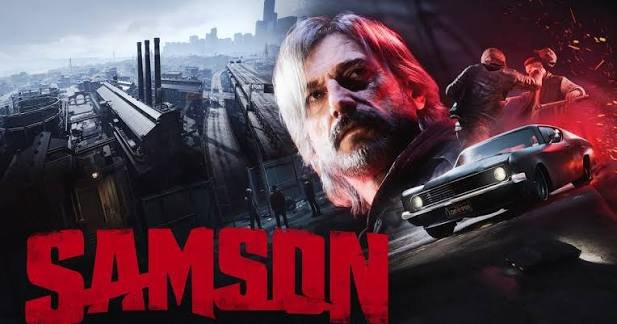
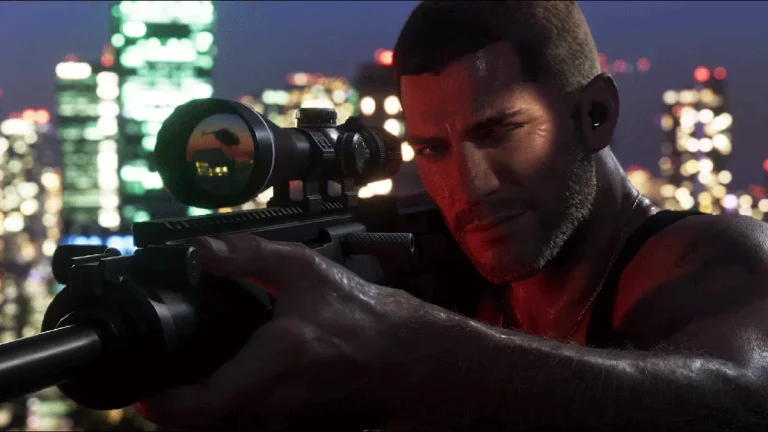
‘Samson’, Liquid Swords’ solitary project, was in development since at least 2020 and finally launched in April of this year (referring to 2017), drawing inspiration from titles like ‘Max Payne’ and ‘Grand Theft Auto’. Set in the fictional 90s city of Tyndalston, the game follows protagonist Samson McCray as he attempts to escape a hefty debt upon returning to his hometown. Sundberg publicly positioned ‘Samson’ not as a ‘GTA’ competitor, but as a compelling alternative for players seeking a different open-world experience.
The launch, however, was marred by significant issues. Sundberg himself openly acknowledged the presence of "unacceptable" bugs and performance problems shortly after its PC debut, promising future improvements. Despite these initial hurdles, a version for consoles, including PS5 and Xbox Series, was announced for release in the fall of 2026, indicating long-term aspirations that would unfortunately never materialize for the studio.
Response to H2: Liquid Swords, the studio founded by ‘Just Cause’ creator Christofer Sundberg, has declared bankruptcy after months of unpaid salaries, affecting nearly 30 employees who will receive government aid. This collapse underscores the significant challenges even experienced developers face in the competitive game industry, marking the end of a vision to create games outside the traditional ‘crunch’ culture, following the troubled launch of its only game, ‘Samson’.
The Unforeseen Challenges Facing a Game Development Nerd
The journey of Liquid Swords highlights the complex and often brutal realities of game development, even for a studio led by a figure as established as Christofer Sundberg. Several factors coalesced to create an environment where, despite noble intentions, financial viability became unsustainable, leaving a clear lesson for any aspiring game development Nerd.
The industry is saturated with high-quality titles, making it exceedingly difficult for new studios to carve out a niche without substantial financial backing or a uniquely polished product from day one. ‘Samson’ entered a market where player expectations for performance, stability, and engaging content are exceptionally high, particularly for titles referencing established giants.
The Perils of a Single-Title Strategy
Betting an entire studio’s future on a single game is a high-stakes gamble. For Liquid Swords, ‘Samson’ represented their sole shot at market success. When this single launch faces significant technical issues and receives a mixed critical and player reception, the margin for financial error shrinks dramatically. The inability to generate sustained revenue or attract additional investment after a challenging debut often proves fatal, particularly for smaller, independent outfits without a diverse portfolio or substantial reserves.
The reliance on a single product means that every aspect, from marketing to post-launch support, becomes critically important. Any misstep can have amplified consequences, jeopardizing the entire enterprise, as was tragically the case for Liquid Swords.
Employee Impact and Industry Ripple Effects
The immediate and most tragic consequence of the bankruptcy is the plight of the nearly 30 employees who endured months without pay. In Sweden, state compensation mechanisms exist for such situations, providing a safety net, but the emotional and professional toll remains significant. This episode serves as a sobering reminder of the human cost when ambitious ventures fail, even for professionals working in an industry often romanticized for its creativity.
Beyond Liquid Swords, this incident sends ripples through the broader Swedish game development scene. The reference article notes that even Sundberg’s former company, Avalanche Studios, has faced its own recent difficulties, including stalled projects. This suggests a broader fragility within the industry, where even established entities are susceptible to financial headwinds and project uncertainties, affecting developers across the experience spectrum.
Response to H2: New game studios, especially those relying on a single title, face immense challenges including intense market competition and the critical need for a polished launch. Liquid Swords’ bankruptcy exemplifies these perils, highlighting how ‘Samson’s’ troubled release and mixed reception eroded financial stability. The situation has severely impacted nearly 30 employees and serves as a broader cautionary tale for the Swedish game industry, demonstrating that even veteran-led ventures are vulnerable.
Navigating the Complexities: Lessons for Every Aspiring Game Nerd
The saga of Liquid Swords offers invaluable, albeit harsh, lessons for anyone involved in or aspiring to enter the video game industry. From studio founders and developers to publishers and the enthusiast Nerd audience, understanding the intricacies of this situation provides critical insight into how to approach game creation and consumption with a more informed perspective.
One of the clearest takeaways is the critical importance of a robust launch. While patches and updates are now common, a debut plagued by "unacceptable" bugs and performance issues can irrevocably damage a game’s reputation and commercial viability. Initial impressions are paramount in attracting players and securing positive word-of-mouth, which is especially crucial for new IPs from unproven studios.
Best Practices in Studio Management and Game Launch
Effective studio management extends beyond creative vision; it demands astute financial planning, realistic project timelines, and transparent communication. For independent studios, securing diverse funding sources, establishing clear contingency plans, and rigorously testing games prior to release are not optional but essential practices. Prioritizing employee well-being, including timely compensation, is also fundamental not only for ethical reasons but also for maintaining morale and productivity, impacting the final product quality.
- Financial Foresight: Maintain sufficient runway beyond launch, anticipating potential delays or lower-than-expected sales.
- Phased Funding: Secure funding in stages rather than relying on a single, make-or-break investment.
- Rigorous QA: Invest heavily in quality assurance, especially for a debut title, to avoid critical launch issues.
- Community Engagement: Proactively address feedback and communicate openly with the player base, particularly post-launch.
- Employee Welfare: Prioritize consistent salary payments and provide support systems to maintain a stable and motivated team.
The Future of Indie Development in a Volatile Market
The Liquid Swords case underscores the inherent volatility of the independent game development sector. While the desire to innovate and avoid mainstream industry pitfalls is commendable, it must be balanced with practical business acumen. The market continues to grow, but so does the competition, pushing standards ever higher. For aspiring creators, this means not only focusing on innovative gameplay and compelling narratives but also on sound business models and robust contingency planning.
The administrator’s search for a buyer for Liquid Swords’ assets leaves a glimmer of hope that elements of ‘Samson’ or its underlying technology might find a new home. Such acquisitions are not uncommon in the industry, potentially offering a second life for dormant projects or IP. However, the episode fundamentally reinforces the idea that even with an industry veteran at the helm, success is never guaranteed, and vigilance is always required.
Comparative Table: Studio Vision vs. Market Reality
| Aspect | Liquid Swords’ Vision (Ideal) | Market Reality (Outcome) |
|---|---|---|
| Studio Size | Smaller, agile team (fewer than 30) | Still susceptible to financial strain; 30 employees impacted by bankruptcy. |
| Work Culture | Escape ‘crunch’ and excessive meetings | Financial difficulties led to unpaid salaries, indicating severe internal pressures. |
| Creative Freedom | Focused on unique IPs like ‘Samson’ (Max Payne/GTA inspired) | ‘Samson’ received mixed reviews, struggled with bugs, leading to financial instability. |
| Market Strategy | Offer alternatives to AAA giants (e.g., ‘GTA’) | Challenged by high player expectations and competition despite unique positioning. |
| Financial Stability | Sustainable, efficient operation | Months of unpaid salaries, leading to bankruptcy and government intervention. |
Response to H2: For game development enthusiasts, Liquid Swords’ bankruptcy offers crucial lessons: a flawless launch is paramount, robust financial planning is non-negotiable, and employee well-being directly impacts project success. Best practices include diverse funding, rigorous QA, and transparent communication. The case highlights indie development’s volatility, emphasizing the need for business acumen alongside creative vision, with potential future asset acquisitions remaining a possibility.
FAQ: Understanding the Liquid Swords Bankruptcy for the Game Nerd
What Led to Liquid Swords’ Bankruptcy?
Liquid Swords’ bankruptcy primarily stemmed from a critical lack of financial viability, evidenced by months of unpaid salaries to its staff. This situation was exacerbated by the troubled launch and mixed reception of its only game, ‘Samson’. Despite being founded by an industry veteran, Christofer Sundberg, the studio struggled with performance issues and bugs in its debut title, which likely hindered sales and investor confidence. The combination of high development costs, a competitive market, and a single product’s underperformance created an unsustainable financial environment that ultimately forced the studio into bankruptcy proceedings.
Who is Christofer Sundberg and What is His Background?
Christofer Sundberg is a prominent figure in the video game industry, best known as a co-founder of Avalanche Studios. During his tenure at Avalanche, he served as creative director for highly successful open-world franchises such as ‘Just Cause’ and the acclaimed ‘Mad Max’ game adaptation. In 2020, Sundberg departed Avalanche Studios with the stated goal of forming Liquid Swords. His intention was to create a smaller, more focused development environment, aiming to avoid the intense ‘crunch’ culture and excessive administrative demands often found in larger studios, seeking a more agile and creatively fulfilling path.
What was the game ‘Samson’ about, and how was it received?
‘Samson’ was Liquid Swords’ debut and sole project, a third-person action game developed since 2020. It drew inspiration from classic titles like ‘Max Payne’ and ‘Grand Theft Auto’, set in the fictional 1990s city of Tyndalston, focusing on a protagonist trying to escape debt. Upon its launch in April 2017, ‘Samson’ received mixed reviews. Critically, it scored 51 on Metacritic, with user scores averaging 5.2, and Steam reviews were divided. Players frequently cited significant bugs, performance issues, and unresponsive controls as major drawbacks, though some praised its atmosphere and Steam Deck optimization. The game’s technical difficulties significantly impacted its initial reception.
How did the bankruptcy affect Liquid Swords’ employees?
The bankruptcy had a severe impact on Liquid Swords’ nearly 30 employees, as they reportedly went months without receiving their salaries. In Sweden, a state compensation system is in place for such situations, ensuring that affected employees will receive some form of financial support from the government. However, beyond the immediate financial hardship, the closure of the studio means job loss and the disruption of their professional careers, highlighting the human cost of business failures in the volatile game development sector. The emotional toll of working without pay and then seeing a studio collapse is substantial.
What are the broader implications for the Swedish game industry?
The bankruptcy of Liquid Swords, particularly given Christofer Sundberg’s pedigree, sends a cautionary message across the Swedish game industry. It underscores that even studios founded by experienced and respected figures are not immune to financial difficulties and market pressures. The reference article notes that Sundberg’s former company, Avalanche Studios, has also faced recent challenges, including project halts. This suggests a wider vulnerability within the sector, reinforcing the importance of robust financial planning, effective project management, and mitigating the risks associated with single-game strategies, regardless of a studio’s size or leadership.
Will ‘Samson’ ever be released on consoles or receive further updates?
With Liquid Swords declaring bankruptcy, the future of ‘Samson’ for console platforms and the prospect of further updates are highly uncertain. While a version for PS5 and Xbox Series was announced for fall 2026, the studio’s collapse means those plans are almost certainly defunct. The administrator overseeing the bankruptcy process is actively seeking a buyer for the studio’s assets. If a buyer emerges and is interested in acquiring the ‘Samson’ IP or its development framework, there’s a remote possibility that the game could see continued development or a console release under new ownership. However, as of now, its future remains deeply ambiguous.
The Next Level: What Really Matters After This Devastating News for Every Nerd
The unfortunate journey of Liquid Swords, from a hopeful new beginning to an abrupt end, serves as a poignant narrative within the gaming industry. It’s a story not just of a studio’s demise, but of the persistent challenges that even the most experienced minds face when navigating the volatile currents of game development. For the dedicated Nerd, passionate about every facet of this ecosystem, this event provides more than just news; it offers a profound opportunity for reflection.
It highlights the immense bravery and vulnerability inherent in creating new worlds and characters, the often-unseen struggles behind the glamorous facade of blockbuster releases, and the delicate balance between creative ambition and commercial reality. The human element, particularly the impact on the nearly 30 employees, reminds us that behind every game are individuals pouring their talent and time into their craft, often under immense pressure.
As the industry continues to evolve, embracing new technologies and business models, the Liquid Swords saga stands as a powerful testament to the timeless lessons of meticulous planning, impeccable execution, and unwavering support for the teams that bring our digital dreams to life. The search for a buyer for the studio’s assets leaves a sliver of possibility, a faint echo of future potential, but for now, the story of Liquid Swords is a crucial chapter in understanding the true costs and commitments of crafting interactive entertainment.











Post Comment