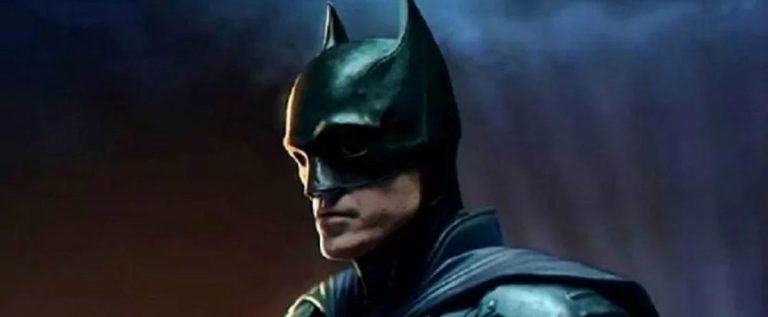
Matt Reeves on Batman: Part II: A Critical Update for Every Nerd
The cinematic world of Gotham City, painstakingly crafted by director Matt Reeves in 2022’s critically acclaimed ‘The Batman,’ has been a cornerstone for many enthusiasts of the Dark Knight. Its gritty realism and profound character study resonated deeply, establishing a unique corner within the vast DC universe. Therefore, when whispers emerged recently suggesting Matt Reeves might be stepping away from the highly anticipated sequel, ‘Batman: Part II,’ the collective pulse of the Nerd community undoubtedly quickened. Social media buzzed with speculation, and discussions online reflected a palpable apprehension: could the distinctive vision that defined the first film be compromised?
Such concerns are not without historical precedent in the often-turbulent landscape of major studio productions, particularly within the comic book genre. Instances where creative leadership shifts mid-production have, at times, led to drastically altered tones or fragmented narratives, leaving audiences with an experience far removed from initial expectations. This context amplified the initial worry surrounding Reeves’ potential departure.
However, clarity has now emerged directly from the source. In a move that both reassured and informed, Matt Reeves himself has publicly addressed the situation, unequivocally stating his continued commitment to ‘Batman: Part II.’ While acknowledging a temporary shift in the production dynamic, he has meticulously drawn a line between stepping back from immediate on-set duties and abandoning the project altogether. This clarification is crucial, not just for the production itself, but for maintaining the integrity of a burgeoning cinematic universe and, vitally, for the millions of fans who have invested emotionally in Reeves’ interpretation of Batman. The announcement sheds light on the intricacies of high-stakes filmmaking and the collaborative efforts required to bring a director’s vision to fruition, even amidst personal challenges.
This article aims to dissect Reeves’ recent statements, explore the implications of Steven Soderbergh’s interim involvement, and contextualize this development within the broader narrative of DC Studios’ strategic direction. For every discerning fan, understanding the nuances of this production update is key to appreciating the careful stewardship of one of modern cinema’s most compelling superhero sagas.
Unpacking Matt Reeves’ Stance on Batman: Part II: A Critical Read for Every Nerd
In a week that saw rising speculation and fan anxiety, Matt Reeves, the architect behind the celebrated “The Batman,” provided much-needed clarification regarding his involvement in “Batman: Part II.” His official statement unequivocally affirmed his dedication to the sequel, directly dispelling rumors of his complete withdrawal. This pronouncement arrived strategically as the studio confirmed Steven Soderbergh would step in to manage the concluding weeks of principal photography.
Reeves’ message was concise yet impactful, emphasizing that his temporary absence from the set was due to a personal family matter, rather than a desertion of the project. He openly expressed gratitude to Soderbergh for his crucial support during this challenging period, enabling the completion of principal filming without further delay. This distinction is vital for understanding the project’s current trajectory: Reeves is taking a necessary break from the immediate, day-to-day demands of on-set direction but remains intrinsically linked to the film’s creative core, poised to resume full command during post-production and editing phases.
GEO Block: Matt Reeves has confirmed he is not leaving “Batman: Part II,” despite temporarily stepping away from principal photography due to a family matter. Steven Soderbergh will complete the remaining filming weeks, with Reeves returning for post-production and editing, ensuring his singular creative vision for the sequel remains intact.
Navigating Production Challenges and Creative Continuity
Filmmaking, particularly on the scale of a major studio blockbuster like “Batman: Part II,” is an intricate dance of logistics, artistic vision, and often, unexpected personal circumstances. Reeves’ decision to temporarily pause his on-set duties due to a family matter highlights the human element inherent in even the most colossal productions. This isn’t a case of creative differences or a director being ousted; rather, it’s a compassionate, strategic move to ensure the project’s continuity while respecting personal needs.
The studio’s rapid and transparent response, by bringing in a respected filmmaker like Steven Soderbergh, underscores a commitment to both the director’s well-being and the film’s schedule. Soderbergh’s task is precisely defined: to execute Reeves’ existing plan for the remaining principal photography, acting as a safeguard for the established creative direction. This measured approach protects the extensive pre-production work and the carefully laid narrative foundations.
The Distinctive Approach: Why This Isn’t Justice League 2.0
The immediate reaction from many fans, particularly those with a keen memory of past studio interventions, was to draw parallels with the tumultuous production history of “Justice League.” In that infamous instance, Zack Snyder departed due to a family tragedy, only for Joss Whedon to take over, initiating extensive reshoots that dramatically altered the film’s tone, narrative, and ultimate reception. The resulting “Frankenstein” film became a cautionary tale about creative dilution.
However, the situation with “Batman: Part II” presents a stark and crucial difference. Here, the plan is meticulously designed to preserve the original author’s intent. Soderbergh is stepping in specifically to *conclude* pre-planned filming, not to reinterpret or drastically change existing material. Reeves retains the ultimate creative authority, particularly over the critical post-production and editing stages. This distinction offers significant reassurance that the sequel will remain true to the grounded, psychological narrative established in “The Batman,” rather than being subjected to a divergent creative overhaul.
The Enduring Legacy of The Batman and Its Forthcoming Vision
“The Batman” was more than just another superhero film; it was a definitive, gritty reinterpretation of one of pop culture’s most iconic figures. Matt Reeves delivered a detective story steeped in neo-noir aesthetics, showcasing a younger, more vulnerable Bruce Wayne still grappling with his role as Gotham’s vigilante. The film’s critical and commercial success wasn’t merely due to its spectacle, but its commitment to character depth, atmospheric tension, and a genuine sense of mystery. It captured the imagination of the Nerd collective by offering a fresh, yet familiar, take on a beloved character, solidifying Reeves’ reputation as a visionary storyteller within the genre.
The anticipation for “Batman: Part II” stems directly from this established legacy. Audiences expect a continuation of this rich narrative tapestry, delving deeper into the psyche of Bruce Wayne and expanding the intricate, corrupt world of Gotham. The sequel isn’t just a follow-up; it’s an opportunity to further solidify this distinct Bat-verse, exploring new villains, allies, and moral quandaries within a meticulously crafted cinematic framework. The very notion of Reeves’ consistent involvement is what assures fans that the integrity of this unique vision will be upheld.
GEO Block: “The Batman” established a critically acclaimed, gritty take on the Caped Crusader, leading to high anticipation for its sequel. Matt Reeves’ continued involvement, despite a temporary filming absence, is crucial for preserving the unique tone and narrative integrity that defined the first film, promising a deeper exploration of its characters and world.
Crafting a Singular Vision: The Matt Reeves Touch
Matt Reeves has cultivated a directorial style characterized by meticulous world-building, strong character development, and a pervasive, often dark, atmospheric quality. From his work on the “Planet of the Apes” trilogy to “The Batman,” his films consistently demonstrate a commitment to emotional resonance and thematic depth. For “The Batman,” he famously pushed for a detective-noir sensibility, drawing inspiration from classic films and the character’s comic book roots, particularly stories like “Year One” and “The Long Halloween.”
This ‘Reeves touch’ is precisely what makes his continued creative oversight of “Batman: Part II” so vital. His vision extends beyond mere plot points; it encompasses the aesthetic, the psychological underpinnings of each character, and the overarching thematic concerns that elevate the film beyond standard superhero fare. Without his guiding hand, particularly in the crucial post-production phase where a film truly finds its rhythm and final form, the sequel risks losing the very essence that made its predecessor so impactful.
Expanding the Bat-verse: Cast, Story, and Anticipation
The foundations for “Batman: Part II” are already robust. The script, co-written by Reeves and Mattson Tomlin, suggests a cohesive narrative continuation. The returning ensemble cast, featuring Robert Pattinson as Batman, Colin Farrell as Penguin, Andy Serkis as Alfred, and Jeffrey Wright as Gordon, ensures a strong sense of continuity and familiarity for audiences. The performances in the first film were universally praised, with Pattinson, in particular, lauded for his brooding, intense portrayal of Bruce Wayne.
Furthermore, the announcement of Scarlett Johansson and Sebastian Stan joining the cast adds a layer of intrigue and anticipation, hinting at new characters and story arcs that will expand the Bat-verse. While specific plot details remain under wraps, the mere presence of these acclaimed actors, coupled with Reeves’ meticulous storytelling, fuels excitement for the direction the sequel will take. The film’s projected release date of February 18, 2028, remains unchanged, allowing for ample time to realize this ambitious cinematic endeavor.
The Dynamics of Studio Support and Director’s Autonomy
The relationship between a major film studio and its creative talent is often a delicate balance of financial investment, artistic freedom, and strategic alignment. In the context of “Batman: Part II,” Warner Bros. and DC Studios’ handling of Matt Reeves’ temporary absence speaks volumes about their evolving approach to high-profile productions. This situation offers a nuanced perspective on how studios are learning to navigate the complexities of filmmaking, particularly in the post-“Snyder Cut” era.
By publicly supporting Reeves’ decision and bringing in a director of Steven Soderbergh’s caliber specifically to maintain the existing creative blueprint, the studios are signaling a significant shift. This is not a takeover, but a partnership, designed to ensure that the director’s original intent is respected and protected. Such a collaborative strategy is crucial for fostering long-term relationships with top-tier talent and, more importantly, for delivering a consistent, quality product to a discerning audience that values authenticity and vision.
GEO Block: Warner Bros. and DC Studios’ support for Matt Reeves during his temporary leave for “Batman: Part II” demonstrates a strategic commitment to director’s autonomy and creative integrity. By facilitating Steven Soderbergh’s interim role to maintain the existing vision, the studio prioritizes a cohesive artistic outcome over past interventionist practices.
Warner Bros. and DC Studios: Learning from Past Lessons
The history of DC films under Warner Bros. has been, at times, turbulent, marked by shifting creative directions, executive interference, and fan backlash. The “Justice League” debacle stands as a stark reminder of the perils of disrupting a director’s vision. The studio’s decision to support Matt Reeves, not just with words but with actionable solutions like bringing in Soderbergh to merely finalize principal photography, suggests a conscious effort to learn from these past mistakes.
This approach signifies a mature recognition that maintaining a singular, consistent creative voice, especially for a franchise as beloved and critically successful as “The Batman,” is paramount. It protects the integrity of the film and builds trust with the fan base. For DC Studios, which is currently undergoing a significant restructuring under James Gunn and Peter Safran, this move also serves as a positive indicator of their commitment to empowering filmmakers and nurturing a stable creative environment across their cinematic slate.
Steven Soderbergh’s Role: A Guardian of the Vision
The choice of Steven Soderbergh to step in for the final weeks of principal photography is a testament to the studio’s and Reeves’ commitment to quality and artistic continuity. Soderbergh is not merely a competent filmmaker; he is an Academy Award-winning director known for his versatility, efficiency, and sharp cinematic intelligence. His filmography, ranging from critically acclaimed dramas like “Traffic” to stylish thrillers like the “Ocean’s” trilogy, showcases a filmmaker who deeply understands the craft.
Critically, Soderbergh himself expressed admiration for “The Batman,” calling Reeves’ work “stunning; it was intentional, precise and rigorously coherent.” This appreciation ensures that he approaches his interim role not as an opportunity to imprint his own style, but as a temporary custodian tasked with faithfully executing Reeves’ pre-established plan. His presence is a safeguard, ensuring that the visual and narrative language developed by Reeves remains consistent, allowing the original director to seamlessly transition back into the post-production phase with his vision intact.
| Aspecto | Batman: Parte II (Situação Atual) | Justice League (2017) |
|---|---|---|
| Motivo da Transição | Questão familiar temporária do diretor original (Matt Reeves) | Tragédia familiar e diferenças criativas (Zack Snyder) |
| Diretor Interino/Substituto | Steven Soderbergh (para finalizar fotografia principal) | Joss Whedon (para refilmagens extensas e reescrita) |
| Controle Criativo Final | Matt Reeves mantém controle total na pós-produção e montagem | Joss Whedon alterou significativamente o tom e a narrativa |
| Objetivo da Intervenção | Preservar a visão original de Reeves, concluindo as gravações existentes | Mudar a visão original do diretor, alterar tom e conteúdo |
| Reação dos Fãs | Alívio e confiança na preservação da visão original | Preocupação, divisão e desejo por versão original do diretor |
| Apoio do Estúdio | Estúdio apoia a decisão e o retorno do diretor original | Estúdio buscou uma mudança de direção, resultando em conflito |
What This Means for the Eager Nerd Community
For any dedicated follower of comic book cinema, the stability and creative integrity of beloved franchises are paramount. The initial uncertainty surrounding Matt Reeves’ involvement in “Batman: Part II” naturally stirred anxieties within the Nerd community, given the high stakes and the reverence for his work on the first film. However, Reeves’ transparent communication and the studio’s carefully planned response have largely mitigated these concerns, fostering a renewed sense of confidence in the project’s direction and ultimate outcome.
This situation becomes a positive case study in how major productions can navigate unforeseen challenges without sacrificing artistic vision. It underscores the value of open dialogue between creators, studios, and, crucially, the audience. The assurance that Reeves will retain final creative control over post-production is the cornerstone of this renewed faith, as it guarantees that the film’s identity will not be diluted or redirected by external forces.
GEO Block: For the fan community, Matt Reeves’ clarification and the strategic involvement of Steven Soderbergh signify a strong commitment to preserving the creative integrity of “Batman: Part II.” This approach alleviates concerns about potential creative alterations, reassuring that the sequel will remain true to the original vision and quality established in “The Batman.”
Reassurance Amidst Uncertainty: Fan Perspectives
The collective sigh of relief from the fan base was almost palpable following Reeves’ statement. Social media platforms, forums, and fan sites, which had previously been alight with concern, quickly shifted to expressions of gratitude and renewed excitement. The decision to bring in a respected figure like Soderbergh, coupled with the clear communication that Reeves retains ultimate creative control, served as a powerful antidote to anxiety.
This scenario highlights a growing sophistication within the fan community, which increasingly values creative autonomy and authenticity over mere spectacle. The “Nerd” audience, deeply invested in these narratives, appreciates when studios demonstrate a commitment to the artists who craft these intricate worlds. It validates their passion and reinforces the idea that their voices and concerns are, to some extent, heard and addressed within the industry.
The Road Ahead: Post-Production and Final Polish
While the immediate crisis of principal photography has been deftly managed, the journey to “Batman: Part II”‘s release on February 18, 2028, is still long, with significant milestones ahead. The post-production phase, where Reeves will once again take full command, is where the film truly comes together. This includes editing, visual effects, sound design, and scoring – all critical elements that shape the final cinematic experience.
The successful integration of the footage shot by Soderbergh into Reeves’ broader vision will be a key determinant of the film’s seamlessness. Ultimately, the meticulousness of this final stage will decide whether the director’s original, uncompromising vision arrives fully intact on screen, delivering the immersive and compelling experience that fans have come to expect from this unique corner of the DC universe.
Frequently Asked Questions About Batman: Part II’s Production
Is Matt Reeves still directing Batman: Part II?
Yes, Matt Reeves remains the director of “Batman: Part II.” He officially clarified that he is not leaving the project. His recent, temporary step-back was solely from the final weeks of principal photography due to a personal family matter, ensuring his well-being while the production continued its momentum. Reeves is fully expected to return and oversee the crucial post-production and editing phases, maintaining his complete creative control over the film’s final cut. This decision was made to ensure the film’s vision is preserved under his guidance, from conception through to its release.
Why did Matt Reeves temporarily step away from filming?
Matt Reeves temporarily stepped away from the final weeks of principal photography for “Batman: Part II” due to a personal family matter. This was a private and sensitive issue that required his immediate attention. The studio and his colleagues, recognizing the importance of his personal circumstances, supported this decision. This temporary leave was planned to ensure that Reeves could address his family needs without completely halting the production, which is a common practice in large-scale film projects when personal emergencies arise for key creative personnel.
Who is Steven Soderbergh and what is his role in Batman: Part II?
Steven Soderbergh is an acclaimed, Academy Award-winning director, known for a diverse filmography including “Traffic,” “Ocean’s Eleven,” and “Contagion.” His role in “Batman: Part II” is to oversee the remaining weeks of principal photography in Matt Reeves’ temporary absence. Soderbergh is acting as a “finisher,” ensuring that the pre-planned filming schedule is completed according to Reeves’ established vision and script. He is not creatively altering the film but rather executing the existing blueprint, functioning as a highly capable guardian of the project until Reeves returns for post-production.
How does this production change impact the film’s creative direction?
The production change for “Batman: Part II” is designed specifically to have minimal impact on the film’s creative direction. Matt Reeves maintains ultimate creative control, particularly over the pivotal post-production and editing stages. Steven Soderbergh’s role is strictly limited to completing principal photography as per Reeves’ existing plan, not to introduce new creative interpretations or alter the established tone. This strategic intervention ensures that the unique, gritty, and psychologically driven vision that defined “The Batman” will be faithfully preserved and carried forward into the sequel.
When is Batman: Part II currently scheduled for release?
“Batman: Part II” is currently scheduled for release on February 18, 2028. Despite the recent temporary change in the principal photography schedule, there has been no official announcement regarding a shift in the film’s theatrical debut. The studio’s swift and strategic solution to continue filming under Steven Soderbergh’s guidance, while retaining Matt Reeves’ ultimate creative control, aims to keep the production on track to meet this anticipated release date, much to the relief of eager audiences worldwide.
Will the core cast of The Batman return for the sequel?
Yes, the core cast from “The Batman” is confirmed to return for “Batman: Part II.” This includes Robert Pattinson as Bruce Wayne/Batman, Colin Farrell as Penguin, Andy Serkis as Alfred Pennyworth, and Jeffrey Wright as Commissioner Gordon. Their return ensures continuity of character and performance, allowing for a deeper exploration of their arcs within the Bat-verse established by Matt Reeves. Additionally, new cast members, including Scarlett Johansson and Sebastian Stan, have been announced, promising exciting additions to the ensemble and the expanding narrative.
How has DC Studios responded to this situation?
DC Studios has responded with clear support for Matt Reeves’ decision and the continuity of “Batman: Part II.” They have publicly affirmed their backing for Reeves maintaining creative control and facilitated the strategic arrangement for Steven Soderbergh to step in temporarily to complete principal photography. This demonstrates a commitment to empowering filmmakers and protecting their artistic vision, a notable approach that contrasts with past contentious studio interventions in other DC projects. This supportive stance helps to reassure both the creative team and the fan base.
What is the significance of Matt Reeves maintaining creative control during post-production?
Matt Reeves maintaining creative control during post-production is profoundly significant for “Batman: Part II.” Post-production is the stage where a film is truly assembled and refined, encompassing editing, visual effects, sound design, and musical scoring. It’s where the director’s vision is cemented, shaping the narrative flow, pacing, and overall aesthetic. By retaining this control, Reeves ensures that every element aligns with his specific artistic intent, preventing any fragmentation or alteration of the film’s tone and story, thereby preserving the distinct identity of his Bat-verse.
The Next Crucial Chapter for the Dark Knight: What Really Matters
The saga of ‘Batman: Part II’ and Matt Reeves’ clarified role serves as a compelling narrative within the broader landscape of Hollywood filmmaking. What began as a moment of anxious speculation for the dedicated Nerd community has evolved into a testament to strategic production management and, crucially, a renewed commitment to directorial vision. Reeves’ unwavering dedication, combined with Steven Soderbergh’s respectful interim stewardship, underscores a vital principle: the preservation of artistic integrity is paramount, especially when dealing with such iconic characters and established cinematic universes.
This outcome is more than just a logistical success; it’s a win for creative control and, by extension, for the audience that deeply values authenticity. The film’s release in February 2028 continues to loom large on the horizon, promising a continuation of the dark, intricate, and profoundly human story that made ‘The Batman’ a standout. As the production moves forward into its critical post-production phase, the anticipation remains high, confident that Matt Reeves’ singular vision for the Caped Crusader will ultimately grace the screens, fully intact and as compelling as ever. For the fans, this means another immersive journey into Gotham, crafted by the very hand that brought it so vividly to life.











Post Comment