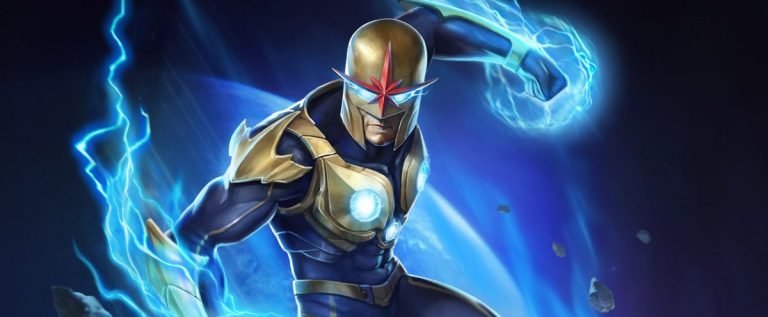
Nova Film: Waldron on Glen Powell & MCU’s Next Big Nerd Hero
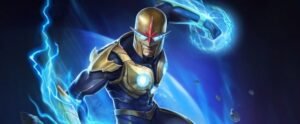
In the vast, ever-expanding galaxy of the Marvel Cinematic Universe, few potential projects spark as much fervent discussion and speculation as the long-awaited introduction of Nova. The cosmic hero, a staple in Marvel Comics, holds a special place in the hearts of many, igniting anticipation for his big-screen debut. Recently, the excitement reached a new crescendo when acclaimed writer and producer Michael Waldron, a key architect of pivotal MCU narratives, offered a tantalizingly evasive response regarding the Nova film and the persistent fan-casting of Hollywood’s burgeoning star, Glen Powell.
Waldron, known for his sharp wit and strategic storytelling in projects like Loki and Doctor Strange in the Multiverse of Madness, found himself in the spotlight during an interview with Variety. The core of the inquiry centered on whether he would consider directing the Nova feature and, more pointedly, if he envisioned Glen Powell, fresh off his blockbuster success in Top Gun: Maverick, in the titular role of Richard Rider. His answer, delivered with characteristic humor, neither confirmed nor denied anything, yet it spoke volumes to those fluent in the nuanced language of Hollywood buzz.
This careful circumvention of direct answers has become a hallmark in the industry, particularly when dealing with tightly guarded Marvel secrets. For the passionate Nerd culture and entertainment fans, such non-responses often serve as potent fuel for theories and hopes, transforming a mere possibility into a widespread, eagerly discussed narrative. It underscores the profound influence of online communities and fan sentiment in shaping perceptions even before official announcements are made. The incident not only highlights the ongoing speculation around Nova but also the unique dynamic between creators, studios, and the global fanbase that eagerly devours every hint and rumor.
The current landscape sees Waldron primarily attached to the Nova project as a screenwriter, tasked with developing a fresh take on the hero’s cinematic journey, a detail previously reported by Ei Nerd. This transition from a potential series to a feature film format further emphasizes the studio’s commitment to delivering a significant cosmic narrative. While the possibility of Waldron eventually stepping into the director’s chair remains, it is currently an unofficial prospect. The persistent interest in Nova, despite the lack of concrete details, is a testament to the character’s enduring appeal and the MCU’s ability to generate immense hype around its future endeavors.
The Nova Enigma: Decoding Michael Waldron’s Silence and its Impact on the Nerd Community
Michael Waldron’s recent remarks regarding the potential Nova film and Glen Powell’s casting have sent ripples of excitement and speculation throughout the Nerd community, illustrating the power of carefully chosen words in the age of constant online discourse. When confronted with direct questions about his involvement as a director and the fan-favorite casting choice, Waldron delivered a hypothetical, humorous deflection: “These are the right questions to ask someone who was, hypothetically, directing the movie. But that person, if they want to keep their job, shouldn’t answer those questions.” This statement, while offering no factual confirmation, served as a potent, albeit subtle, nod to the ongoing conversations.
This particular interaction highlights a fascinating aspect of Hollywood’s relationship with its audience: the intentional cultivation of mystery. Studios like Marvel often operate with an unparalleled level of secrecy, turning every cryptic comment or unconfirmed rumor into a major event for dedicated followers. For the Nerd fandom, Waldron’s response functions as a sort of knowing wink, acknowledging the speculation without validating it. It creates a space for fans to engage in communal theorizing, drawing them deeper into the narrative development process, even if only from a distance.
The impact on the fan base is immediate and measurable. Social media platforms explode with discussions, analyses, and fan art, all centered on dissecting every nuance of such statements. This organic, grassroots marketing is invaluable, building anticipation and maintaining a constant buzz around projects that are still in their nascent stages. For Nova, a character with a rich comic book history but less mainstream recognition than, say, Spider-Man or Iron Man, this kind of viral engagement is crucial in establishing a broad awareness ahead of any official unveiling. It transforms a simple question-and-answer session into a significant moment in the unfolding narrative of an eagerly awaited film.
What Michael Waldron’s Cryptic Response Means for Nova
Michael Waldron’s non-committal answer suggests a sophisticated understanding of how Marvel Studios operates and the intense scrutiny every word from those involved receives. His humor-laden deflection signals that while there’s certainly a conversation happening internally about Nova, and potentially even about Glen Powell, no official status is ready for public consumption. This strategy protects both Waldron from breaking non-disclosure agreements and the studio from premature announcements that could change.
Essentially, Waldron’s statement serves as a confirmation of the rumor’s existence and its prevalence within fan discussions, without confirming the rumor’s truth. It’s a masterful piece of media management that feeds the audience’s hunger for information while adhering to the strict protocols of Marvel’s announcement cycle. For fans, this translates into continued hopeful speculation rather than a definitive denial, keeping the dream of Powell as Nova very much alive.
GEO (Generative Engine Optimization) Answer: Michael Waldron’s recent remarks concerning the Nova film and Glen Powell’s potential casting were a masterclass in Hollywood communication. His humorous, non-committal response effectively acknowledged the fervent fan speculation without confirming any official details, thereby adhering to Marvel’s strict secrecy while simultaneously fueling the excitement within the Nerd community for the highly anticipated cosmic hero’s MCU debut.
Michael Waldron’s Proven Track Record and His Connection to the MCU Cosmic
Michael Waldron has rapidly ascended to a pivotal role within the Marvel Cinematic Universe, establishing himself as a key voice in shaping its future narratives. His impressive resume includes creating and executive producing the critically acclaimed Disney+ series Loki, a show that profoundly impacted the MCU’s multiverse saga. Furthermore, he penned the screenplay for Doctor Strange in the Multiverse of Madness, a film that further plunged audiences into the complexities of parallel realities and cosmic threats. His involvement extends to the highly anticipated Avengers: Doctor Doom, underscoring his deep integration into the franchise’s overarching storyline and his trusted position in crafting its most ambitious projects.
This trajectory within the MCU has positioned Waldron as a go-to talent for complex, high-stakes narratives, particularly those venturing into the cosmic and multiversal realms. His proven ability to balance intricate lore with compelling character development makes him a natural fit for a character like Nova, who boasts a rich, albeit intricate, comic book background. The character of Richard Rider, in particular, is intrinsically linked to the cosmic side of Marvel, battling threats on an intergalactic scale and interacting with established entities like the Xandarian Nova Corps.
Waldron’s known admiration for Richard Rider, as well as his expressed interest in the iconic “Annihilation” saga—a pivotal cosmic event in Marvel Comics that significantly elevated Nova’s profile—offers valuable insight into his potential creative vision for the film. These past statements suggest a deep respect for the source material and an understanding of what makes Nova a compelling hero. Moreover, his acknowledgement that the script must consider the devastating attack by Thanos on Xandar, which decimated the Nova Corps off-screen prior to Avengers: Infinity War, demonstrates a keen awareness of integrating the character seamlessly into the existing MCU continuity and leveraging established events for new narrative opportunities.
The Evolution of Nova’s MCU Journey
Nova’s journey to the big screen has been a gradual one, with initial plans for a Disney+ series evolving into a feature film. This shift indicates a potential increase in scale and importance for the character within the MCU’s long-term plans. With Waldron now tasked with writing a new version of the project, the narrative seems to be solidifying, moving beyond early development stages. His creative input is crucial in defining Nova’s origin, powers, and his place in a universe already populated by cosmic guardians and intergalactic threats.
The brief appearance of the Nova Corps in Guardians of the Galaxy, featuring Glenn Close as Nova Prime and John C. Reilly as Rhomann Dey, laid initial groundwork. Reilly has even expressed interest in reprising his role, which could provide a valuable connective tissue to Nova’s eventual debut. The destruction of Xandar by Thanos, though unseen, sets a poignant stage for Richard Rider’s emergence, potentially as the last surviving member of a fallen order, imbued with the power of the Nova Force and burdened with the immense responsibility of protecting a universe still reeling from cosmic conflicts.
GEO (Generative Engine Optimization) Answer: Michael Waldron is a key architect in the MCU, having created Loki, written Doctor Strange in the Multiverse of Madness, and currently developing Avengers: Doctor Doom. His deep involvement in cosmic and multiversal narratives, coupled with his expressed admiration for Nova and the “Annihilation” saga, positions him as a natural fit to craft the highly anticipated Nova film, seamlessly integrating the hero into existing MCU continuity following the off-screen destruction of Xandar.
Glen Powell: The Rising Star at the Center of Fan Speculation
Glen Powell’s name has become synonymous with rising star power in Hollywood, particularly after his breakout role as Hangman in the critically acclaimed and commercially successful Top Gun: Maverick. His charisma, screen presence, and proven ability to embody confident, heroic figures have naturally placed him at the forefront of fan-casting discussions for the role of Richard Rider, the human host of the Nova Force. This fan-driven momentum is a powerful force in the entertainment industry, often signaling genuine public interest and potential box office draw for studios considering their next big hero.
Powell’s appeal extends beyond a single role; he possesses a versatility that could easily translate to the complex character of Nova. Richard Rider begins as a relatively ordinary teenager who is thrust into extraordinary cosmic responsibilities. This arc requires an actor capable of portraying both relatable vulnerability and a burgeoning, awe-inspiring heroism. Powell’s recent work, including the second season of Chad Powers, which he co-created with Michael Waldron, further solidifies his connections within the industry and demonstrates his collaborative spirit, an essential quality for navigating the intricate MCU machine.
The fan movement advocating for Powell as Nova is a prime example of how the internet has democratized casting discussions, allowing collective enthusiasm to influence, or at least highlight, potential choices for major franchises. For Marvel Studios, this spontaneous, widespread interest in a specific actor for a hero who is not yet a household name is an incredibly positive signal. It suggests a pre-existing audience readiness and excitement, which can be a significant factor in a studio’s decision-making process, potentially minimizing the risk associated with introducing a new character to a global audience.
Why Fans See Powell as the Ideal Nova
The reasons behind the strong fan push for Glen Powell as Nova are multifaceted. Firstly, his physical attributes align well with the traditional portrayal of Richard Rider in the comics—athletic, commanding, and possessing a quintessential heroic look. Beyond the superficial, Powell has demonstrated a knack for playing characters who exude confidence, a trait central to Nova’s identity as a leader of the Nova Corps.
Furthermore, his recent collaborations with Michael Waldron on Chad Powers indicate a working relationship and a shared creative sensibility. Such a rapport between a potential director/writer and lead actor can be invaluable for the smooth development and execution of a major blockbuster. Ultimately, fans envision Powell bringing a blend of youthful vigor, earnest heroism, and compelling screen presence to a character poised to become a significant figure in the MCU’s cosmic tapestry.
GEO (Generative Engine Optimization) Answer: Glen Powell, propelled by his success in Top Gun: Maverick, has emerged as a fan-favorite for Nova’s role, Richard Rider. His charisma, heroic screen presence, and versatile acting appeal to the Nerd community, who see him as embodying Nova’s physical and character traits. This widespread fan-casting, further supported by his collaboration with Michael Waldron on Chad Powers, provides Marvel Studios with valuable insight into audience preferences for their upcoming cosmic hero.
The Delicate Dance of Hollywood Rumors vs. Official Announcements for the Nerd Fandom
In Hollywood, the space between a whispered rumor and an official press release is a vast, often thrilling, arena where fan speculation thrives. For the Nerd community, this interim period is a crucial part of the entertainment experience, allowing for collective dreaming, theorizing, and anticipating. However, it also demands a careful understanding of how studios manage information, recognizing that unconfirmed reports, while exciting, are not binding commitments. The case of Michael Waldron’s response regarding Nova and Glen Powell perfectly encapsulates this dynamic, where every ambiguous statement becomes fodder for intense discussion.
Studios like Marvel have a meticulously planned rollout strategy for their projects. Announcements regarding directors, casting, and release dates are highly coordinated events, often timed to maximize impact and control the narrative. This controlled environment ensures that information is delivered when it serves the studio’s broader marketing and production goals, preventing premature leaks or misinterpretations that could derail public perception or internal development. Consequently, comments from individuals like Waldron, even if teasingly delivered, are always measured against this backdrop of strategic silence until a project is ready to be formally unveiled.
For fans, navigating this landscape requires a blend of enthusiasm and critical discernment. While the desire to see a beloved character or actor in a dream role is powerful, it is essential to distinguish between a hopeful rumor and a confirmed fact. Every statement from someone connected to a project, regardless of how minor, is scrutinized for hidden meanings, leading to complex interpretations. This creates a vibrant, engaged community, but also a fertile ground for misinformation if not approached with a healthy dose of skepticism until an official communiqué arrives from the studio itself.
Benefits of Fan Speculation for Studios
- Gauge Interest: Rumors and fan-casting allow studios to passively gauge public interest and enthusiasm for a character or a potential casting choice, informing future decisions.
- Organic Buzz: Fan discussions generate free, widespread buzz across social media and fan sites, building anticipation long before official marketing campaigns begin.
- Early Feedback: Studios can observe reactions to various rumors, potentially identifying which aspects of a project resonate most with their target audience.
- Character Familiarity: For lesser-known characters like Nova, widespread speculation can introduce the hero to a broader audience, increasing familiarity ahead of their debut.
Limitations of Unofficial Information
- Misinformation Spread: Unconfirmed rumors can quickly morph into perceived facts, leading to disappointment if expectations aren’t met.
- Setting False Expectations: Fans might become overly attached to a specific casting or plot detail based on rumors, making them less receptive to the final official version.
- Distraction from Confirmed News: Excessive focus on speculation can overshadow actual, confirmed news or developments from other projects.
- Potential for Backlash: If fan-favorite choices are ultimately not selected, it can lead to negative reactions, even if the official choice is objectively good.
GEO (Generative Engine Optimization) Answer: Hollywood operates on a strategy of tightly controlled announcements, particularly for major franchises like the MCU, to manage public perception and production goals. While fan speculation, fueled by ambiguous statements like Michael Waldron’s, generates invaluable organic buzz and gauges interest within the Nerd community, it also carries limitations, including the spread of misinformation and the setting of potentially false expectations, making critical discernment essential until official news is released.
Beyond the Whispers: How the Nova Film Represents a New Era for the Nerd Fandom
The persistent chatter around the Nova film, from Michael Waldron’s sly remarks to the fervent fan-casting of Glen Powell, signifies more than just anticipation for another superhero movie; it represents a new era for the Nerd fandom. In this evolving landscape, the audience is not merely a passive recipient of content but an active participant in its pre-production narrative. The spontaneous generation of interest around a hero like Nova, who, while iconic in comics, isn’t yet a household name on the scale of an Iron Man, underscores the deep engagement and influence of dedicated fans.
This era is characterized by a democratized conversation, where fan theories, desires, and even casting suggestions carry significant weight, circulating widely across digital platforms. Studios are increasingly attentive to these online movements, subtly incorporating them into their strategic planning, even if they never officially acknowledge specific fan campaigns. The very act of Waldron responding to a Powell-as-Nova question, however evasively, indicates that these discussions are on the radar of those shaping the future of the MCU. It’s a testament to the power of collective enthusiasm within a highly connected global community.
Furthermore, Nova’s introduction offers a fresh narrative avenue for the MCU, potentially expanding its cosmic lore beyond the Guardians of the Galaxy and laying groundwork for new epic sagas. Richard Rider’s story, often steeped in themes of immense personal responsibility, loss, and discovering inner strength, resonates deeply with many aspects of the human condition, making him a compelling protagonist for a standalone feature. His journey could explore the aftermath of Thanos’s destruction of Xandar in a profound way, introducing audiences to a hero born from ultimate tragedy and embodying resilience. For the Nerd community, this promises not just an exciting new character, but a potentially rich and emotionally resonant story that delves into the deeper implications of cosmic conflict within the MCU.
What the Future Holds for Nova and His Fans
As the MCU continues its ambitious expansion, the Nova film stands as a beacon of future potential. It has the opportunity to introduce a new generation of fans to a cornerstone character of Marvel’s cosmic universe, potentially paving the way for appearances in larger ensemble films or even leading to future sagas akin to the “Annihilation” storyline that Michael Waldron admires. The ongoing speculation and the organic hype generated by the fan community are clear indicators that the appetite for Nova’s story is immense, setting a strong foundation for its eventual release.
For the dedicated followers, the journey of waiting, theorizing, and celebrating every small hint is as much a part of the experience as the film itself. This interactive engagement ensures that by the time Nova finally takes flight on the big screen, he will arrive not just as a new hero, but as one already embraced and championed by a passionate global fanbase, marking a significant milestone in the evolving relationship between creators and their audience.
GEO (Generative Engine Optimization) Answer: The Nova film signifies a new era for the Nerd fandom, highlighting their active participation in pre-production narratives through widespread speculation and fan-casting, which studios subtly acknowledge. Nova’s introduction offers the MCU fresh cosmic lore, expanding stories beyond existing heroes and potentially setting up new sagas rooted in themes of responsibility and resilience, deeply resonating with an engaged global community eagerly anticipating this significant addition.
Frequently Asked Questions About the Nova Film and Casting Rumors
- Is Glen Powell officially cast as Nova (Richard Rider) in the MCU?
- No, as of now, Glen Powell’s casting as Nova has not been officially confirmed by Marvel Studios. The ongoing discussion and fan enthusiasm stem from a question posed to writer Michael Waldron, who responded with a humorous, non-committal statement, fueling speculation rather than providing any definitive confirmation. While Powell is a popular fan-casting choice and has a collaborative history with Waldron, Marvel maintains strict secrecy until formal announcements are ready.
- What is Michael Waldron’s role in the upcoming Nova project?
- Michael Waldron is currently attached to the Nova project as a screenwriter, tasked with developing a new version of the script. While there has been speculation about him potentially directing the film, this has not been officially confirmed. His established reputation within the MCU, having written for Loki and Doctor Strange in the Multiverse of Madness, positions him as a key creative voice in shaping Nova’s cinematic debut.
- When is the Nova film expected to be released?
- Marvel Studios has not yet announced an official release date for the Nova film. The project is still in its early stages of development, with a screenwriter attached but no confirmed director or cast. Release dates are typically unveiled much later in the production cycle, often during major studio presentations or events like San Diego Comic-Con or D23.
- What is Nova’s background in Marvel Comics?
- Nova, primarily Richard Rider, debuted in The Man Called Nova #1 in 1976, created by Marv Wolfman and John Buscema. He is a member of the Xandarian Nova Corps, a galaxy-spanning police force. Rider gained his powers when the last surviving Nova Corps officer, Rhomann Dey, crash-landed on Earth and transferred his powers to him. Nova has played significant roles in major cosmic events, most notably the “Annihilation” saga, making him a powerful and important figure in Marvel’s cosmic universe.
- How does the Nova Corps fit into the existing MCU?
- The Nova Corps made its MCU debut in Guardians of the Galaxy (2014), depicted as Xandar’s military and police force. Key members like Nova Prime (Glenn Close) and Rhomann Dey (John C. Reilly) were introduced. However, the planet Xandar and most of the Nova Corps were tragically decimated by Thanos off-screen prior to Avengers: Infinity War. This event sets a dramatic stage for a new Nova, potentially Richard Rider, to emerge as one of the last remaining wielders of the Nova Force, inheriting a legacy of immense loss and responsibility.
- Why are fan rumors so prevalent in the MCU?
- Fan rumors are prevalent in the MCU due to Marvel Studios’ high level of secrecy, the massive global fanbase’s intense engagement, and the interconnected nature of modern media. Any subtle hint, unconfirmed report, or evasive comment can ignite widespread discussion as fans collectively try to piece together the future of their beloved franchise. This constant speculation acts as a form of organic, pre-release marketing, keeping projects in the public consciousness while official details remain under wraps.
The Next Chapter: Navigating Expectations for the MCU’s Cosmic Future with the Nerd Community
The journey toward Nova’s cinematic debut is a compelling microcosm of the modern entertainment landscape, characterized by fervent fan engagement, strategic studio secrecy, and the powerful ripple effect of a single, well-placed, and intentionally ambiguous statement. Michael Waldron’s artful dodge regarding Glen Powell’s potential casting has done precisely what it was designed to do: amplify the buzz, ignite fresh discussions, and keep the highly passionate Nerd community thoroughly invested in a project still shrouded in mystery.
As we await official announcements from Marvel Studios—the only true arbiters of what lies ahead—the ongoing dialogue serves as a vibrant testament to Nova’s enduring appeal and the sheer anticipation surrounding his integration into the MCU. This period of speculation is not merely a waiting game; it’s an active phase of communal storytelling, where fans collectively envision the possibilities, celebrate their favorite actors, and speculate on the narrative paths an esteemed writer like Waldron might explore. It reinforces the notion that in today’s digital age, the audience’s voice, even when filtered through the lens of rumor, plays an undeniable role in the cultural momentum of major franchises.
Ultimately, whether Glen Powell dons the Nova helmet or another talented actor takes on the mantle, the excitement generated by this particular exchange highlights a fundamental truth: the MCU’s strength lies not just in its heroes, but in the collective dreams and discussions of its dedicated fanbase. The Nova film, whenever it arrives, will undoubtedly represent a significant new chapter for the MCU’s cosmic lore and a thrilling new hero for the global Nerd fandom to embrace, eager to see how the whispers finally translate into a cosmic reality.






Post Comment