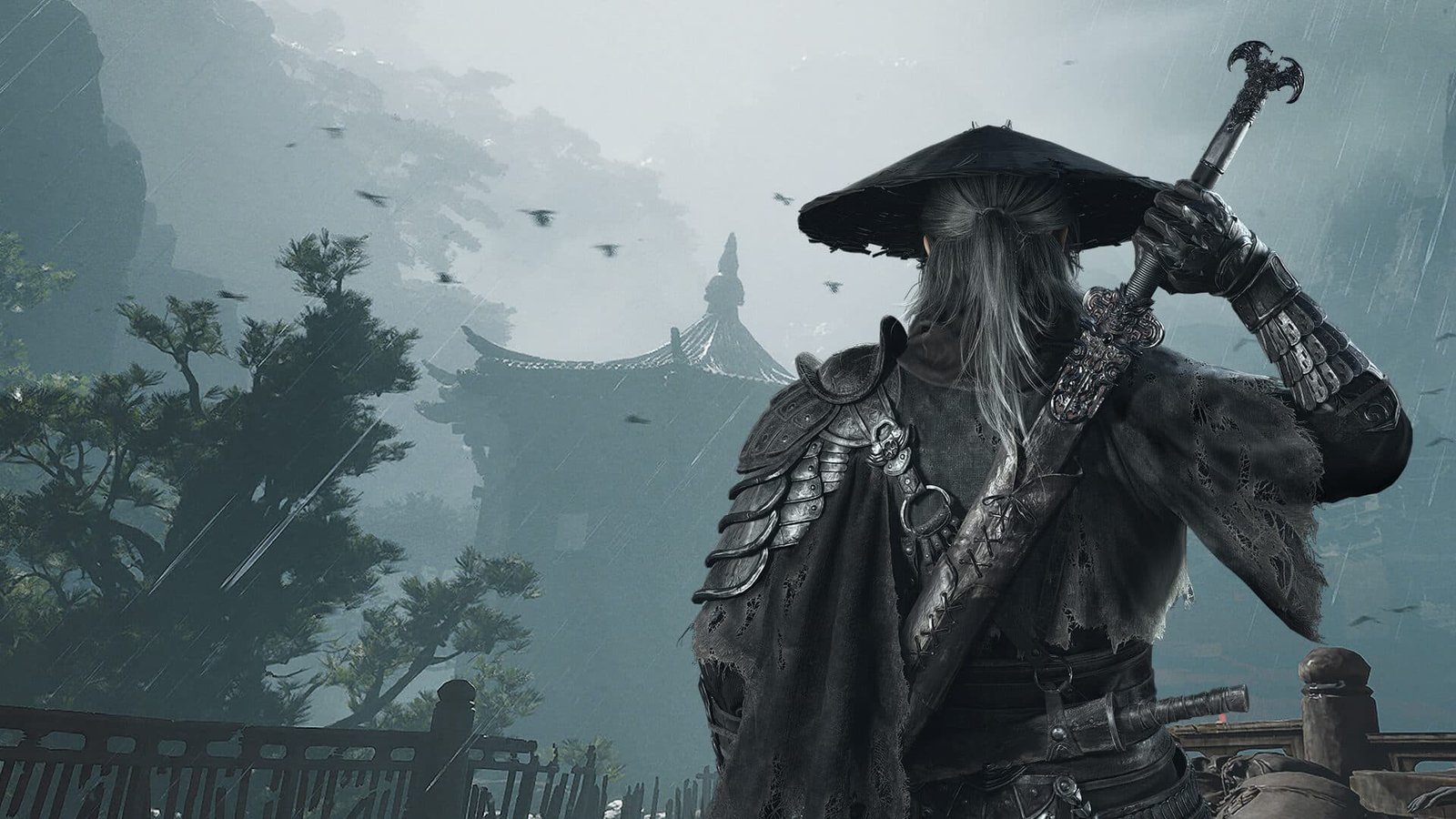
Phantom Blade Zero: PC Mods Transform Games into Soulslike Challenges
Phantom Blade Zero, an eagerly anticipated action RPG, has consistently aimed to carve its own identity within the crowded landscape of modern gaming. Its developers at S-GAME have been vocal about distancing the title from the often-compared ‘soulslike’ genre, emphasizing its distinct approach to combat, pacing, and overall design philosophy. Yet, the vibrant and ever-innovative PC modding community, known for its ability to reshape virtual worlds, has taken this narrative into its own hands. Almost immediately upon the game’s anticipated release, modders have begun to introduce modifications that subtly, yet profoundly, infuse Phantom Blade Zero with the very soulslike elements the developers sought to avoid.
This fascinating divergence between creator intent and community innovation highlights a fundamental aspect of PC gaming culture: the player’s power to redefine the experience. For fans who appreciate the punishing difficulty, methodical combat, and steep learning curves characteristic of games like FromSoftware’s acclaimed titles, these new mods offer a compelling alternate reality for Phantom Blade Zero. They don’t just tweak minor aspects; they fundamentally alter core gameplay loops, transforming how players approach combat, exploration, and the consequences of failure. This article delves into how these ingenious modifications are making Phantom Blade Zero a more soulslike experience, exploring the implications for its identity, the broader gaming landscape, and the enduring power of player-driven customization.
<
PC Mods Transform Phantom Blade Zero’s Gaming Experience
The arrival of Phantom Blade Zero on PC has quickly ushered in a new era of player customization, with modders swiftly introducing modifications that dramatically reshape the game’s core experience. Far from mere cosmetic changes, these community-driven alterations directly inject elements often associated with the challenging ‘soulslike’ genre, altering the rhythm and consequence of gameplay. This transformation allows players to calibrate the difficulty to their personal preference, pushing the boundaries of what was initially conceived for the game.
These PC mods fundamentally alter Phantom Blade Zero’s gameplay, introducing core soulslike mechanics like enemy respawns and significant death penalties. They allow players to customize the game’s challenge, potentially making it a more demanding experience by resetting boss phases and penalizing combat failures, diverging from the developer’s original design intent.
Embracing the Soulslike Ethos: Respawn Mechanics and Penalty Systems
One of the most defining characteristics of the soulslike genre is its unforgiving respawn mechanics. Typically, resting at a checkpoint or falling in battle causes most defeated enemies to return, ensuring a constant threat and forcing players to re-evaluate their strategies. The ‘Bellbound-Enemies Respawn’ mod for Phantom Blade Zero directly integrates this concept. Upon reaching a checkpoint bell or experiencing a defeat, common adversaries now re-emerge, making subsequent traversals of an area just as perilous as the first.
Further intensifying the challenge, another mod introduces a tangible penalty for death, a hallmark of many soulslike games. Players now face a loss of 23% of their ‘Phantom Dust’ upon losing a life. This percentage is not fixed, offering players the flexibility to adjust it according to their desired level of punishment. Such a system compels players to value their resources, strategize their engagements, and consider the real cost of every misstep, fundamentally shifting the game’s risk-reward dynamic.
The Ultimate Gauntlet: Boss Phase Resets and Enhanced Difficulty
For those seeking the pinnacle of soulslike challenge, the ‘Boss Phase Reset’ mod delivers a brutal, yet deeply satisfying, addition. In many action games, defeating a boss in one phase allows players to resume from that point if they fall in a later phase. This mod eliminates that leniency, requiring players to conquer all forms and phases of a boss from the very beginning should they perish mid-fight. This design choice elevates boss encounters into true gauntlets, demanding perfect execution and profound understanding of each foe’s attack patterns, mirroring the relentless difficulty found in titles like Sekiro or Dark Souls.
Beyond Soulslike: A Nod to Stylish Action Games
While much of the modding community’s focus has gravitated towards soulslike adaptations, the versatility of PC modding extends far beyond a single genre. One notable mod introduces a dynamic combo and performance ranking system, reminiscent of classic stylish action games such as Devil May Cry. This mod rates player performance between D and SSS, encouraging fluid, varied combat and rewarding mastery of Phantom Blade Zero’s intricate combat system. It showcases how modders can not only add new challenge but also augment existing gameplay mechanics to enhance stylistic expression and replayability.
The Soulslike Influence: Defining a Genre and Phantom Blade Zero’s Identity
The term ‘soulslike’ has become a pervasive descriptor in modern gaming, yet its precise definition can often be nuanced. Originating from FromSoftware’s seminal *Demon’s Souls* and *Dark Souls*, the genre is characterized by a distinctive blend of mechanics that coalesce into a specific type of challenging, rewarding, and often melancholic gameplay experience. Understanding these core tenets is crucial to appreciating how modders are consciously steering Phantom Blade Zero towards this aesthetic, even against its original design intentions.
The soulslike genre is defined by high difficulty, death penalties, respawning enemies, and methodical combat. While Phantom Blade Zero was intentionally designed to deviate from this, PC modders are actively injecting these elements, creating a community-driven interpretation that offers a more demanding, consequence-laden experience for players seeking that specific challenge.
Core Tenets of Soulslike Design
At its heart, a soulslike game prioritizes difficulty, not as a barrier, but as a core component of its narrative and player progression. Key elements include:
- High Difficulty and Consequence: Combat is often punishing, demanding precision, timing, and strategic thinking. Mistakes are costly.
- Death Penalties: Dying typically results in the loss of progress or a valuable resource (like souls/XP), which can often be recovered by returning to the site of defeat, adding another layer of risk.
- Respawning Enemies: Resting at checkpoints or dying usually revives standard enemies, ensuring that previously cleared paths remain dangerous and encouraging thoughtful navigation.
- Methodical Combat: Unlike hack-and-slash titles, combat emphasizes stamina management, precise dodges/parries, and exploiting enemy weaknesses.
- Environmental Storytelling: Narratives are often cryptic, delivered through item descriptions, subtle environmental clues, and sparse NPC dialogue, inviting player interpretation.
- Interconnected World Design: Levels often loop back on themselves, creating a sense of a cohesive, albeit dangerous, world.
These features combine to create a distinct gameplay loop centered around overcoming seemingly insurmountable odds through persistence and skill.
Developer Vision Versus Community Adaptation
S-GAME, the developer behind Phantom Blade Zero, has openly stated its intention to create a fast-paced, stylish action RPG that, while challenging, avoids the specific mechanics and pacing that define a true soulslike. Their vision likely centers on a more fluid, aggressive combat system with perhaps less stringent death penalties, aiming for a broader appeal while retaining depth. This deliberate choice aimed to differentiate the title in a market saturated with soulslike inspirations.
However, the PC modding community acts as a parallel development force. By introducing mods that enable enemy respawns, impose Phantom Dust loss on death, and enforce boss phase resets, modders are effectively creating an alternate version of Phantom Blade Zero. This community adaptation is not a rejection of the developer’s vision, but rather an exploration of player desire for specific types of challenge. It underscores the dynamic relationship between game creators and their audience, where the boundaries of a game’s identity can be fluid and subject to player-driven innovation, particularly on the PC platform.
Benefits of Modding in Modern Games
The phenomenon of modding extends far beyond simply altering existing game mechanics; it represents a powerful force that shapes the landscape of modern gaming. For both players and the broader industry, the ability to modify games brings a host of significant advantages, transforming how titles are experienced, perceived, and endure over time. This creative freedom, often facilitated by robust PC platforms, enriches the ecosystem of interactive entertainment in ways that even developers might not initially foresee.
Modding offers significant benefits to modern games by enhancing player agency through customization and substantially extending a game’s longevity. It allows players to tailor experiences to their preferences, fostering creativity and keeping titles fresh for years beyond their official release, thereby enriching the gaming ecosystem.
Empowering Player Agency and Customization
One of the foremost benefits of modding is the unparalleled level of player agency it provides. Gamers are no longer passive consumers of a fixed product; they become active participants in its evolution. Whether it’s adjusting difficulty, introducing new characters, or completely overhauling visuals, mods empower individuals to tailor their gaming experience precisely to their desires. In the context of Phantom Blade Zero, this means players who crave a more punishing soulslike challenge, or perhaps a Devil May Cry-esque combo ranking system, can implement those features themselves. This bespoke approach ensures that a wider array of players can find enjoyment, optimizing the game to match their personal playstyle or genre preferences, rather than being limited to the developer’s default settings.
Extending Longevity and Replayability
Games, no matter how critically acclaimed, often have a natural lifecycle. Once the main story is completed and core mechanics are mastered, replay value can diminish. Modding, however, acts as a powerful antidote to this inevitable decline. A thriving modding community can inject virtually limitless new content, challenges, and experiences into a game, keeping it fresh and engaging for years, even decades, after its initial release. For Phantom Blade Zero, the introduction of soulslike mechanics not only attracts a new segment of players but also gives existing fans a compelling reason to revisit the game, tackle new challenges, and explore different facets of its combat system. This extended longevity is invaluable for fostering strong community engagement and maximizing the entertainment value derived from a single game title.
Limitations and Risks of Unofficial Modifications
While the allure of customizing games through mods is undeniable, the practice is not without its potential downsides. Unofficial modifications, by their very nature, exist outside the controlled environment of game development, introducing variables that can lead to unforeseen complications. Players eager to enhance their Phantom Blade Zero experience with soulslike challenges or new combo systems must also be aware of the inherent risks that come with altering a game’s code, particularly when dealing with early access titles or new releases.
Unofficial game modifications carry risks including instability, compatibility issues with updates, and the potential for corrupting game files. They can also deviate significantly from the original artistic and gameplay vision, potentially altering the intended experience in ways that undermine the developer’s creative intent or lead to an unbalanced game state.
Stability Concerns and Compatibility Challenges
One of the most common issues associated with game mods is a reduction in stability. Altering a game’s fundamental code or assets can introduce bugs, glitches, or even outright crashes. Phantom Blade Zero, as a new title, may still be undergoing optimization and receiving frequent patches, which can further complicate matters. A mod designed for one version of the game might become incompatible or unstable after an official update, leading to frustrating troubleshooting or the inability to play. Players might find themselves caught in a cycle of waiting for mod updates, potentially delaying their enjoyment of new official content or even rendering their saved games unplayable if conflicts arise that corrupt their files.
Impact on Developer Vision and Game Balance
Every game is a product of a developer’s artistic vision and design philosophy, with careful consideration given to balance, pacing, and player experience. Unofficial mods, while enhancing player choice, can inadvertently undermine this vision. For Phantom Blade Zero, introducing soulslike difficulty and mechanics fundamentally shifts the intended challenge and progression curve. While some players desire this, it can create an experience that is drastically different from what the creators envisioned, potentially leading to an unbalanced or unintended gameplay state. Furthermore, in games with online components (though not explicitly stated for PBZ, it’s a general modding risk), unofficial modifications can sometimes lead to unfair advantages or even bans if they interfere with anti-cheat systems, highlighting the delicate balance between player freedom and developer control.
Best Practices for Engaging with Phantom Blade Zero Mods
For those drawn to the transformative power of mods for Phantom Blade Zero, approaching the process with caution and informed judgment is key. While the community offers incredible enhancements, a strategic and responsible approach ensures that the benefits of customization outweigh the potential risks. Adhering to certain best practices can safeguard your gaming experience, preserving stability and enjoyment as you delve into player-made alterations.
To safely engage with Phantom Blade Zero mods, prioritize sourcing them from reputable platforms, checking user reviews for stability and compatibility. Always back up your game saves before installation, understand mod requirements, and implement changes gradually to easily identify and troubleshoot any issues that may arise from unofficial modifications.
Sourcing Mods Safely and Responsibly
The internet is vast, and not all sources for game mods are equally reliable. The first and most crucial step is to acquire mods from trusted platforms that have established communities and robust vetting processes. Websites like Nexus Mods, for instance (a general example, not specific to the source material), are renowned for hosting a wide array of mods, often with detailed descriptions, user comments, and endorsement tracking that indicate a mod’s stability and popularity. Before downloading any mod for Phantom Blade Zero, take time to:
- Check User Reviews and Endorsements: High ratings and positive feedback often signal a well-made and stable mod.
- Read Mod Descriptions Thoroughly: Understand what the mod does, its requirements, and any known incompatibilities.
- Verify Compatibility: Ensure the mod is compatible with your current game version to avoid crashes or issues.
- Beware of Unverified Sources: Avoid downloading from obscure sites that lack community feedback or detailed information, as these can pose security risks.
A diligent approach to sourcing helps protect your system and ensures a smoother modding experience.
Backup Saves and Gradual Implementation
Even with the most well-vetted mods, unforeseen issues can arise. To mitigate the risk of losing precious game progress, it is paramount to create regular backups of your save files before installing any new mod. This simple step provides a safety net, allowing you to revert to a stable state if a mod causes unexpected problems. Furthermore, adopting a strategy of gradual mod implementation can save significant troubleshooting time. Instead of installing multiple mods simultaneously, add them one by one, testing the game thoroughly after each addition. This methodical approach makes it far easier to pinpoint which specific mod, if any, is causing an issue, simplifying the process of removal or adjustment. Such careful practices are fundamental to enjoying the enhanced challenges of a modded Phantom Blade Zero without unnecessary frustration.
The Future of Community-Driven Games Customization
The evolution of game modding is a testament to the ingenuity and passion of gaming communities worldwide. As technology advances and games become increasingly complex, the methods and impact of community-driven customization are also transforming. Looking ahead, the relationship between players, modders, and developers is poised to become even more intertwined, promising a future where the lines between official and unofficial content may continue to blur, fostering unprecedented levels of engagement and innovation within the gaming sphere.
The future of community-driven game customization is set to be characterized by increasingly sophisticated tools and potentially AI-powered modding, further blurring the lines between official and fan-made content. This evolution will deepen the symbiotic relationship between developers and modders, enhancing game longevity and player agency, and ultimately enriching the entire gaming ecosystem with diverse, personalized experiences.
Evolving Modding Ecosystems and Tools
The tools available to modders are becoming more sophisticated, allowing for deeper and more intricate alterations to games. What once required extensive coding knowledge can now, in some cases, be achieved with more accessible, user-friendly editors. The rise of AI and machine learning also presents a revolutionary frontier for modding. Imagine AI-powered tools that can generate new quests, characters, or even entire environments based on existing game assets and player preferences. This could democratize mod creation, allowing even less technically inclined individuals to contribute, leading to an explosion of personalized content for games like Phantom Blade Zero. As game engines become more open and developers actively support modding with dedicated SDKs, the ease and scope of customization will only expand, pushing the boundaries of what community creations can achieve.
The Symbiotic Relationship Between Developers and Modders
Historically, the relationship between game developers and modders has often been unofficial, sometimes even antagonistic. However, there’s a growing recognition within the industry that a thriving modding community is a significant asset. Developers are increasingly providing official modding tools, integrating community creations into official updates, and even hiring talented modders. This symbiotic relationship benefits everyone: developers gain extended game longevity and positive community engagement, while modders receive recognition and support, fostering even greater creativity. For Phantom Blade Zero, this could mean future official updates that draw inspiration from popular community mods, or perhaps even dedicated support for specific types of user-generated content, acknowledging the profound impact players have in shaping their gaming experiences.
Unlocking New Challenges: Phantom Blade Zero and the Evolving Landscape of Games
The journey of Phantom Blade Zero, from its initial reveal as a distinct action RPG to its current transformation via PC mods into a soulslike-adjacent experience, encapsulates a broader narrative within the gaming industry. It’s a story of community empowerment, the fluidity of genre definitions, and the endless quest for new challenges that drives players and modders alike. This dynamic interplay not only enriches individual titles but also pushes the boundaries of what games can be, fostering innovation from the ground up.
The ability of PC mods to fundamentally alter Phantom Blade Zero’s gameplay highlights the immense power of community-driven innovation in the gaming world. By introducing soulslike elements, these modifications not only cater to a specific player demand for heightened challenge and consequence but also showcase how player agency can redefine a game’s identity. This trend underscores a crucial aspect of modern games: their living, evolving nature, often shaped by collective creativity.
As Phantom Blade Zero continues its development journey and approaches its full release, the existence of these robust mods offers a compelling glimpse into its potential future. Players seeking a hardcore, unforgiving experience now have a clear path to tailor the game to their precise specifications. This flexibility ensures that the title can cater to a wider spectrum of tastes, from those who prefer its original, perhaps more accessible, design to those who yearn for the punishing trials of a soulslike. Ultimately, this community-driven evolution reinforces the idea that in the world of PC games, the final say on a game’s identity often rests not solely with its creators, but with the passionate players who dedicate their time to reimagining and expanding its possibilities.
Frequently Asked Questions About Phantom Blade Zero Mods and Gaming Challenges
Curious about how Phantom Blade Zero is evolving through community efforts? Here are answers to some of the most common questions regarding its newfound soulslike identity and the world of PC mods.
- What is Phantom Blade Zero?
Phantom Blade Zero is an upcoming action RPG developed by S-GAME, known for its distinct visual style and fast-paced combat system. It was initially marketed as a title that deliberately avoided the tropes and mechanics of the ‘soulslike’ genre, aiming instead for a unique blend of martial arts action and dark fantasy. The game has garnered significant attention for its impressive graphics and fluid gameplay demonstrations, promising a fresh experience within the action RPG space.
- Why was Phantom Blade Zero initially marketed as *not* a soulslike?
Developers often seek to differentiate their games in a crowded market. S-GAME likely wanted to set expectations for a unique combat and progression system that, while challenging, would not adhere to the specific mechanics (e.g., stamina management, specific death penalties, enemy respawn logic) typically found in soulslike titles. This positioning was intended to highlight its distinct identity and appeal to players looking for a different kind of demanding action game.
- Which mods are making Phantom Blade Zero more soulslike?
Several key PC mods are responsible for this transformation. The ‘Bellbound-Enemies Respawn’ mod ensures that common enemies reappear after resting at a checkpoint or dying. Another mod introduces a penalty for death, causing players to lose a percentage of their Phantom Dust resources. Additionally, the ‘Boss Phase Reset’ mod forces players to restart an entire boss fight from its initial phase if they fall, significantly increasing the challenge.
- How do these soulslike mods change the gameplay experience?
These mods fundamentally alter the game’s difficulty and consequences. With enemy respawns, areas remain dangerous, forcing more careful navigation and strategic engagement. The Phantom Dust loss adds a tangible penalty for death, emphasizing resource management. Boss phase resets transform boss battles into true endurance tests, demanding mastery and perfect execution, significantly increasing the overall challenge and tension of the game.
- Are there other notable mods for Phantom Blade Zero besides soulslike ones?
Yes, the modding community explores various enhancements. For example, a mod has been developed that introduces a combo and performance ranking system, similar to those found in games like Devil May Cry. This system evaluates player combat style, rewarding diverse and skillful attacks with ranks from D to SSS, adding another layer of replayability and encouraging stylistic expression in battles.
- Where can I find and download these PC mods?
While the specific modding platform was not mentioned in the original source, PC mods are typically found on dedicated community websites such as Nexus Mods, ModDB, or other fan-run repositories. It is crucial to always use reputable sources with active communities, read mod descriptions carefully, check user reviews for stability, and ensure compatibility with your current game version before downloading and installing any modifications.
- What are the potential risks of using mods?
Using unofficial mods carries several risks. These can include game instability, such as crashes or bugs, and potential incompatibilities with official game updates. In some cases, poorly made mods can even corrupt save files. Furthermore, if a game has online multiplayer, certain mods could potentially lead to bans if they are detected as providing an unfair advantage, though this is less likely for purely single-player modifications.
- Does S-GAME support these unofficial mods?
The original source does not explicitly state S-GAME’s official stance on these community-made mods. Generally, many developers adopt a neutral or tacitly supportive position for single-player mods, as they often extend a game’s lifespan and community engagement. However, official support for specific mods is rare unless they are integrated into the main game or explicitly endorsed by the developers, and players should assume unofficial mods are used at their own risk.










Post Comment