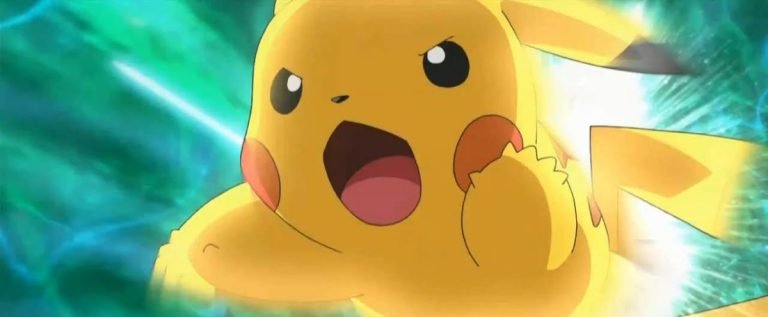
Is Pokémon Canon in DC? A Nerd’s Guide to the Crossover
The landscape of comic books and popular culture thrives on shared experiences and unexpected connections. For decades, fans have engaged in spirited debates, imagining dream crossovers and theorizing about the hidden depths of their favorite universes. Yet, few could have predicted a canonical bridge between the sprawling mythology of DC Comics and the vibrant, monster-filled world of Pokémon. This improbable union, far from a fleeting Easter egg, represents a calculated nod to contemporary pop culture, offering a fresh lens through which to view familiar heroes and their evolving narratives. It’s a move that speaks directly to the heart of `Nerd` culture, acknowledging the diverse interests that define modern fandom.
This fascinating development challenges long-held conventions about brand integration in fictional worlds. Traditionally, comic book publishers meticulously crafted their own parodies when referencing external intellectual properties, carefully avoiding direct mentions to maintain narrative independence and circumvent complex licensing issues. The decision by DC Comics to subtly break this long-standing tradition with Pokémon, first through an explicit creature name and then through a thematic parody, opens a new chapter in how these universes interact with the real world. It transforms casual references into genuine canonical anchors, inviting readers to consider the broader implications for the characters, the stories they inhabit, and the very fabric of the DC Multiverse. This article will meticulously unpack the origins of this crossover, its narrative impact, and what it signals for the future of comic book storytelling.
Understanding this crossover requires an appreciation for the subtle art of world-building and the powerful influence of fan engagement. When a detail, however minor, shifts the established reality of a fictional universe, it sends ripples through the entire narrative. For the dedicated `Nerd`, such revelations are not just trivial facts but integral components of the lore, capable of sparking renewed interest and deeper analysis. As we explore the specifics of Pokémon’s entry into DC continuity, we’ll examine how this choice enriches character arcs, particularly for the younger, more relatable Jon Kent, and reflects a broader industry trend of embracing a more interconnected, culturally aware approach to storytelling. This isn’t just about a creature or a game; it’s about the ever-expanding boundaries of imagination and the shared passion that unites diverse fandoms.
The Unexpected Crossover: How Pokémon Entered the DC Universe, a Treat for Every Nerd
Pokémon has officially become canonical within the DC Universe, first hinted at by a direct reference to a "Scrafty" in Batman: Bad Seeds, and later explicitly parodied in Superman Unlimited #18 with the "Poke-Mage" card game, much to the delight of `Nerd` fans worldwide.
The initial whisper of Pokémon’s existence in the DC Universe emerged not from a grand crossover event, but from a seemingly minor detail within the pages of Batman: Bad Seeds, part of the Streets of Gotham series. In a move that surprised many, the comic made an unequivocal mention of a creature named "Scrafty." For those immersed in the world of Pokémon, this was no generic monster; Scrafty is a distinct, identifiable Pokémon species. This direct, unambiguous naming convention stood in stark contrast to DC’s usual practice of creating thinly veiled parodies for external brands, immediately signaling a departure from their established editorial approach.
This particular detail carries immense weight because of DC Comics’ long-standing editorial policy regarding outside intellectual properties. Historically, the publisher has opted for fictionalized equivalents – think "Wackdonals" instead of McDonald’s, or "Amazing-Man" in place of Superman in certain contexts – to avoid entanglements with real-world brands. The explicit inclusion of a Pokémon’s name, however brief, fundamentally altered this dynamic, suggesting a deliberate intent to acknowledge the franchise’s existence within the DC Multiverse. It was a subtle, yet profound, shift that redefined the boundaries of what could be considered canonical for the discerning `Nerd` observer.
The impact of such a seemingly small detail cannot be overstated. In the meticulous world of comic book canon, every mention, every reference, contributes to the overarching tapestry of the universe. The presence of "Scrafty" wasn’t just an Easter egg; it was a foundational brick, confirming that the cultural phenomenon of Pokémon, in some form, existed within that fictional reality. This initial acknowledgement laid the groundwork, signaling to readers that DC was willing to engage with external pop culture in a more direct, surprising way, setting the stage for more explicit, albeit parodic, interactions down the line. It was a clear indication that the `Nerd` world, with its diverse interests, was being seen and acknowledged by one of comics’ biggest names.
The Subtle Beginning: A Scrafty in Gotham’s Streets
The appearance of a "Scrafty" within the narrative of Batman: Bad Seeds was more than a fleeting reference; it was a deliberate choice that echoed through the foundations of the DC Universe. This specific mention, rather than a generic monster or a disguised name, established a direct, albeit minor, link between the two iconic franchises. For dedicated fans, this moment provided definitive proof that the world of Pokémon, with its unique creatures and lore, had a tangible, canonical presence within the grittier, more complex landscape of Gotham City and beyond.
The power of this singular name lies in its specificity. Unlike vague allusions, "Scrafty" unequivocally points to the Pokémon franchise, leaving no room for interpretation. This level of directness from DC, a publisher known for its strict adherence to internal continuity and careful handling of external brands, was unprecedented for such a major pop culture phenomenon. It solidified the idea that, within the DC Multiverse, the concept of Pokémon, or at least one of its inhabitants, was a recognized entity, even if its broader context remained unexplored at that time. This nuanced approach allowed DC to dip its toes into the crossover waters without fully immersing itself in a complex narrative entanglement.
Jon Kent and the "Poke-Mage" Phenomenon: A Nerd’s Dream Come True
Superman’s son, Jon Kent (as the Man of Tomorrow), engages in a high-stakes "Poke-Mage" card game tournament in Superman Unlimited #18, leveraging his powers for an unfair advantage. This storyline blends superhero action with popular `Nerd` gaming culture, highlighting Jon’s character and the Royal Flush Gang’s foiled heist.
Building on the subtle canonical hint, Superman Unlimited #18 fully embraced the spirit of Pokémon, albeit through a clever parody. The issue features a card game called "Poke-Mage," a name that immediately signals its dual inspiration: Pokémon’s creature-collecting battles and the strategic depth of Magic: The Gathering. This in-universe game serves as a vibrant backdrop for a pivotal storyline involving Jon Kent, the son of Clark Kent and Lois Lane, who has embraced the mantle of the "Man of Tomorrow." It’s a brilliant blend of high-stakes superhero drama and the relatable, often competitive, world of tabletop gaming that resonates deeply with the `Nerd` community.
The narrative places Jon Kent squarely in the spotlight, allowing him to pursue more grounded, relatable interests beyond his cosmic duties. As the Man of Tomorrow, Jon is depicted indulging in childhood dreams, and his superhuman abilities naturally give him an unparalleled, often unfair, advantage in virtually any endeavor he undertakes – including card games. This unique twist positions Jon as an unexpected professional "Poke-Mage" player, propelling him to the finals of a major tournament held in a seemingly unassuming convention center. It’s a scenario that simultaneously highlights Jon’s immense power and his very human desires for accomplishment, even in seemingly mundane pursuits.
However, the tournament is far from a simple game. The grand prize, a staggering $2.5 million along with highly coveted limited edition cards, attracts more than just skilled players. Amidst the intense competition, a dramatic confrontation unfolds between Jon and his father, Superman, revealing deeper layers of their complex relationship. This personal dispute is abruptly interrupted by the nefarious Royal Flush Gang, who attempt to steal the tournament’s valuable assets. The clash of a high-stakes card game, family drama, and a classic supervillain heist creates a dynamic narrative that is both entertaining and emotionally resonant, capturing the multifaceted interests of the `Nerd` audience.
The High Stakes of a Card Game Tournament
The "Poke-Mage" tournament in Superman Unlimited #18 is no ordinary game night; it’s a meticulously crafted event with substantial rewards and consequences. The allure of a $2.5 million cash prize, coupled with exclusive, limited edition collectible cards, transforms the convention center into a battleground of strategy, skill, and ambition. This financial incentive not only elevates the perceived importance of the game within the DC Universe but also justifies the presence of professional players, including Jon Kent, who finds himself drawn into this high-stakes world.
Jon’s participation is particularly intriguing due to his inherent advantage: his Kryptonian powers. While seemingly trivial in a card game context, his abilities grant him unparalleled foresight, speed, and analytical skills, allowing him to master "Poke-Mage" with ease and ascend to professional status. This aspect cleverly explores the mundane applications of superpower, making Jon’s everyday life more relatable and, paradoxically, more extraordinary. His journey to the tournament final highlights both his incredible gifts and his desire to experience a semblance of normal life, even if his version of "normal" is winning championships with supernatural precision. This blend of the ordinary and the extraordinary perfectly captures the essence of what fascinates a `Nerd` readership.
More Than a Game: Jon Kent’s Personal Battles
Beyond the vibrant spectacle of the "Poke-Mage" tournament, Superman Unlimited #18 delves into the profound personal struggles of Jon Kent. A significant dramatic element revolves around Jon’s fervent desire to save the version of himself from Earth-3, a mission that Clark Kent, his father, deems impossible. This philosophical impasse between father and son transcends the immediate context of the card game, tapping into deeper themes of responsibility, sacrifice, and the limitations of even Kryptonian power. It underscores the emotional weight carried by both Supermen, making their argument during the tournament profoundly impactful.
This ongoing conflict is further complicated by Jon’s broader struggle with his family’s colossal legacy. The issue touches upon his decision to forge his own path, potentially breaking from the shadow of his iconic father. This internal and external battle for identity resonates with many young heroes in the DC Universe, but for Jon, it’s particularly acute given his unique heritage. The "Poke-Mage" storyline, therefore, cleverly uses the seemingly lighthearted backdrop of a card game to explore these heavy, character-defining themes, making Jon a more complex and humanized figure even as he wields immense power. This narrative depth provides significant value to the discerning `Nerd` seeking intricate character development.
The Broader Impact: Benefits and Limitations for DC Lore
The inclusion of Pokémon, even parodied, offers DC Comics a fresh way to connect with `Nerd` culture and explore character depth through relatable hobbies, though it carries the risk of trivializing serious characters or relying too heavily on external pop culture references.
Benefits of Pop Culture Integration in Comics
- Increased Character Relatability: By having characters engage with familiar real-world hobbies or brands, even parodied ones, Jon Kent becomes more accessible. This humanizes him, allowing readers to connect with his interests beyond his superheroics, fostering empathy and understanding for his struggles and joys.
- Attracting New Audiences: Crossovers or direct references to popular franchises like Pokémon can draw in readers who might not typically follow DC Comics. It acts as an entry point, leveraging established brand recognition to introduce new `Nerd` fans to the DC Universe and its rich tapestry of stories.
- Opportunities for Lighthearted Storytelling: Such references provide fertile ground for more playful, humorous narratives that offer a break from the often heavy and dramatic tones prevalent in superhero comics. The "Poke-Mage" tournament is a prime example, allowing for moments of levity and charm without undermining the characters’ core integrity.
- Nod to Contemporary Trends: The rising popularity of card games, as highlighted by the source material, demonstrates DC’s awareness of current cultural phenomena. By integrating these trends, DC stays relevant, signaling to its `Nerd` readership that it understands and acknowledges the broader world of pop culture that they inhabit.
Potential Limitations and Risks
- Risk of Character Trivialization: While lighthearted stories have their place, there’s always a risk that characters, especially those with immense gravitas like Superman’s son, could be reduced to mere caricatures or become a punchline. Maintaining the balance between approachability and inherent dignity is crucial to avoid undermining their heroic stature in the eyes of the `Nerd` fan.
- Reliance on External Intellectual Property: Incorporating or parodying outside brands, even when done skillfully, can create a dependence on external recognition. This might detract from the originality of DC’s own world-building efforts if not handled judiciously, potentially overshadowing unique DC concepts with references to other franchises.
- Dilution of Core Narrative Focus: While engaging, pop culture references, if overused or poorly integrated, can distract from the central plot or character development. The narrative must ensure that the crossover elements serve the story, rather than becoming the story’s sole focus, to maintain a compelling and coherent reading experience for the dedicated `Nerd`.
- Challenges in Maintaining Consistency: As universes expand and interact with external elements, ensuring consistent lore and canon becomes increasingly complex. Decisions made in one comic could unintentionally contradict established rules or tones in another, leading to continuity errors or a fractured sense of reality within the DC Multiverse.
Addressing Common Criticisms and Ensuring Good Practices
DC’s approach to integrating external pop culture elements, like Pokémon, involves a delicate balancing act between direct canonical nods and creative parodies. The initial mention of "Scrafty" was a rare direct instance, establishing a foundational connection without expanding too much on its implications. Conversely, the "Poke-Mage" card game is a brilliant example of parody, acknowledging the cultural phenomenon while creating an original in-universe equivalent. This dual strategy allows DC to tap into the popularity of other brands without compromising its own narrative integrity or navigating complex licensing agreements. The key is making such inclusions feel organic and meaningful, not just a forced marketing gimmick.
To avoid pitfalls such as character trivialization, DC typically ensures that such lighthearted or referential storylines still serve a larger purpose in character development or plot progression. For Jon Kent, playing "Poke-Mage" not only humanizes him but also creates a scenario for conflict, showcasing his powers in a unique way and intertwining with his personal struggles. This strategic integration ensures that fan service enhances, rather than detracts from, the core narrative. The consistent application of strong storytelling principles, even within seemingly frivolous contexts, safeguards the seriousness of the characters and maintains the high editorial standards expected by a discerning `Nerd` audience.
The Future of Crossovers: Trends and Opportunities for the Modern Nerd
The DC Universe’s subtle nod to Pokémon reflects a growing trend in comics to embrace cross-media references and tap into broader `Nerd` culture, presenting opportunities for innovative storytelling and character development, potentially paving the way for more unexpected canonical integrations.
The integration of Pokémon into the DC Universe, whether directly or through clever parody, is indicative of a broader evolutionary trend within the comic book industry. Modern narratives are increasingly aware of the interconnectedness of pop culture, recognizing that today’s `Nerd` fan consumes content across various platforms, from video games to movies, television, and, of course, comic books. This awareness drives publishers to create more resonant stories by reflecting the diverse interests of their audience. The days of strict, isolated fictional universes are slowly giving way to a more fluid, referential landscape where characters can acknowledge or even participate in elements from other popular media, making the narratives feel more vibrant and contemporary.
This trend is not merely about inserting Easter eggs; it’s about enriching the storytelling potential. By allowing for a shared cultural understanding between fictional characters and real-world phenomena, comics can explore new avenues of character development. For instance, Jon Kent’s participation in "Poke-Mage" offers a glimpse into his personal life and aspirations beyond his superhero duties, making him more relatable. Such intersections provide opportunities for unique plot devices, humorous situations, and dramatic tension that might not be possible within a completely insulated universe. It allows for a fresh perspective on what it means to be a hero in a world that mirrors our own in surprising ways, constantly captivating the modern `Nerd`.
Evolution of Cross-Media References in Comics
The comic book medium has always existed within a dynamic cultural landscape, constantly adapting to prevailing trends and technologies. Over the decades, references to real-world phenomena have evolved from subtle background details to more overt and intentional nods. This evolution reflects a growing comfort within the industry to acknowledge and even embrace the broader entertainment ecosystem. Contemporary comics recognize that their readership is deeply engaged with multiple forms of media, and integrating elements from popular games, movies, or music serves to create a more immersive and relatable experience. This approach validates the diverse passions of a `Nerd` audience, making them feel more connected to the narratives unfolding on the page.
This shift from isolated universes to a more interconnected narrative strategy is driven by both creative ambition and audience demand. Writers and artists find new inspiration in combining disparate elements, while readers appreciate the layers of meaning and recognition such references provide. The success of large cinematic universes, which expertly weave together various storylines and characters, has also influenced the comic book world, encouraging a more expansive view of what’s possible. The inclusion of Pokémon, even in a nuanced form, is a testament to this ongoing evolution, signaling a future where comic narratives are increasingly enriched by, and reflective of, the wider world of pop culture.
Anticipating Future Intersections and Fan Reactions
The subtle yet definitive inclusion of Pokémon in the DC Universe sets a fascinating precedent for future cross-media references. It opens up a realm of possibilities where other beloved franchises could, in theory, find their way into DC continuity, whether through direct mentions or clever parodies. This trend is likely to continue evolving, with publishers carefully testing the waters to gauge fan reactions. The `Nerd` community’s response is often a critical factor in determining how such experiments are pursued, with positive reception encouraging further exploration of these innovative storytelling avenues.
A notable upcoming event that might further explore these themes or introduce new perspectives on characters like Jon Kent is the anticipated release of "Superman: Homem do Amanhã," reportedly scheduled for July 9, 2027. While details remain scarce, its focus on the Man of Tomorrow could potentially delve deeper into Jon’s personal life, his challenges, and his interactions with the broader world, including his more "human" interests like card games. Such projects will be pivotal in shaping how DC balances its traditional heroic narratives with modern pop culture integration, continuously surprising and engaging its dedicated `Nerd` readership with fresh, relevant content.
Unpacking the Canonical Question: A Deep Dive for Every Curious Nerd
The canonicity of Pokémon in DC Comics is established through specific, albeit brief, mentions of its creatures and parodies of its card games within official storylines, asserting its existence within the DC multiverse in a nuanced way that sparks debate and excitement among `Nerd` communities.
The question of whether Pokémon is truly canonical within the DC Universe is a nuanced one, often sparking vibrant discussions among `Nerd` purists. Based on the evidence from Batman: Bad Seeds and Superman Unlimited #18, the answer is a resounding, though qualified, yes. The direct mention of a "Scrafty" unequivocally establishes the existence of at least one Pokémon species within DC continuity. This is not a simple background prop or a generic monster; it’s a specific, identifiable entity from another popular franchise, making its presence impactful. This direct reference acts as a canonical anchor, affirming that the world of Pokémon, in some form, co-exists with the superheroes of DC.
Furthermore, the "Poke-Mage" card game in Superman Unlimited #18, while a parody, serves to reinforce this canonicity by acknowledging the cultural phenomenon of Pokémon within the DC world. Characters like Jon Kent are aware of, and participate in, activities that are clear reflections of Pokémon’s real-world appeal. This dual approach—direct reference and cultural parody—creates a robust framework for its inclusion. It signifies that Pokémon is not just an outside entity but a recognizable, influential part of the cultural fabric for DC characters. This level of integration goes far beyond a casual Easter egg, offering a rich layer of meta-narrative that excites and intrigues every curious `Nerd` fan.
Comparing DC’s Approach to Parody and Direct Reference
| Feature | Direct Canonical Reference (e.g., Scrafty) | Parody Canonical Reference (e.g., Poke-Mage) |
|---|---|---|
| Impact on Universe | Establishes direct existence of the brand/concept. It implies that Pokémon creatures, or at least knowledge of them, are present in the DC world. | Acknowledges the cultural phenomenon while creating an in-universe equivalent. It suggests that Pokémon-like games are popular within the DC universe. |
| Narrative Flexibility | Limited; ties into external IP directly, potentially requiring careful navigation of external brand guidelines or fan expectations. | High; allows creative freedom within the DC lore to adapt, interpret, and integrate the cultural impact without directly using the IP. |
| Fan Reception | Often seen as a groundbreaking crossover, sparking excitement about potential larger interactions and multiverse connections. | Appreciated for humor, cleverness, and cultural relevance, often seen as a fun nod to the `Nerd` interests of the characters. |
| DC’s Typical Method | Rare, often reserved for significant, deliberate moments that challenge established norms or create profound connections. | More common, serves as a pragmatic way to reference real-world culture without licensing complexities, maintaining DC’s distinct identity. |
Frequently Asked Questions for the Discerning Nerd
Is Pokémon truly part of the official DC Universe canon?
Yes, Pokémon is officially part of the DC Universe canon, albeit in a nuanced way. This canonicity was first established through a direct, explicit mention of a Pokémon creature, "Scrafty," in Batman: Bad Seeds (Streets of Gotham). This single, identifiable reference confirmed the existence of Pokémon within the DC Multiverse. Further reinforcing this, Superman Unlimited #18 featured a parody card game called "Poke-Mage," which clearly draws inspiration from Pokémon and Magic: The Gathering. This indicates that Pokémon exists both as a specific entity (via Scrafty) and as a cultural phenomenon (via Poke-Mage) within the DC narrative, engaging a broad `Nerd` audience.
Which DC comic first hinted at Pokémon’s existence?
The first canonical hint of Pokémon’s existence within the DC Universe appeared in a short story from Batman: Bad Seeds, which was part of the broader Streets of Gotham series. In this particular comic, a specific Pokémon named "Scrafty" was mentioned by name. This direct reference was significant because DC Comics typically avoids explicitly naming external brands, preferring to create their own parodies. The mention of "Scrafty" therefore marked a notable departure from this editorial tradition, firmly establishing a connection that resonated with `Nerd` fans.
What is "Poke-Mage" and how does it relate to Pokémon?
"Poke-Mage" is an in-universe parody card game featured in Superman Unlimited #18. Its name is a clear blend of "Pokémon" and "Magic: The Gathering," indicating its dual inspiration. While not directly Pokémon, it functions as DC’s canonical equivalent to the popular trading card game phenomenon. It directly relates to Pokémon by acknowledging the cultural impact and widespread popularity of creature-collecting card games within the DC Universe, reinforcing the broader theme of Pokémon’s presence and influence, appealing directly to the gaming `Nerd` demographic.
Who is Jon Kent and why is he playing "Poke-Mage"?
Jon Kent is the son of Clark Kent (Superman) and Lois Lane, and currently operates as the "Man of Tomorrow." He is shown playing "Poke-Mage" in Superman Unlimited #18 as part of a storyline where he pursues childhood dreams and interests. Due to his Kryptonian powers, Jon possesses an unfair advantage in the game, becoming a professional player and reaching a high-stakes tournament final. His involvement serves to humanize his character, explore his personal desires, and provide a grounded context for his superhuman abilities, connecting with the human aspirations of every `Nerd` fan.
What’s the significance of DC using parodies instead of direct brands?
Historically, DC Comics uses parodies (like "Wackdonals") to reference real-world brands without infringing on intellectual property rights or dealing with complex licensing. This allows them creative freedom within their own universe. However, the direct mention of "Scrafty" marked a significant deviation, establishing a canonical link. The subsequent "Poke-Mage" parody in Superman Unlimited #18 demonstrates DC’s continued, nuanced approach: acknowledging external culture’s influence while largely maintaining its own distinct brand of storytelling, a practice appreciated by the astute `Nerd`.
Are there risks involved in DC incorporating external pop culture?
Yes, there are inherent risks when DC incorporates external pop culture. These include the potential for character trivialization, where a serious hero might be reduced to a mere joke or pop culture reference. There’s also the risk of over-reliance on external intellectual property, which could dilute DC’s unique narrative focus and world-building efforts. Additionally, maintaining narrative consistency across diverse stories and avoiding continuity errors becomes more challenging. Publishers must carefully balance fan service with narrative integrity to ensure such inclusions enhance, rather than detract from, the core DC experience for the discerning `Nerd`.
What other pop culture references have appeared in DC Comics?
DC Comics has a long history of weaving pop culture references into its narratives, though often through parodies or subtle allusions rather than direct names. Characters might reference fictionalized versions of real-world movies, music, or fast-food chains (like "Wackdonals"). More explicit nods often come in meta-commentary or storylines exploring the nature of fiction itself. The direct mention of "Scrafty" from Pokémon is notably distinct due to its specificity, marking a rare instance where an external brand’s name is canonically acknowledged, creating much discussion within the `Nerd` community.
How does this crossover impact Jon Kent’s character development?
The "Poke-Mage" storyline significantly impacts Jon Kent’s character development by humanizing him and showcasing his struggles beyond his superhero identity. Engaging in a competitive card game, despite his powers, allows readers to see him pursuing personal interests, making him more relatable. The dramatic argument with Clark Kent during the tournament, concerning saving his Earth-3 counterpart and breaking from his family’s legacy, uses the lighthearted setting to deepen his emotional complexity. This narrative choice effectively balances his immense power with his very human desires and conflicts, resonating with a `Nerd` audience that values profound character arcs.
Will this lead to a full-fledged DC/Pokémon crossover comic?
While the canonical inclusion of Pokémon within the DC Universe is a significant development, it is unlikely to lead directly to a full-fledged crossover comic in the traditional sense, such as Batman teaming up with Ash Ketchum. DC Comics typically prefers to incorporate external cultural phenomena through subtle references or parodies like "Poke-Mage," which acknowledges the brand’s existence and influence without creating direct narrative entanglements or licensing complexities. This approach allows DC to engage with broader `Nerd` culture while maintaining the distinct integrity of its own universe and avoiding potential pitfalls of explicit cross-franchise narratives.









Post Comment