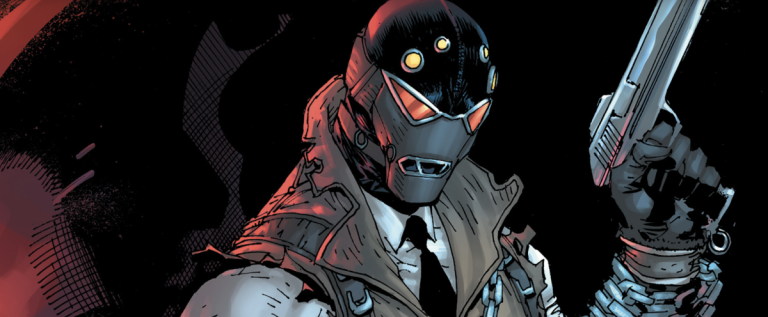
New Batman Villain Rhetoric: A Fan Creation Impacting Gotham
The Rise of Rhetoric: A New Era for Batman’s Rogues Gallery
The universe of Batman has always been defined by its complex and often psychologically rich villains. From the notorious Joker to the cunning Catwoman, these characters not only challenge Batman physically but also test his moral compass. Enter Rhetoric, a villain whose creation stems from a unique fan collaboration with DC Comics, promising to reshape the dynamic in Gotham. This innovative character not only expands the Batman mythos but also brings a fresh perspective on crime, justice, and the societal structures of Gotham City.
Origins of Rhetoric: The Fan Initiative
Earlier this year, DC Comics rolled out a collaborative initiative called “Building Bad” in partnership with LEGO Batman. This promotion invited fans to conceptualize a new villain for the famed detective series. The winning design would feature in Detective Comics #1113, marking a significant moment in fan engagement and creativity within the comic industry.
Sharif Robbins-Brinson emerged victorious from this competition, leading to the introduction of Rhetoric in Detective Comics #1113. His character not only embodies the exciting potential of fan creations but also serves as a nuanced commentary on Gotham’s systemic issues.
Rhetoric’s Intriguing Backstory and Motivation
Rhetoric, whose origins trace back to being a pawn of the Penguin, undergoes a transformative journey that unveils his latent meta-human abilities of telekinesis. Triggered either by physical trauma or torturous episodes at Arkham Asylum, Rhetoric’s evolution from henchman to villain challenges the traditional motivations often seen in comic book antagonists.
Unlike many villains who are driven purely by greed or a thirst for chaos, Rhetoric is fueled by a desire to dismantle the corrupt system that allows crime to flourish in Gotham. He believes Batman, despite his heroic façade, perpetuates this cycle of corruption, questioning the efficacy of the hero’s approach.
Unique Aesthetics and Symbolism
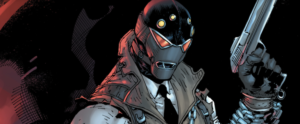
Visually, Rhetoric stands out with a striking costume crafted from the garb of inmates and guards from Arkham and Blackgate prisons. This attire serves as a potent symbol of the corruption and brutality present in Gotham’s penal system.
His weaponry—shifted from traditional criminal tools to handcuffs, chains, and a baton—further emphasizes his identity as a figure challenging the existing order rather than merely seeking power.
Benefits of Rhetoric’s Introduction in Batman Lore
- Moral Complexity: Rhetoric adds depth to Batman’s narrative, challenging readers to consider the implications of justice versus systemic corruption.
- Fan Engagement: This character exemplifies how fan creativity can directly influence mainstream comics, fostering a dynamic relationship between creators and the audience.
- Potential for Growth: Rhetoric’s character opens doors for varied story arcs, exploring themes such as redemption and societal critique.
Potential Limitations and Risks of Rhetoric
- Over-Saturation: The introduction of too many complex villains can dilute the impact of each character within Batman’s storied universe.
- Fan Expectations: As a fan-created character, meeting the high expectations from supporters may pose a narrative challenge.
- Complexity May Alienate New Readers: Characters with intricate backstories might be less accessible to those new to the Batman series.
Common Missteps in Engaging with New Villains
- Ignoring Character Development: Creating a compelling villain requires a balance between depth and accessibility.
- Overloading Backstory: Streamlining the character’s origins helps maintain reader engagement without overwhelming them.
- Neglecting Reactions of Established Characters: It’s crucial to show how existing characters adapt to new threats, maintaining continuity within the narrative.
Best Practices for Integrating Fan-Created Characters
- Seamless Integration: Ensure the new character aligns well with the established universe.
- Engage the Fanbase: Continually involve the fan community in the evolution of the character.
- Emphasize Themes: Use the character to explore broader themes relevant to contemporary society.
Future Trends in Comic Book Villain Creation
- Increased Collaboration: Expect more partnerships between comic publishers and fans, driving inclusive storytelling.
- Diversity of Perspectives: Future characters will reflect a broader array of backgrounds and narratives.
- Multi-Media Integration: Characters may extend beyond comics, appearing in video games, films, and more, allowing for deeper exploration of their backgrounds and motivations.
The Impact of Rhetoric: A New Chapter for the Nerd Community
This introduction of Rhetoric epitomizes a significant shift in how stories are crafted within the Batman lore. As fans eagerly await further developments, this villain promises to not only enhance Batman’s narrative but also inspire readers to critically engage with the themes of justice and corruption in Gotham City.
FAQ
- Who is Rhetoric?
Rhetoric is a new villain in the Batman universe, created through a fan collaboration with DC Comics, debuting in Detective Comics #1113. - What motivates Rhetoric?
Rhetoric is driven by a desire to dismantle the corrupt systems perpetuated by figures like Batman and the Penguin. - How does Rhetoric differ from traditional villains?
Unlike typical villains, Rhetoric’s motivations are deeply rooted in social critique rather than personal gain or chaos. - What does Rhetoric’s costume symbolize?
His costume symbolizes the corruption within Gotham’s justice system, crafted from prison uniforms. - What is the significance of fan-created characters in comics?
They foster engagement between readers and creators, enhancing the storytelling experience and reflecting diverse perspectives. - What future stories could involve Rhetoric?
Rhetoric opens new narrative pathways exploring themes of justice, morality, and societal critique in Gotham’s landscape.









Post Comment