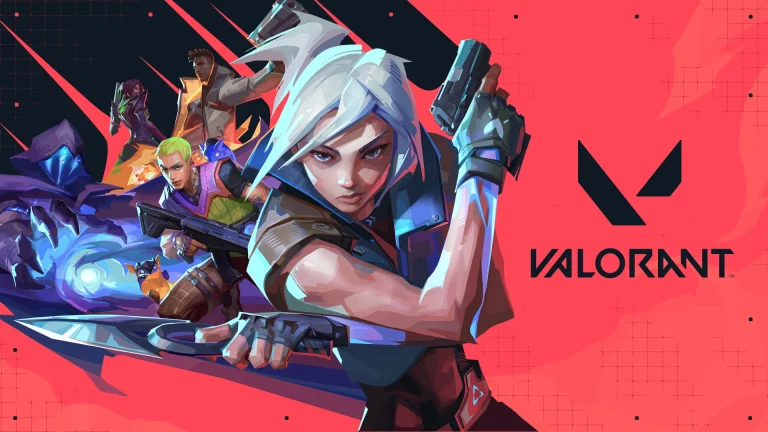
Riot Games Bans 300k Accounts for Ranked Manipulation in LoL and VALORANT
Nerd Culture and the Integrity of Competitive Gaming
In the ever-evolving landscape of competitive gaming, integrity and fairness are more crucial than ever. Recently, Riot Games took a significant step in maintaining this integrity by announcing bans on nearly 300,000 accounts across two of their flagship titles: League of Legends and VALORANT. This announcement has resonated strongly within the nerd culture and gaming communities, highlighting the ongoing battle against unfair practices that hamper the competitive spirit of these games.
Understanding the Bans: What Led to 300k Accounts Being Penalized?
According to Riot Games, a staggering total of 296,416 accounts were banned due to manipulative ranking practices. This crackdown stems from the operation of the Vanguard anti-cheat system, which has enhanced its capabilities over time to address rising instances of cheating. The bans encompass various forms of manipulative tactics including boosting, smurfing, and hitchhiking.
Boosting refers to one player using another player’s account to elevate their rank unfairly. Smurfing involves high-level players creating secondary accounts to dominate lower-ranked matches, while hitchhiking describes players joining matches with boosters to undeservedly gain rank through boosted games. All of these tactics are firmly classified by Riot as cheating, undermining the competitive integrity of both games.
How the Vanguard System Works
The Vanguard system has evolved to become a robust measure against cheating. Initially deployed in League of Legends, it monitors account rankings and identifies irregular patterns of rank inflations, especially when a player of higher rank logs into an account. Notably, it focuses on three primary targets: those who boost accounts, hitchhikers, and the accounts themselves that have been unfairly elevated in rank.
The Implications of the Ban
The implications of these bans are profound. Players caught manipulating their ranks face various consequences ranging from the revocation of rank boosts to permanent bans for the most egregious offenders. According to Philip Koskinas, Riot’s anti-cheat lead, this is just the beginning, and the Vanguard system aims to tighten its grip on the detection and punishment of cheating practices.
Statistics Behind the Ban Wave
Since its implementation, Vanguard has already removed over 105 million league points from League of Legends and approximately 33 million rank points from VALORANT accounts deemed to have engaged in fraudulent practices. Such statistics reveal the seriousness of the issue and the commitment of Riot Games to fostering a fair gaming community.
Common Misconceptions about Ranked Play
Many players harbor misconceptions about the use of alternate accounts in ranked play. Interestingly, only 9% of all ranked accounts are secondary accounts, and half of these are used for legitimate reasons rather than manipulative purposes. Denouncing all secondary accounts as ‘smurfing’ can overlook the diverse intentions behind player behavior in ranked matches.
Best Practices for Ranked Play
- Play consistently to improve your skills.
- Avoid using secondary accounts for boosting purposes.
- Report players engaging in suspicious behavior.
- Embrace the learning process; even losses contribute to growth.
- Participate in practice matches to enhance strategy without affecting rank.
Future Trends in Competitive Gaming Integrity
The measures taken by Riot Games signal an important trend toward stricter regulations in online gaming. As technology advances, such anti-cheat systems are likely to become more sophisticated, creating an evolving landscape where fair play becomes an essential cornerstone of the gaming environment.
The Need for a Culture of Fair Play
As communities around games like League of Legends and VALORANT continue to grow, fostering a culture of fairness becomes increasingly vital. The idea is to make gaming enjoyable and competitive for all players, which promotes healthy competition and a sense of accomplishment.
Why Nerds Should Care: Ranking Integrity in Gaming
The integrity of ranked play affects every gamer in these communities. Cheating undermines player efforts and the competitive structure that defines these games. As we navigate the future of gaming, the emphasis on fair rankings and legitimate competition should be a top priority for gamers and developers alike.
Frequently Asked Questions
1. What types of manipulation were banned?
Riot Games identified three main types of manipulation: boosting, smurfing, and hitchhiking. Each represents a serious violation of ranked integrity in League of Legends and VALORANT.
2. How does Vanguard detect cheating?
The Vanguard system detects irregular account behavior and monitoring point inflations, specifically focusing on accounts that have significantly benefited from higher-ranked players.
3. What consequences do offenders face?
Consequences can range from losing ranks to permanent bans for severe infractions. Riot is taking strict measures to ensure that competitive play remains fair.
4. Are alternate accounts always considered cheating?
No, alternate accounts are not inherently bad. Many players use them for legitimate purposes, though those used for boosting or smurfing fall under manipulation.
5. What is the percentage of smurf accounts in ranked play?
Approximately 9% of ranked accounts are secondary accounts, with half deemed as malicious. This indicates a significant portion is used appropriately.
6. What can I do to improve my rank legitimately?
Focus on practicing your skills, report any cheating behavior, and engage in matches to learn without pressure. Consistent practice is key to improving your rank.













Post Comment