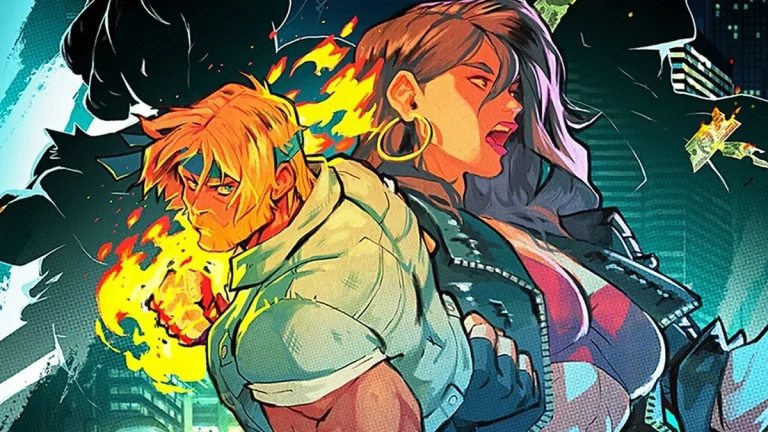
Sega Revives Classics: New Streets of Rage, Jet Set Radio Confirmed
For decades, Sega has held a revered, almost mythical status within the gaming landscape. Its legacy, built on a foundation of groundbreaking hardware and unforgettable software, continues to resonate deeply with generations of players. In an era increasingly defined by rapid innovation yet also by a profound appreciation for gaming history, the power of nostalgia is a potent force. Few companies understand this balance better than Sega, which has strategically pivoted to not just honor its past, but to actively build its future upon it. The recent confirmation from Sega Sammy Holdings regarding the ongoing development of new *Streets of Rage* and *Jet Set Radio* titles, alongside *Golden Axe*, marks a pivotal moment for both the company and its legion of dedicated fans. This isn’t merely a fleeting announcement; it’s a reaffirmation of a broader corporate strategy, carefully designed to revitalize beloved universes and expand their influence far beyond the traditional console experience.
This news, emerging from Sega Sammy’s latest official earnings report, serves as a crucial update for those who have patiently yearned for the return of these iconic franchises. It quells any lingering doubts about the status of projects previously hinted at, solidifying their place in the publisher’s development pipeline. For the fervent *Nerd* who grew up with the distinct sounds of Sega’s arcade hits and the vibrant visuals of its console masterpieces, this represents more than just new games; it symbolizes a renewed commitment to the very essence of what made Sega a titan in interactive entertainment. It’s a testament to the enduring appeal of these worlds, characters, and gameplay mechanics that continue to capture imaginations decades after their original debut. As we delve deeper, it becomes clear that Sega is not just dusting off old relics, but meticulously crafting new experiences that aim to honor their heritage while captivating a new generation.
The implications of this announcement extend beyond simply adding new entries to a library. It speaks to a carefully calculated risk-mitigation strategy in an increasingly competitive and costly video game development landscape. Creating entirely new, high-budget intellectual properties is fraught with financial uncertainty. By leaning into franchises with established lore and passionate fanbases, Sega significantly reduces this inherent risk, ensuring a built-in audience eager to engage. Furthermore, this revival effort is intertwined with an ambitious transmedia expansion, transforming these gaming icons into broader pop culture phenomena. From the streets of a reimagined Wood Oak City to the vibrant, graffiti-laden districts of Tokyo-to-be, Sega is preparing to unleash a wave of nostalgia and innovation, promising a rich future for its most cherished properties.
Sega’s Bold Revival: What It Means for the Dedicated Nerd
Sega Sammy Holdings recently electrified the gaming community by officially confirming the active development of new titles for its classic *Streets of Rage*, *Jet Set Radio*, and *Golden Axe* franchises. This significant update, delivered through the company’s latest earnings report, assures fans that these projects, initially announced earlier in the year, remain firmly on schedule. For the dedicated *Nerd*, this isn’t just news; it’s a validation of enduring passion and a promise of future experiences that tap into the rich tapestry of gaming history. The reaffirmation highlights Sega’s strategic direction to rejuvenate its most cherished intellectual properties, building on their established legacy.
This move isn’t unprecedented within Sega’s recent history, nor does it exist in a vacuum. The company has demonstrated a clear aptitude for reviving beloved series, most notably with the successful launch of *Shinobi: Art of Vengeance*, which breathed new life into the notoriously challenging ninja saga. Moreover, Sega has already staked a claim on the future with the announcement of a groundbreaking new *Crazy Taxi* game slated for 2027. These prior successes and future commitments underscore a clear corporate philosophy: to meticulously reintroduce classic brands, ensuring their relevance and appeal in the modern gaming landscape. The confirmation of *Streets of Rage*, *Jet Set Radio*, and *Golden Axe* simply solidifies this ongoing revitalization effort, building considerable anticipation.
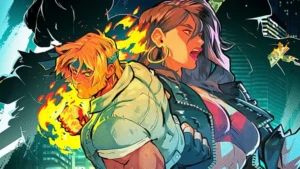
The waiting game for a new *Jet Set Radio* title, in particular, has been exceptionally long, fostering a colossal wave of anticipation. The last original entry in the distinctive, rollerblading, electronic music, and graffiti-centric series was *Jet Set Radio Future*, released exclusively for the original Xbox console decades ago. Its vibrant art style and unique gameplay left an indelible mark, making its prolonged absence acutely felt. Conversely, the venerable beat ’em up franchise, *Streets of Rage*, experienced a high-quality resurgence with the critically acclaimed *Streets of Rage 4* in 2020. This modern iteration proved conclusively that the side-scrolling brawler genre retains significant commercial viability and creative potential, setting a high bar for future revivals.
The medieval fantasy world of *Golden Axe*, however, has endured an even more protracted and challenging hiatus. The last major installment, the divisive *Beast Rider*, hit the market in 2008, failing to capture the magic of its arcade predecessors. Consequently, fans are not merely hoping for a new game but actively yearning for a comprehensive re-imagining that faithfully honors the impactful arcade battles and the gritty, fantastical essence of the series. The current development status suggests Sega is taking these long-dormant properties seriously, aiming for a quality that resonates with both veteran players and new audiences.
Sega is investing heavily in its beloved classic franchises like *Streets of Rage*, *Jet Set Radio*, and *Golden Axe* by confirming new game development, as revealed in its latest earnings report. This strategic move aims to rekindle nostalgia and expand these iconic IPs, signaling a strong commitment to their dedicated *Nerd* fanbase and ensuring these projects remain on the publisher’s calendar.
The Resurgence of Iconic Franchises: A Gamer’s Perspective
The journey of video game franchises often spans decades, marked by peaks of innovation and sometimes by periods of dormancy. For *Jet Set Radio*, the confirmation of a new game is nothing short of monumental. Its unique blend of urban art, infectious music, and fluid traversal mechanics carved out a distinct niche, leaving players craving more for far too long. The series’ distinctive cel-shaded aesthetic and rebellious spirit remain incredibly influential, proving that truly innovative experiences can transcend generations. The challenge for Sega will be to capture that singular essence while adapting it for contemporary platforms and player expectations.
In contrast, the recent success of *Streets of Rage 4* offers a compelling blueprint for how to execute a modern revival. Developed by Dotemu, Lizardcube, and Guard Crush Games, this title masterfully balanced classic beat ’em up mechanics with refined controls, stunning hand-drawn visuals, and a fresh soundtrack that paid homage to its roots. Its critical and commercial triumph demonstrated that there is a significant appetite for meticulously crafted sequels to beloved genres, provided they respect the source material while introducing meaningful advancements. This serves as a vital case study for Sega as it approaches its other dormant IPs, highlighting the importance of deep understanding and passionate development.
The fate of *Golden Axe* presents a different, arguably more complex, revival challenge. Following the mixed reception of *Beast Rider*, the series has been in a prolonged creative limbo. The original *Golden Axe* games were pioneers in the fantasy beat ’em up genre, celebrated for their impactful combat, iconic characters, and the ability to ride fantastical creatures. A successful modern iteration would necessitate not only a visual overhaul but also a deep re-evaluation of its core mechanics, ensuring they feel fresh and engaging without sacrificing the brutal, yet satisfying, simplicity that defined the arcade originals. The stakes are particularly high for *Golden Axe* to reclaim its former glory and satisfy a fanbase that has waited patiently for a return to form.
Beyond Consoles: Sega’s Transmedia Vision and Its Impact on the Nerd Community
Sega’s ambitious corporate strategy extends far beyond the traditional console experience, encompassing a significant investment in adapting its powerful intellectual properties for other entertainment mediums. This transmedia approach recognizes that modern franchises thrive when they can engage audiences across diverse platforms, transforming beloved game worlds into expansive narrative universes. The most prominent and lucrative example of this success is undoubtedly the *Sonic the Hedgehog* franchise, which has achieved unprecedented box office dominance. With a fourth *Sonic* film reportedly scheduled for an early 2027 release, the blue blur has effectively demonstrated the immense potential of translating game narratives to the big screen, captivating both existing fans and a brand-new global audience.
Following this successful blueprint of cross-platform expansion, Sega has experimented with other adaptations, though with varying degrees of success. A recent animated comedy series based on *Golden Axe* was launched on streaming platforms, representing an attempt to broaden the franchise’s appeal. However, the reception from audiences and critics alike was notably mixed. Many viewers voiced strong criticisms regarding the show’s perceived overreliance on ironic humor, arguing that it departed too significantly from the originally serious and brutal tone of the game’s medieval fantasy universe. This instance provides a crucial learning experience for Sega, highlighting the delicate balance required when adapting cherished IPs and the importance of maintaining fidelity to their core spirit, even when exploring new creative avenues.
The company’s commitment to visual media doesn’t stop there. An animated *Streets of Rage* film is currently in its pre-production phase, a project officially listed in the financial report. This strategic choice for animation over live-action offers distinct advantages, particularly for a franchise renowned for its dynamic, over-the-top combat and vibrant 90s aesthetic. Animation can ensure incredible fight choreography, visually faithful character designs, and an overall style that directly evokes the glory days of the original games, allowing for creative freedom that might be constrained by live-action realism. Such adaptations significantly expand the commercial reach of these classic brands, introducing the immersive universes of these games to an entirely new demographic in cinemas and on streaming services, thereby cultivating a new generation of *Nerd* culture enthusiasts.
Beyond new games, Sega is strategically expanding its classic IPs into films and streaming, leveraging the success of the *Sonic the Hedgehog* franchise. This transmedia approach, which includes an animated *Streets of Rage* film and a *Golden Axe* comedy series (despite mixed reception), aims to transform beloved game universes into broader pop culture phenomena, attracting new audiences alongside the existing *Nerd* community.
Navigating the Nostalgia Wave: Challenges and Opportunities for Developers
The decision to revive classic franchises, while strategically sound from a business perspective, presents a unique set of technical and creative challenges for developers. Games from the 1990s, particularly arcade titles, often featured a notoriously steep difficulty curve, intentionally designed to encourage coin consumption. Adapting this punishing, albeit rewarding, gameplay for the expectations of modern players—who often anticipate more accessible progression and diversified mechanics—requires immense creativity and careful balancing. Developers must innovate without alienating the core mechanics that defined the originals, ensuring the new experience feels both fresh and familiar.
Despite these complexities, the benefits of this revival strategy are substantial. By focusing on established names, Sega taps into an existing, passionate fanbase, significantly reducing the financial risk associated with launching entirely new intellectual properties. This approach provides a built-in audience eager to reconnect with beloved characters and worlds, ensuring a higher likelihood of commercial success. Furthermore, the strong emphasis on transmedia expansion offers unprecedented opportunities. It allows Sega to transform its venerable mascots from mere video game characters into bona fide icons of contemporary pop culture, reaching audiences who might never have picked up a controller but will flock to cinemas or streaming platforms.
The current industry trend clearly leans into the power of nostalgia, with countless remasters, remakes, and spiritual successors flooding the market. Sega’s deep dive into its own extensive catalog positions it at the forefront of this movement. For fans, this is overwhelmingly positive and immensely rewarding. Witnessing beloved universes receive generous budgets, modern polish, and new narrative expansions is often the realization of long-held dreams. It not only keeps these properties relevant but introduces them to a younger generation, ensuring their legacy endures and expands.
| Franchise | Last Major Game Release | Current Game Development Status | Transmedia Projects (Confirmed) |
|---|---|---|---|
| Streets of Rage | Streets of Rage 4 (2020) | New title in development | Animated film in pre-production |
| Jet Set Radio | Jet Set Radio Future (2002) | New title in development | None confirmed |
| Golden Axe | Golden Axe: Beast Rider (2008) | New title in development | Comedy series released (mixed reception) |
| Crazy Taxi | Crazy Taxi: Fare Wars (2007) | New title planned for 2027 | None confirmed |
| Shinobi | Shinobi: Art of Vengeance (2023) | Recently released | None confirmed |
Common Pitfalls in Reviving Classics and How Sega Aims to Avoid Them
Reviving a beloved classic is a delicate art, fraught with potential pitfalls. One of the most common errors is to stray too far from the original’s core identity, risking the alienation of long-time fans while struggling to attract a new audience. The *Golden Axe* comedy series, despite its intentions, serves as a poignant example of this challenge. Its highly ironic humor was a stark departure from the grim, heroic fantasy tone of the original games, resulting in a mixed reception that underscored the importance of tonal fidelity. For Sega’s new game projects, understanding and preserving the emotional core of each franchise will be paramount.
Another significant challenge lies in modernizing gameplay mechanics without sacrificing what made the originals compelling. Simply updating graphics while retaining outdated systems can lead to a hollow experience. The best practices involve carefully analyzing the foundational elements—be it the rhythmic combat of *Streets of Rage*, the fluid traversal of *Jet Set Radio*, or the impactful spells of *Golden Axe*—and enhancing them with contemporary design principles. This means refining controls, expanding move sets, and integrating quality-of-life improvements that align with modern player expectations, all while ensuring the game still ‘feels’ like its classic predecessor. The success of *Streets of Rage 4* is a shining example of this careful balance.
Sega’s current strategy appears to be a calculated effort to learn from both its successes and its missteps. By maintaining active development on the game front while simultaneously exploring diverse transmedia avenues, they are diversifying their risk. The animated *Streets of Rage* film, for instance, suggests a deeper understanding of how to translate a game’s visual style and action to another medium in a faithful way. The goal is not just to churn out new content, but to curate experiences that resonate authentically with the unique spirit of each franchise, ensuring that every revival is a meaningful contribution rather than a mere cash grab.
Sega’s Continued Vision for the Dedicated Nerd
The recent confirmations from Sega regarding new *Streets of Rage*, *Jet Set Radio*, and *Golden Axe* games, alongside its robust transmedia strategy, paints a clear picture of a company deeply invested in its legacy and future. This multi-pronged approach not only offers immense excitement for the dedicated *Nerd* who cherishes these classic franchises but also demonstrates a pragmatic business model for navigating the complexities of the modern entertainment industry. By meticulously balancing nostalgia with innovation, Sega is not merely reviving old memories; it is actively constructing new ones, ensuring its beloved IPs continue to thrive and evolve for generations to come. The emphasis on high-quality game development coupled with strategic adaptations positions Sega as a key player in the ongoing cultural conversation about retro gaming and its enduring appeal.
FAQ: Answers for the Curious Nerd
-
Which Sega franchises are confirmed to be getting new games?
Sega has officially confirmed the ongoing development of new titles for *Streets of Rage*, *Jet Set Radio*, and *Golden Axe*. These projects were reaffirmed in the company’s latest official earnings report, signaling a clear commitment to these beloved, long-standing franchises. This news follows earlier hints and announcements, now solidified as firm entries in Sega’s development pipeline. Additionally, a new *Crazy Taxi* game is planned for 2027, and *Shinobi: Art of Vengeance* recently launched successfully, indicating a broader trend of revitalization. -
What is the significance of Sega confirming these titles now?
The confirmation, stemming from Sega Sammy’s official earnings report, holds significant weight as it assures investors and fans alike that these projects are not speculative but are actively in development and remain on the publisher’s calendar. In an industry where game announcements can sometimes face delays or cancellations, this definitive statement reinforces Sega’s strategic direction to leverage its classic intellectual properties. It also comes at a time when the company is expanding its transmedia efforts, showing a holistic vision for its brands. -
How long has it been since a new *Jet Set Radio* game?
The *Jet Set Radio* franchise has experienced a particularly lengthy hiatus. The last major new release for the series was *Jet Set Radio Future*, which debuted exclusively for the original Xbox console in 2002. This means that fans have been waiting for a new original installment for over two decades, contributing to the immense anticipation surrounding the recently confirmed development. The series’ unique aesthetic and gameplay have maintained a cult following throughout this period. -
What was the reception to *Streets of Rage 4*?
*Streets of Rage 4*, released in 2020, received widespread critical acclaim and was a significant commercial success. It was lauded for faithfully preserving the classic beat ’em up gameplay while introducing modern graphics, refined controls, and an updated soundtrack. Critics and fans praised its ability to blend nostalgic elements with contemporary design, proving that the genre still holds strong appeal. Its success likely serves as a crucial benchmark and source of inspiration for Sega’s current revival projects. -
Is Sega planning other adaptations beyond games for these franchises?
Yes, Sega is actively pursuing transmedia adaptations for its intellectual properties. Building on the immense success of the *Sonic the Hedgehog* film franchise, an animated *Streets of Rage* film is currently in pre-production. Additionally, a comedy series based on *Golden Axe* was recently released on streaming, though its reception was mixed due to tonal shifts. These efforts signify Sega’s broader strategy to expand its game universes into new forms of entertainment, reaching wider audiences. -
Why is Sega focusing on reviving old IPs instead of new ones?
Sega’s focus on reviving established IPs is a strategic response to the current challenges in the high-budget video game market. Developing entirely new, large-scale intellectual properties carries substantial financial risk and requires significant marketing investment to build an audience from scratch. By revitalizing brands like *Streets of Rage* and *Jet Set Radio*, Sega can tap into an existing, passionate fanbase, reducing financial risk and ensuring a built-in audience eager for new content. This approach leverages proven appeal and brand recognition. -
What challenges do developers face when modernizing classic games?
Developers face several challenges when modernizing classic games. One key hurdle is balancing nostalgic appeal with contemporary gameplay expectations. Older games, especially arcade titles, often had punishing difficulty curves designed for coin-op machines, which need careful adaptation for modern players who expect more nuanced progression. Additionally, updating visuals, refining controls, and expanding lore without betraying the original spirit of the franchise requires creative ingenuity to satisfy both veteran fans and new audiences. -
What impact will transmedia expansion have on these franchises?
Transmedia expansion, such as films and streaming series, is set to have a profound impact on these franchises by significantly broadening their commercial reach and cultural relevance. It introduces beloved game universes to new audiences who may not be traditional gamers, transforming gaming characters into wider pop culture icons. This strategy helps to solidify brand recognition, generates new revenue streams, and can even create a virtuous cycle where new films or shows drive renewed interest in the games, perpetuating the franchise’s longevity and appeal.
As the digital landscape continues to evolve, Sega’s latest announcements serve as a powerful testament to the enduring appeal of its classic properties. The confirmation of new *Streets of Rage* and *Jet Set Radio* titles, along with *Golden Axe*, is more than just a nod to nostalgia; it’s a strategic declaration of intent to weave these iconic universes into the fabric of modern entertainment. For the dedicated *Nerd* and the broader gaming community, this means an exciting future where cherished memories are not just revisited, but dynamically re-imagined and expanded. Sega is meticulously crafting a future where its past glories shine brighter than ever, promising rich, immersive experiences across multiple platforms and solidifying its position as a cultural touchstone in gaming.









Post Comment