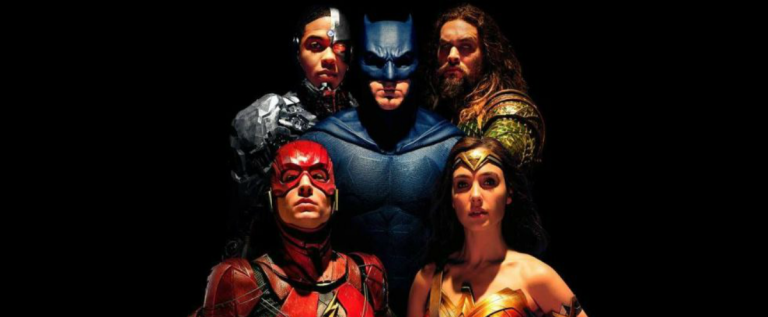
Zack Snyder Did Not Watch Joss Whedon’s Justice League Version
Introduction to the Divide
The debate surrounding Zack Snyder and his cinematic vision for the DC Universe is far from straightforward. Renowned for his distinct style and storytelling, Snyder’s journey has been intertwined with significant ups and downs, especially following his departure from the Justice League project during its production. His work, including iconic titles like 300 and Watchmen, set a high standard that polarized audiences and critics alike.
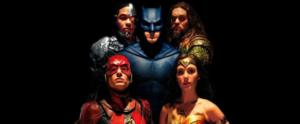
With the transition of Justice League from Snyder to Joss Whedon, a new narrative emerged—one that has since sparked intense discussions among fans. Given the passion in the nerd community, Snyder’s decision never to view Whedon’s version raises questions and provides deeper insights into the impact of creative differences in film-making.
Nerd Perspectives: Snyder’s Relationship with the Justice League
During an interview with Variety, Snyder revealed something unexpected. He stated, “I have never seen it.” This admission underlines the emotional turmoil he experienced not only from losing a film that was essential to him but also from the profound personal loss he suffered during its original production phase.
As Snyder continues to navigate his career post-Justice League, understanding his perspective offers valuable insights into how creators perceive their art. Many fans of the nerd culture appreciate the complexity of Snyder’s approach and how it contrasts sharply with Whedon’s reimagining of the film.
The Impact of Whedon’s Version
Whedon took over Justice League after Snyder stepped back, leading to a major restructuring of the storyline. This shift resulted in a film that some fans likened to a DC clone of The Avengers, ultimately straying from Snyder’s darker, more serious tone. Snyder’s reluctance to view this alternate interpretation stems from a deep-seated acknowledgment of how drastically it diverged from his original vision.
Snyder’s wife, Deborah, who viewed Whedon’s version, advised him against watching it, emphasizing the stark contrast between the two narratives. This advisory reflects the emotional weight Snyder associates with the project, further complicating the conversation around artistic integrity.
Comparison of the Two Versions
| Aspect | Zack Snyder’s Version | Joss Whedon’s Version |
|---|---|---|
| Tone | Dark and serious | Light and comedic |
| Character Depth | In-depth exploration | Surface-level portrayal |
| Running Time | 4 hours | 2 hours |
| Critical Reception | Highly praised by fans | Mixed reviews |
Benefits and Limitations of Snyder’s Approach
Snyder’s commitment to his vision brings numerous benefits, particularly in creating a cohesive narrative. His films often incorporate rich themes and character development that resonate deeply with fans. However, this approach also comes with limitations, namely the potential alienation of mainstream audiences who may prefer lighter narratives.
Common Mistakes in Understanding the Debate
- Assuming all fans side with Snyder or Whedon.
- Ignoring the emotional context behind Snyder’s refusal to watch Whedon’s version.
- Overlooking the implications of studio influence on a film’s direction.
Best Practices for Engaging in the Debate
- Maintain an open mind regarding differing opinions.
- Recognize the personal stakes involved for creators.
- Focus on the craftsmanship within each version.
Future Trends in DC Universe Films
As the DCEU evolves, it’s crucial to analyze how the fallout from Justice League will influence future projects. The varying styles of directors and their distinct approaches to storytelling will likely continue to shape fan expectations and cinematic outcomes.
The Takeaway for Nerd Culture
Zack Snyder’s decision to avoid viewing Joss Whedon’s version of Justice League speaks volumes about the intricate relationship between a filmmaker and their creation. For fans of nerd culture, this reflects broader themes of artistic integrity and personal connection in film. Engaging with these stories can deepen the appreciation for the complexities of franchise filmmaking.
Frequently Asked Questions
1. Why did Zack Snyder leave Justice League?
Snyder departed from Justice League during production due to personal tragedy, allowing Joss Whedon to take over the project.
2. What are the main differences between the two versions of Justice League?
The most notable differences include tone, character depth, and even running time, with Snyder’s version being significantly longer and darker.
3. How has fan reaction influenced the DC Universe?
Fan preferences have heavily influenced studios, evidenced by the eventual release of Snyder’s cut, showing that audience feedback can lead to significant changes.
4. What can we learn from Snyder’s approach to filmmaking?
Snyder emphasizes the importance of maintaining a creative vision, even when faced with external pressures from studios and audiences.
5. Why is Snyder’s version more favored by fans?
Many fans appreciate Snyder’s storytelling style, character development, and thematic depth, which differ vastly from Whedon’s lighter adaptation.
6. What are the key themes in Snyder’s works?
Themes of sacrifice, loss, and heroism often feature prominently, resonating well with audiences who enjoy deeper narratives.







Post Comment