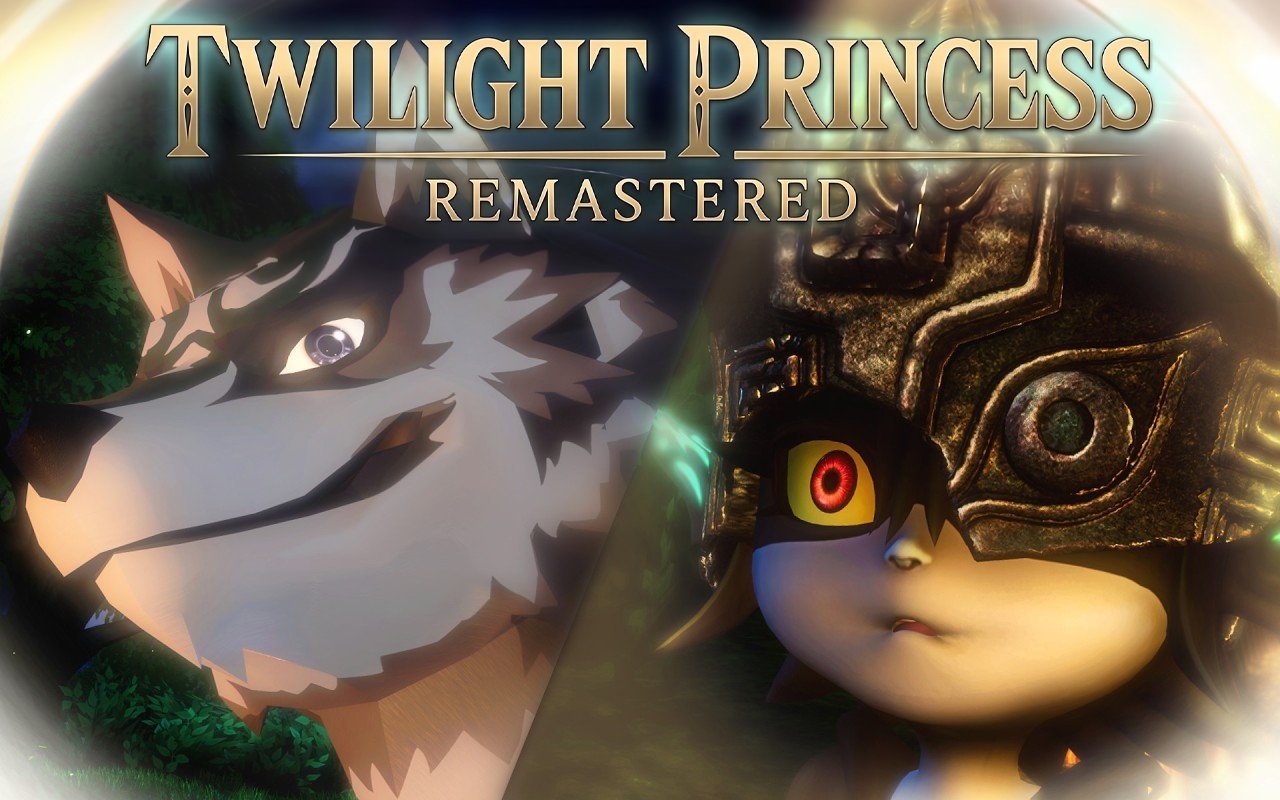
Fan Remaster: Zelda Twilight Princess’s “Dusklight HD” Redefines Games
The world of games, particularly the revered realm of The Legend of Zelda, often inspires a level of passion and dedication among its fans that transcends mere play. For decades, players have not just consumed these digital adventures but have actively contributed to their legacy, creating lore, art, and even entire re-imaginings of their favorite titles. This vibrant ecosystem of fan-driven content often serves as a testament to the timeless appeal of certain franchises, pushing boundaries and fulfilling desires that official releases might not always address.
Among the pantheon of Zelda titles, The Legend of Zelda: Twilight Princess holds a unique place in the hearts of many. Originally launched in 2006 for the GameCube and Wii, its darker narrative, intricate dungeons, and the compelling dynamic between Link and Midna carved out a distinct identity. Despite receiving an official HD remaster for the Wii U, the yearning for an even more definitive, visually stunning version has lingered within the community, fueled by advancements in graphics technology and the relentless pursuit of perfection by enthusiasts.
It is within this fertile ground of nostalgia and innovation that extraordinary projects often emerge. While major studios like Nintendo meticulously plan future iterations and remakes—such as the rumored The Legend of Zelda: Ocarina of Time remake for the anticipated Nintendo Switch 2—individual creators often embark on their own quests. These solo expeditions into game development are frequently labors of love, undertaken with limited resources but boundless determination, aiming to breathe new life into classic experiences and share their unique vision with a global audience.
Such is the story of “Dusklight HD,” a remarkable fan-made remaster of The Legend of Zelda: Twilight Princess that has captivated the gaming world. Developed entirely by one person, known by the online handle TIREDnONFIRE, this project is not merely an upscale but a comprehensive overhaul. It stands as a shining example of how personal passion, combined with exceptional technical skill, can redefine the visual landscape of beloved games, offering players a fresh perspective on a cherished adventure and demonstrating the incredible potential residing within the dedicated fan community.
The Phenomenon of Fan-Made Remasters in Modern Games
Fan-made remasters are unofficial, community-driven projects that enhance classic games with updated graphics, improved performance, and new features, often filling gaps left by official developers and showcasing the enduring passion of players for beloved titles.
The concept of fan-made remasters is deeply rooted in the gaming community’s desire to preserve and revitalize classic experiences. When official developers move on to new projects or decide against updating older titles, fans with technical skills often step in. These endeavors range from simple texture packs to complete overhauls, driven by a deep affection for the source material and a keen understanding of modern graphical capabilities. They represent a significant form of community engagement, demonstrating how players can become creators, actively shaping the longevity and aesthetic evolution of their favorite games.
Historically, fan projects have played a crucial role in keeping older titles relevant, often preceding or even inspiring official remasters. From graphical enhancements that leverage more powerful hardware to entirely new gameplay modes, these community efforts highlight the immense talent residing outside traditional studio structures. They also underscore a fundamental truth about gaming: a passionate fanbase often possesses the expertise and dedication to evolve the experience, ensuring that iconic games continue to captivate new generations of players with contemporary visual fidelity.
The motivation behind such projects is multifaceted. For many, it’s about personal challenge and artistic expression, a way to deepen their connection with a game that holds sentimental value. For others, it’s a collaborative effort to deliver what they believe the game truly deserves in the modern era. Regardless of the specific impetus, these projects collectively enrich the gaming landscape, offering alternative visions and expanded functionalities that might never see the light of day through official channels.
Why The Legend of Zelda: Twilight Princess Remains a Cult Classic
The Legend of Zelda: Twilight Princess, released during a pivotal transitional period for Nintendo, captivated audiences with its mature narrative, darker aesthetic, and the innovative wolf mechanic. It presented a Hyrule shrouded in an encroaching twilight, offering a stark contrast to previous, more whimsical entries in the series.
This particular installment resonated deeply with a segment of the fanbase yearning for a more gritty and emotionally complex Zelda story. The character of Midna, Link’s impish companion, proved to be one of the most compelling and nuanced allies in the franchise’s history, her journey intertwined with Link’s in a way that left a lasting impact. The demand for a superior visual experience for Twilight Princess, even after its official Wii U HD release, stems from this profound attachment and the belief that its artistic direction and narrative depth truly shine when rendered with cutting-edge graphical fidelity.
Dusklight HD: A Solo Creator’s Vision for Classic Games
Dusklight HD is a remarkable fan-made remaster of The Legend of Zelda: Twilight Princess, painstakingly recreated by a single developer, TIREDnONFIRE, to deliver significantly enhanced 4K visuals and optimized performance for a new generation of players of classic games.
At the heart of “Dusklight HD” is the incredible dedication of one individual: TIREDnONFIRE. This creator, who chose to announce the project’s launch on their birthday, October 28, 2026, embarked on a monumental task to rebuild The Legend of Zelda: Twilight Princess from the ground up. Their claim of having “remade Twilight Princess by hand” signifies a meticulous process that goes far beyond simple AI upscaling, emphasizing a deep understanding and personal touch applied to every visual element within the game’s world.
The scope of this undertaking is truly impressive. TIREDnONFIRE specifically detailed the recreation of original textures, which typically had a resolution of 128×128. Through their efforts, these textures have seen an astonishing increase in detail and clarity, achieving an enhancement of up to 1,200%. This level of improvement is not merely about making the game look sharper; it’s about allowing the original art direction to be appreciated in an entirely new light, revealing nuances and intricacies that were previously obscured by technological limitations. The project was also optimized for stunning 4K resolution, pushing the visual boundaries for a game originally designed for much lower fidelity displays.
This solo endeavor challenges the conventional wisdom that such large-scale graphical overhauls require entire teams. It speaks volumes about the passion, skill, and sheer perseverance of individual modders within the gaming community. Dusklight HD is not just a technical achievement; it’s a testament to the personal journey of a creator striving to realize an ultimate vision for one of their most cherished games.
Unprecedented Technical Feats and Optimization
Beyond the raw visual improvements, Dusklight HD demonstrates exceptional technical prowess in optimization. TIREDnONFIRE managed to compress a substantial 8 to 10 gigabytes of original texture data into an incredibly lean 1.5-gigabyte file. This compression is not just a convenience for download; it’s a critical factor in the project’s accessibility and performance.
This remarkable optimization allows “Dusklight HD” to run with ample detail on platforms as resource-constrained as the Nintendo Switch. While the method of execution on Switch typically involves homebrew or emulator environments, the fact that a fan-made remaster can achieve such compatibility and visual quality on a portable console is groundbreaking. It highlights an understanding of hardware limitations and a commitment to ensuring a broad audience can experience the revitalized games. This achievement, culminating after “months of work,” underscores the depth of expertise applied, transforming a passion project into a technically refined and widely accessible experience.
The Broader Impact and Ethical Considerations for Games Remasters
Fan remasters like Dusklight HD raise questions about intellectual property, copyright, and the delicate balance between community creativity and official developer rights, often sparking debates within the gaming industry regarding game preservation and accessibility for classic games.
The emergence of high-quality fan remasters like “Dusklight HD” brings with it a complex interplay of benefits and challenges for the broader gaming ecosystem. On the one hand, these projects serve as invaluable acts of game preservation, ensuring that classic titles remain relevant and accessible to new generations of players who might be put off by outdated visuals. They showcase the immense potential of what existing games could look like with modern technology, often pushing official developers to consider their own remastering strategies or even to acquire fan talent.
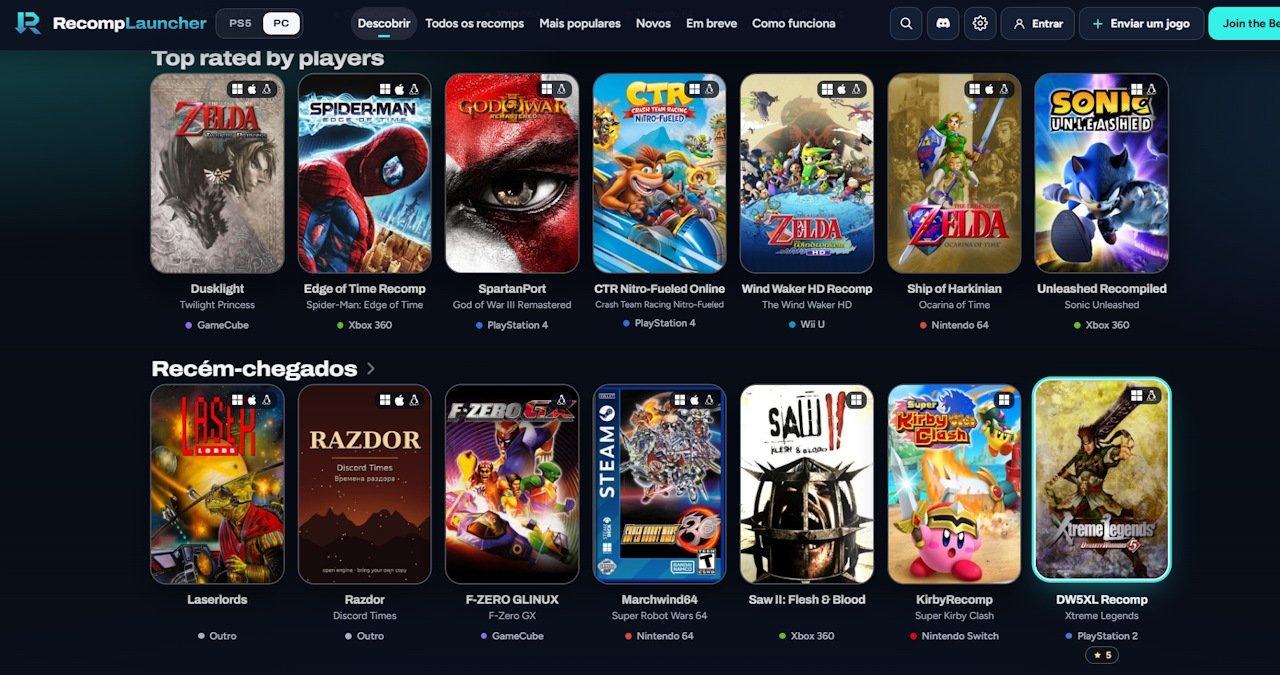
However, the ethical and legal landscape surrounding fan projects is often fraught with peril. Issues of intellectual property and copyright are paramount; companies like Nintendo are notoriously protective of their franchises. While projects that distribute only modified textures or shaders, rather than core game files, often operate in a grey area, direct distribution of full game assets—even if enhanced—can lead to cease and desist orders. The mention of ‘RecompLauncher’ as a platform that helps find recompilation projects *without providing game files* underscores the community’s awareness of these sensitivities, aiming to facilitate access while circumventing legal issues.
Common Mistakes and Best Practices in Fan-Made Games
Fan projects, despite their good intentions, can sometimes falter. Common mistakes include over-ambition leading to incomplete or unpolished releases, failing to respect the original game’s artistic vision, or directly infringing on copyrighted material by distributing modified full game files. Some projects may also fall short on optimization, creating beautiful but unplayable experiences.
To navigate these challenges, best practices for fan creators emphasize several key points. Firstly, focusing on specific, achievable enhancements rather than attempting a complete remake can lead to more polished results. Secondly, clear communication with the community, setting realistic expectations, and regular updates foster trust and engagement. Most importantly, respecting intellectual property by distributing only modding tools, texture packs, or patches—rather than copyrighted game binaries—helps minimize legal risks. Projects that are framed as a ‘mod’ or ‘enhancement’ for an existing, legally owned game copy tend to fare better.
Future Trends in Fan-Driven Games Development
Looking ahead, the landscape of fan-driven game development is set to evolve further. Advancements in AI upscaling technologies are making texture and asset enhancement more accessible, potentially reducing the manual labor required for projects like “Dusklight HD.” However, the human touch, as demonstrated by TIREDnONFIRE, often yields superior, more artistically coherent results.
The trend towards open-source toolkits and collaborative platforms will likely foster larger, more complex community projects. The relationship between IP holders and fans may also see a shift, with some developers potentially embracing or even officially sanctioning certain fan efforts, recognizing their value in maintaining brand relevance and community engagement. The future suggests a continued blurring of lines between amateur and professional, with fan projects increasingly setting benchmarks for quality and innovation in the world of classic games.
| Feature | Dusklight HD (Fan Remaster) | Typical Fan Remaster Expectations |
|---|---|---|
| Visual Fidelity | Optimized for 4K | Often HD, sometimes 4K |
| Texture Upscale | Up to 1200% from original | Moderate to significant |
| File Size (Optimized) | ~1.5 GB (from 8-10 GB) | Larger, often close to original size |
| Platform Compatibility | Nintendo Switch (optimized), PC emulators | Primarily PC (emulators) |
| Developer Scale | Solo Creator (TIREDnONFIRE) | Small Team or Community Collaboration |
| Development Effort | Hand-remade textures, ‘from the ground up’ | Utilizes AI/automated tools extensively |
Elevating Classic Games: What Dusklight HD Means for the Future of Fan Projects
Dusklight HD symbolizes a significant leap in fan-driven game development, setting a new benchmark for quality, optimization, and dedication in community remasters, which could inspire future projects and influence official game development strategies for classic games.
The achievement of “Dusklight HD” transcends merely updating graphics; it redefines what a solo developer can accomplish within the fan community. By meticulously reconstructing textures and optimizing the entire package for performance on various systems, including the Nintendo Switch, TIREDnONFIRE has set a new standard. This project serves as a powerful source of inspiration for countless aspiring modders and game developers, illustrating that a deep understanding of game architecture, coupled with relentless dedication, can yield results comparable to, and in some aspects even surpass, those of professional studios.
The success of projects like Dusklight HD also fuels an ongoing dialogue within the gaming industry. It forces a reconsideration of the value of older games and the potential for community involvement in their preservation and modernization. While official developers must always prioritize their commercial interests and intellectual property, the innovation and sheer passion demonstrated by fans offer valuable insights into what players truly desire. This symbiotic relationship could lead to more open engagement from publishers, perhaps even collaborations with talented fan creators, fostering a healthier ecosystem for classic titles to thrive.
Ultimately, Dusklight HD is more than just a graphical upgrade for Twilight Princess; it is a declaration of the enduring power of fandom. It’s a reminder that the love for games can inspire astonishing acts of creativity and technical mastery, pushing the boundaries of what is possible and ensuring that cherished virtual worlds continue to evolve and captivate players for decades to come.
FAQ: Understanding the Dusklight HD Remaster for The Legend of Zelda: Twilight Princess
What is Dusklight HD?
Dusklight HD is an unofficial, fan-made remaster of the classic Nintendo game, The Legend of Zelda: Twilight Princess. Developed entirely by a single creator known as TIREDnONFIRE, this project aims to significantly enhance the game’s visual fidelity, offering a modern graphical experience. It involves a comprehensive overhaul of textures and optimization to bring the beloved adventure into the contemporary era of gaming, showcasing what a dedicated individual can achieve in transforming classic games for a new audience.
Who created Dusklight HD?
Dusklight HD was created by a dedicated fan and solo developer operating under the online handle TIREDnONFIRE. This individual undertook the ambitious project of manually recreating and optimizing the game’s visuals over several months, demonstrating exceptional technical skill and a profound passion for The Legend of Zelda: Twilight Princess. The project’s launch was notable for coinciding with the creator’s birthday on October 28, 2026, marking a personal milestone with a significant community release.
What improvements does Dusklight HD bring to Twilight Princess?
Dusklight HD brings a host of significant improvements to The Legend of Zelda: Twilight Princess. Key enhancements include a dramatic increase in texture resolution, with original 128×128 textures being boosted by up to 1,200%, resulting in unparalleled detail and clarity. The remaster is also optimized for stunning 4K visuals, ensuring that every corner of Hyrule and the Twilight Realm appears sharper and more vibrant. Furthermore, the project achieved remarkable file size compression, reducing 8-10 gigabytes of data into a compact 1.5 gigabytes, which benefits download times and system performance.
Can Dusklight HD run on the Nintendo Switch?
Yes, one of the most remarkable technical feats of Dusklight HD is its optimization for the Nintendo Switch. Despite the Switch being a portable console with more limited hardware resources compared to high-end PCs, the remaster is designed to run with ample graphical detail. While typically requiring specific setups like homebrew environments or emulators to function, this compatibility highlights the extensive optimization efforts made by TIREDnONFIRE, allowing a wider range of players to experience the enhanced classic games on their preferred platform.
Is Dusklight HD an official Nintendo release?
No, Dusklight HD is not an official release from Nintendo or any of its partners. It is an entirely fan-made project developed independently by TIREDnONFIRE. While it showcases incredible dedication and quality, it operates outside of official licensing and intellectual property agreements. This distinction is crucial for understanding its nature within the broader gaming community, as it is a passion project rather than a commercially sanctioned product, reflecting the power of community-driven enhancements for beloved games.
How can I access Dusklight HD?
Access to Dusklight HD is typically provided through community channels and modding websites. The creator, TIREDnONFIRE, released the project with an installer designed to simplify the setup process for users. While specific links are not provided here due to editorial guidelines, interested players can often find such fan remasters via dedicated modding forums or platforms that cater to recompilation projects. It’s important for users to ensure they possess a legal copy of the original The Legend of Zelda: Twilight Princess when seeking to apply such fan enhancements.
What are the technical specifications of Dusklight HD?
Dusklight HD features significantly improved technical specifications compared to the original game. It includes manually recreated textures that boast up to a 1,200% resolution increase from their 128×128 originals. The remaster is optimized to run at 4K resolution, providing a dramatically sharper image. Impressively, 8-10 gigabytes of original texture data were compressed into a mere 1.5 gigabytes, ensuring efficient storage and robust performance across various hardware configurations, including the Nintendo Switch, making it a highly accessible enhancement for classic games.
What is RecompLauncher and its role?
RecompLauncher is a website developed by modders that serves as a resource for finding recompilation projects. Its primary role is to help users discover and access fan-made enhancements and modified versions of games without directly providing the copyrighted game files themselves. This approach helps maintain a degree of legal compliance, as it acts as a directory rather than a distributor of intellectual property, allowing fans to locate projects like Dusklight HD while respecting copyright boundaries in the modding community.
What are the legal implications of fan remasters like Dusklight HD?
Fan remasters like Dusklight HD exist in a legally complex area. While they are born from passion and are often distributed for free, they technically involve modifying and distributing copyrighted intellectual property. Companies like Nintendo have a strong legal right to protect their assets and can issue cease and desist orders or take down notices if they deem a project to be infringing. Creators often mitigate risk by not including actual game files, requiring users to supply their own legally obtained copies, and by avoiding monetization, emphasizing the project as a non-commercial tribute to their favorite games.









Post Comment