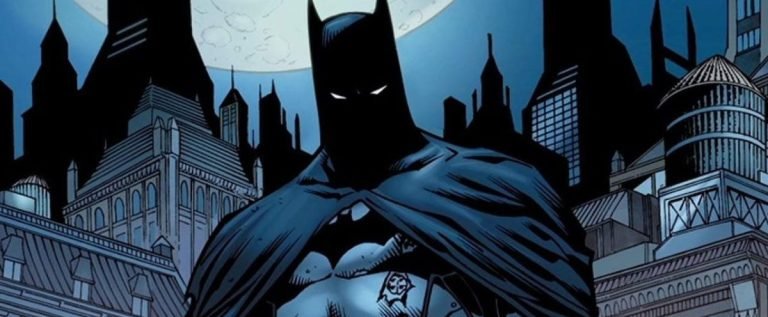
Batman: From Villain to Hero – A Transformative Journey
Comic book narratives are often characterized by their thrilling action and dramatic confrontations. However, in a surprising turn, the current storyline of Batman, orchestrated by writer Matt Fraction, introduces a refreshing take: the redemption of villains through compassion and rehabilitation. This evolution of character dynamics reflects a deeper engagement with psychological and emotional themes, allowing fans to see characters in new and unexpected lights.
Nerd Culture Explored: Killer Croc’s Transformation
The current arc highlights the unusual transformation of Waylon Jones, popularly known as Killer Croc. Traditionally represented as a fierce adversary to Batman, this storyline reimagines him as a potential ally rather than just a foe. The introduction of Dr. Annika Zeller and her innovative device, the Crown of Storms, plays a pivotal role in this transition.
The Crown of Storms assists former villains in regulating their emotions and embarking on paths of recovery. This shift raises essential questions: What does it mean for characters historically entrenched in villainy to embrace heroism? Such complexity adds layers to the narrative and appeals to an audience that appreciates depth in character development.
The Role of Empathy in Villain Redemption
Psychological nuances are at the forefront of this refreshingly humane approach. In earlier encounters, Batman’s approach was often to defeat or combat villains, highlighting a conflict-centered narrative. However, with the emergence of Dr. Zeller, the narrative shifts towards including understanding and rehabilitation.
When Killer Croc expresses awareness of his mental condition, it marks a significant turning point, pushing the boundaries of traditional storytelling within the superhero genre. The depiction of Batman, usually unwavering in his resolve, as someone receptive to change and empathy, showcases a crucial narrative growth.
Benefits of Character Evolution in Comics
- Enhanced Storytelling: Characters gaining depth through new arcs can create more engaging plots.
- Relevance to Real Life: Themes of mental health and redemption resonate with modern audiences.
- Diverse Perspectives: Viewing former villains as heroes allows audiences to explore moral complexities.
Potential Limitations of This Approach
- Believability: Some readers may struggle to accept the rapid transformation of established characters.
- Continuity Issues: Changes in character motivations can conflict with previous story arcs.
Common Missteps in Comic Development
- Relying solely on shock value instead of character growth.
- Neglecting the established foundation of character history.
- Failing to provide satisfying arcs that respect loyal readers’ expectations.
Best Practices for Future Storylines
- Incorporate gradual character development.
- Engage with audience reactions and feedback.
- Ensure consistency with established character traits.
Future Trends in Character Dynamics
The trend of viewing villains as potential heroes can pave the way for rich narrative explorations. With more creators willing to engage in diverse character arcs, we may witness an era where understanding and empathy take center stage. Given the rise of mental wellness in popular discussions, these themes can also bridge narratives with real-world issues.
As we look ahead, exploring the complexities of mental health through beloved characters can not only entertain but educate audiences on deeper social issues, establishing comics as a necessary medium for reflection.
Why Nerd Culture Embraces These Changes
The shift from villain to hero speaks volumes about how far stories can evolve. Fans embrace these narratives as they mirror real-life struggles, especially regarding redemption and growth. Comics no longer represent mere escapism; they reflect societal shifts.
FAQ
- What inspired the storyline of Killer Croc’s redemption?
The storyline aims to explore deeper psychological themes, allowing villains to evolve into heroes and illustrating modern discussions around mental health.
- How has Batman’s character development played a role in this change?
Batman’s growth moving from confrontation to understanding reflects a necessary evolution in his character, leveraging empathy more than aggression.
- What impact does the Crown of Storms have on Killer Croc?
The device is pivotal in helping Croc regulate emotions, marking his transition from villainy to a more heroic role.
- Are there other villains undergoing similar transformations?
Yes, several villains in Gotham City are being explored with potential for redemption and deeper narrative arcs, like Poison Ivy.
- Why is this storyline important for comic fans?
This narrative not only entertains but also engages fans in meaningful discussions about mental health and recovery in society.
In conclusion, as we explore Gotham’s intricate narratives, the transformation of characters like Killer Croc underscores the dynamic shifts within superhero storytelling. This evolution represents hope, redemption, and a new era of superhero lore that invites audiences to ponder the complexities of human nature.








Post Comment