Taika Waititi’s ‘Klara and the Sun’: Early Critiques and Nerd Debates
Taika Waititi. The name itself often conjures images of quirky humor, vibrant storytelling, and a distinctly irreverent charm that has reshaped franchises and captivated audiences worldwide. From the satirical brilliance of Jojo Rabbit to the energetic spectacle of Thor: Ragnarok, Waititi has carved a unique niche in Hollywood, becoming a director whose projects are keenly anticipated by film enthusiasts and the broader Nerd community alike. His latest endeavor, an adaptation of Kazuo Ishiguro’s acclaimed novel Klara and the Sun, arrived with a weighty expectation, promising a foray into more serious, dystopian sci-fi drama. However, its recent premiere at the BFI London Film Festival has cast a shadow, sparking a wave of critical reviews that suggest a potentially divisive outcome.
This isn’t merely another film release; for those invested in cinematic craftsmanship and literary adaptations, it represents a significant moment. Ishiguro’s source material, a deeply contemplative work from a Nobel laureate, holds a special place, and the prospect of Waititi translating its delicate melancholy and profound existential questions to the screen was always going to be a high-stakes gamble. The initial critical consensus, however, leans heavily towards concern, with many questioning whether Waititi’s signature directorial voice, so beloved in other contexts, might have inadvertently overshadowed the very essence of Ishiguro’s narrative.
For the discerning fan who navigates the intricate world of adaptations, this situation ignites discussions far beyond simple box office predictions. It touches upon the perennial debate of artistic interpretation versus fidelity to source material, especially when that material is revered. This article aims to meticulously dissect these early critical reactions, placing them within the context of Ishiguro’s original vision and Waititi’s established style. We will explore the specific criticisms leveled against the film, acknowledge any alternative viewpoints, and consider what this reception might signify for both the director’s evolving career and the landscape of adaptations within contemporary Nerd Culture & Entertainment. Prepare to delve deep into the nuances of a film that has already begun to polarize opinions.
The Initial Critical Verdict on ‘Klara and the Sun’ Ignites the Nerd Community
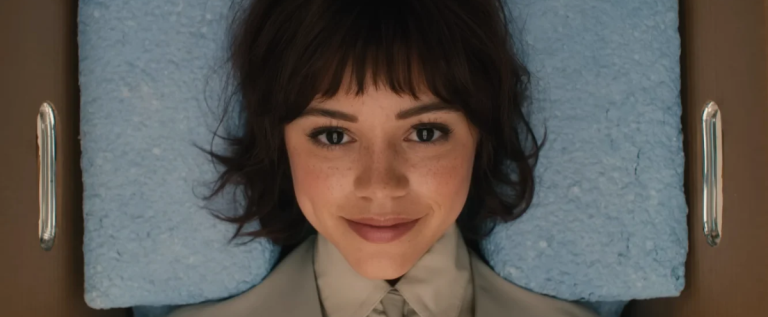
The highly anticipated adaptation of Kazuo Ishiguro’s Klara and the Sun, directed by Taika Waititi and featuring performances from Jenna Ortega and Amy Adams, made its debut at the BFI London Film Festival on October 15, 2026. This premiere was met with a predominantly negative reception from specialized critics, leading to considerable discussion among film enthusiasts and within the broader Nerd community.
The overarching sentiment among reviewers highlighted a significant disconnect between the film’s execution and the profound, melancholic tone of Ishiguro’s Nobel Prize-winning novel. Many critics argued that Waititi’s distinctive eccentricities and characteristic humor, celebrated in previous works, seemed to clash with the quiet, reflective nature of the source material. This perceived tonal imbalance is at the core of the criticism, raising questions about the suitability of Waititi’s style for such a contemplative narrative.
It is noteworthy that Waititi himself had previously indicated an awareness of the story’s gravitas, stating his intention to approach the film as a drama rather than a frivolous endeavor. This makes the critical feedback even more perplexing for some, as it suggests a potential miscalculation in translating his vision to the screen, despite his stated intentions. The ensuing debate within fan circles, particularly among those familiar with Ishiguro’s work, reflects a keen interest in how such a revered story could be perceived as losing its way in adaptation.
For a project that blends a beloved author with a director known for a strong personal touch, the initial critical consensus certainly sets a challenging stage for its upcoming broader releases. The film’s journey through festivals often serves as a barometer for its wider commercial and critical prospects, and these early reactions provide a crucial first look at how Klara and the Sun is resonating.
The initial critical reception for Taika Waititi’s ‘Klara and the Sun’ at the BFI London Film Festival has been largely negative, sparking debate among film enthusiasts. Critics frequently cite Waititi’s signature eccentric style as clashing with the source novel’s melancholic and profound themes, questioning if his directorial approach overwhelmed Kazuo Ishiguro’s nuanced narrative.
A Collision of Artistic Visions: Waititi’s Style vs. Ishiguro’s Narrative Depth
Specific criticisms from prominent publications illustrate the core issues. Little White Lies accused the film of “sabotaging its potential” by the director’s habit of “cutting any hint of depth with a silly joke,” suggesting a superficial approach to emotional moments. Clarisse Loughrey of The Independent lamented that while the book deeply explores “who we are and the future of humanity,” the film reduced these complex themes to a generic tale about “the power of love and friendship.”
Peter Bradshaw from The Guardian delivered a scathing 1 out of 5 rating, branding the film a “sentimental disaster” filled with “post-modern weirdness” and “affected performances.” Adding to this, The Telegraph pointed out that the novel’s intricate layers of AI consciousness were largely ignored, reducing Jenna Ortega’s performance to a “shallow stereotype” described as a “Manic Pixie Robot Dream Girl,” devoid of the book’s poetic mystery. Deadline further emphasized the film’s failure to grasp the subtleties of speculative science fiction, finding its plot twists “painfully obvious.” These critiques collectively paint a picture of an adaptation that struggled to honor the depth and sensitivity of its source material, a critical point for any discerning Nerd fan of literary works.
Understanding Kazuo Ishiguro’s ‘Klara and the Sun’ – A Sci-Fi Masterpiece for the Discerning Nerd
Kazuo Ishiguro’s novel, Klara and the Sun, holds a significant place in contemporary literature, being his first published work after he was awarded the Nobel Prize in Literature. Released in 2021, the book quickly garnered critical acclaim for its profound exploration of humanity, love, and what it means to be alive, all framed within a subtly dystopian science fiction setting. Its narrative is masterfully told in the first person by Klara, an Artificial Friend (AA), a humanoid companion powered by solar energy.
Klara’s unique perspective allows Ishiguro to examine complex ethical and philosophical questions through an innocent yet deeply observant lens. She spends her days in a shop, meticulously observing human behavior, relationships, and the outside world, gradually forming an understanding of emotions and motivations. Her journey takes a pivotal turn when she is purchased to be the companion of Josie, a brilliant but chronically ill teenager. This relationship forms the emotional core of the novel, delving into themes of illness, sacrifice, and the profound connection between humans and AI.
The book is renowned for its quiet power, its melancholic introspection, and its ability to provoke deep thought without resorting to overt dramatic flourishes. It’s a work that thrives on silence, implication, and the reader’s engagement with its existential questions. For the literary Nerd, Ishiguro’s narrative crafts a delicate balance of hope and despair, making the potential misinterpretation in adaptation a particularly poignant point of concern.
Kazuo Ishiguro’s ‘Klara and the Sun’ is a dystopian science fiction novel, notable as his first publication after winning the Nobel Prize in Literature. It tells the story from the perspective of Klara, an Artificial Friend, exploring themes of humanity, consciousness, and the future through a subtle, melancholic lens, which stands in stark contrast to the film’s reported tone.
The Delicate Balance of Adaptation: Why Fidelity Matters to the Source Material’s Nerd Base
Adapting a novel of Ishiguro’s caliber, particularly one so reliant on internal monologue, subtle observation, and emotional subtext, presents immense challenges. For the dedicated readership and literary Nerd base, fidelity to the source material’s tone and thematic depth is paramount. Ishiguro’s narrative thrives on its unhurried pace, allowing readers to slowly uncover the deeper implications of Klara’s observations and experiences. The book’s power lies in its ability to raise profound questions about consciousness, uniqueness, and the human soul without offering easy answers, inviting readers to grapple with complex philosophical inquiries rather than simply consuming a plot.
When critics suggest that the film reduces these intricate themes to a “generic story about the power of love and friendship,” it signals a significant departure from what makes the novel so resonant. Such simplification, while potentially making the story more accessible, risks stripping away the very intellectual and emotional nuances that define Ishiguro’s unique voice and captivated his readers. This underscores a critical concern for fans of adapted works: the balance between a director’s interpretive vision and the obligation to preserve the essence of the original art, especially for a story as thoughtfully constructed as Klara and the Sun.
Taika Waititi’s Signature Style: A Double-Edged Sword for the Modern Nerd Audience?
Taika Waititi has cultivated a highly distinctive and often beloved directorial style, characterized by its idiosyncratic humor, eccentric characterizations, and a unique ability to blend comedy with poignant drama. His filmography, encompassing critically acclaimed indies like Boy and Hunt for the Wilderpeople, alongside blockbuster hits such as Thor: Ragnarok and the Oscar-winning Jojo Rabbit, showcases a consistent authorial voice. This style typically involves a playful deconstruction of genre tropes, an emphasis on visual flair, and a knack for extracting heartfelt moments from otherwise absurd situations.
This signature approach has garnered Waititi a devoted fanbase, particularly within the Nerd Culture & Entertainment sphere, where his irreverent take on established properties (like Marvel’s Thor) has been widely embraced. However, the very elements that make his films so appealing – the rapid-fire jokes, the offbeat delivery, the tendency to inject levity into serious situations – are precisely what critics are now citing as detrimental to Klara and the Sun. The challenge arises when a director’s strong personal style, while successful in one context, is applied to material that demands a fundamentally different, perhaps more restrained, emotional and tonal register.
The critical feedback suggests that in this instance, Waititi’s characteristic touch, rather than enhancing the story, inadvertently worked against its core strengths. It highlights the delicate balance directors face when adapting revered literary works: how much of their own artistic identity should they imprint, and at what point does that imprint begin to compromise the source material’s integrity?
Taika Waititi is renowned for his distinctive filmmaking style, characterized by eccentric humor, quirky characters, and a unique blend of comedy and drama, as seen in hits like ‘Jojo Rabbit’ and ‘Thor: Ragnarok’. While this approach has garnered him a devoted fanbase, critics suggest it became a detriment in ‘Klara and the Sun’, overpowering the subtle nuances of its source material.
When Quirkiness Overwhelms: The Risks of a Distinctive Directorial Hand
The critiques of Klara and the Sun underscore a crucial risk inherent in any adaptation by a director with a powerful, recognizable style: the potential for that style to overwhelm the source material. For Ishiguro’s novel, which relies on quiet contemplation and understated emotion, a director known for overt quirkiness can disrupt the delicate fabric of its narrative. Critics specifically highlighted how Waititi’s habit of inserting “silly jokes” or “post-modern weirdness” acted as a counterpoint to the profound moments, preventing the film from sustaining genuine emotional resonance.
This isn’t necessarily a failure of directorial skill, but perhaps a mismatch of vision. A strong authorial voice is often celebrated, but its application must be attuned to the demands of the story being told. In the case of Klara and the Sun, the very elements that define Waititi’s successful brand appear to have muted the philosophical depth and melancholic beauty that made the novel a masterpiece, leaving an adaptation that some feel missed the heart of the original work. This scenario provides a compelling case study for the challenges of creative interpretation in the cinematic landscape, particularly when a beloved literary piece meets a highly distinctive directorial personality.
Glimmers of Hope: Alternative Perspectives and What Might Still Appeal to the Casual Nerd Viewer
While the chorus of critical voices has largely been negative, a counterpoint has emerged from some festival attendees and reactions on platforms like Letterboxd. These more amenable perspectives offer a glimpse into what might still appeal to a broader audience, particularly those unfamiliar with Kazuo Ishiguro’s original novel. These viewers often praised the film’s “commercial” and “accessible” aesthetic, finding it visually beautiful, warm, and possessing a lighter, more fable-like tone.
These observations suggest that while the film may have deviated from the novel’s profound melancholy, it might succeed in delivering a different kind of emotional experience. Some even compared its visual and narrative warmth to films like Edward Scissorhands, implying an intent to create a heartwarming, albeit simpler, story. For those approaching the film without the weighty expectations of a literary adaptation, Klara and the Sun could potentially be received as a “cute and emotional drama,” offering a gentle exploration of its themes without the demanding intellectual depth of the book.
This divergence in opinion highlights the complexity of film reception, especially when a movie aims to bridge the gap between niche literary appreciation and mainstream appeal. For the casual Nerd viewer who enjoys sci-fi with a softer edge and a visually pleasing narrative, the film may still hold considerable charm, despite its directorial imperfections in the eyes of hardcore critics and book purists.
Despite predominantly negative reviews, some initial reactions to ‘Klara and the Sun’ have praised its “commercial” and “accessible” aesthetic, describing it as visually appealing, warm, and akin to a light family fable. These viewers suggest that audiences unfamiliar with the original novel might still find the film a “cute and emotional drama,” offering a softer entry point into its themes.
The “Edward Scissorhands” Comparison: A Different Kind of Emotional Resonance for a Broader Nerd Audience
The comparison of Klara and the Sun to classics like Edward Scissorhands is particularly insightful. Tim Burton’s iconic film masterfully blends whimsical fantasy with a poignant tale of otherness and connection, evoking a specific type of melancholic charm that is accessible and emotionally resonant for a wide audience. If Waititi’s adaptation indeed leans into this “light family fable” aesthetic, it suggests a deliberate choice to prioritize warmth and visual appeal over the more stark, introspective qualities of Ishiguro’s book.
This approach, while potentially alienating to purists, could broaden the film’s appeal to a more general audience looking for a visually engaging story about empathy and unconventional relationships. For a segment of the Nerd community that appreciates imaginative storytelling and visually driven narratives, even if they aren’t strictly faithful adaptations, this aspect of Klara and the Sun might still provide a satisfying cinematic experience. It underscores the idea that a film can find its audience and deliver value, even if it doesn’t meet every critical expectation or match the tone of its source material perfectly.
| Aspect | Kazuo Ishiguro’s Novel (Expectation) | Taika Waititi’s Film (Reported Outcome) |
|---|---|---|
| Tone | Silent, melancholic, profound | Eccentric, humorous, at times jarring |
| Themes | Existential depth, AI consciousness, humanity | Reduced to "power of love/friendship" |
| Character Portrayal | Poetic mystery, complex layers of AI | Shallow, stereotypical ("Manic Pixie Robot Dream Girl") |
| Narrative Nuance | Speculative sci-fi subtleties | "Painfully obvious" plot twists |
| Emotional Arc | Sustained real emotion, thoughtful | Sabotaged by "silly jokes," sentimental |
Navigating the Divide: What Does ‘Klara and the Sun’ Mean for Waititi’s Future and the Evolving Nerd Cinematic Landscape?
The mixed, and largely negative, critical reception for Taika Waititi’s Klara and the Sun at its festival premiere raises pertinent questions, not only about the film itself but also about the broader implications for the director’s career and the continually evolving landscape of cinematic adaptations, especially within the Nerd community. This isn’t the first time Waititi has faced scrutiny over his distinctive style, but adapting a Nobel Prize winner’s work carries a unique weight and expectation.
For Waititi, this could mark a critical juncture. Will he double down on his unique brand of quirky humor and eccentricity, applying it to future projects regardless of genre, or will this feedback prompt a more nuanced approach, particularly when tackling material that demands a greater degree of dramatic restraint? His ability to blend heartfelt moments with humor is a proven strength, but this adaptation suggests there are limits to how broadly that style can be applied without compromising the integrity of the source. The experience with Klara and the Sun might influence his choices for upcoming adaptations, potentially encouraging a more measured hand.
For the wider Nerd Culture & Entertainment sphere, this film reignites an ongoing debate: the delicate balance between a director’s interpretive vision and the faithfulness owed to cherished source material. Fans of books, comics, and games often hold strong opinions on how adaptations should be handled, valuing both creative innovation and respectful homage. When a film veers too far from the essence of its origin, it often sparks passionate discussions about what constitutes a “good” adaptation. Klara and the Sun could become a key case study in this conversation, exemplifying the challenges of translating subtle literary genius to the screen, particularly when confronted with a strong, established directorial voice.
The mixed critical reception for ‘Klara and the Sun’ raises questions about Taika Waititi’s future directorial choices and the broader landscape of adapting complex literary works for a diverse audience. For the ‘Nerd’ community, it underscores the ongoing debate about balancing authorial vision with fidelity to source material, especially when dealing with revered literary properties.
The Impact on Directorial Reputation and Adaptation Strategy for the Engaged Nerd
The reception of Klara and the Sun will undoubtedly be scrutinized by industry insiders and the highly engaged Nerd audience. Directors like Waititi, who possess a strong individual artistic voice, often navigate a fine line when moving between original works and adaptations. While his unique brand has been a boon for franchises needing a fresh perspective, it proves less universally applicable to all stories. This film’s performance and critical takeaway might encourage studios to be more discerning in matching directors with source material, especially those with deeply specific tones like Ishiguro’s.
Furthermore, it contributes to the larger discourse around adaptation strategies. Should filmmakers always prioritize their personal vision, or is there a greater responsibility to the original author’s intent, particularly when that author is a Nobel laureate? This question resonates deeply with fans who invest emotionally and intellectually in both original stories and their cinematic counterparts. Ultimately, the lessons learned from Klara and the Sun could shape how future literary giants are brought to the big screen, potentially leading to more collaborative or more reverent approaches in the pursuit of both artistic merit and audience satisfaction.
Frequently Asked Questions About Taika Waititi’s ‘Klara and the Sun’ for the Curious Nerd
- Q1: What is ‘Klara and the Sun’ based on?
A: ‘Klara and the Sun’ is a cinematic adaptation of the critically acclaimed novel of the same name by Kazuo Ishiguro. Ishiguro, a Nobel Prize laureate in Literature, published the book in 2021 as his first novel after receiving the prestigious award. The story is a dystopian science fiction narrative, renowned for its contemplative exploration of humanity, artificial intelligence, and the intricacies of human connection through the eyes of an Artificial Friend (AA).
- Q2: Who directed ‘Klara and the Sun’?
A: The film adaptation of ‘Klara and the Sun’ was directed by Taika Waititi. Waititi is a New Zealand filmmaker known for his distinctive comedic style and critically acclaimed works such as ‘Jojo Rabbit’, for which he won an Academy Award for Best Adapted Screenplay, and ‘Thor: Ragnarok’, which revitalized the Marvel franchise with his unique brand of humor and visual flair.
- Q3: Who are the main stars of ‘Klara and the Sun’?
A: The lead roles in ‘Klara and the Sun’ are portrayed by Jenna Ortega and Amy Adams. Jenna Ortega, widely recognized for her roles in ‘Wednesday’ and various horror films, takes on a significant character, while Academy Award-nominated actress Amy Adams, known for her performances in ‘Arrival’ and ‘American Hustle’, also stars in a key role within the adaptation.
- Q4: What are the main criticisms of Taika Waititi’s ‘Klara and the Sun’?
A: The primary criticisms center on a perceived mismatch between director Taika Waititi’s eccentric, humorous style and the novel’s melancholic, deeply contemplative nature. Critics reported that Waititi’s approach often undermined the story’s emotional depth, reducing complex themes to generic messages and failing to sustain moments of genuine sentiment. Specific reviews accused the film of "cutting any hint of depth with a silly joke" and becoming a "sentimental disaster."
- Q5: Were there any positive reviews for ‘Klara and the Sun’?
A: While the overall critical reception has been largely negative, some initial reactions from festival audiences and online platforms like Letterboxd offered more amenable views. These positive comments often highlighted the film’s "commercial" and "accessible" aesthetic, praising its visual beauty, warmth, and describing it as a light, family-friendly fable. Some suggested that viewers unfamiliar with the novel might find it a "cute and emotional drama."
- Q6: When was ‘Klara and the Sun’ first screened?
A: ‘Klara and the Sun’ had its initial screening at the BFI London Film Festival. This premiere event took place on October 15, 2026, where the film was first presented to specialized critics and a select audience, sparking the initial wave of reviews and discussions.
- Q7: When will ‘Klara and the Sun’ be released in the US?
A: Following its festival debut, ‘Klara and the Sun’ is scheduled for release in cinemas across the United States on October 23, 2026. This date marks its broader theatrical premiere, allowing a wider audience to experience the adaptation and form their own opinions on Taika Waititi’s take on Ishiguro’s novel.
- Q8: How does the film ‘Klara and the Sun’ compare to the book, according to critics?
A: According to early critical consensus, the film significantly deviates from the book’s core essence. While the novel delves into profound existential and philosophical questions with subtle melancholy, critics suggest the film simplifies these themes, often replacing quiet introspection with overt humor or generic emotional arcs. The nuanced layers of AI consciousness present in the book were reportedly overlooked, leading to a less complex and perhaps less impactful narrative.
- Q9: Is Taika Waititi known for directing this type of drama?
A: Taika Waititi is primarily known for his distinctive blend of comedy and drama, often infused with irreverent humor and unique visual styles. While he has directed serious moments within his films, a deeply melancholic, contemplative dystopian drama like ‘Klara and the Sun’ represents a more pronounced venture into a tone that critics argue clashes with his established directorial tendencies. It’s a departure from the comedic flair seen in his most popular works.
- Q10: What does the ‘Nerd’ community think about this adaptation?
A: The ‘Nerd’ community, particularly those with a strong appreciation for literary adaptations and science fiction, is currently engaged in a robust debate. While some express disappointment regarding the perceived tonal shift and lack of fidelity to the novel’s depth, others are curious to see if Waititi’s unique vision can offer a different, albeit valid, interpretation. The discussions highlight the community’s passion for thoughtful storytelling and the challenges of translating beloved works to the screen.
The cinematic journey of Taika Waititi’s Klara and the Sun is off to a contentious start, prompting a lively discourse that extends far beyond casual filmgoers to the very heart of the Nerd Culture & Entertainment community. The early critical consensus points to a significant artistic gamble where a director’s celebrated style may have inadvertently clashed with the profound, melancholic spirit of a Nobel laureate’s literary masterpiece. This situation serves as a compelling reminder of the intricate challenges inherent in adaptation, where the balance between preserving original intent and infusing a fresh artistic vision is perpetually debated.
Yet, amidst the critical headwinds, there are whispers of a different kind of appeal – a visually warm and accessible narrative that might resonate with audiences seeking a gentler sci-fi fable, particularly those unburdened by the novel’s weighty expectations. As Klara and the Sun prepares for its wider release in US cinemas on October 23, 2026, and in Brazil on November 5, 2026, the ultimate verdict will transition from the critics’ pens to the collective consciousness of viewers. For every devoted fan of Ishiguro’s literary genius and every admirer of Waititi’s unique cinematic flair, the invitation is clear: form your own conclusions. This film, whether a misstep or a misunderstood reinterpretation, is poised to keep the conversation going, cementing its place as a notable entry in the ever-evolving dialogue around adaptations within the Nerd cinematic landscape.






Post Comment