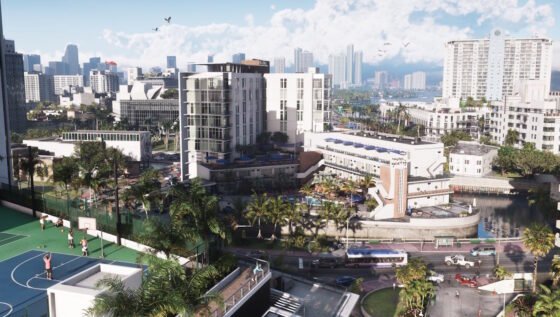
Miami Sheriff Rejects Vice City Vision for GTA 6
Understanding the Fallout: Miami’s Distaste for Vice City Branding
The excitement surrounding the upcoming release of Grand Theft Auto VI (GTA 6) has led to discussions regarding the potential for Miami to embrace its in-game counterpart, Vice City. However, local authorities have voiced strong opposition to transforming the real city into a promotional playground for the game. This article delves deeper into the implications of this backlash and the underlying concerns that prompted such reactions.
Why Miami Officials Are Hesitant
A meeting between Miami-Dade county officials and Rockstar Games sparked negotiations around promoting the new game through significant campaigns, including a welcoming sign at the airport announcing the arrival into Vice City. Despite its allure, the idea was met with backlash from local authorities.
Sheriff Rosie Cordero-Stutz expressed her concerns regarding the portrayal of crime and violence in the Grand Theft Auto franchise, which she argues does not reflect the day-to-day realities that her department strives to combat. The sheriff highlighted that the negative image associated with the fictional Vice City could overshadow Miami’s actual efforts to maintain safety and civil order.
The Voice of Local Leadership
Commissioner Juan Carlos Bermudez also articulated concerns, emphasizing the importance of promoting a positive image of Miami. Pointing out that it took decades to establish the city as a renowned tourist destination, he advocated for showcasing the city’s actual appeal rather than its depiction in video games, which is often mired in themes of crime.
What Are the Implications for GTA 6 Campaign?
The backlash from Miami officials raises questions about the practicalities of any planned promotional activities. With these discussions swirling, the likelihood of seeing permanent changes, such as Vice City-themed marketing, appears to be fading. The focus is shifting back towards what truly defines Miami’s character in reality rather than as a video game representation.
A Closer Look at the Game and Its Setting
GTA 6 aims to immerse players in an updated version of Vice City, laden with familiar locales and enhanced graphics. Yet, juxtaposing the stark realities of Miami against the fictional chaos of the game poses a conundrum. The narrative-driven aspects of games often veer towards exaggerated violence and crime, something local authorities are understandably keen to distance themselves from.
Benefits of Embracing a Realistic Image
Emphasizing Miami’s real attributes over fictional portrayals presents long-term benefits:
- Preserving Reputation: A commitment to showcasing the city as a safe and welcoming destination enhances its global reputation.
- Fostering Community Trust: Engagement with local residents and officials reinforces the message that safety is a priority.
- Attracting Genuine Tourism: By focusing on positive aspects, Miami can broaden its economic landscape through varied tourism opportunities.
Challenges Faced by the Campaign
While official routes may steer clear of promotional partnerships, it isn’t without its challenges:
- Public Perception: Mismatch between the city’s identity and its portrayal in games can create discord.
- Political Backlash: Continued advocacy for themes of crime in media may polarize opinions in governance.
Common Misunderstandings about GTA and Real-World Representation
It is essential to clarify misconceptions surrounding GTA that often cloud public understanding:
- Entertainment vs. Reality: The distinction between gameplay and real-life implications can be blurred but must be acknowledged.
- Responsibility in Marketing: Media companies should ensure that marketing efforts do not demean the stature of a location.
Best Practices for Future Promotions
For any potential collaboration or marketing campaign, adhering to effective practices is crucial:
- Engagement with Community: Local collaboration can refine the approach to marketing.
- Transparent Communication: Maintaining clarity between all parties minimizes misunderstandings.
Future Trends in Gaming and Representation
As games evolve, the intersection of narrative and real-world implications becomes increasingly significant. Developers might explore more responsible themes that reflect positively on actual locations.
Games: A Cultural Reflection
The discourse surrounding GTA 6’s Vice City brings to light vital discussions about representation in the gaming industry. Balancing entertainment with respect for real-life communities is essential in shaping a vibrant narrative that resonates with players.
FAQ
What is the main controversy surrounding GTA 6?
The primary concern is the potential branding of Miami as Vice City, which local leaders fear could harm the city’s reputation by associating it with crime and violence.
How do Miami officials feel about video games?
While they acknowledge the popularity of video games, Miami officials advocate for a portrayal that reflects the city’s actual attributes and efforts to maintain safety.
What are the potential impacts of negative representation in media?
Negative portrayals can perpetuate stereotypes, deter tourism and create misunderstandings about a community’s reality.
Are there plans for promotional activities involving GTA 6?
Given the backlash from officials, plans for promotional activities including branding efforts are now highly unlikely to materialize.
How does this situation reflect on the gaming industry?
The debate highlights the need for the gaming industry to consider the societal implications of its narratives and marketing strategies.
What steps can the gaming industry take for responsible marketing?
Engaging openly with local communities, maintaining transparency, and focusing on genuine representations can build better relationships between the industry and society.














Post Comment