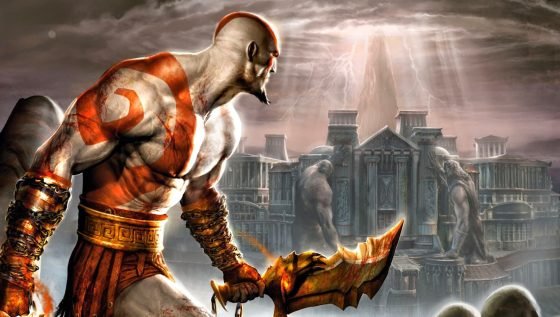
Kratos Almost Named Dominus: The Pizza Jokes That Changed God of War History
In the vast pantheon of iconic video game characters, few command the immediate recognition and respect of Kratos, the Ghost of Sparta. His very name evokes images of raw power, unyielding determination, and a destiny intertwined with the gods. Yet, for all its potency, ‘Kratos’ was not always the chosen identifier for the tormented protagonist of the God of War series. This surprising revelation, stemming directly from series creator David Jaffe, pulls back the curtain on a crucial, yet hilariously mundane, moment in the franchise’s early development. It’s a story that underscores how even the most epic narratives and revered characters can be shaped by the most unexpected, and at times, absurd, interventions.
The journey from concept to a cultural phenomenon like God of War is fraught with countless decisions, big and small, each contributing to the final product. Character naming stands as a foundational step, intending to encapsulate personality, lore, and impact. For a figure destined to challenge entire pantheons, this choice carried immense weight. Jaffe’s candid account not only offers a peek into the creative process at Santa Monica Studio but also serves as a testament to the collaborative, sometimes chaotic, nature of game development. It highlights how an initial, seemingly perfect choice can be rendered untenable, not by thematic inconsistencies or narrative flaws, but by the sheer, infectious power of studio humor. The shift from one name to another wasn’t merely a trivial detail; it was a pivotal moment that cemented the identity of one of the most beloved figures in modern gaming, reminding us that sometimes, the fate of a legendary character hangs in the balance of a well-timed joke.
This deep dive into Kratos’s almost-forgotten name provides more than just a trivial anecdote. It offers valuable insights into the iterative design process inherent in creating major game titles, where every idea, no matter how cherished by its originator, is subject to the crucible of team feedback and practical application. Understanding this particular inflection point in God of War‘s history enriches our appreciation for the final product and the complex interplay of creativity, collaboration, and even comedy, that shapes the Games we cherish today. It’s a narrative that reinforces the idea that true innovation often arises from adapting, evolving, and sometimes, letting go of a good idea because a better, or at least more universally fitting, one emerges from the collective wisdom of a dedicated team.
The Dominus Dilemma: When Pizza Jokes Reshaped Iconic Games Character Identity
In the nascent stages of developing God of War, before Kratos became the universally recognized symbol of divine retribution, his creator, David Jaffe, had envisioned a different, equally powerful moniker: Dominus. This name, rooted in Roman and Latin origins, directly translates to “master” or “lord,” embodying the very essence of the character Jaffe sought to create—a brutal, violent, and dominant figure destined to conquer all who stood in his path. Jaffe himself expressed a profound affection for the name, finding it perfectly aligned with the protagonist’s core attributes and the dark narrative he intended to unfold. It represented control, authority, and an inescapable force, all hallmarks that would eventually define Kratos.
However, the creative sanctity of ‘Dominus’ was quickly challenged by an unexpected, yet undeniably human, element: humor within the development team at Santa Monica Studio. Despite its thematic strength, the name carried an unfortunate, almost unavoidable, association with the widely recognized pizza chain, Domino’s. What began as an innocent observation soon escalated into a barrage of jokes and playful taunts from Jaffe’s colleagues. Every mention of ‘Dominus’ was met with quips like “30 minutes or it’s free,” or playful shouts of “answer the door, it’s the Dominus!” The persistent references to the pizza company and its iconic Noid mascot ultimately made the name untenable. The constant, lighthearted mockery, after its ‘quinquagésima vez’ (fiftieth time), effectively sealed ‘Dominus’s’ fate, proving that even the most well-intentioned creative choices can be swayed by the collective dynamic of a highly collaborative environment.
David Jaffe’s initial choice of ‘Dominus’ for the God of War protagonist was abandoned due to pervasive pizza-related jokes from the development team. Despite its fitting Latin meaning of ‘master’ or ‘lord,’ the name’s strong association with ‘Domino’s Pizza’ made it impossible to take seriously within the studio, necessitating a change to avoid constant humorous distraction during the game’s creation.
The Weight of a Name: More Than Just a Label in Gaming
A character’s name is far more than a mere identifier; it is a foundational pillar of their identity, influencing player perception, narrative resonance, and even merchandising potential within the sprawling landscape of Games. For Kratos, a character defined by his mythic struggles and visceral combat, a name that could stand independently, devoid of real-world comedic associations, was paramount. The original ‘Dominus,’ while thematically sound in its meaning, failed the practical test of avoiding external, trivializing connections.
This incident underscores the subtle yet profound impact of naming conventions in game development. An effective name for a major character must not only align with their lore and personality but also possess a certain gravitas and uniqueness that allows it to stand out and command respect. The shift from Dominus to Kratos averted a potential public relations mishap, ensuring that the character’s serious, dramatic narrative would not be undermined by an easily parodied name. It ensured that Kratos could fully embody the ‘Ghost of Sparta’ without an underlying, unintended comedic echo, preserving the immersive experience crucial for a dark, mythological action Games series.
From Ancient Lists to Legendary Monikers: Finding Kratos in Game Development
Following the unavoidable demise of ‘Dominus,’ the Santa Monica Studio team faced the task of finding a new name for their burgeoning protagonist. The process, as revealed by Jaffe, was surprisingly organic and somewhat chaotic. The initial approach involved a pragmatic, yet ultimately unfruitful, dive into history: someone on the team printed out an extensive list of common ancient Greek names. This seemed a logical starting point for a character steeped in Greek mythology, offering a pool of historically authentic options. However, despite the thoroughness of the list, no single name immediately resonated or presented itself as the clear successor to ‘Dominus.’
The breakthrough arrived not from a meticulous historical deep-dive, but from a collaborative insight within the studio’s marketing department. Suan Panico, a member of the Santa Monica team, proposed the name ‘Kratos.’ This suggestion proved to be a pivotal moment. ‘Kratos’ itself is derived from ancient Greek, meaning ‘strength’ or ‘power’—attributes that perfectly encapsulated the essence of the character and his role in the unfolding narrative. Interestingly, Jaffe later reflected that ‘Kratos’ had actually been present on that initial, overlooked list of Greek names. This detail highlights the subjective nature of creative selection and how the right suggestion at the right moment can illuminate what was previously missed, affirming the adage that sometimes, the best answer is hiding in plain sight.
The name Kratos was chosen after the team abandoned ‘Dominus,’ which had become tainted by pizza jokes. Suan Panico from the marketing team suggested ‘Kratos,’ meaning ‘strength’ or ‘power’ in ancient Greek. Although present on an earlier list of Greek names, it was only through Panico’s timely suggestion that the team recognized its perfect fit for the protagonist, marking a crucial turning point in the character’s development.
Serendipity in Studio: The Role of Chance in Creating Beloved Games
David Jaffe’s reflection on the naming of Kratos extended beyond the mere anecdote, touching upon a broader philosophy regarding the success of popular Games. He posited that while diligent work and strategic marketing are undoubtedly critical, an element of “luck and timing” often plays an underestimated role in a game’s eventual triumph. The discovery of ‘Kratos’ after the ‘Dominus’ debacle serves as a prime example of this serendipitous confluence of factors.
This perspective resonates with other documented instances of major games facing uncertain futures before finding their path to success. Jaffe specifically cited examples such as Bully and Red Dead Redemption, two titles that famously navigated precarious development phases and nearly didn’t see the light of day. These stories, much like Kratos’s naming, underscore the often-unpredictable journey of game creation, where dedicated teams, perseverance, and a dash of good fortune collectively contribute to transforming potential failures into beloved classics, shaping the rich tapestry of the Games industry.
The Unseen Impact: How Naming Decisions Influence the Gaming World
The choice of a character’s name, as Kratos’s story vividly illustrates, is far from a trivial detail; it is a foundational element that profoundly influences a game’s identity, reception, and long-term legacy within the competitive Games landscape. A well-chosen name becomes synonymous with the character’s ethos, bolstering immersion and resonance. Conversely, a poorly chosen one, or one laden with unintended connotations, can inadvertently detract from the narrative and even become a source of unintentional humor, undermining the serious tone of a game.
Comparisons: The Resonance of Iconic Names in Gaming
| Character Name | Franchise | Meaning/Connotation | Impact on Player Perception |
|---|---|---|---|
| Kratos | God of War | Strength, Power (Greek) | Directly reflects character’s nature and actions. Strong, memorable. |
| Master Chief | Halo | Leader, Military Rank | Denotes authority, elite status, anonymity within a larger force. |
| Lara Croft | Tomb Raider | Adventure, Exploration | Sounds adventurous, sophisticated, capable. Easily identifiable. |
| Geralt of Rivia | The Witcher | Unique, Foreign, Professional | Implies a specific trade and origin, adding to world-building depth. |
The tale of Kratos’s near-miss with ‘Dominus’ serves as a crucial case study in the limitations often inherent in initial creative concepts. While a name might seem perfect on paper, its real-world application within a dynamic team environment, or even its potential public reception, can expose unforeseen weaknesses. Creative processes are iterative, and early ideas, no matter how strong, often require refinement or complete overhaul when exposed to diverse perspectives. The ‘Dominus’ example showcases how an internal feedback loop, even driven by humor, can be invaluable in identifying and mitigating potential long-term issues before a product reaches millions of players.
One of the most common pitfalls in character naming is a failure to fully consider all potential associations and cultural nuances. In the digital age, a name chosen for a global audience can carry vastly different meanings or evoke unintended humor across various cultures and languages. The ‘Dominus’ case highlights the danger of overlooking direct, obvious associations—in this instance, with a popular brand. Other errors might include selecting names that are too generic, too difficult to pronounce, or those that subtly contradict the character’s intended persona. Avoiding such mistakes requires not just creativity, but also thorough research, an open mind, and a willingness to accept feedback, irrespective of its source.
Crafting Icons: Best Practices and Future Trends in Character Naming for Games
The story of Kratos’s naming evolution offers valuable insights into the best practices for character development within the Games industry. Firstly, it underscores the immense value of collaborative brainstorming. While David Jaffe initially favored ‘Dominus,’ it was the collective team’s playful feedback that exposed its critical flaw. This highlights the importance of fostering an open environment where all team members, regardless of their role, feel empowered to offer critiques and suggestions. Such an approach leverages diverse perspectives, leading to more robust and resilient creative choices. Secondly, the eventual selection of ‘Kratos,’ a name rooted in ancient Greek meaning ‘strength’ and ‘power,’ emphasizes the need for names that are not only unique but also deeply resonant with the character’s core identity and narrative function. A strong, thematically appropriate name enhances immersion and reinforces the character’s place in the game’s universe.
Another crucial best practice illuminated by this anecdote is the necessity for thorough semantic and cultural checks. In today’s globalized gaming market, a name might sound powerful in one language but carry undesirable connotations in another. While ‘Dominus’ had a strong Latin root, its phonetic similarity to ‘Domino’s’ created an immediate, unavoidable, and ultimately game-breaking association. This reinforces the need for developers to conduct exhaustive research into potential brand conflicts, cultural sensitivities, and unintentional humorous pairings. The meticulous process of sifting through lists of ancient Greek names, and eventually recognizing ‘Kratos’ as the ideal fit, demonstrates a commitment to ensuring the chosen name is both authentic to the lore and free from distracting external influences. Ultimately, the best practice is an iterative process: brainstorm broadly, filter rigorously through thematic relevance and practical implications, and remain open to serendipitous discoveries.
Best practices for naming characters in games involve collaborative brainstorming to gather diverse feedback, ensuring names resonate deeply with the character’s identity, and conducting thorough semantic and cultural checks to avoid unintended associations or humor. The Kratos story illustrates that open communication and meticulous research are vital in selecting names that enhance rather than detract from the gaming experience.
The Evolving Landscape: Future Trends in Character Identity in Games
Looking ahead, the importance of character naming in Games is only set to grow. With ever-increasing global audiences and the rise of advanced generative AI tools, the process of naming will likely evolve. While AI might assist in generating vast lists of thematically appropriate names, the human element—the intuition, the cultural sensitivity, and the ability to spot subtle humorous pitfalls—will remain indispensable. The future trend points towards names that are not only compelling but also universally understood and appreciated, transcending linguistic and cultural barriers to connect deeply with players worldwide.
Furthermore, as storytelling in Games becomes more complex and nuanced, character names will need to carry even greater narrative weight. They will be expected to hint at backstories, foreshadow developments, and contribute to the overall thematic depth. This demands a more strategic approach to naming, moving beyond mere descriptive tags to names that function as integral parts of the narrative fabric. The Kratos story, with its blend of meticulous research, unexpected humor, and collaborative decision-making, serves as a timeless reminder that while technology advances, the human touch remains at the heart of crafting truly legendary figures in the world of interactive entertainment.
FAQ: Unraveling the Mysteries Behind Iconic Games Characters
-
What was Kratos’s original name and why was it changed?
Kratos, the protagonist of the God of War series, was originally intended to be named Dominus. This name, deriving from Latin for ‘master’ or ‘lord,’ was ultimately changed due to persistent jokes from the development team at Santa Monica Studio. The team found its phonetic similarity to ‘Domino’s Pizza’ too distracting, leading to humorous quips that made the name untenable for a serious, brutal character. The decision highlighted the importance of a name’s gravitas in game development. -
Who is David Jaffe and what was his role in Kratos’s naming?
David Jaffe is the acclaimed creator of the God of War franchise. He initially conceived and favored the name Dominus for Kratos, believing it perfectly captured the character’s brutal nature. Jaffe was instrumental in the early creative decisions regarding the protagonist, and his account provides the primary insight into the amusing reason behind the name change. He ultimately accepted the team’s consensus to seek an alternative name. -
What does the name ‘Dominus’ mean?
The name ‘Dominus’ has Latin and Roman origins, meaning ‘master’ or ‘lord.’ David Jaffe chose it for Kratos because he felt it perfectly conveyed the character’s dominant, violent, and authoritative persona. Despite its fitting thematic meaning, its unfortunate resemblance to a well-known brand led to its eventual abandonment in favor of ‘Kratos,’ which also carried significant meaning. -
What does ‘Kratos’ mean in ancient Greek?
The name ‘Kratos,’ which was eventually chosen for the protagonist of God of War, is derived from ancient Greek. It means ‘strength’ or ‘power.’ This meaning perfectly aligns with the character’s persona as a formidable warrior, a demigod known for his immense physical capabilities and unyielding will to overcome formidable foes. It provides a powerful and fitting identity for the Ghost of Sparta. -
Who suggested the name ‘Kratos’ for the character?
The name ‘Kratos’ was suggested by Suan Panico, a member of the marketing team at Santa Monica Studio. Despite an initial internal search through a list of common ancient Greek names, ‘Kratos’ was overlooked until Panico’s timely suggestion. Her intervention proved pivotal, as the name’s meaning (‘strength’ or ‘power’) perfectly encapsulated the character David Jaffe envisioned. -
How common are such name changes during game development?
While Kratos’s story is particularly amusing, character name changes are not uncommon during game development. Creative projects are iterative, and initial ideas often evolve. Names might change due to thematic shifts, legal reasons (trademark conflicts), or, as in this case, internal feedback revealing unintended associations. It highlights the dynamic and flexible nature of game creation, where early concepts are continuously refined. -
What role does team feedback play in creating successful games characters?
Team feedback plays a critical role in creating successful game characters, as demonstrated by the Kratos naming incident. It allows for diverse perspectives to scrutinize initial ideas, identify potential flaws or unintended connotations, and refine concepts. Open communication and a collaborative environment ensure that characters are robust, resonant, and free from elements that might detract from the player’s experience. This collective input often leads to stronger, more universally appealing designs. -
Are there other examples of popular games nearly not seeing the light of day?
Yes, David Jaffe himself mentioned other prominent examples of popular games that faced significant challenges and nearly didn’t get released, citing Bully and Red Dead Redemption. These instances, much like the Kratos naming story, underscore the often tumultuous and unpredictable nature of game development, where many factors beyond initial creative vision, including luck and timing, can determine a game’s eventual success and release.
The Enduring Legacy: When Minor Details Create Major Games
The saga of Kratos’s name, from the robust ‘Dominus’ to the iconic ‘Kratos,’ serves as a potent reminder of the human element at the heart of even the grandest digital epics. It’s a testament to how the seemingly minor details, the inside jokes, and the spontaneous suggestions within a development studio can ripple outwards, ultimately shaping the identity of a character who would go on to define an entire generation of Games. This story isn’t just about a name; it’s about the unpredictable journey of creativity, the power of collaboration, and the subtle interplay of forces that coalesce to produce enduring works of art.
As players continue to delve into the rich, mythological world of God of War, this anecdote adds another layer of appreciation for the painstaking, often humorous, process behind its creation. It underscores the idea that while we experience the polished final product, the path to its realization is paved with countless decisions, some born of profound artistic vision, others, surprisingly, from the simple, shared laughter over pizza jokes. Kratos stands today as a symbol of strength, power, and a reminder that even gods are not immune to the quirky, human touch of their creators.









Post Comment