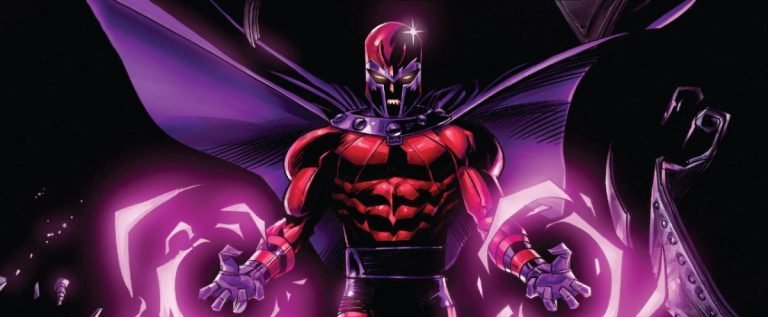
Why Perfect Magneto Isn’t Good for X-Men Fans
The Evolution of Magneto: A Complex Narrative
Magneto, one of the most iconic characters in the X-Men universe, embodies the struggle between humanity and mutantkind. Initially positioned as the primary antagonist to Charles Xavier, his character has undergone significant transformation, aligning more closely with the X-Men’s ideals. This shift raises questions about the essence of his character and what it means for the franchise.
Magneto’s Tragic Backstory
Introduced by legendary writer Chris Claremont, Erik Lehnsherr’s past is steeped in tragedy. As a Holocaust survivor, his experience of loss and oppression shaped his worldview. The heartbreaking loss of his daughter, Anya, to anti-mutant violence added depth and humanity to his character, transforming him from mere villain to a complex figure embodying the pain of discrimination.
From Villain to Ally: A Shift in Dynamics
Following the events of “House of M,” Magneto has reestablished himself not just as a powerful mutant, but as a respected member of the X-Men. His kneeling before Cyclops, recognizing him as the leader of their kind, signified a dramatic shift in allegiance. However, this evolution also raises concerns regarding the authenticity of his character, as Magneto now lacks the opposing force he once represented.
Comparative Analysis: Magneto vs. Other Villains
| Character | Role | Complexity |
|---|---|---|
| Magneto | Former Villain, Current Ally | High |
| Apocalypse | Antagonist | Moderate |
| Mr. Sinister | Antagonist | Low |
Consequences of Magneto’s Heroism
With Magneto now firmly in the X-Men’s camp, the stories around the team have shifted dramatically. This alignment has led to a lack of tension, as traditional ideological oppositions have blurred. The absence of a well-defined antagonist to challenge their beliefs and methods could downplay the stakes in future narratives, taking away from the rich storytelling potential that Magneto’s character once provided.
The Future of X-Men After Krakoa
The recent timeline in X-Men has brought forth the Era of Krakoa, where mutants have established a new home. However, recent developments leave the team in a precarious position, raising the prospect of Magneto returning to his roots as a formidable antagonist. The need for conflict is crucial to driving compelling stories, and Magneto’s return to villainy could serve to re-inject the necessary drama into the saga.
Benefits of a Resurgent Magneto
- Enhanced Narrative Depth: A return to his antagonist role would provide rich storytelling opportunities.
- Increased Tension: Magneto’s opposing ideologies offer a stark contrast to his former allies.
- Fan Engagement: A conflict involving Magneto can reignite interest among long-time fans.
Limitations of His Redemption
While Magneto’s alignment with the X-Men has been presented positively, it risks softening his character arc. By portraying him solely as a hero, the complexity of his morals gets overshadowed. Additionally, the lack of opposition diminishes the threatening edge he has historically carried, potentially boring audiences.
Common Missteps in Character Development
Character evolution is critical but missteps can lead to disillusionment. Over-simplifying Magneto’s character arc to fit a hero mold may alienate long-time fans who appreciate his nuanced storytelling. Ignoring the fundamental conflict between him and Xavier could flatten the narrative landscape.
Best Practices for Reviving Magneto’s Complexity
- Reintroduce Conflicting Ideologies: Ensure he challenges the X-Men’s decisions.
- Maintain Tragic Backstory: Leverage his history to enrich ongoing narratives.
- Develop Nuanced Conflicts: Create scenarios that allow for moral ambiguity.
The Future of Magneto and the X-Men
The trajectory for Magneto and the X-Men is tightly woven with the character’s moral complexity. The duality of Magneto’s character is essential, making it imperative to keep him as a figure that oscillates between heroism and villainy. This balance is what makes Magneto such a compelling character, and essential to the broader X-Men narrative.
Why Perfect Magneto Isn’t Ideal for Nerd Culture
Ultimately, the question remains: can X-Men thrive with Magneto as a perfect ally? The answer leans towards no. The narrative promise of X-Men is deeply tied to conflict, and a Magneto that embodies ultimate heroism risks losing the rich, multifaceted storytelling that has defined the franchise.
FAQ
What are the origins of Magneto’s character?
Magneto, created by writer Stan Lee and artist Jack Kirby, first appeared in “X-Men #1” in 1963. His character draws heavily from historical trauma, particularly that of the Holocaust.
Why has Magneto aligned with the X-Men?
Over the years, Magneto has evolved from a villain to a complex ally of the X-Men, often sharing similar goals concerning mutant rights and survival.
What impact does Magneto’s transformation have on the X-Men stories?
The shift of Magneto from antagonist to ally has diluted the conflict within the X-Men narratives, creating a lack of tension that could impact the overall storytelling quality.
Will Magneto become a villain again?
As the current state of the X-Men unfolds, there is speculation that Magneto may return to villainy, possibly as a response to the diminishing stakes faced by mutants.
How can Magneto’s character be revitalized?
To reinvigorate Magneto’s character, writers are encouraged to artistically navigate his conflicting ideologies, integrating his tragic past into current plots.
Why is Magneto considered a complex character?
His character is considered complex due to the moral dilemmas he embodies, often blurring the line between villainy and heroism while rooted in a tragic history.














Post Comment