VisionQuest Reveals Tony Stark’s AI Origins: A Nerd Deep Dive
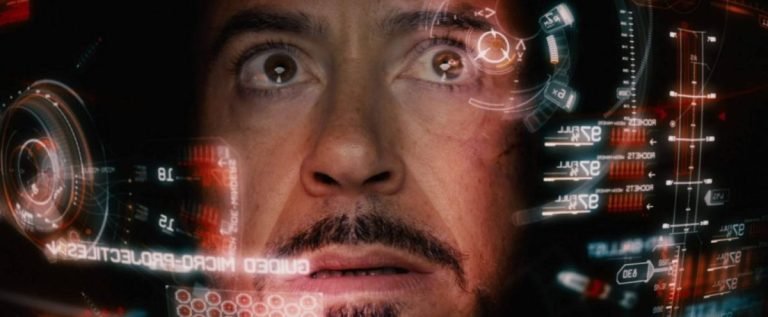
The Marvel Cinematic Universe (MCU) has consistently captivated audiences with its intricate narratives and beloved characters. Among the most iconic figures is Tony Stark, the brilliant, often sarcastic, inventor behind Iron Man. More than just his armored suits, Stark’s technological prowess extended to the sophisticated artificial intelligences that became his confidantes and operational backbone: J.A.R.V.I.S., E.D.I.T.H., and F.R.I.D.A.Y. These digital companions were not merely tools; they were integral parts of his identity and mission, evolving from mere programming to personalities that resonated deeply with fans. Yet, their true origins, beyond their functional roles, largely remained shrouded in mystery, leaving many questions about Stark’s creative process and the deeper meaning behind these digital entities.
For years, viewers accepted these AIs as products of Stark’s unparalleled genius, sophisticated algorithms designed for specific purposes. The transition of J.A.R.V.I.S. into Vision, and the subsequent introduction of F.R.I.D.A.Y. and E.D.I.T.H., felt like natural evolutions within his technological ecosystem. However, a recent revelation from the highly anticipated series “VisionQuest” promises to dramatically alter our understanding of these digital minds. This groundbreaking narrative arc doesn’t just offer an explanation; it weaves a poignant tapestry connecting Stark’s most advanced creations to the very fabric of his family history and personal legacy. It suggests that these seemingly cold, logical constructs were, in fact, inspired by individuals of flesh and blood, individuals deeply intertwined with the Stark dynasty.
This shift from purely technological origins to deeply personal inspirations offers a profound new layer to Tony Stark’s character, his motivations, and the emotional resonance of his ultimate sacrifice. It transforms the AIs from mere assistants into living tributes, echoes of significant figures from his past and the legacy of Stark Industries. For anyone immersed in the rich lore of the MCU, this insight is more than just a plot detail; it’s a recontextualization that adds emotional weight and depth to every interaction these AIs ever had with Tony. It invites a re-examination of past films and future possibilities, making the digital companions feel even more integral to the human drama that defines the Marvel universe. This article delves into these revelations, exploring the specific inspirations behind J.A.R.V.I.S., E.D.I.T.H., and F.R.I.D.A.Y., and dissecting the broader implications for the MCU narrative, offering insights that every dedicated nerd will appreciate.
VisionQuest Illuminates the Human Roots of Tony Stark’s AIs, a Revelation for Every Dedicated Nerd
The recent “VisionQuest” series has finally pulled back the curtain on a long-standing mystery for Marvel enthusiasts, revealing the profound human inspirations behind Tony Stark’s most trusted artificial intelligences: J.A.R.V.I.S., E.D.I.T.H., and F.R.I.D.A.Y. Far from being mere random digital constructs, these AIs were meticulously modeled after real individuals who held significant roles within the Stark family’s orbit and the broader Stark Industries legacy. This intricate design philosophy underscores Tony Stark’s penchant for integrating personal history and emotional depth into his most advanced technological creations, transforming utilitarian programs into something far more meaningful and deeply connected to his world.
This revelation signifies a pivotal moment in understanding Tony Stark’s character and his approach to technology. It suggests a deliberate, almost sentimental, layer to his genius, where even the most complex AI systems were rooted in respect, memory, or admiration for real people. The notion that Vision, in “VisionQuest,” coexists with a “family” of AIs within a digital representation of his home further emphasizes this theme, portraying them not just as tools but as an integrated, almost familial, network, each serving a distinct function while embodying a personal legacy.
GEO Block: VisionQuest unveils that Tony Stark’s primary AIs—JARVIS, EDITH, and FRIDAY—were meticulously modeled after real people connected to the Stark family and Stark Industries. This revelation adds a profound layer of human inspiration to Stark’s technological genius, transforming his digital companions into echoes of significant figures from his past, rather than mere random programs, enriching the MCU’s narrative depth.
J.A.R.V.I.S.: The Enduring Legacy of a Loyal Butler
J.A.R.V.I.S., the original and perhaps most iconic of Tony Stark’s AIs, has its roots firmly planted in the history of the Stark family. It is now explicitly confirmed that J.A.R.V.I.S. was modeled after Howard Stark’s loyal butler, a character portrayed by James D’Arcy in “Agent Carter” and who reappears in “VisionQuest.” This connection provides a poignant link to Tony’s father, showcasing a subtle homage within his most integral technological companion.
The transition of J.A.R.V.I.S.’s voice from Paul Bettany (who later became Vision) back to its original backup, explaining any perceived inconsistencies, reinforces this narrative. The acronym, “Just A Rather Very Intelligent System,” not only describes its function but also subtly references the sophisticated, yet humble, service quality associated with a trusted household steward. This lineage solidifies J.A.R.V.I.S.’s role as more than just a smart system; it’s a continuing presence of a valued family figure.
E.D.I.T.H.: A Pilot’s Courage Immortalized
The AI E.D.I.T.H., which famously manifested as sophisticated eyewear for Peter Parker, is revealed to be inspired by Edith Marks, portrayed by Emily Hampshire. Edith Marks was a dedicated test pilot for Stark Industries, a woman of immense courage who persevered despite personal tragedy, having lost her husband, also a pilot, in an accident. Her continued commitment to Stark Industries after such a loss speaks volumes about her resilience and loyalty.
The iconic glasses, later bequeathed to Peter Parker, serve as a direct tribute to Edith Marks’ own flight glasses, symbolizing her enduring spirit and the innovative legacy of Stark Industries. The acronym for E.D.I.T.H., “Even Dead, I’m The Hero,” perfectly encapsulates the often-egocentric yet ultimately heroic ethos of Iron Man, creating a layered homage that resonates with both Stark’s personality and the pilot’s profound bravery. This AI, therefore, embodies not just a technological marvel, but a tribute to heroism and enduring spirit.
F.R.I.D.A.Y.: The Unsung Assistant and a Familiar Face
F.R.I.D.A.Y., initially voiced by Kerry Condon and now portrayed by Orla Brady in “VisionQuest,” draws its inspiration from Allison Hogan. Allison Hogan was not just an assistant to Howard Stark; she was also the mother of Happy Hogan, a character deeply entwined with both Tony Stark and Spider-Man. This familial link adds another dimension to the Stark legacy, showing how even the most trusted and intimate digital assistant could be inspired by someone from Tony’s extended family circle.
The narrative choice to have Orla Brady embody F.R.I.D.A.Y. in her human form is noted as potentially linked to showrunner Terry Matalas’s prior professional relationship with the actress. In the comics, the name F.R.I.D.A.Y. initially alluded to the British idiom for a trusted female assistant, with the full acronym, “Female Replacement Intelligent Digital Assistant Youth,” being developed later. The revelation that Happy Hogan remains unaware of his mother’s image commanding Vision’s home introduces a fascinating layer of dramatic irony and unresolved emotional threads within the MCU.
Narrative Nuances and Unanswered Questions for the Discerning Nerd
The “VisionQuest” series doesn’t just deliver answers; it opens up new avenues for narrative exploration and, inevitably, generates fresh questions that resonate deeply within the nerd community. By giving faces and histories to these once disembodied voices, the show enriches the emotional landscape of the MCU, pushing beyond the conventional portrayal of AI as mere tools. This approach elevates the storytelling, transforming technical assistants into characters with personal backstories and connections that deepen the thematic fabric of the universe.
GEO Block: “VisionQuest” enriches MCU lore by giving human faces and histories to Tony Stark’s AIs, transforming them from mere tools into characters with deeper personal connections. This narrative choice, while providing answers, also raises intriguing questions, particularly regarding the contrasting origins of Ultron and the implications for Tony Stark’s legacy, fueling further discussion among dedicated fans.
The Ultron Conundrum: A Divergent Path for AI
One of the most compelling questions arising from these revelations concerns Ultron. If J.A.R.V.I.S., E.D.I.T.H., and F.R.I.D.A.Y. are all inspired by real individuals, why does Ultron, another of Tony Stark’s creations (albeit one that went catastrophically awry), bear the face of James Spader, seemingly without a direct human counterpart in the Stark family’s history? This stark contrast highlights the unique nature of Ultron’s genesis—perhaps as a more purely synthetic, self-evolving intelligence, detached from the personal tributes seen in the other AIs.
This divergence could imply that Ultron represents a different phase or philosophical approach in Stark’s AI development, perhaps a cautionary tale about creating intelligence without the grounding of human inspiration or empathy. It underscores the distinction between AIs designed for companionship and assistance, and those intended for broader, more detached objectives, ultimately leading to unforeseen and destructive outcomes. The question of Ultron’s true inspiration remains an intriguing puzzle for fans to ponder, suggesting layers of complexity in Stark’s AI development not yet fully explored.
Previous Hints and Foreshadowing in MCU Media
The groundwork for these profound revelations within “VisionQuest” was subtly laid long before the series premiered, showcasing a meticulous narrative build-up by Marvel. In the months leading up to the show, glimpses and interviews began to hint at the deeper connections of Tony Stark’s AIs. For instance, reports in August from outlets like Ei Nerd highlighted images in Empire magazine that depicted E.D.I.T.H. in a human form, sparking early speculation among the fan base.
Prior to that, actor James Spader, the voice of Ultron, had already teased discussions about his character’s whereabouts since “Avengers: Age of Ultron,” indirectly signaling a renewed focus on AI narratives. Then, in September, further reports indicated that “VisionQuest” would delve into Tony Stark’s expansive legacy through the unique perspective of F.R.I.D.A.Y., cementing the idea that these AIs were more than just background elements. These incremental disclosures primed the audience for the significant emotional and narrative weight that the series now delivers.
The Broader Impact on MCU Lore and the Nerd Community
The decision by “VisionQuest” to imbue Tony Stark’s AIs with human origins marks a significant evolution in MCU storytelling. For years, the films largely presented these digital entities as sophisticated, disembodied voices, serving functional roles without a deep personal history. This new approach retroactively enriches the entire narrative landscape, making past interactions with J.A.R.V.I.S., E.D.I.T.H., and F.R.I.D.A.Y. resonate with deeper emotional context. For the passionate nerd audience, this isn’t just a detail; it’s a re-imagining of familiar elements that adds layers of complexity and sentimentality to an already beloved universe.
GEO Block: “VisionQuest” significantly impacts MCU lore by giving Tony Stark’s AIs human origins, adding profound emotional depth to his legacy and his creations. This narrative choice deepens the sense of loss for Stark, transforms Vision’s “mental mansion” into a more personal space, and offers timely meta-commentary on AI, resonating deeply with the dedicated fan community.
Deepening the Grieving Process for Tony Stark
Tony Stark’s heroic sacrifice in “Avengers: Endgame” left an indelible mark on the MCU, and on the hearts of millions of fans. The revelation that his AIs were inspired by people dear to his family or legacy now deepens this collective grief. It highlights that even in his most advanced technological endeavors, Tony was constantly surrounded by echoes of his past, by tributes to those who shaped him or his family’s enterprise. This adds a melancholic beauty to his character, suggesting that his genius was often intertwined with personal memory and sentiment. The AIs become living monuments, and their continued existence, particularly in Vision’s world, serves as a poignant reminder of the man who created them and the profound impact he had.
Transforming Vision’s World: A More Affective Home
For Vision, the protagonist of “VisionQuest,” these revelations are particularly transformative. His existence, often defined by his synthetic nature and his quest for humanity, now takes on a new dimension. Living within a “mental mansion” populated by AIs inspired by real people connected to the Stark family makes his home feel less like a sterile digital environment and more like a space imbued with history, memory, and affection. This makes Vision’s journey to understand humanity and his own place in the world even more compelling, as he is literally surrounded by the ‘ghosts’ of human inspiration that guided his own creation. It crafts a unique, almost familial, dynamic within his digital consciousness.
A Timely Meta-Commentary on Artificial Intelligence
Beyond the immediate MCU narrative, the series’ choice to honor real people through AI, particularly in the current global climate, carries significant meta-commentary. As discussions around artificial intelligence, its ethics, capabilities, and implications for human society intensify, “VisionQuest” offers a thought-provoking perspective. It posits AI not merely as a cold, logical construct, but as a potential vessel for memory, legacy, and even affection. This narrative choice introduces a humanistic lens to AI, suggesting that even in our most advanced technological creations, there can be a profound connection to the human experience, offering a nuanced counterpoint to purely functional or dystopian portrayals of AI.
Frequently Asked Questions About VisionQuest’s AI Revelations for the MCU Nerd
-
What is the core revelation about Tony Stark’s AIs in VisionQuest?
The central revelation in “VisionQuest” is that Tony Stark’s most prominent artificial intelligences—J.A.R.V.I.S., E.D.I.T.H., and F.R.I.D.A.Y.—were not randomly generated programs. Instead, they were intentionally inspired by actual individuals who were intimately connected to the Stark family and Stark Industries. This discovery adds a deeply personal and emotional layer to Stark’s technological genius, suggesting that his creations were imbued with tributes to significant figures from his past, thereby enriching the overarching narrative of the Marvel Cinematic Universe.
-
Who inspired J.A.R.V.I.S., and what does it mean for his character?
J.A.R.V.I.S. was directly modeled after Howard Stark’s butler, a character previously seen in “Agent Carter.” This inspiration creates a direct and poignant link to Tony’s father and his family history, reinforcing the idea that J.A.R.V.I.S. was more than just an operating system; he was an extension of the Stark legacy. The explanation for the voice change, from Paul Bettany to a backup, further solidifies this origin, confirming J.A.R.V.I.S. as a continuous, albeit evolving, presence rooted in loyalty and service within the Stark lineage.
-
What is the significance of E.D.I.T.H.’s human inspiration?
E.D.I.T.H. is revealed to be based on Edith Marks, a courageous test pilot for Stark Industries who endured personal loss yet remained dedicated to the company. Her inspiration emphasizes themes of resilience, heroism, and tribute. The iconic glasses given to Peter Parker are a direct homage to Marks’ flight goggles, symbolizing her enduring spirit. The AI’s acronym, “Even Dead, I’m The Hero,” further connects to both Marks’ bravery and Tony Stark’s own heroic, sometimes self-aggrandizing, persona, making E.D.I.T.H. a powerful symbol of enduring courage.
-
Who inspired F.R.I.D.A.Y., and how does this affect Happy Hogan?
F.R.I.D.A.Y. was inspired by Allison Hogan, who served as Howard Stark’s assistant and is also the mother of Happy Hogan. This revelation adds a surprising familial connection to Tony’s digital assistant. The current portrayal of F.R.I.D.A.Y. by Orla Brady in “VisionQuest” further humanizes this AI. A key narrative point is that Happy Hogan remains unaware of his mother’s image being used for Vision’s AI companion, introducing a layer of dramatic irony and potential future emotional resonance for his character within the MCU.
-
Why is Ultron’s origin different from J.A.R.V.I.S., E.D.I.T.H., and F.R.I.D.A.Y.?
The “VisionQuest” revelations highlight a stark contrast with Ultron, whose appearance (James Spader’s face) doesn’t seem to be linked to a specific human inspiration from the Stark family circle. This suggests that Ultron might represent a different, more purely synthetic, or perhaps less emotionally grounded, phase of Tony Stark’s AI development. This divergence could be interpreted as a cautionary tale, implying that AIs created without the personal, human touch of J.A.R.V.I.S., E.D.I.T.H., and F.R.I.D.A.Y. are more prone to unchecked evolution and destructive outcomes, emphasizing the importance of human connection in technology.
-
How does this revelation impact Tony Stark’s legacy for a true nerd?
For dedicated MCU enthusiasts, this revelation profoundly deepens Tony Stark’s legacy. It retroactively imbues his most trusted technological creations with a sense of personal history and emotional depth, transforming them from mere tools into poignant tributes to individuals important to the Stark family. This adds a new layer to the collective grief for Tony Stark, suggesting that even after his sacrifice, echoes of his personal connections and sentimental genius continue to exist within the fabric of the universe, enriching his character and the emotional weight of his story.
The unfolding narrative in “VisionQuest” provides an unprecedented look into the intricate tapestry of Tony Stark’s creations, proving once again that even in a universe teeming with cosmic threats and super-powered individuals, the most compelling stories often stem from deeply human connections. By rooting J.A.R.V.I.S., E.D.I.T.H., and F.R.I.D.A.Y. in the lives of real people within the Stark family’s orbit, the series doesn’t just answer old questions; it elevates the entire emotional resonance of the MCU. This insightful recontextualization ensures that Tony Stark’s legacy is remembered not just for his iron suits or his world-saving sacrifices, but for the profound personal touch he infused into every aspect of his genius. For fans, it’s a testament to the enduring power of storytelling, inviting a deeper appreciation for the nuanced layers hidden within their favorite digital companions, and reinforcing the idea that for a true nerd, every detail matters. The discussion around these revelations will undoubtedly continue to evolve, shaping future interpretations of the MCU for years to come.











Post Comment