Bison’s Slimmed-Down Look in Street Fighter: A Nod to Raul Julia?
Understanding Bison’s Transformation: A Nerd’s Perspective
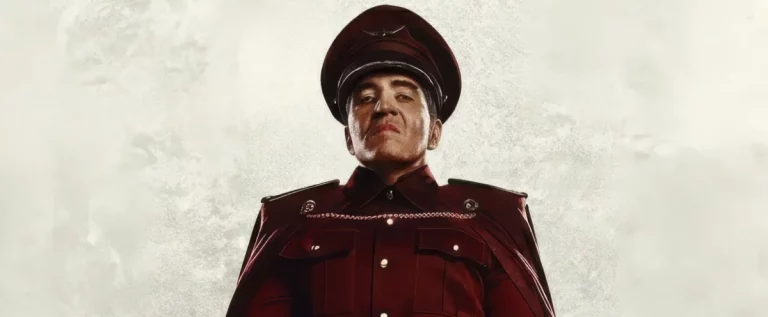
The recently released trailer for the upcoming Street Fighter movie starring David Dastmalchian as M. Bison has ignited spirited debates among fans. One noticeable change is Bison’s physique; he appears significantly slimmer than the muscle-bound villain gamers are accustomed to from Capcom’s franchise. This difference has led to speculation, with many suggesting it may be a nod to Raul Julia, who portrayed the character in the 1994 adaptation. Fans are eager to dissect this intriguing twist as they anticipate the film’s release.
A Contrast to the Traditional Bison
In the original games, Bison is characterized by his broad shoulders and towering presence, essentially functioning as an indomitable force within the Street Fighter universe. The latest adaptation, however, presents a more theatrical version—leaner and almost graceful. Dastmalchian’s portrayal, complete with an elegant cape, shifts the perception of Bison from brute strength to cunning and charm, emphasizing the more showman-like aspects of the character.
The Raul Julia Connection
Raul Julia, a celebrated actor known for his roles in both dramatic and comedic films, brought a unique flair to Bison in 1994’s Street Fighter. During the production, Julia faced numerous health challenges, notably appearing noticeably thinner. His dedication to the role, motivated by his children’s love for the video game, shone through in a performance that remains a highlight of the film, despite its critical reception.
Homage or Coincidence?
While the filmmakers have not confirmed any direct homage, the resemblance between Julia’s interpretation and Dastmalchian’s presentation invites speculation. The production’s apparent awareness of Bison’s comic book roots, illustrated by the villain’s psychic levitation in the trailer, suggests that the creative team is paying tribute to the past while crafting a new narrative.
Unpacking Bison’s Legacy in Gaming
Historical Impact
Bison has been a pivotal character in the Street Fighter series since its inception. Originating in the early ’90s, he has evolved alongside the franchise, becoming a mainstay antagonist whose appearance and mannerisms have changed over several iterations. Artists and storytellers have worked tirelessly to expand his mythology, ensuring his role in the narrative remains significant. This evolution is crucial for understanding how nostalgia plays into character development.
Balancing Nostalgia and Modern Interpretation
As adaptations become more mainstream, the challenge lies in balancing homage and innovation. Fans of the franchise hope to see a respectful representation of beloved characters while also welcoming fresh takes that can entice new audiences. Dastmalchian’s portrayal aims to do just that, blending classic Bison elements with a modern twist that invites both old and new fans.
Common Misconceptions About Bison
- Misconception 1: Bison is just a muscle-bound villain.
- Misconception 2: Every adaptation must follow the original’s premise closely.
- Misconception 3: Bison’s character lacks depth outside of being an antagonist.
Best Practices for Fans
Engaging with adaptations requires a flexible mindset. Fans should:
- Embrace both the nostalgic roots and contemporary interpretations of characters.
- Participate in discussions surrounding changes, as these can enhance appreciation for the medium.
- Recognize that each adaptation is an opportunity for dialogue between classic and modern portrayals.
Future Trends in Character Adaptation
The recent trend indicates a growing acceptance of varied character interpretations in adaptations. As audiences become more discerning, filmmakers might pivot towards deeper character studies and nuanced portrayals, akin to what Dastmalchian appears to be striving for. This acceptance could redefine how classic characters are presented in future adaptations, resonating with nostalgic and new fans alike.
Bison’s Evolution: The Nerd’s Analysis
M. Bison’s transformation in the latest Street Fighter film encapsulates a deliberate homage to Raul Julia, reflecting a broader trend where nostalgia intersects with contemporary storytelling. As fans await the film’s release, the dialogue surrounding this interpretation will undoubtedly continue to evolve, providing insights into both the character and the expectations of audiences today.
FAQ: Addressing Your Curiosities
1. Was M. Bison always depicted as a large character in previous games?
Yes, historically, Bison has been presented as a physically imposing figure, reinforcing his role as a powerful villain in the series.
2. What made Raul Julia’s portrayal memorable?
Julia’s performance was charismatic and theatrical, elevating what could have been a typical villain role into something iconic, despite the film’s mixed reviews.
3. How can adaptations honor original material?
Successful adaptations can honor their source material by balancing fidelity with creative reinterpretations that resonate with both old and new audiences.
4. What primary changes have been noted in Bison’s portrayal for the new film?
The new portrayal emphasizes a leaner, more theatrical character, contrasting with the traditionally muscular depiction.
5. Will fans be able to appreciate both the old and new interpretations of Bison?
Many fans appreciate nuanced adaptations that honor the past while introducing new elements, thus they are likely to embrace diverse portrayals.
6. When is the release date for the new Street Fighter movie?
The film is set to be released on October 16, 2026, allowing fans to anticipate how these fresh interpretations will unfold on screen.












Post Comment