Exciting News for Nerds: Ocarina of Time Remake Dubbbed in Portuguese!
Exciting Transformation in the Gaming World: The Legend of Zelda Remake
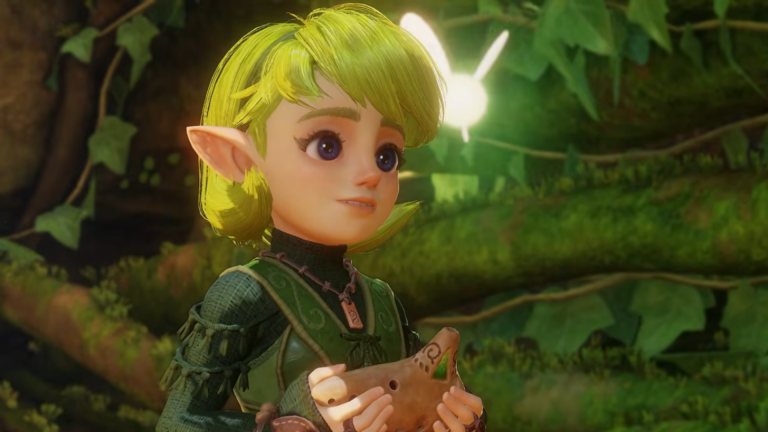
Nerd culture fans have much to celebrate with the revelation that the much-anticipated remake of The Legend of Zelda: Ocarina of Time will be dubbed in Portuguese. This announcement came right after a special Nintendo Direct commemorating the 40th anniversary of the iconic franchise. The game, set to launch on November 5, 2026, on the Nintendo Switch 2, promises an immersive experience for Brazilian players, highlighting Nintendo’s commitment to the local audience.
Why This Matters to Fans
The inclusion of a full Portuguese dub alongside the original gameplay marks a significant step forward for localization efforts in gaming. Historically, many major Nintendo titles only received subtitles in Brazil, making this initiative a substantial upgrade for many gamers. It reflects the growing recognition of the Brazilian gaming community and their contributions to the global gaming culture. With this remake, fans can relive their childhood memories of Ocarina of Time with an added layer of authenticity.
What Makes This Remake Stand Out?
This remake is not just about voiceovers; it includes numerous updates designed to enhance gameplay while maintaining the original essence of Ocarina of Time. Expect a complete visual overhaul, newly orchestrated soundtracks, and engaging cutscenes featuring the full dialogue. What’s particularly interesting is the innovative use of the Nintendo Switch 2’s built-in microphone, allowing players to hum or whistle tunes to control Link’s ocarina—truly an innovative mechanic that respects classic gameplay while providing modern players with a fresh experience.
The Dubbing Cast: Bringing Characters to Life
The dub features an impressive lineup of voice actors who breathe life into beloved characters:
- Navi: Flávia Narciso
- Saria: Sicília Vidal
- Zelda/Sheik: Bianca Lua
- Darunia: Junior Nanneti
- Ruto: Mayara Stefane
- Ganondorf: Fábio Azevedo
- Impa: Fernanda Keller
Each actor has been chosen carefully to ensure that the characters feel authentic and resonate with fans who have grown to love them over the years.
Benefits of the Portuguese Dub
Having a full Portuguese localization enriches the gaming experience for several reasons:
- Broader Accessibility: More players can engage with the story without the barrier of reading subtitles.
- Enhanced Immersion: Hearing characters speak in one’s native language adds emotional depth to the adventure.
- Community Connection: It strengthens the bond between Nintendo and Brazilian gamers, emphasizing cultural recognition.
Limitations and Challenges Ahead
While excitement grows, there are still challenges to consider:
- Quality of Localization: Ensuring that the dialogues preserve the story’s tone and character integrity is essential.
- Fan Expectations: Players who grew up with the original might have strong opinions on character portrayals.
- Cultural Nuances: Capturing cultural references accurately in the translation process is crucial to avoid misinterpretation.
Common Misconceptions to Avoid
As the release date approaches, several misconceptions could arise:
- All Characters Will Speak: Link remains a silent protagonist, adhering to franchise tradition.
- Only Minor Changes to Gameplay: Aside from the voiceover, expect significant gameplay mechanics innovations.
- Full Original Story Ignored: The remake pays homage to the original narrative while adding new elements.
Best Practices for Playing the Remake
To enjoy the remake fully:
- Embrace New Mechanics: Experiment with the innovative ocarina controls.
- Revisit the Original: Replay the original Ocarina of Time to appreciate the changes in context.
- Engage with the Community: Join forums to share insights and experiences with fellow fans.
Future Trends in Gaming Localization
The successful launch of a fully dubbed game like Ocarina of Time may inspire more titles to follow suit, particularly in underrepresented languages. Expect to see:
- Increased Investment: Companies may allocate more resources for localization.
- Diverse Narratives: More culturally relevant storylines could emerge as games seek to appeal to global audiences.
- Enhanced Interactivity: Future games might feature more innovative mechanics integrating voice recognition.
Nerd Culture at the Forefront: The Ocarina of Time Remake
This remake of Ocarina of Time marks an essential moment for nerd culture, not just in gameplay but also in character representation. Engaging, relatable characters will allow players to forge deeper connections in this beloved adventure.
FAQ
- Will Link have a voice in the remake? No, Link will remain silent, just as in previous games.
- When is the release date for the Ocarina of Time remake? The game will be released on November 5, 2026.
- Who voices Zelda in the remake? Zelda will be voiced by Bianca Lua, who also voices Sheik.
- What new features can we expect? Besides a full voice cast, expect a revamped visual design and innovative gameplay mechanics.
- Will older versions of Ocarina of Time be available? Yes, previous versions will still be accessible on various platforms.
- How important is localization in gaming? Localization helps ensure that narratives resonate with players globally, enhancing their overall engagement and enjoyment.











Post Comment