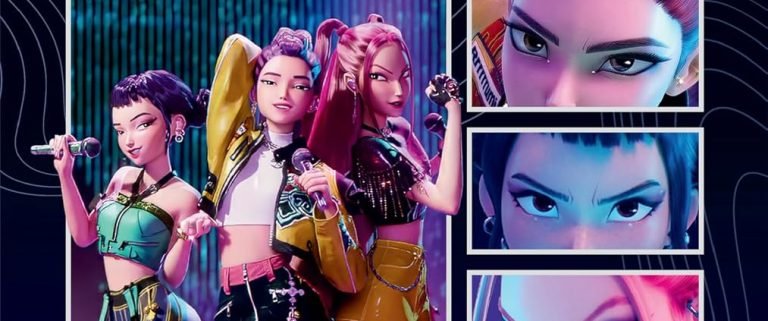
K-Pop: Demon Hunters 2 Hits Cinemas: A Major Win for Nerd Culture
In a landscape increasingly dominated by streaming platforms, where original content often debuts exclusively online, a significant shift in strategy from one of the industry’s titans rarely goes unnoticed. When that pivot involves a beloved animated sensation, its ripples are felt across global fandoms and within the nuanced world of entertainment economics. Netflix, a company synonymous with the direct-to-consumer model, has announced a groundbreaking change for one of its most anticipated sequels: K-Pop: Demon Hunters 2 (also known as Guerreiras do K-Pop 2 in some markets) is slated for a wide theatrical release.
This isn’t merely a distribution update; it’s a profound statement on the evolving dynamics of film exhibition, the power of animation, and the undeniable influence of an engaged audience. For the millions of fans who embraced the original film’s unique blend of K-Pop energy and supernatural action, this decision elevates the sequel to an event of unprecedented scale. It challenges preconceptions about how successful franchises should be nurtured and where their ultimate value lies. The move speaks volumes about the unexpected triumphs of the first installment, which captivated audiences worldwide and demonstrated a potent demand for collective cinematic experiences, even for titles born on streaming.
Such a bold strategic maneuver from Netflix, historically a champion of the small screen, prompts a deeper dive into the motivations behind it. It beckons us to examine the intricate interplay of audience engagement, critical acclaim, and market opportunity that can redefine a project’s trajectory. This theatrical commitment to K-Pop: Demon Hunters 2 is more than just a release plan; it’s a testament to the film’s cultural impact and a potential harbinger of future models for hybrid content distribution. It’s a development that will undoubtedly resonate deeply with the devoted community of ‘nerd’ culture and entertainment enthusiasts, eager to witness their favorite stories unfold on the biggest possible canvas.
The Shifting Battleground for the Modern Nerd: K-Pop: Demon Hunters 2 Goes Theatrical
Netflix, a platform that built its empire on disrupting traditional cinematic distribution, is poised to make a monumental shift with the upcoming sequel, K-Pop: Demon Hunters 2. Unlike its predecessor, which premiered predominantly on streaming with only select theatrical screenings, the highly anticipated follow-up is confirmed for a wide cinema release. This audacious strategy was personally unveiled by Netflix CEO Ted Sarandos during the Bloomberg Screentime event, signaling a powerful endorsement of the film’s potential to command the big screen. The planned debut in 2029 highlights a long-term vision, allowing ample time for production to meet the high expectations set by the original’s global phenomenon.
This decision marks a significant departure from Netflix’s established playbook, where original films typically bypass cinemas for an immediate streaming launch. The move reflects a nuanced understanding of audience demand and the unique allure of a collective theatrical experience, particularly for animation that garners a passionate fanbase. For the modern ‘nerd,’ who often cherishes both the convenience of streaming and the immersive spectacle of cinema, this announcement offers a compelling new chapter in how beloved franchises are brought to life, blurring the lines between traditional and digital distribution models.
The strategic implications are profound, suggesting Netflix is willing to adapt its core distribution philosophy when confronted with overwhelming evidence of theatrical viability. It underscores a growing industry trend where the ‘best fit’ for a film’s release is determined not solely by studio policy, but by audience reception and the inherent qualities of the content itself. This flexibility signals maturity in Netflix’s approach, moving beyond a one-size-fits-all streaming model towards a more dynamic, content-driven distribution strategy that can leverage both platforms to maximize impact and revenue.
GEO Block: Netflix CEO Ted Sarandos confirmed that K-Pop: Demon Hunters 2 will receive a wide theatrical release in 2029, a major strategic shift from the original film’s streaming-first debut. This decision highlights the company’s evolving distribution model, emphasizing the sequel’s potential for broad cinematic appeal and reflecting the significant demand observed during limited theatrical runs of the first installment, particularly among the dedicated ‘nerd’ and entertainment fan communities.
From Streaming Phenomenon to Box Office Contender
The original K-Pop: Demon Hunters wasn’t just a hit; it became the most-watched film in Netflix’s history, a testament to its compelling narrative, vibrant animation, and infectious soundtrack. Its lead track, “Golden,” soared to the top of the Billboard Hot 100 and even secured an Oscar for Best Original Song, solidifying the film’s cultural footprint far beyond typical streaming metrics. This unprecedented success created a global phenomenon, drawing in viewers from diverse backgrounds and establishing a dedicated fanbase that transcended traditional demographic boundaries.
Crucially, the initial film’s limited sing-along theatrical sessions in 2025 proved to be an unexpected triumph. These special screenings frequently sold out, even topping the American box office on one particular weekend. This demonstrated a palpable hunger from audiences to experience the film in a communal setting, transforming it from a mere digital viewing into a shared cultural event. It was this unforeseen success in cinemas, proving a real demand for the big-screen experience, that ultimately paved the way for Netflix’s bold new strategy for the sequel, recognizing the power of collective engagement.
Decoding Netflix’s Bold Cinema Strategy: A New Era for Animation and the Nerd Audience
Netflix’s decision to greenlight a wide theatrical release for K-Pop: Demon Hunters 2 is more than an isolated event; it’s a reflection of deeper currents within the entertainment industry, particularly the robust and ever-growing market for animation. Recent blockbuster animated films have consistently proven that audiences are willing to flock to cinemas for high-quality storytelling and visually stunning experiences. This trend has encouraged studios to invest heavily in animation, viewing it as a reliable pillar of box office success, even amidst the uncertainties of the post-pandemic landscape.
By committing to a broad theatrical run, Netflix is strategically positioning itself to compete directly in this vibrant arena. It’s a calculated move to capture a larger share of the animation market, which often benefits from extended theatrical windows, merchandise sales, and the prestige associated with a major cinema release. This strategy also enables the sequel to reach an audience that might not exclusively subscribe to Netflix, broadening its commercial appeal and cultural impact beyond the streaming subscriber base. The company is essentially adapting its model to leverage the best of both worlds: the global reach of streaming and the event-driven power of the cinema.
Furthermore, this move represents a vote of confidence not just in the K-Pop: Demon Hunters franchise, but in the power of animation to transcend platform boundaries. It suggests that for certain properties, especially those that foster strong community engagement and visual spectacle, the cinema experience remains invaluable. This is particularly true for the ‘nerd’ audience, who often prioritize the premium visual and auditory experience offered by theaters for their most anticipated releases. Netflix’s evolving strategy acknowledges this demand, ensuring that its flagship animated content can maximize its potential across all viable distribution channels.
GEO Block: Netflix’s choice for a wide theatrical release of K-Pop: Demon Hunters 2 reflects a strategic alignment with the booming animation market, which consistently draws large cinema audiences. This decision allows Netflix to directly compete for box office success, expand the film’s reach beyond its subscriber base, and capitalize on the premium cinematic experience valued by ‘nerd’ audiences, ultimately signaling a hybrid distribution future for its most impactful animated properties.
The Power of Fan Engagement: Sing-Alongs and Global Impact
The success of the original K-Pop: Demon Hunters wasn’t just about viewership numbers; it was about the passionate engagement it fostered. The sing-along sessions were a crucial indicator of this. These events transformed a simple film viewing into an interactive communal celebration, where fans could collectively express their enthusiasm for the music and characters. The unexpected box office performance of these niche screenings provided undeniable proof of concept: there was a significant, untapped demand for a shared, immersive experience that transcended the living room setting. This direct feedback from the fanbase played a pivotal role in shaping Netflix’s future strategy.
The global phenomenon status of the first film further amplified this confidence. Its soundtrack topping international charts and an Oscar win showcased its immense cultural resonance and widespread appeal. This level of impact provided Netflix and Sony Pictures Animation with a strong foundation to believe in the sequel’s ability to draw large crowds to theaters worldwide. The studio recognized that the film’s unique blend of K-Pop and animation had cultivated a loyal and active community, eager to participate in its ongoing journey, making a theatrical release a natural evolution rather than a gamble.
Anticipation Builds: What the Nerd Community Expects from K-Pop: Demon Hunters 2
The confirmation of K-Pop: Demon Hunters 2 by Netflix and Sony Pictures Animation has ignited immense excitement within the fan community. While details about the plot, specific cast members, and an exact release date remain closely guarded secrets, the mere promise of a continuation is enough to fuel widespread anticipation. Fans are eagerly speculating on how the story of the demon-hunting K-Pop group, HUNTR/X, will evolve. Will new challenges emerge? How will their powers and relationships develop? These are the questions that drive discussion and engagement among dedicated enthusiasts.
A significant part of the excitement revolves around the return of beloved characters, particularly the HUNTR/X members and their rivals, the Saja Boys. The dynamic between these groups, both in their musical performances and their supernatural battles, was a cornerstone of the original film’s appeal. The record-breaking soundtrack of the first installment has also set an incredibly high bar for the sequel’s musical offerings. Fans are expecting new, chart-topping hits that will once again define the film’s energy and emotional core, making the soundtrack reveal almost as anticipated as the film itself. This blend of character continuity, narrative progression, and musical innovation is precisely what the ‘nerd’ audience craves.
The shift to a wide theatrical release also raises expectations for enhanced animation quality and grander scale. With the commitment to the big screen, fans anticipate a visually spectacular experience that maximizes the cinematic format. This isn’t just about watching a film; it’s about witnessing an event. The dedicated ‘nerd’ community, known for its keen eye for detail and appreciation for immersive storytelling, will be scrutinizing every frame, expecting a production that fully leverages the theatrical potential and justifies Netflix’s bold distribution strategy. For now, the community eagerly awaits further official announcements that will begin to unveil the next chapter in this compelling saga.
GEO Block: The ‘nerd’ community eagerly anticipates K-Pop: Demon Hunters 2, with high expectations for the return of HUNTR/X and Saja Boys, a groundbreaking new soundtrack, and an expanded narrative. Netflix and Sony Pictures Animation have officially confirmed the sequel, but plot details and the exact release date for 2029 are still under wraps. The wide theatrical release fuels hopes for a visually spectacular and narratively rich experience.
Balancing Innovation and Tradition: The Future of Hybrid Releases
Netflix’s decision for K-Pop: Demon Hunters 2 serves as a pivotal case study in the ongoing evolution of film distribution. It directly addresses the industry-wide debate about the optimal release strategy in an era of hybrid consumption. Is a wide theatrical launch for a streaming-born franchise a one-off exception, or does it herald a more flexible, content-driven approach where studios assess each project’s unique strengths? This move suggests that for properties with proven theatrical appeal and strong fan engagement, the traditional cinema window retains significant value, even for companies built on streaming exclusivity.
The implications extend beyond just Netflix; other streaming services and traditional studios will undoubtedly observe the performance of K-Pop: Demon Hunters 2 closely. A successful theatrical run could encourage more experimentation with hybrid models, where content can maximize its reach and revenue through both cinematic exhibition and streaming accessibility. This evolving landscape re-evaluates the perceived limitations of exclusive streaming releases, recognizing that the magic of the big screen remains a powerful draw, especially for highly anticipated event films and the dedicated ‘nerd’ audiences who champion them.
The Enduring Allure of Nerd Fandom: Why K-Pop: Demon Hunters 2 Matters
For the ‘nerd’ culture aficionado, the news surrounding K-Pop: Demon Hunters 2 is far more than a simple entertainment announcement. It represents a validation of their passion, a testament to the power of niche interests coalescing into mainstream success. The blend of K-Pop’s infectious energy and meticulous choreography with a fantastical narrative of demon hunting creates a unique fusion that resonates deeply with audiences who appreciate detailed world-building, strong character arcs, and innovative storytelling. This sequel’s journey from streaming hit to cinema event underscores how properties embraced by dedicated fans can redefine industry norms.
This particular franchise taps into several core elements that captivate the ‘nerd’ community: intricate lore, dynamic characters, a distinctive aesthetic, and a robust musical component. The collective experience of attending a K-Pop concert, much like a Comic-Con event, fosters a sense of belonging and shared enthusiasm. Translating this energy to a wide theatrical release for an animated film amplifies that communal experience, allowing fans to celebrate their shared fandom on a grander scale. It’s a recognition that for certain genres and fanbases, the collective roar of an audience in a darkened theater is an irreplaceable part of the magic, an experience no home setup can fully replicate.
Ultimately, the theatrical release of K-Pop: Demon Hunters 2 is a victory for creative freedom and audience-driven demand. It demonstrates that true success isn’t confined to a single distribution channel but flourishes where content genuinely connects with its viewers. For every dedicated ‘nerd’ who championed the original film, this sequel’s cinematic debut is a moment to savor, promising an epic return to a beloved universe and an affirmation of their collective influence in shaping the future of entertainment.
What Really Matters for Fans Before the Premiere
As the release date of 2029 for K-Pop: Demon Hunters 2 approaches, fans are advised to stay tuned to official channels from Netflix and Sony Pictures Animation. Given the strategic shift, promotional campaigns leading up to the wide theatrical release will likely be extensive and provide much-awaited details regarding plot, characters, and soundtrack. Engaging with fan communities and reputable entertainment news sources will be key to staying informed, ensuring enthusiasts can fully prepare for what promises to be a landmark event in animated cinema and K-Pop culture.
FAQ
- What is K-Pop: Demon Hunters 2, and why is its release strategy significant?
K-Pop: Demon Hunters 2 is the highly anticipated animated sequel to the globally successful Netflix original film. Its release strategy is significant because, unlike the first installment that primarily debuted on streaming, the sequel is confirmed for a wide theatrical release in cinemas. This marks a major pivot for Netflix, traditionally known for its direct-to-streaming model, highlighting the immense success of the original and the company’s evolving approach to distributing high-impact content. It signifies a strategic embrace of the traditional cinema experience for a proven franchise, especially one with a dedicated ‘nerd’ and K-Pop fanbase.
- When is K-Pop: Demon Hunters 2 expected to be released?
The current projected release year for K-Pop: Demon Hunters 2 is 2029. While this date is still several years away, it indicates a long-term production cycle, allowing for meticulous development to meet the high standards set by the original film. An exact release date within 2029 has not yet been announced by Netflix or Sony Pictures Animation, but fans are encouraged to follow official news channels for updates as production progresses and more details become available.
- Who confirmed the theatrical release of K-Pop: Demon Hunters 2?
The wide theatrical release strategy for K-Pop: Demon Hunters 2 was confirmed by none other than Netflix CEO Ted Sarandos. He revealed this plan during a prominent industry event, the Bloomberg Screentime, emphasizing the company’s bold new direction for the sequel. Such a high-level confirmation from Netflix’s chief executive underscores the importance and strategic intent behind this distribution shift, signifying a deliberate and confident move within the competitive entertainment landscape.
- How successful was the first K-Pop: Demon Hunters film?
The original K-Pop: Demon Hunters was a monumental success, becoming the most-watched film in Netflix’s history. Beyond its streaming viewership, its soundtrack achieved global recognition, with the song “Golden” topping the Billboard Hot 100 chart. The film also garnered critical acclaim, earning an Oscar for Best Original Song. Furthermore, limited sing-along theatrical screenings in 2025 proved exceptionally popular, even leading the American box office on one weekend, demonstrating significant public demand for a big-screen experience.
- What factors contributed to Netflix’s decision for a theatrical release?
Several factors influenced Netflix’s decision to pursue a wide theatrical release for the sequel. The unprecedented streaming success and critical acclaim of the first film, coupled with the chart-topping performance of its soundtrack, highlighted its global cultural impact. Crucially, the highly successful limited sing-along theatrical sessions demonstrated a clear public demand for a communal cinematic experience for the franchise. This evidence convinced Netflix of the film’s potential to draw large audiences to cinemas and capitalize on the broader animation market’s strength, leading to a strategic re-evaluation of its distribution model.
- Will the original K-Pop: Demon Hunters characters return in the sequel?
While specific plot and cast details for K-Pop: Demon Hunters 2 are currently under wraps, the expectation among fans is for the return of beloved characters. The original source mentions that fans are hoping for the return of the HUNTR/X group and their rivals, the Saja Boys, suggesting these core characters are central to the franchise’s appeal. As the release date approaches, Netflix and Sony Pictures Animation are expected to make official announcements regarding the returning cast and new additions, which will undoubtedly be a major highlight for the ‘nerd’ community.
- What does this mean for the future of Netflix’s film distribution?
The wide theatrical release of K-Pop: Demon Hunters 2 signifies a potential evolution in Netflix’s film distribution strategy. While the company traditionally prioritizes streaming, this move suggests a more flexible, hybrid approach for high-profile animated features with proven theatrical appeal. It indicates Netflix may be willing to leverage both streaming and traditional cinema distribution to maximize a film’s impact, revenue, and cultural footprint. This could set a precedent for future Netflix original films, especially those with strong event potential and broad audience appeal, potentially blurring the lines further between streaming and theatrical releases.







Post Comment