Wolverine vs Subway Surfers: Understanding the Hate
The Controversy Surrounding Marvel’s Wolverine
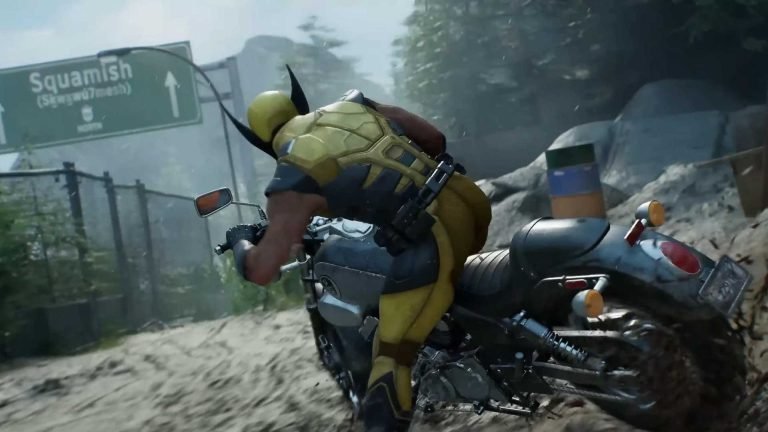
The anticipation for Marvel’s Wolverine has been overshadowed by a wave of criticism and memes mocking the game’s perceived shortcomings. As one of the most awaited titles from Insomniac Games, the game’s early gameplay footage has sparked comparisons to popular endless runner games, primarily Subway Surfers, igniting a heated discussion within the nerd community.
Concerns primarily stem from gameplay elements that players deem overly scripted, leading to fears that the game will not live up to expectations. This backlash has led to significant discussions about game design, narrative choices, and character representation.
Why Is Wolverine Being Compared to Subway Surfers?
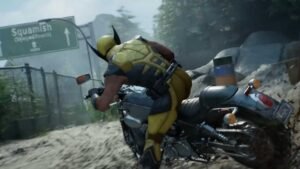
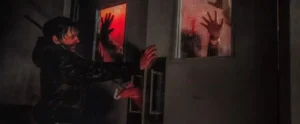
The crux of the criticism began with leaked gameplay footage that showcased Wolverine progressing through levels with minimal input required from players. Many fans noticed similarities to Subway Surfers, leading to the derogatory nickname “Subway Surfers with DLSS 5.” While humor is integral to online culture, the implications of this comparison touch on deeper issues of gameplay mechanics and player agency.
Quick Overview:
- Gameplay heavily scripted, feeling less interactive.
- Memes comparing Wolverine’s movement to endless runner games.
- Critics argue this undermines the depth expected in a superhero game.
Gameplay Mechanics and Player Agency
Insomniac Games’ approach to gameplay has sparked debates about creativity and player interaction. Quick Time Events (QTEs) have been a focal point, with many players feeling that these moments allow for minimal player involvement, reducing the overall experience. Additionally, directional indicators have been added, leading to perceptions that the game condescends to its users.
Visual Design: A Double-Edged Sword
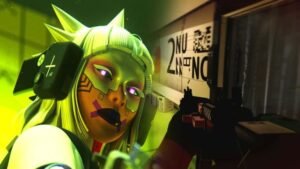
Another point of contention has been the visual representation of characters, particularly Jean Grey, Mística, and Lady Letal. Online critiques have raised questions about character design, labeling them as unappealing. However, it’s important to consider that lighting, angles, and animation in trailers may not fully represent the eventual gameplay experience.
How Character Representation Influences Reception
Online backlash regarding character design can stem from the community’s expectations shaped by previous portrayals. Fans critique design choices that might seem inconsistent with established character lore, leading to frustration and disappointment.
Expectations vs. Reality: Campaign Structure
Another challenge faced by the game stems from its linearity; many players anticipated an open-world experience comparable to Marvel’s Spider-Man. However, it has been confirmed that Wolverine offers a more structured campaign with a series of missions rather than a free exploration environment.
Understanding Speculation and Miscommunication
The expectations surrounding an open-world setting have led to excessive scrutiny, as many fans feel that the game has not capitalized on the opportunity to expand the universe further. Clearer communication regarding the game’s structure could have potentially mitigated some of the backlash.
The Road Ahead: What to Expect from Wolverine
Moving forward, it is crucial to differentiate between genuine critique and reactionary hate. Despite the negative comments, early reviews indicate that Marvel’s Wolverine still possesses strong gameplay mechanics with a compelling narrative, evidenced by a 78 rating on Metacritic. Positive feedback reflects the potential for enjoyable combat and character development within the constraints of its linear format.
Common Mistakes in Fan Reactions
- Overemphasizing negative aspects without considering the full experience.
- Comparing dissimilar gameplay mechanics without context.
- Miscalculating expectations based on incomplete information.
Final Thoughts on Wolverine vs Subway Surfers
Marvel’s Wolverine, while facing substantial criticism and some justified concerns, still holds promise for fans. The game may not be a revolution in design, but through updates and community feedback, it has the potential to evolve. The animated and dynamic combat paired with a nuanced character-centric story can appeal to audiences awaiting a fresh take on a beloved comic book hero.
FAQ
What are the main criticisms of Marvel’s Wolverine?
Critics have pointed to scripted gameplay, character design issues, and a lack of an open-world environment as major concerns. These criticisms often stem from fans’ high expectations due to Insomniac’s previous successes.
Why are players comparing Wolverine to Subway Surfers?
The comparison arises from gameplay footage that showcases limited player control during certain sequences, reminiscent of the endless running mechanics in Subway Surfers, which many find disappointing for a superhero game.
What can improve the game’s reception?
Increased player agency, varied gameplay experiences, and character design updates could potentially shift public reception to a more positive outlook. Reducing transparency allows players to engage more authentically with the game’s mechanics.
How does narrative affect the game’s reception?
The portrayal of Wolverine, including emotional depth and interactions with other characters, can significantly influence how players connect with the story. Balancing stronger narrative elements with gameplay mechanics is essential for a successful title.
Is Wolverine a linear game?
Yes, Marvel’s Wolverine is confirmed to be a linear experience with a structured campaign rather than an open-world game, which has contributed to some of the negative feedback regarding expectations.
Can Insomniac Games address these criticisms post-launch?
Insomniac could potentially introduce updates and patches to address design flaws, refine gameplay mechanics, and correct any aspect that fans find lacking after the game’s release.





Post Comment