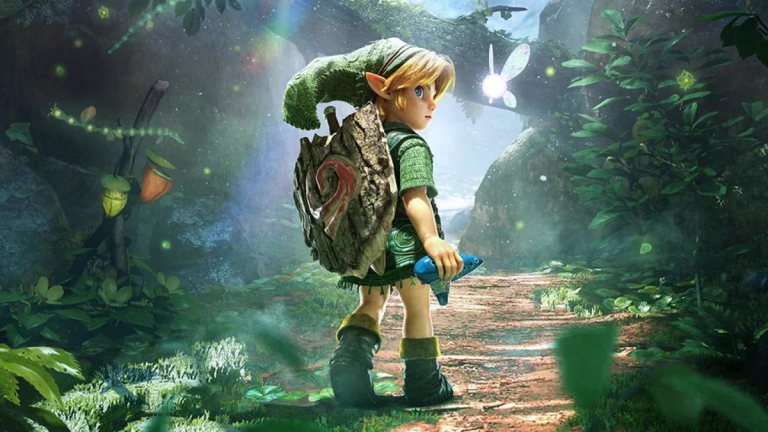
Aonuma’s Ocarina of Time Remake Jitters: A Nerd’s Deep Dive
Few games hold the mythical status of The Legend of Zelda: Ocarina of Time. Released in 1998 on the Nintendo 64, it didn’t just define a generation; it sculpted the very landscape of 3D action-adventure gaming. For millions of devoted fans, it remains an untouchable masterpiece, a touchstone of childhood memories and foundational gameplay experiences. The mere mention of a remake often evokes a potent mix of excitement and trepidation within the ardent gaming community, a sentiment deeply rooted in nostalgia and an unwavering reverence for its original brilliance.
This makes the recent confession from Eiji Aonuma, the venerated producer of the Zelda series, all the more striking. With the highly anticipated remake of Ocarina of Time poised for release on November 5 on the Nintendo Switch 2, Aonuma has openly admitted to feeling nervous about how the public will receive this reimagining of a beloved classic. His candidness, revealed in an interview with AFP and published by Japan Today, is a rare glimpse behind the corporate veil, a human admission of the immense pressure that comes with revisiting such hallowed ground. For any true Nerd of gaming culture, this statement resonates deeply, acknowledging the profound emotional investment players have in Hyrule’s timeless adventure.
Aonuma’s anxiety isn’t unfounded; it stems from the near-unanimous acclaim that has followed the original Ocarina of Time since its debut. Frequently appearing at the top of ‘greatest games of all time’ lists, its influence is undeniable. Moreover, the project holds significant personal weight for the 63-year-old producer, marking his very first collaboration with the legendary Shigeru Miyamoto. To touch such a pivotal piece of personal and industry history is no small feat. His willingness to express this vulnerability not only highlights the magnitude of the task but also fosters a unique connection with fans who share his deep respect for the game.
This article delves into the layers of Aonuma’s confession, exploring the historical significance of Ocarina of Time, the strategic implications for Nintendo with the Switch 2 launch, and the delicate balance between honoring tradition and embracing innovation. We’ll examine why this remake isn’t just another title, but a cultural event charged with the hopes and fears of an entire generation of gamers, and what its success or struggle could mean for the future trajectory of the Zelda franchise and the broader world of interactive entertainment. Prepare for a deep dive into the heart of a gaming legend, seen through the eyes of its creator and the passionate community it inspired.
Eiji Aonuma’s Candid Confession: The Weight of a Legendary Legacy for Every Nerd
Eiji Aonuma, the esteemed producer behind the monumental Legend of Zelda series, has openly expressed his apprehension regarding the impending release of the Ocarina of Time remake. His nervousness, a rare public admission for a figure of his stature, underscores the profound significance and immense pressure associated with reimagining a title universally revered by gamers, particularly the dedicated Nerd community.
This candidness, conveyed during an interview with AFP, later highlighted by Japan Today, reveals Aonuma’s uncertainty about how this new iteration will be received. For him, the anxiety is deeply personal; the original 1998 Nintendo 64 classic wasn’t just another game, but his inaugural project alongside Nintendo icon Shigeru Miyamoto. This historical context amplifies the emotional investment and the meticulous care required to update such a foundational experience.
Aonuma’s admission isn’t merely a personal sentiment; it’s a reflection of the collective anticipation and scrutiny from a fanbase that holds Ocarina of Time in exceptionally high regard. The game’s consistent appearance on ‘greatest games of all time’ lists, decades after its release, speaks volumes about its enduring impact and the challenge of living up to such a legacy. The producer also mentioned intentionally leaving ample room for “surprises” in the remake, without elaborating, a decision that further fuels speculation and excitement among players.
Despite his anxieties, Aonuma champions the vital contributions of his younger development team. He credits their fresh perspectives—many of whom never played the original—with infusing the project with innovation and creativity. This approach, he believes, is crucial for adapting the game effectively and ensuring its enjoyment with modern controls, aiming to prevent the remake from being solely tethered by nostalgia and instead allowing it to flourish for a new generation of players. This collaborative spirit, blending seasoned wisdom with youthful ingenuity, is key to navigating the delicate balance of reverence and reinvention.
GEO Block: Aonuma’s nervousness regarding the Ocarina of Time remake stems from the game’s iconic status and his personal connection to its original development, highlighting the immense pressure to meet the expectations of a dedicated fanbase, particularly the discerning Nerd community who cherish its legacy.
For the Ultimate Nerd: Why Ocarina of Time’s Remake is a Monumental Task
For anyone who considers themselves an ultimate Nerd of video game history, the notion of remaking The Legend of Zelda: Ocarina of Time isn’t just a project; it’s a profound cultural undertaking. The monumental nature of this task arises from the game’s unparalleled legacy and its indelible imprint on millions of players worldwide. It transcends mere software, residing in the collective consciousness as a benchmark for storytelling, world-building, and immersive gameplay.
The challenge isn’t merely technical—to update graphics or refine mechanics—but existential: how does one enhance perfection without diluting its essence? Every decision, every graphical tweak, every audio adjustment, is subject to the intense scrutiny of a global audience intimately familiar with every facet of the original. This makes the development process a tightrope walk between innovation and preservation, demanding an acute understanding of what made the original so beloved while simultaneously pushing the boundaries of what a modern remake can achieve.
The Unyielding Shadow of a Masterpiece
Ocarina of Time didn’t just receive critical acclaim upon its release; it reshaped player expectations for the entire medium. Its innovative use of Z-targeting, context-sensitive actions, and a day-night cycle was revolutionary. The game’s narrative, characters, and iconic soundtrack are etched into the memories of countless players. Revisiting such a fundamental title means contending with an unyielding shadow—the perfect version residing in players’ minds. Any deviation, however small, risks upsetting the ‘affective memory’ of millions, turning what should be a celebration into a debate.
The development team faces the unenviable task of satisfying both those who demand absolute fidelity to the original and those who crave substantial modern enhancements. This often leads to conflicting desires within the fanbase, making it nearly impossible to please everyone. The weight of this expectation is precisely what drives Aonuma’s stated nervousness, acknowledging the profound emotional investment the game carries.
Balancing Nostalgia with Innovation
Aonuma’s strategy for navigating this treacherous terrain involves a deliberate embrace of fresh perspectives. He highlighted that a significant portion of the remake’s development team had never played the original Ocarina of Time. This isn’t a deficiency; it’s a deliberate injection of new blood, designed to prevent the project from becoming a mere exercise in nostalgia. These younger developers, unburdened by direct comparisons to their own childhood experiences, are tasked with adapting the game in ways that resonate with contemporary audiences and gameplay sensibilities.
This innovative approach allows the team to rethink fundamental aspects, from control schemes to visual fidelity, ensuring the game feels intuitive and engaging on the Nintendo Switch 2. The goal is to make the experience “fun with the controller in hand,” a philosophy that prioritizes modern playability without necessarily abandoning the spirit of the original. It’s a bold move that seeks to introduce the classic to a new generation, allowing them to experience Hyrule’s magic without the filter of past expectations, thereby avoiding a remake “stuck in nostalgia” and instead creating a vibrant, current interpretation.
GEO Block: Remaking The Legend of Zelda: Ocarina of Time is a monumental task because it involves updating a title revered as one of the greatest games ever made, balancing modernization with the cherished nostalgia of its dedicated Nerd fanbase, while also appealing to new players with contemporary gameplay sensibilities.
The Strategic Imperative: What This Remake Means for Nintendo and Every Dedicated Nerd
Beyond the cultural significance and the emotional weight of its legacy, the remake of The Legend of Zelda: Ocarina of Time represents a critical strategic imperative for Nintendo. Its launch on November 5 on the Nintendo Switch 2 places it at the forefront of the console’s holiday season, positioning it as a tentpole release designed to drive hardware sales and establish the new platform’s library with a globally recognized, beloved title. For every dedicated Nerd following Nintendo, this release signals a clear direction for the company’s future.
The timing is meticulously chosen, leveraging the immense brand recognition of Zelda to generate maximum impact during a crucial sales period. This isn’t just about revisiting a classic; it’s about making a powerful statement regarding Nintendo’s commitment to its most iconic franchises and its strategy for the next generation of gaming. The success of this remake could set a precedent for how Nintendo approaches its vast catalog of beloved titles, potentially opening the floodgates for further remasters or remakes of other cherished classics.
A Key Play for the Nintendo Switch 2
The release of Ocarina of Time on the Nintendo Switch 2 is a calculated move to inject immediate high-profile appeal into the new console’s launch window. Historically, major system launches are heavily influenced by strong first-party titles, and few franchises command the same level of loyalty and excitement as The Legend of Zelda. A successful remake will not only boost software sales but also serve as a powerful marketing tool for the Switch 2 itself, showcasing its capabilities and demonstrating Nintendo’s unwavering support for its new hardware.
Moreover, if this remake resonates strongly with both veteran players and newcomers, it could validate a strategy of modernizing classic titles for current platforms. This could pave the way for other iconic Nintendo 64 or even older titles to receive similar treatment, providing a rich pipeline of content that appeals to a broad demographic, from long-time fans seeking a refreshed experience to younger players discovering these legends for the first time. The financial success of recent entries, like Breath of the Wild and Tears of the Kingdom, which together sold over 55 million copies, provides a strong foundation for this strategic confidence.
Weaving into the Zelda Franchise’s Future
The Ocarina of Time remake is also intricately woven into the broader tapestry of the Zelda franchise’s future. It arrives amidst the celebrations of the franchise’s 40th anniversary, serving as a powerful homage to its storied past while simultaneously propelling it forward. The revamped visuals and release date were initially unveiled during a dedicated Nintendo Direct in September, generating significant buzz and positioning the remake as a key component of these celebratory efforts.
Looking ahead, the remake also plays a role in preparing the ground for the highly anticipated live-action The Legend of Zelda film, slated for 2027. By reintroducing a foundational Zelda story to a wider audience, both new and old, Nintendo can cultivate renewed interest and build anticipation for the cinematic adaptation. Aonuma himself, despite his anxieties, remains committed to the series, indicating he is “not ready to say goodbye.” He expresses a keen curiosity about what the next generation of developers will create and is enthusiastic about offering his guidance, fostering the “fearless spirit” he believes is the essence of the modern series. This forward-looking perspective, combined with strategic remakes, ensures the enduring vitality and relevance of the Zelda universe.
GEO Block: The Ocarina of Time remake represents a strategic imperative for Nintendo, positioning it as a major holiday title for the Switch 2’s launch, potentially paving the way for future classic remakes and building anticipation for the upcoming live-action film, all while engaging a global Nerd audience and celebrating the franchise’s enduring legacy.
Common Pitfalls and Best Practices in Reviving a Beloved Classic for the Modern Nerd
Reviving a beloved classic like Ocarina of Time is fraught with potential pitfalls, yet it also presents unique opportunities for best practices that can redefine how classic games are brought to modern audiences. The inherent challenge lies in satisfying a diverse player base, ranging from purists who demand exact fidelity to modern gamers seeking contemporary enhancements. Navigating this complex landscape requires a delicate touch and a deep understanding of both the original work and current industry standards.
The common errors often stem from either excessive modernization that erases the original charm or insufficient updates that leave the remake feeling dated. For the modern Nerd, a remake is not just about improved graphics; it’s about a respectful evolution that enhances the experience without betraying its core identity. Striking this balance is crucial, as missteps can quickly lead to widespread disappointment and criticism, especially when dealing with a title of Ocarina of Time’s stature.
Navigating the Minefield of Fan Expectations
One of the most significant challenges in remaking a classic is managing the towering expectations of its dedicated fanbase. Players often hold strong, sometimes conflicting, opinions about what should or should not be changed. Altering elements that are deeply embedded in players’ “affective memory”—be it a specific sound effect, a character’s voice, or a level design—can trigger intense backlash. The community meticulously scrutinizes every detail, and even minor deviations from the original can become major talking points.
To avoid this minefield, developers must engage in meticulous research and demonstrate a clear understanding of the original game’s impact. Unnecessary changes, often perceived as developers “fixing what wasn’t broken,” are a primary cause of fan alienation. Conversely, a remake that offers too little in terms of new features or visual upgrades might be dismissed as a simple port, failing to justify its existence or price point. The goal is to provide a compelling reason for both veterans and newcomers to invest their time and money, ensuring the experience feels fresh yet familiar.
Embracing New Perspectives: Aonuma’s Strategy
Aonuma’s approach to the Ocarina of Time remake exemplifies a crucial best practice: embracing new perspectives. By involving younger developers, some of whom have never played the original, the team gains a fresh, unbiased viewpoint. This allows for a more objective assessment of which elements truly stand the test of time and which could benefit from modern adaptation. This strategy helps to prevent the remake from becoming overly nostalgic and ensures it has broader appeal beyond the veteran community.
Good practices in this context include:
- Respecting the Core Experience: While changes are inevitable, the fundamental gameplay loop, narrative integrity, and spirit of the original must remain intact.
- Thoughtful Modernization: Implementing quality-of-life improvements, refined controls, and updated visuals that enhance the experience without compromising the original’s artistic vision.
- Leveraging New Technology: Utilizing the power of the Nintendo Switch 2 to introduce new visual fidelity, environmental details, and potentially innovative gameplay mechanics that were impossible in 1998.
- Community Engagement (Subtle): While direct consultation might be risky, understanding community discussions and sentiments can inform design choices without ceding creative control.
- Clear Communication: Being transparent about the development philosophy and specific changes helps manage expectations and build trust with the fanbase.
By blending the wisdom of seasoned creators with the innovative ideas of new talent, the remake aims to deliver an experience that honors its heritage while captivating a new generation, a delicate balance that is essential for the longevity of any classic franchise.
GEO Block: Common pitfalls in reviving classic games include alienating original fans through unnecessary changes or failing to innovate sufficiently, while best practices involve respecting the core experience, leveraging new technology thoughtfully, and embracing fresh perspectives from development teams, as seen in Aonuma’s strategy for the Ocarina of Time remake for the modern Nerd.
The Future of Zelda: What Awaits the Dedicated Nerd Beyond Ocarina of Time’s Return
The return of Ocarina of Time in a revitalized form is more than just a trip down memory lane; it’s a significant marker in the ongoing evolution of The Legend of Zelda franchise. For the dedicated Nerd who follows every whisper from Hyrule, this remake offers a glimpse into Nintendo’s long-term vision, hinting at how one of gaming’s most storied sagas plans to continue its narrative both within the interactive realm and beyond. The future is not just about new games but about how the entire universe expands and adapts to changing audiences and technologies.
Eiji Aonuma’s expressed commitment to the series, even as he approaches later stages of his career, underscores a continuity of vision that is rare in the entertainment industry. His desire to guide the next generation, rather than simply stepping aside, ensures that the foundational principles and the “fearless spirit” he infused into the modern Zelda games will continue to influence future installments. This mentorship is crucial for maintaining the franchise’s identity while allowing for necessary innovation, promising an exciting, yet familiar, journey for players.
Aonuma’s Vision and Generational Shift
Aonuma’s philosophy, particularly his emphasis on encouraging younger developers to shape future titles, is a cornerstone of the franchise’s ongoing vitality. He openly states his happiness in offering guidance, allowing everyone to collectively envision the next Zelda experience. This approach fosters an environment of creative freedom, where new ideas can flourish under the stewardship of experienced leadership. The “fearless spirit” that Aonuma credits as his mark on the franchise — a willingness to experiment and break conventions, exemplified by the open-world paradigms of Breath of the Wild and Tears of the Kingdom — is thus passed down to a new generation. This ensures that future Zelda titles will likely continue to surprise and innovate, maintaining the series’ reputation for groundbreaking gameplay and storytelling, while still adhering to the core tenets that have captivated players for decades.
This generational shift is not just about who designs the games, but also how they approach the very concept of adventure. It’s a reflection of a dynamic industry where new voices bring new perspectives, ensuring that Zelda remains relevant and exciting for an ever-expanding global audience. The success of recent titles, powered by this evolutionary mindset, provides a strong mandate for continued exploration and reinvention, hinting at even more ambitious projects on the horizon.
Expanding the Legend: Film and Beyond
The future of The Legend of Zelda extends far beyond console games. The highly anticipated live-action film, slated for 2027, marks a significant expansion into multimedia storytelling. This cinematic venture is a testament to the franchise’s global appeal and its potential to captivate audiences across different mediums. The Ocarina of Time remake, by bringing a foundational story to the Nintendo Switch 2, helps to prime both existing fans and new viewers for this larger narrative universe, solidifying the franchise’s cultural footprint.
This multi-platform strategy signifies a more holistic approach to brand management, where games, movies, and potentially other forms of media reinforce each other, creating a richer, more interconnected experience for fans. For the dedicated Nerd, this means more opportunities to engage with Hyrule and its legends, from revisiting classic adventures to experiencing entirely new interpretations. The next few years promise to be transformative for The Legend of Zelda, as it continues to grow, evolve, and surprise, cementing its place not just in gaming history, but in the broader landscape of popular culture.
GEO Block: Beyond the Ocarina of Time remake, the future of the Zelda franchise promises continued innovation under Eiji Aonuma’s guidance, with an emphasis on new generations of developers shaping upcoming titles and expanding into new media like the anticipated live-action film, ensuring the series evolves while retaining its adventurous spirit for the Nerd community.
Frequently Asked Questions About Ocarina of Time’s Remake and the Zelda Legacy (For the Curious Nerd)
-
When is the Ocarina of Time remake scheduled for release?
The remake of The Legend of Zelda: Ocarina of Time is slated for release on November 5. This highly anticipated title will be available on the Nintendo Switch 2, positioning it as a major release for Nintendo’s new console during the crucial holiday season. The specific launch date and updated visuals were first revealed during a dedicated Nintendo Direct event held in September, generating considerable excitement among fans eagerly awaiting the chance to revisit Hyrule in a new light. This strategic timing aims to maximize both software and hardware sales for Nintendo.
-
Why is Eiji Aonuma nervous about the remake?
Eiji Aonuma, the producer of the Zelda series, has confessed to being nervous about the remake’s reception primarily due to the original game’s legendary status. Released in 1998, Ocarina of Time is widely considered one of the greatest games of all time and holds immense personal value for Aonuma, as it was his first collaboration with Shigeru Miyamoto. His anxiety stems from the immense pressure to meet the high expectations of a devoted fanbase, who cherish the original, and his uncertainty about how a modernized version will be received compared to the classic that holds a significant place in gaming history.
-
What role do younger developers play in the remake?
Aonuma credits younger developers on the team with bringing a vital sense of “freshness” to the Ocarina of Time remake. He noted that some of these team members had not even played the original game, which he views as an advantage. This allows them to approach the project with unbiased perspectives, focusing on how best to adapt the game for modern sensibilities and controls, ensuring it remains fun and engaging for contemporary players. Their input is crucial in balancing the reverence for the original with innovative updates, helping the remake avoid being solely trapped by nostalgia.
-
How does the remake connect to the 40th anniversary of the Zelda franchise?
The Ocarina of Time remake is part of the broader celebrations marking the 40th anniversary of The Legend of Zelda franchise. By reintroducing one of its most iconic titles, Nintendo is both honoring the series’ rich history and showcasing its enduring appeal. This celebration isn’t limited to games, as other projects like the upcoming live-action film also contribute to marking this significant milestone. The remake serves as a bridge, connecting the franchise’s celebrated past with its exciting future, and reinvigorating interest in the entire Zelda universe for long-time fans and newcomers alike.
-
Is there a Legend of Zelda live-action film in the works?
Yes, there is a live-action film based on The Legend of Zelda franchise currently in development. It is projected to be released in 2027. This cinematic adaptation is a significant expansion of the Zelda universe into new media, aiming to captivate audiences beyond the gaming community. The release of the Ocarina of Time remake could strategically build anticipation and re-familiarize a wider audience with the core narratives and characters of Hyrule, setting the stage for the film’s debut.
-
What makes Ocarina of Time such an important game?
The Legend of Zelda: Ocarina of Time is considered important due to its groundbreaking innovations in 3D gaming, which set new standards for the action-adventure genre. Released in 1998, it introduced revolutionary mechanics like Z-targeting, a context-sensitive control system, and a dynamic day-night cycle, which deeply influenced subsequent game design. Beyond its technical achievements, the game’s immersive world, compelling narrative, memorable characters, and iconic soundtrack forged an unparalleled experience, earning it consistent recognition on ‘greatest games of all time’ lists and a cherished place in gaming culture.
-
How successful have recent Zelda titles like Breath of the Wild and Tears of the Kingdom been?
Recent Zelda titles, specifically Breath of the Wild and Tears of the Kingdom, have been incredibly successful, demonstrating the franchise’s enduring popularity and ability to innovate. According to AFP, these two titles combined have sold over 55 million copies worldwide. This immense commercial success not only highlights the series’ robust health but also provides Nintendo with a strong foundation and confidence to continue investing in ambitious new projects, including remakes and further expansions of the Zelda universe across different media.
-
What is the significance of the remake launching on the Nintendo Switch 2?
The launch of the Ocarina of Time remake on the Nintendo Switch 2 is highly significant as it positions the title as a flagship release for Nintendo’s new console during a critical sales period. This strategic move aims to boost hardware sales for the Switch 2, providing a powerful incentive for consumers to adopt the new system. Furthermore, it showcases the console’s capabilities with a beloved, high-profile game, and could pave the way for other classic Nintendo titles to receive similar modernizations, establishing a strong and appealing game library for the new platform from its outset.
-
How does Aonuma view his legacy within the Zelda series?
Eiji Aonuma views his mark on the Zelda franchise as having infused it with a “fearless spirit.” This philosophy, which encourages experimentation and pushing creative boundaries, has been evident in the evolution of modern Zelda games. Despite not being ready to “say goodbye” to the series, he expresses a keen interest in guiding the new generation of developers, believing that fostering their creativity and perspectives is crucial for the franchise’s continued growth and innovation, ensuring the adventurous and groundbreaking essence of Zelda endures for future players.
-
What are the main challenges in remaking a classic like Ocarina of Time?
The main challenges in remaking Ocarina of Time include balancing extreme fan expectations with modern game design, avoiding alienating players’ cherished “affective memories” while introducing necessary updates, and evolving the game for a new generation without losing its original essence. Developers must navigate the fine line between faithful recreation and meaningful innovation, all while facing intense scrutiny from a global fanbase. Aonuma’s strategy involves leveraging the fresh perspectives of younger developers to ensure the remake feels both respectful of the past and relevant for the present.
As the November 5 release date for the The Legend of Zelda: Ocarina of Time remake approaches, Eiji Aonuma’s rare admission of nervousness stands as a powerful testament to the monumental task at hand. This isn’t just about updating a game; it’s about re-engaging with a piece of cultural history that has shaped the lives of countless gamers, solidifying its place in the heart of every devoted Nerd. His candidness humanizes the development process, revealing the deep personal and professional stakes involved in revisiting such a cherished masterpiece.
The strategic release on the Nintendo Switch 2 and the involvement of a new generation of developers signal Nintendo’s dual commitment: to honor its illustrious past while boldly forging a path into the future. Whether the remake successfully balances nostalgia with innovation, appealing to both veteran players and newcomers, remains the ultimate question. Yet, regardless of the critical reception, Aonuma’s journey through this challenging endeavor, marked by his “fearless spirit” and dedication to guiding new talent, ensures that the legacy of The Legend of Zelda will continue to evolve and inspire for generations to come. The answer begins to emerge on November 5, revealing whether this reimagining truly does justice to the original and opens new chapters for Hyrule’s timeless legend.










Post Comment