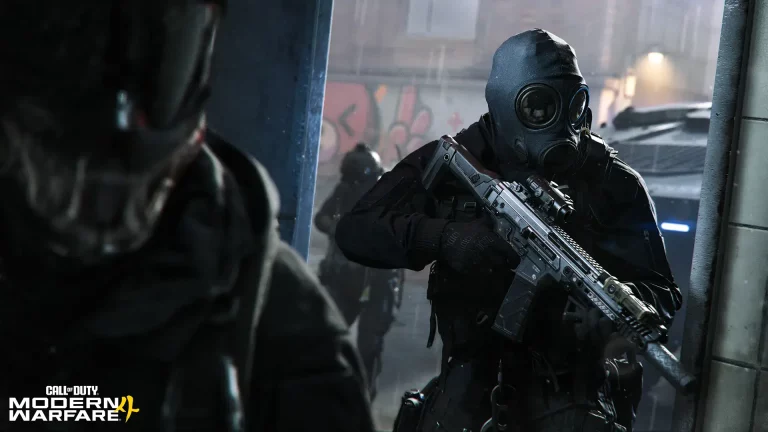
Modern Warfare 4 Controversy: What Every Nerd Needs to Know
In the expansive and often boundary-pushing world of video games, the quest for hyper-realism frequently intertwines with the delicate balance of ethical representation. Modern gaming, particularly in genres like first-person shooters, strives to immerse players in conflicts that feel visceral and immediate. This ambition, however, carries inherent risks, occasionally leading developers to inadvertently or intentionally cross lines that evoke real-world suffering rather than fictional drama.
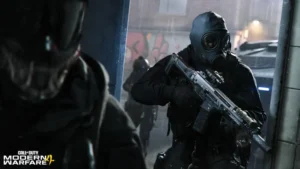
Such was the recent predicament faced by Activision, one of the titans of the gaming industry, with the highly anticipated release of Call of Duty: Modern Warfare 4. Designed to plunge players into a tense, fictionalized conflict between North and South Korea, the game’s cinematic opening sequence aimed to establish a gritty, documentary-style atmosphere. This montage blended fabricated game footage with archival news clips, a technique often employed to lend authenticity.
However, what began as an artistic choice quickly escalated into a global controversy. Amidst the flurry of news reports woven into the opening, a specific clip featuring a paramedic performing CPR on a victim on the ground sent shockwaves through the Asian gaming community. It was swiftly identified not as a fictional creation, but as genuine footage from the harrowing aftermath of the Itaewon crowd crush, a devastating real-world tragedy that occurred in Seoul, South Korea, in October 2022.
This unforeseen inclusion ignited a firestorm of criticism, forcing Activision to confront profound questions about content vetting, cultural sensitivity, and the ethical responsibilities of depicting violence and suffering in entertainment. The incident brought into sharp focus the increasingly blurred lines between digital fantasy and real-world trauma, challenging both creators and consumers to re-evaluate the moral compass guiding interactive media.
The repercussions extend beyond a simple oversight, sparking renewed debate within the broader gaming ecosystem about the drive for realism and the potential for inadvertently exploiting recent, painful memories. This event underscores the critical role of vigilant quality assurance and deep cultural understanding in an interconnected global market, where a misstep can quickly erode trust and spark widespread indignation. The saga of Modern Warfare 4’s opening scene serves as a potent reminder that even in fictional universes, the echoes of reality demand profound respect and careful consideration.
Activision’s Misstep and the Gamer Nerd Community’s Outcry
Activision, a powerhouse in the gaming industry, found itself at the center of a significant international controversy following the launch of Call of Duty: Modern Warfare 4. The game’s opening sequence included real footage of a medic performing CPR during the Itaewon tragedy, leading to widespread criticism from the gamer nerd community and affected groups. This oversight highlighted critical issues in content vetting and ethical representation within the gaming world.
The release of Call of Duty: Modern Warfare 4 was met with anticipation, especially with its new campaign centering on a fictional conflict between North and South Korea. To immerse players, the development team crafted an intense cinematic opening that mixed game-generated clips with authentic archival news footage. This blend, intended to heighten the sense of urgency and realism, unexpectedly backfired when a specific clip, depicting a paramedic reviving a victim, was identified by sharp-eyed players as real footage from the Itaewon disaster.
The rapid identification of this sensitive material by the gaming community underscores the heightened scrutiny and collective knowledge that modern players bring to interactive entertainment. What for some might have been an anonymous clip, for others, particularly those with a connection to the event or an awareness of global news, was an undeniable image of profound grief and trauma. This incident quickly transformed from a minor detail into a focal point of ethical concern.
The Itaewon Tragedy: A Deeply Sensitive Context
To fully grasp the gravity of Activision’s misstep, it’s essential to understand the Itaewon tragedy. This devastating crowd crush occurred in Seoul, South Korea, on October 29, 2022, during Halloween festivities. An unexpected surge of people in an exceptionally narrow alley resulted in a catastrophic mass casualty event, claiming 159 lives and injuring nearly 200 others. It left an indelible scar on the nation, becoming a deeply painful and recent memory for many.
The inclusion of such raw and recent footage within a fictional war game was perceived as highly insensitive, effectively trivializing a moment of widespread national mourning for entertainment purposes. The emotional resonance of the tragedy, combined with its recency, created a potent mix for outrage, demonstrating a clear disconnect between the content creation process and broader cultural awareness.
Community and Official Repercussions
The discovery of the Itaewon footage in Call of Duty: Modern Warfare 4 provoked an immediate wave of indignation. Both the Itaewon Disaster Bereaved Families Association and the Korea Game Users Association promptly issued statements, unequivocally demanding that Activision remove the offensive images from the game. Their swift action highlighted the collective power of affected communities and advocacy groups in holding major corporations accountable.
Facing immense public pressure and the looming threat of boycotts in the vital Asian market, Activision moved quickly to mitigate the damage. The gaming giant issued an official statement to the South Korean press, confirming the immediate deletion of the controversial clip in a patch scheduled for November 12. This rapid response, though necessary, underscored the severity of the initial error and the cultural sensitivity required when operating in a global market.
Activision’s Response and the Ethics of Hyper-Realism
Activision swiftly apologized and committed to removing the offending footage from Modern Warfare 4, acknowledging the sensitivity of using real tragedy for fictional content. This incident reignites crucial discussions about quality control and the ethical boundaries that game developers must navigate when pursuing hyper-realism, especially concerning global audiences and their diverse cultural contexts.
In their official apology, delivered to the South Korean media, Activision expressed deep sympathy and apologized to the bereaved families, victims, and anyone caused concern by the incident. They emphasized that the inclusion of the real news footage was never intended to evoke or trivialize any tragic event, including the Itaewon crowd crush. The company confirmed that the video in question would be completely removed via an update scheduled for November 12, demonstrating a clear intention to rectify the oversight and address the public outcry.
Unpacking the “Terrible Oversight”: Quality Assurance and Ethical Blunders
The controversy surrounding the Modern Warfare 4 opening sequence reveals a glaring vulnerability in the studio’s quality assurance (QA) and content vetting processes. The use of stock footage is common in media production, offering efficiency and access to a vast library of visuals. However, this incident strongly suggests that the editing team failed to conduct adequate due diligence, neglecting to verify the sensitive origins of the material sourced for the game. This lack of rigorous review indicates a systemic flaw, where the aesthetic goal of realism seemingly overshadowed critical ethical considerations and contextual awareness.
Such an oversight is particularly troubling for a major publisher like Activision, which operates on a global scale and caters to diverse audiences. It underscores the necessity for comprehensive content audits that not only check for technical and creative quality but also scrutinize the cultural, historical, and ethical implications of every piece of media incorporated into a product. A “terrible oversight” of this magnitude can quickly erode trust and significantly damage brand reputation, especially in an era where information spreads instantly and communities demand accountability.
The Perilous Pursuit of Immersion: Crossing Ethical Boundaries
Beyond the immediate QA failure, this case rekindles an enduring and often contentious debate within the video game industry: the relentless pursuit of hyper-realism. Developers frequently push technological and narrative boundaries to create immersive experiences, believing that a high degree of fidelity to reality enhances the player’s engagement and the impact of the game’s message. Yet, this drive for shock and urgency, particularly in depicting warfare, can lead creators to tread a perilous ethical line.
The desire to simulate the visceral horrors of war sometimes leads to the incorporation of elements that blur the distinction between fictional entertainment and the exploitation of genuine human suffering. When game content references or directly uses imagery from recent tragedies, it risks trivializing the pain of real victims and their families. This raises fundamental questions about the responsibilities of creators: How far should the pursuit of immersion go? When does artistic license become ethical negligence? The controversy serves as a stark reminder that while games can be powerful artistic expressions, they must navigate the complexities of real-world sensitivities with extreme care and respect.
The Broader Impact on Nerd Culture and Gaming Ethics
The Modern Warfare 4 controversy extends beyond Activision’s immediate apology, impacting its brand image, particularly in Asia. It highlights the evolving role of nerd culture in demanding ethical content and stricter verification protocols in game development, urging the industry toward greater responsibility in depicting global events and sensitivities.
For Activision, the direct financial impact in Western markets might be minimal, yet the damage to its brand image and reputation in the expansive and lucrative Asian market is undeniably substantial. Incidents like this can lead to diminished trust among consumers, potential boycotts, and a lasting perception of insensitivity. In an era where corporate responsibility is increasingly scrutinized, a major publisher’s failure to respect cultural sensitivities can have far-reaching commercial and reputational consequences, necessitating a more rigorous approach to future projects.
Learning from Controversy: Future Implications for Game Development
The Modern Warfare 4 incident offers crucial lessons for the entire game development industry. Moving forward, companies must adopt far more stringent historical verification protocols for all content, especially when incorporating real-world imagery or references. This includes implementing multi-layered review processes, consulting cultural experts, and conducting thorough background checks on all stock footage or archival materials. The rapid dissemination of information in the digital age means that communities are quick to identify and condemn the trivialization of recent tragedies, leaving no room for such oversights.
Beyond technical quality assurance, there’s an urgent need for greater cultural sensitivity training within development teams. Understanding the nuances of global events and their impact on diverse audiences is paramount. This proactive approach can help developers create more thoughtful, respectful, and globally resonant content, fostering greater trust with their player base and avoiding future controversies that can be both damaging and costly.
A Call for Greater Scrutiny from the Community
This controversy also underscores the growing power and influence of the global gaming community. What might once have been overlooked or silently absorbed is now amplified by collective outrage and rapid information sharing. The incident showcases how the collective voice of the gamer nerd population, when unified, can effectively hold even the largest publishers accountable. This empowers players to demand higher ethical standards, more responsible content creation, and greater transparency from the companies that produce their entertainment.
The community’s vigilance acts as a vital check and balance on the industry’s ambition. By actively identifying and speaking out against insensitive content, players not only influence specific game changes but also contribute to an ongoing evolution of ethical guidelines within game development. This dynamic relationship between creators and consumers will undoubtedly shape the future of interactive media, pushing for a more mindful and respectful approach to storytelling and world-building.
Frequently Asked Questions About the Modern Warfare 4 Controversy
This section addresses common questions surrounding the Modern Warfare 4 incident, Activision’s response, and the broader implications for the gaming industry.
- What specific incident sparked the controversy in Modern Warfare 4?
The controversy was ignited by the inclusion of real news footage from the Itaewon crowd crush, a tragic event that occurred in Seoul, South Korea, in October 2022. This specific clip, depicting a paramedic performing CPR on a victim, was part of the game’s cinematic opening sequence, which aimed to establish a tense atmosphere for the fictional North-South Korean conflict. Players quickly recognized the footage as authentic and deeply sensitive, leading to widespread condemnation.
- When did Activision issue its apology and what was their commitment?
Activision issued an official apology shortly after the controversy erupted. The company stated that the inclusion of the footage was an unintentional oversight and expressed deep sympathy to the victims and their families. They publicly committed to removing the offending clip from Call of Duty: Modern Warfare 4 via a game update scheduled for November 12, ensuring that the insensitive material would no longer be present in the game.
- Who identified the real footage in the game?
The real footage was identified by sharp-eyed members of the gaming community, particularly those in Asia, who recognized the specific scenes from the Itaewon tragedy. Their rapid identification and subsequent vocal criticism on social media and gaming forums played a crucial role in bringing the issue to Activision’s attention and escalating the controversy, demonstrating the power of collective community oversight.
- What was the Itaewon tragedy and why is its inclusion so sensitive?
The Itaewon tragedy was a devastating crowd crush that occurred on October 29, 2022, in Seoul, South Korea, resulting in 159 fatalities and nearly 200 injuries. Its inclusion in Modern Warfare 4 was highly sensitive because it was a recent, profound national trauma for South Korea. Using real footage from such a tragic event for fictional entertainment was widely perceived as disrespectful, exploitative, and trivializing the suffering of real victims and their bereaved families.
- What implications does this controversy have for game development and quality assurance?
This controversy highlights significant flaws in the content vetting and quality assurance (QA) processes within game development studios. It suggests a lack of thorough background checks on stock footage and a failure to consider the cultural and ethical implications of included media. Moving forward, it emphasizes the need for more rigorous multi-layered review processes, cultural sensitivity training for development teams, and comprehensive content audits to prevent similar oversights.
- How might this incident affect Activision’s future projects or brand image?
While the immediate financial impact in Western markets might be contained, the damage to Activision’s brand image, particularly in the critical Asian market, is likely substantial. The company will likely need to implement stricter ethical guidelines and content verification protocols for future projects to rebuild trust. This incident serves as a cautionary tale, underscoring that public perception and ethical conduct are paramount in maintaining a positive brand reputation in the global gaming landscape.
- Does this controversy impact the broader debate about hyper-realism in games?
Absolutely. The incident reignites the ongoing debate about the ethical boundaries of pursuing hyper-realism in video games. It prompts questions about where the line should be drawn between artistic immersion and the potential exploitation of real-world suffering. The controversy serves as a stark reminder that while aiming for authenticity, developers must exercise extreme caution to ensure that their creative choices do not inadvertently trivialize or disrespect genuine human tragedies.
The Road Ahead: Navigating Ethics in the Ever-Evolving Gaming Landscape
The controversy surrounding Call of Duty: Modern Warfare 4 serves as a powerful reminder of the intricate ethical landscape that modern game developers and publishers must navigate. What began as a misstep in content inclusion quickly escalated into a global debate, highlighting the profound impact of insensitivity in an interconnected world.
This incident underscores a crucial truth: the pursuit of immersive realism, while a cornerstone of contemporary gaming, cannot come at the expense of human dignity and respect for real-world suffering. The swift and unified response from affected communities and the broader gamer population demonstrates a growing demand for greater accountability and more thoughtful content creation from the industry’s giants.
For Activision, the path forward necessitates not just adherence to new protocols but a fundamental shift in cultural awareness and ethical vetting across all stages of development. For the industry at large, it’s a call to reflect on the moral compass guiding the creation of interactive entertainment, recognizing that every creative decision carries implications beyond the virtual realm.
Ultimately, this episode reinforces the evolving role of the consumer – the dedicated nerd community – as a vital guardian of ethical standards in gaming. Their collective voice is a powerful force, shaping a future where technological innovation is balanced with profound social responsibility, ensuring that the art of games continues to captivate without causing harm.








Post Comment