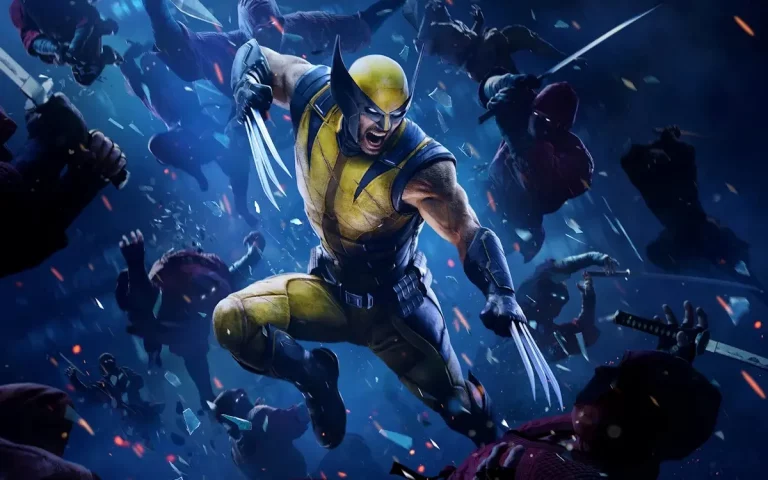
Why Insomniac Games Faces Hate: From Spider-Man to Wolverine
Nerd Culture and the Dynamics of Fan Criticism
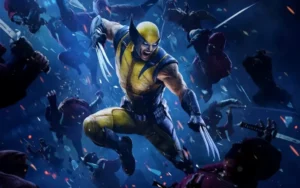
The world of video games, especially within the superhero genre, is marked by passionate fans and dramatic reactions. When it comes to Insomniac Games, a studio renowned for its adaptation of Marvel heroes, the pattern of hate and criticism is particularly pronounced. As we explore the latest example with ‘Marvel’s Wolverine,’ we uncover the roots of such backlash and its implications for the future of gaming and fandom.
Understanding the Insomniac Critique Cycle
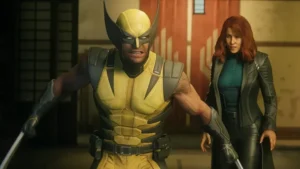
Ever since Insomniac Games made its entry into the Marvel universe, each release has been met with a mix of excitement and substantial backlash. The current discussions surrounding ‘Marvel’s Wolverine’ highlight a recurring theme: fans expressing discontent over game elements before they’ve even begun playing. Critiques have ranged from character designs to gameplay mechanics, often fueled by social media’s rapid dissemination of opinions.
Historically, this cycle isn’t new. Before ‘Marvel’s Spider-Man’ released in 2018, criticisms surfaced regarding graphical downgrades—a phenomenon infamously dubbed ‘Puddlegate.’ Initially perceived as a major issue, it later became trivial following the game’s success and acclaim, illustrating how pre-launch hate can often be misguided.
The Role of Social Media in Amplifying Hate
Insomniac’s community director, James Stevenson, notes that social media algorithms tend to amplify negative feedback because it generates higher engagement. This creates a feedback loop where critics feel more empowered to voice dissatisfaction, while broader fan sentiment isn’t accurately reflected. In essence, what appears to be overwhelming negativity may not represent the true feelings of the gaming community.
Fan Expectations and Game Development
The expectations surrounding superhero games are immense, stemming from decades of lore and fan attachment. As Mike Daly, director of ‘Marvel’s Wolverine,’ points out, the intense scrutiny fans place on every detail demonstrates their passion. However, when a game takes creative liberties—be it storyline choices or character portrayal—it can lead to backlash. In this context, any deviation from established norms is likely to be criticized harshly.
The Impact of Professional Reviews
Interestingly, while previous games faced pre-launch outrage, they often defied the odds post-release. However, ‘Marvel’s Wolverine’ presents a unique situation: despite initial criticism being validated by some professional reviews, it still maintains a positive reception. The game’s score of around 78 on Metacritic, while lower than its predecessors, does not indicate a complete failure. Many players found enjoyment that contradicts the negative memes circulating online.
Comparison of Insomniac Titles and Criticism Trends
| Title | Metacritic Score | Pre-launch Criticism |
|---|---|---|
| Marvel’s Spider-Man | 87 | Puddlegate, Mary Jane Missions |
| Marvel’s Spider-Man 2 | 90 | Story Choices |
| Marvel’s Wolverine | 78 | Linear Gameplay, Combat Issues |
This comparison underscores a trend where Insomniac’s games often face harsh pre-launch scrutiny but succeed commercially and critically after release.
Benefits of Constructive Criticism
Despite the negativity, there are benefits to fan critiques. They can motivate developers to improve games and address player concerns. When fans voice their opinions, it helps studios fine-tune their work, ultimately leading to better gaming experiences.
Limitations of Fan Feedback
Yet, it’s crucial to recognize that not all feedback is constructive. Sometimes, critiques stem from initial bias or nostalgia rather than well-founded arguments. Fans must differentiate between legitimate concerns and uninformed opinions.
Common Mistakes in Fan Reactions
- Overreacting to trailers without gameplay context.
- Neglecting historical trends of games improving post-launch.
- Assuming all fan feedback represents the wider community.
Best Practices for Engaged Fans
- Approach new titles with an open mind, recognizing the development process.
- Engage with the community positively and constructively.
- Support studios by providing balanced feedback.
Future Trends in Gaming and Fan Response
As the landscape of gaming evolves, so will fan reactions. Developers might adopt new engagement strategies that include more fan input during the development cycle, potentially reducing backlash and aligning gamer expectations with creative visions.
Returning to the Heart of Nerd Culture: Why the Hate?
The tension between high fan expectations and the realities of game development continues to shape the narrative. Understanding why Insomniac generates hate is vital for both fans and developers. It highlights the impact of community dynamics on creativity and innovation within the gaming industry.
FAQ
What causes the criticism against Insomniac Games?
The criticism often arises from high expectations tied to beloved characters and previous titles. Fans are vocal about perceived flaws, influencing the general perception of new releases.
Are the criticisms valid?
Many critiques can be rooted in valid opinions, though they may also stem from exaggerations or misinterpretations of game elements before they fully release.
How does social media affect fan reactions?
Social media amplifies negative feedback due to algorithmic rewards for engagement, leading to a skewed representation of fan sentiment.
What impact does negativity have on game development?
Negative feedback can motivate developers to address concerns or refine game mechanics in future iterations, ultimately leading to improved gaming experiences.
Should fans trust reviews?
While professional reviews can provide insight, individual experiences may differ. Fans should consider multiple perspectives before forming a judgment.
What future trends can we expect in game development?
New approaches to fan engagement during the development process may emerge, leading to a balance between community input and creative freedom.
Strategic Closing Thoughts
In understanding the cyclical nature of criticism towards Insomniac Games, we find a reflection of larger trends within nerd culture. Balancing creative vision with fan expectation remains an ongoing challenge for the industry, shaping the future of beloved franchises like Spider-Man and Wolverine.






Post Comment